
In This Article
Your hands are tingling again. That familiar numbness creeps up your fingers after another long day with the angle grinder, and you’re wondering if this is just part of the job. Here’s the truth: it doesn’t have to be.
Working with power tools—whether you’re a professional mechanic, construction worker, or weekend DIY enthusiast—exposes your hands to constant vibration. Over time, this seemingly harmless buzzing can lead to Hand-Arm Vibration Syndrome (HAVS), a serious condition that affects thousands of workers annually. According to the CDC’s National Institute for Occupational Safety and Health, approximately 1.2 million workers in the United States are potentially exposed to hand-arm vibration, putting them at risk of developing vibration syndrome.
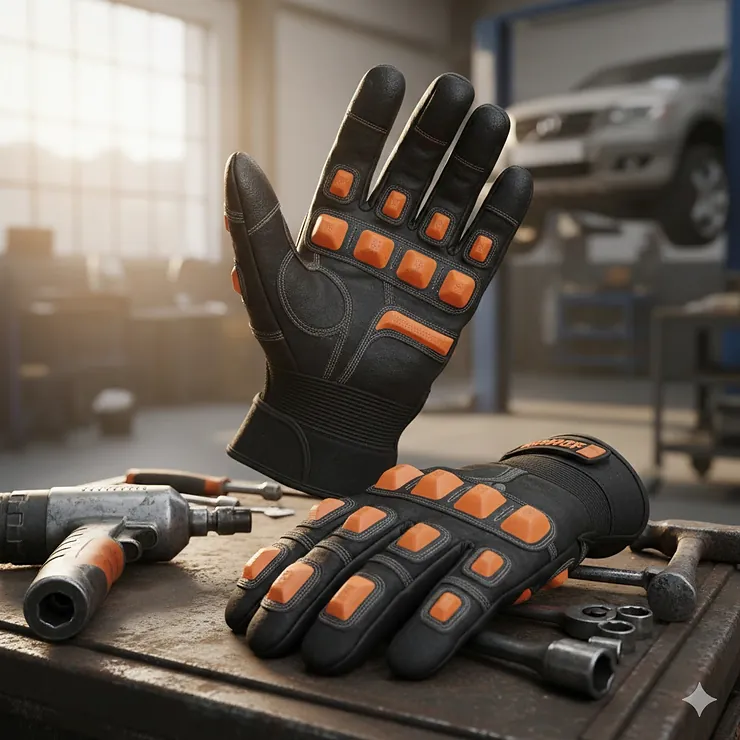
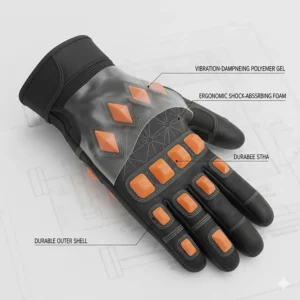
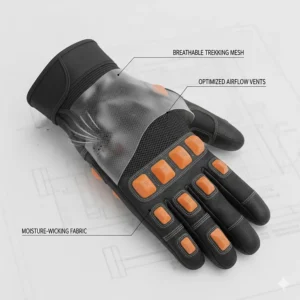
Anti vibration mechanic gloves aren’t just another accessory—they’re essential protective equipment that can save your career and quality of life. These specialized gloves feature vibration dampening work gloves technology, incorporating materials like SBR padding, TPR protectors, and gel inserts that absorb and dissipate harmful vibrations before they reach your hands.
In this comprehensive guide, I’ll walk you through the 7 best gloves for power tools currently available in 2026, explain how ergonomic padding actually works, and share practical tips for hand fatigue prevention. Whether you’re running a jackhammer daily or spending weekends working on your car, you’ll find the perfect pair to keep your hands safe and comfortable.
Quick Comparison Table
| Product | Vibration Reduction | Key Feature | Price Range | Best For |
|---|---|---|---|---|
| Ergodyne ProFlex 9012 | ANSI/ISO Certified | Wrist support + AVC padding | $61-96 | Professional daily use |
| Mechanix Wear M-Pact | D3O palm padding | Impact + vibration combo | $25-35 | All-around mechanics |
| Vgo SL8849 | EVA padding | Budget-friendly | $15-25 | Cost-conscious workers |
| HANDLANDY Anti Vibration | 5mm SBR padding | TPR knuckle guards | $20-30 | Heavy machinery |
| Impacto BG408 | Air Glove technology | Bubble bladder system | $45-65 | Premium protection |
| AIGEVTURE Anti Vibration | SBR fingers + palms | Breathable design | $18-28 | Hot environments |
| Superior Glove S10VIB | Chloroprene coated | EN ISO/ANSI standard | $20-25 | Pneumatic tools |
💬 Just one click – help others make better buying decisions too! 😊
Top 7 Anti Vibration Mechanic Gloves: Expert Analysis
1. Ergodyne ProFlex 9012 – The Professional’s Choice
When you’re serious about protection, the Ergodyne ProFlex 9012 sets the gold standard. This isn’t just marketing hype—these gloves are ANSI/ISEA 105-2016 and ISO 10819:2013 certified, meaning they’ve undergone rigorous third-party testing to prove they actually reduce vibration transmission.
Key Specifications:
- Full-length AVC (Anti-Vibration Compound) palm padding
- Built-in wrist support with patented Open-Center Stay technology
- Gripping palm with reinforced fingertips
- EN 388: 2121X certified
Customer Feedback: Users consistently praise these gloves for making a noticeable difference during extended grinding and sanding sessions. One construction worker mentioned he could finally work a full eight-hour shift without his hands going numb.
Pros:
✅ Certified vibration reduction—not just claims
✅ Wrist support helps with repetitive motion discomfort
✅ Durable construction lasts months of daily use
Cons:
❌ Higher price point at $61-96
❌ Some users find them slightly bulky for fine detail work
Price Range: $61-96

2. Mechanix Wear M-Pact – Best All-Around Performance
The Mechanix Wear M-Pact gloves have earned their reputation through three decades of protecting working hands. What makes them special is the 2mm D3O palm padding—a material originally developed for military and motorcycle use that hardens on impact while staying flexible during normal use.
Key Specifications:
- D3O impact and vibration dissipating palm padding
- TPR (Thermoplastic Rubber) knuckle and finger guards
- TrekDry material for moisture management
- Touchscreen compatible fingertips
Customer Feedback: Mechanics love the balance between protection and dexterity. The gloves handle everything from impact wrenches to delicate electrical work without needing to switch gear.
Pros:
✅ Excellent vibration AND impact protection combo
✅ Touchscreen capable—no need to remove gloves
✅ Machine washable for easy maintenance
Cons:
❌ Sizing runs slightly small for some users
❌ TrekDry material can wear in high-friction areas
Price Range: $25-35
3. Vgo SL8849 – Best Budget Option
Don’t let the affordable price fool you—the Vgo SL8849 gloves punch well above their weight class. With over 11,000 customer reviews averaging 4.3 stars, these gloves prove you don’t need to spend a fortune for effective vibration reduction.
Key Specifications:
- High-dexterity EVA padding for impact and vibration absorption
- 3D-structured TPR knuckle guards
- Synthetic leather palm with PVC reinforcement
- EN388:3121XP certified
Customer Feedback: One township worker shared that after trying dozens of brands costing hundreds of dollars, these $15-25 gloves lasted an entire season of heavy tree work. The value proposition is exceptional.
Pros:
✅ Outstanding value—often sold in multi-packs
✅ Surprisingly durable for the price
✅ Touchscreen compatible thumb and index finger
Cons:
❌ Fingers run slightly short for some users
❌ Not as much padding as premium options
Price Range: $15-25
4. HANDLANDY Anti Vibration Gloves – Heavy-Duty Champion
When you’re working with serious machinery, the HANDLANDY gloves deliver serious protection. The 5mm SBR (Styrene-Butadiene Rubber) inner padded patches on each finger and palm create a comprehensive vibration barrier.
Key Specifications:
- 5mm SBR padding on all fingers and palm
- TPR knuckle guards with full-length fingertip protection
- Adjustable hook and loop wrist closure
- Reinforced saddle between thumb and forefinger
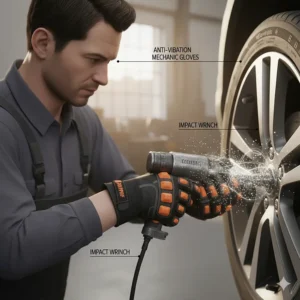
Customer Feedback: Chainsaw operators and jackhammer users report significant reduction in hand numbness and tingling. The gloves are particularly popular among tire installers who deal with constant vibration from impact wrenches.
Pros:
✅ Comprehensive padding coverage
✅ Excellent for prolonged power tool use
✅ Reinforced high-wear areas last longer
Cons:
❌ Thicker padding reduces fine motor control
❌ Can feel warm in summer conditions
Price Range: $20-30
5. Impacto BG408 Air Glove – Premium Innovation
The Impacto BG408 takes a completely different approach with patented Air Glove technology. Instead of foam or gel, these gloves use durable bubble bladders in the palms, fingers, and thumbs that act like tiny shock absorbers.
Key Specifications:
- Patented Air Glove bubble bladder technology
- Synthetic suede leather palm with silicone dots
- Breathable mesh back
- ANSI/ISO 10819 certified
Customer Feedback: Users describe the feeling as working with “mini airbags” in their hands. The unique design offers excellent vibration protection while maintaining surprisingly good dexterity.
Pros:
✅ Innovative bubble technology works differently than foam
✅ Superior comfort for extended wear
✅ Excellent breathability prevents sweaty hands
Cons:
❌ Premium price at $45-65
❌ Bubble bladders can puncture if damaged
Price Range: $45-65
6. AIGEVTURE Anti Vibration Gloves – Best for Hot Environments
Working in a hot shop or outdoor summer conditions? The AIGEVTURE gloves balance protection with breathability through their ergonomic arc design and mesh back fabric.
Key Specifications:
- 5mm SBR padding on fingers and palm
- TPR impact protection from wrist to fingertips
- Breathable spandex and mesh back
- PVC and microfiber leather construction
Customer Feedback: Construction workers in southern states appreciate how these gloves don’t turn into sweat traps. The breathable design keeps hands cool while still providing solid vibration dampening.
Pros:
✅ Excellent ventilation for hot conditions
✅ Flexible and comfortable all-day wear
✅ Good grip even when hands sweat
Cons:
❌ Mesh areas offer less protection
❌ Not ideal for very cold weather
Price Range: $18-28
7. Superior Glove S10VIB Vibrastop – Pneumatic Tool Specialist
Since 1910, Superior Glove has been protecting workers, and the S10VIB Vibrastop line represents over a century of refinement. The chloroprene rubber palm coating provides a unique vibration-dampening quality.
Key Specifications:
- Vibration-dampening chloroprene coated palm
- 7-gauge seamless nylon knit construction
- Elastic wrist for snug fit
- Meets EN ISO/ANSI vibration reduction standards
Customer Feedback: Aircraft assembly workers using air tools all day report these gloves significantly reduce the “buzz” feeling. The coating maintains grip even on oily surfaces.
Pros:
✅ Excellent for pneumatic tools specifically
✅ Good grip in oily/wet conditions
✅ Machine washable and rot resistant
Cons:
❌ Less durable than leather palm options
❌ Foam can compress over time
Price Range: $20-25
✨ Don’t Miss These Exclusive Deals!
🔍 Take your hand protection to the next level with these carefully selected products. Click on any highlighted item to check current pricing and availability. These gloves will help you work safely and comfortably while preventing long-term hand damage!
Understanding Hand-Arm Vibration Syndrome (HAVS)
Hand-Arm Vibration Syndrome isn’t just discomfort—it’s a progressive occupational disease recognized by medical professionals worldwide. According to research published in the National Center for Biotechnology Information, HAVS can cause permanent vascular and nerve damage if left untreated.
The condition develops through three main mechanisms. First, vibration causes microtrauma to blood vessels in your fingers and hands, leading to what’s known as vibration white finger—a condition where fingers turn pale and lose sensation. Second, prolonged vibration damages nerve endings, causing tingling, numbness, and loss of fine motor control. Third, the constant stress on muscles and joints can lead to chronic pain and reduced grip strength.
What makes HAVS particularly dangerous is its gradual onset. You might not notice symptoms for months or even years of exposure. Early signs include occasional tingling or numbness after using power tools, which progressively worsens until it becomes permanent. The Wikipedia article on hand-arm vibrations notes that construction workers, miners, and foundry workers face the highest exposure risks.
The good news? HAVS is largely preventable. Wearing proper anti vibration mechanic gloves, limiting exposure time, maintaining tools to reduce vibration, and taking regular breaks can dramatically reduce your risk. If you’re already experiencing symptoms, using vibration dampening work gloves and consulting with an occupational health specialist can prevent further damage.
How Vibration Dampening Technology Works
Not all padding is created equal. Understanding how different materials absorb vibration helps you choose the right gloves for your specific tools and work environment.
Material Science Behind Protection
SBR (Styrene-Butadiene Rubber) creates a flexible barrier that converts kinetic energy from vibration into heat through internal friction. The 5mm thickness common in quality gloves provides optimal absorption without sacrificing dexterity. SBR excels at dampening low to medium frequency vibrations typical of sanders, grinders, and pneumatic tools.
TPR (Thermoplastic Rubber) offers dual protection—it absorbs vibration while also protecting against impact. The rigid structure disperses force across a wider area, preventing concentrated stress on your hand bones and joints. You’ll find TPR guards on knuckles and fingers of most best gloves for power tools.
EVA (Ethylene-Vinyl Acetate) foam provides lightweight cushioning with good shock absorption. It’s less dense than rubber alternatives, making it ideal when you need protection without bulk. EVA excels in gloves designed for extended wear where hand fatigue prevention is crucial.
D3O technology represents cutting-edge protection. This non-Newtonian material flows freely under normal conditions but hardens instantly on impact, then immediately returns to flexible state. Originally developed for military body armor, D3O absorbs both vibration and impact energy more efficiently than traditional foams.
Chloroprene (neoprene) coatings create a vibration-dampening layer while maintaining excellent grip. The material’s molecular structure absorbs high-frequency vibrations particularly well, making it perfect for pneumatic tool users.
Ergonomic Design Principles
The best anti vibration mechanic gloves don’t just add padding—they’re engineered to work with your hand’s natural structure. Pre-curved finger designs reduce muscle fatigue by matching your hand’s relaxed position. Strategically placed padding focuses protection where vibration transmission is highest: the palm center, finger bases, and thumb junction.
Wrist support features, like those in the Ergodyne ProFlex 9012, prevent carpal tunnel aggravation by stabilizing the wrist joint. This is crucial because vibration exposure combined with poor wrist positioning creates the perfect storm for repetitive strain injuries.
Choosing the Right Anti Vibration Gloves for Your Work
Matching Gloves to Tool Types
Different tools generate different vibration frequencies and intensities. Low-frequency, high-amplitude vibration comes from jackhammers, demolition tools, and chainsaws. For these, you need thick SBR or gel padding that can handle intense shaking. The HANDLANDY or Impacto models excel here.
High-frequency, low-amplitude vibration characterizes grinders, sanders, and polishers. These benefit from chloroprene or lighter foam padding that won’t reduce dexterity. The Superior Glove S10VIB or Mechanix Wear M-Pact work perfectly for these applications.
Impact tools like pneumatic wrenches and drills combine vibration with sudden shocks. You need gloves with both vibration dampening and impact protection, making TPR-equipped options like the Vgo SL8849 or AIGEVTURE ideal choices.
Sizing and Fit Considerations
Here’s a secret many workers don’t know: poorly fitting gloves can actually increase vibration transmission. Too loose, and the padding doesn’t make consistent contact with your palm. Too tight, and you create pressure points that amplify vibration effects.
Measure your hand properly. Wrap a measuring tape around your knuckles (excluding the thumb), then measure from the base of your palm to the tip of your middle finger. Most manufacturers provide detailed size charts—use them. When trying gloves, make a fist. You should feel some resistance but never tightness. Fingers should reach the glove tips without excess material bunching.
Consider your grip strength needs. Mechanics doing precision work might prefer thinner padding for better feel, while construction workers prioritize maximum protection. Some manufacturers offer different padding levels in the same model—take advantage of this.
Climate and Environment Factors
Your work environment dramatically affects glove performance. In cold conditions below 40°F, standard gloves lose flexibility. Look for winter-rated options like the Vgo SL8849FW with Thinsulate insulation that maintains vibration protection in freezing temperatures.
Hot, humid environments create sweat buildup that reduces grip and causes discomfort. Breathable designs with mesh backs, like the AIGEVTURE model, prevent this issue. Some workers keep two pairs—a breathable summer set and insulated winter set.
Wet or oily conditions demand specific palm coatings. Synthetic leather with PVC reinforcement or silicone-dotted palms maintain grip when moisture is present. Standard leather palms actually improve grip slightly when damp, making them versatile for mixed conditions.
Impact Resistance vs. Cut Resistance: What You Need
Many workers assume anti vibration gloves automatically include cut and impact resistance. This isn’t always true, and understanding the differences helps you choose appropriate protection.
Impact resistance, measured by EN 388 or ANSI 138 standards, indicates how well gloves protect against blunt force. TPR guards and D3O padding excel here. If you’re working with heavy tools, dropped equipment, or in tight spaces where hand strikes are common, prioritize impact ratings.
Cut resistance, rated from A1 to A9 under ANSI standards, matters when handling sharp edges, metal shavings, or rough materials. Many vibration gloves offer minimal cut protection since thick padding doesn’t stop sharp objects. If you need both, look for specialized models combining Kevlar or high-performance polyethylene (HPPE) liners with vibration dampening outer layers.
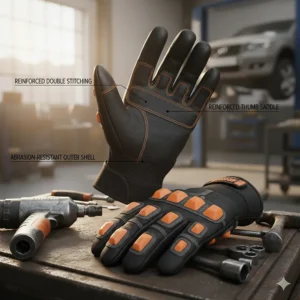
Abrasion resistance determines how quickly gloves wear out. Construction and automotive work involve constant friction against rough surfaces. Synthetic leather palms with reinforced stitching last significantly longer than standard fabric. The EN 388 abrasion rating (1-4 scale) helps predict glove lifespan.
Smart workers often use layered protection—cut-resistant liners under vibration gloves for maximum safety. This approach costs more initially but provides comprehensive protection and extends glove life since you’re not wearing out your expensive vibration gloves on tasks that don’t require them.
Maintenance and Care Tips for Longevity
Quality anti vibration mechanic gloves represent an investment in your health. Proper care extends their lifespan and maintains protective properties.
Cleaning and Storage
Machine washable gloves save money and stay hygienic. Wash in warm water (not hot—it degrades foam padding) with mild detergent. Skip the fabric softener as it reduces grip. Air dry completely before storage—heat from dryers breaks down rubber compounds and shrinks materials.
Hand-wash only models require more care but often use premium materials worth the effort. Use lukewarm water and gentle soap, working it through palm areas where sweat and oil accumulate. Rinse thoroughly and squeeze (don’t wring) to remove excess water.
Store gloves in a cool, dry location away from direct sunlight. UV exposure deteriorates rubber and synthetic materials. Avoid storing near chemicals, solvents, or oils that can penetrate materials and reduce their protective qualities. A simple mesh bag allows air circulation and prevents mildew.
When to Replace Your Gloves
Even with excellent care, all protective gloves eventually need replacement. Inspect weekly for these warning signs: visible cracks or tears in padding (compromises vibration protection), worn-through palm material (exposes hands to hazards), separated seams (indicates structural failure), compressed padding that doesn’t bounce back (lost shock absorption), and hardened or brittle materials (reduced flexibility and protection).
As a general rule, gloves under daily heavy use need replacement every 3-6 months. Lighter use extends this to 6-12 months. Keep spare pairs on hand—when you notice reduced protection, switch immediately rather than waiting for complete failure.
Certification Standards You Should Know
Navigating safety certifications helps you identify genuinely protective gloves versus marketing hype. Several international standards apply to anti vibration mechanic gloves, and understanding them ensures you’re getting real protection.
ISO 10819:2013 represents the international standard for measuring vibration transmission reduction. Gloves meeting this standard must reduce vibration in the 25-1250 Hz frequency range—covering most power tools. Look for specific transmissibility ratings: TRm (medium frequency) and TRh (high frequency). Lower numbers mean better protection, with values under 1.0 indicating actual vibration reduction.
ANSI S2.73-2014 (also written as ANSI/ASA S2.73) provides North American testing criteria similar to ISO 10819. Many manufacturers pursue both certifications to demonstrate comprehensive protection. The testing involves measuring vibration at the palm center and comparing it to vibration at the tool handle.
EN 388 covers mechanical risks including abrasion, cut, tear, and puncture resistance. The newest version (EN 388:2016) uses a four-digit code plus optional letters. For example, 4X42D means: 4 (high abrasion resistance), X (not tested for blade cut), 4 (high tear resistance), 2 (moderate puncture resistance), D (high cut resistance by TDM test method).
ANSI/ISEA 105 rates cut resistance from A1 to A9, with A9 being the highest protection. This matters if you’re working around sharp edges while using vibrating tools. Some gloves combine A4 or A5 cut resistance with vibration dampening for comprehensive protection.
When shopping, genuine certified gloves will clearly state their test results and certification numbers. Vague claims like “reduces vibration” without specific standards or test data should raise red flags. Invest in properly certified equipment—your long-term hand health depends on it.
Combining Gloves with Other Safety Measures
While the best gloves for power tools provide excellent protection, they work best as part of a comprehensive safety approach. Think of vibration protection like a multi-layered defense system where each component reinforces the others.
Tool Maintenance and Selection
Well-maintained tools vibrate less. Regularly inspect and replace worn bearings, check for loose components, balance rotating parts, and sharpen cutting edges. A dull blade or worn bearing can double vibration levels compared to properly maintained equipment.
When purchasing new tools, compare vibration specifications. Modern power tools often list vibration values in the manual (measured in m/s²). Lower numbers mean less hand stress. Anti-vibration handles with built-in dampening systems complement your gloves’ protection.
Work Practice Modifications
The way you work matters as much as the equipment you use. Grip tools firmly but not tightly—excessive grip force actually increases vibration transmission through your hands. Take frequent breaks: work for 10-15 minutes, then rest your hands for 5 minutes. This prevents cumulative damage.
Keep your hands warm. Cold reduces blood flow and makes vibration damage worse. Wear appropriate base layers in cold weather, and consider heated gloves for extreme conditions. Avoid smoking before work—nicotine constricts blood vessels and increases HAVS risk.
Ergonomic Workspace Setup
Position work at comfortable heights to avoid awkward angles. Bent wrists amplify vibration stress on tendons and nerves. Use tool balancers or support arms for heavy equipment to reduce grip force requirements.
Alternate between different tools and tasks throughout the day. Varying the type and frequency of vibration exposure gives different muscle groups recovery time. If possible, schedule high-vibration tasks when you’re fresh rather than at the end of a tiring day when your body is less resistant to stress.
FAQ: Your Anti Vibration Glove Questions Answered
❓ How do I know if anti vibration gloves are actually working?
❓ Can I wear regular gloves under anti vibration gloves for extra protection?
❓ How long does vibration dampening material last before losing effectiveness?
❓ Are fingerless anti vibration gloves worth considering?
❓ Do anti vibration gloves help with existing HAVS symptoms?
Conclusion: Protecting Your Most Valuable Tools—Your Hands
Your hands are irreplaceable. Unlike power tools that can be replaced when they wear out, damaged nerves and blood vessels don’t regenerate. The decision to invest in quality anti vibration mechanic gloves isn’t just about comfort—it’s about preserving your ability to work, pursue hobbies, and maintain quality of life for decades to come.
We’ve examined seven outstanding options, each excelling in specific applications. The Ergodyne ProFlex 9012 delivers certified protection for professionals who demand the best. The Mechanix Wear M-Pact balances performance and price for all-around use. Budget-conscious workers find exceptional value in the Vgo SL8849, while the Impacto BG408 offers innovative air bladder technology for those willing to invest in premium protection.
Remember that glove selection is just one component of comprehensive vibration protection. Maintain your tools, take regular breaks, keep your hands warm, and practice proper ergonomics. Combined with quality vibration dampening work gloves, these practices create a powerful defense against HAVS.
Don’t wait until symptoms appear. Hand-Arm Vibration Syndrome develops gradually—by the time you notice serious problems, significant damage may already exist. Start protecting your hands today with appropriate anti vibration gloves matched to your specific tools and working conditions.
Your future self will thank you for the investment. Whether you’re a professional tradesperson, dedicated DIYer, or weekend warrior, your hands deserve the best protection available. Choose quality, wear them consistently, and maintain them properly. It’s a small price to pay for a lifetime of healthy, capable hands.
✨ Don’t Miss These Exclusive Deals!
🔍 Take your hand protection to the next level with these carefully selected products. Click on any highlighted item to check current pricing and availability. These gloves will help you work safely and comfortably while preventing long-term hand damage!
Recommended for You
- 7 Best Impact Resistant Mechanic Gloves (2026 Review)
- 7 Best Mechanic Gloves with Touchscreen Fingers 2026 (Tested)
- 7 Best Mechanic Gloves for Oil Changes 2026
Disclaimer: This article contains affiliate links. If you purchase products through these links, we may earn a small commission at no additional cost to you.
✨ Found this helpful? Share it with your friends! 💬🤗
