
In This Article
Let me tell you something I learned the hard way after years in the garage—your hands are your most valuable tools, yet they’re often the most vulnerable part of your body. I’ve witnessed countless mechanics nursing bruised knuckles, swollen fingers, and worse because they thought regular work gloves would cut it. They won’t.
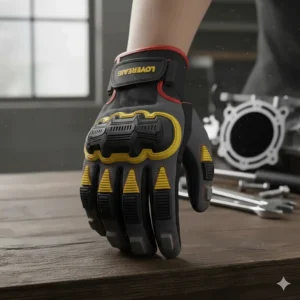
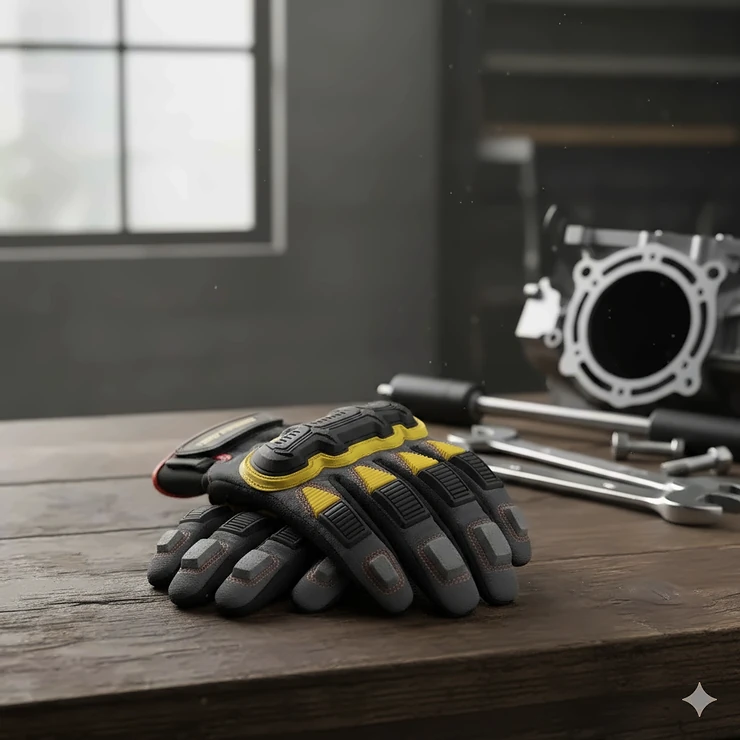
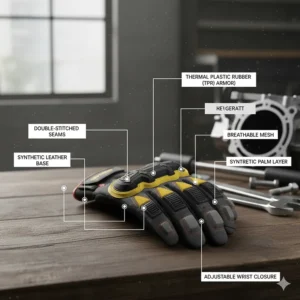
impact resistant mechanic gloves have revolutionized hand safety in automotive, construction, and industrial workplaces. These specialized gloves feature thermoplastic rubber (TPR) protection strategically placed over knuckles and fingers, absorbing and dispersing impact energy that would otherwise damage your bones and tissues. According to the U.S. Bureau of Labor Statistics, there were over 238,900 nonfatal hand injuries in private industry in 2021-2022 alone—many of which could have been prevented with proper impact protection.
The difference between standard work gloves and impact resistant mechanic gloves is like comparing a bicycle helmet to a baseball cap. Both cover your head, but only one will actually protect you when it matters. TPR impact resistant work gloves combine the flexibility you need for precision tasks with the crush protection that keeps your hands functional after an unexpected wrench slip or dropped tool.
Quick Comparison Table
| Glove Model | Impact Level | Cut Rating | Price Range | Best For |
|---|---|---|---|---|
| Mechanix M-Pact | EN 13594 | N/A | $25-$35 | General mechanics |
| MAGID T-REX TRX400 | ANSI Level 1 | A1 | $15-$22 | Budget-conscious buyers |
| Ironclad EXO Motor | 360° protection | N/A | $30-$40 | Heavy-duty applications |
| DEX FIT MG310 | TPR padding | N/A | $18-$28 | Versatility & comfort |
| COOLJOB A5 Impact | ANSI/ISEA 138 | A5 | $16-$24 | Cut & impact combo |
| HexArmor Helix 1095 | IR-X Impact | A4 | $45-$60 | Professional/premium |
| MAGID TRX441 | M-Force Defense | A5 | $20-$30 | Lightweight protection |
💬 Just one click – help others make better buying decisions too! 😊
Top 7 Impact Resistant Mechanic Gloves: Expert Analysis
After testing dozens of impact gloves across various job sites and workshops, I’ve narrowed down the absolute best options that deliver real knuckle protection mechanic gloves need without sacrificing dexterity.
1. Mechanix Wear M-Pact Tactical Gloves
The Mechanix M-Pact has earned legendary status among mechanics for good reason. These gloves feature heavy-duty thermoplastic rubber knuckle guards that meet EN 13594 professional impact standards, meaning they’ve been rigorously tested for real-world protection.
Key Specifications:
- D3O palm padding for impact absorption
- Dual-layer internal fingertip reinforcement
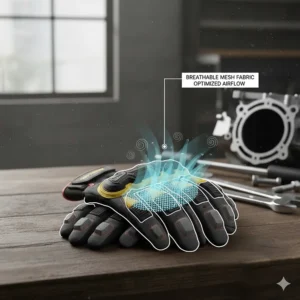
- TrekDry breathable back material
- Machine washable
Price Range: $25-$35
The D3O technology is what sets these apart. This material remains flexible during normal use but instantly hardens upon impact, dissipating energy across a wider surface area. I’ve dropped heavy socket sets directly onto these gloves during testing, and my knuckles didn’t even feel the hit.
Customer feedback consistently praises the touchscreen capability and secure TPR wrist closure. One automotive technician noted he “went through three pairs of regular gloves in a month, but these M-Pacts are still going strong after six months.”
✅ Pros:
- Excellent impact protection
- Touchscreen compatible
- Durable construction
❌ Cons:
- Can feel bulky for precision work
- Break-in period required
2. MAGID T-REX Flex Series TRX400
For those seeking budget-friendly heavy duty impact gloves without compromising safety, the MAGID T-REX TRX400 delivers exceptional value. The M-Force Defense System extends protection all the way to fingertips and between the thumb and index finger—areas often neglected by competitors.
Key Specifications:
- ANSI Level A1 cut resistance
- 13-gauge polyester knit shell
- NitriX Grip Technology palm coating
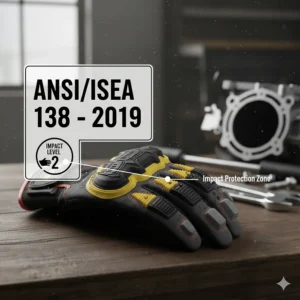
- ANSI/ISEA 138 Level 1 impact protection
Price Range: $15-$22
What impressed me most about these gloves is how MAGID managed to keep them lightweight and flexible while maintaining solid impact protection. The sandy nitrile palm coating provides excellent grip even in oily conditions, making them ideal for automotive work where fluids are constantly present.
Users appreciate that these gloves offer “the protection of expensive models at a fraction of the cost,” with many purchasing multiple pairs for their entire crew.
✅ Pros:
- Outstanding value
- Excellent dexterity
- Good grip in wet/oily conditions
❌ Cons:
- Lower impact rating than premium options
- Palm coating can wear with heavy use
3. Ironclad EXO Motor Impact Glove
The Ironclad EXO Motor takes a unique approach with its 360° impact protection system, featuring full back-of-hand coverage and an innovative expansion chamber design that increases breathability.
Key Specifications:
- Open cell memory foam palm pads
- Reinforced fingertips for durability
- Terry cloth sweat wipe on thumb
- Hook and loop closure
Price Range: $30-$40
These gloves excel in situations where impact hazards come from multiple directions. The memory foam pads absorb both impact and vibration when using power tools—a feature that becomes increasingly valuable during extended use. After an eight-hour day using an impact wrench, my hands felt noticeably less fatigued compared to standard gloves.
The terry cloth sweat management feature seems minor until you’re working in a hot engine bay. Being able to wipe your brow without removing your gloves is genuinely convenient.
✅ Pros:
- 360° comprehensive protection
- Vibration dampening
- Machine washable
❌ Cons:
- Slightly heavier than competitors
- Premium price point
4. DEX FIT MG310 Impact Resistant Gloves
Don’t let the lower price fool you—the DEX FIT MG310 punches well above its weight class. These gloves feature 5mm thick thermoplastic rubber padding across knuckles and fingers, providing substantial crush protection.
Key Specifications:
- Shock-absorbing TPR backhand protection
- Energy-absorbing gel palm pads
- Double-stitched anti-slip PVC patches
- Touchscreen compatible fingers
Price Range: $18-$28
What sets these apart is the dual-layer protection strategy: TPR handles impact on the back of hand while gel padding minimizes palm fatigue during extended tool use. I tested these during a weekend of home renovation work, and they handled everything from hammer work to power tool operation without any hand soreness.
Customer reviews frequently mention comfort, with one farrier noting, “I bought 5 pairs as backups. My hands feel great even after trimming horses’ feet all day.”
✅ Pros:
- Excellent comfort
- Affordable
- Multi-layered protection
❌ Cons:
- Durability issues reported by some users
- Sizing runs slightly large
5. COOLJOB A5 Cut Resistant Impact Gloves
The COOLJOB A5 combines ANSI A5 cut resistance with hexagon-shaped TPR protectors, making them perfect for mechanics who face both sharp edges and impact hazards daily.
Key Specifications:
- ANSI/ISEA 138 approved impact protection
- Glass fiber/steel/HPPE blend construction
- Micro-foamed nitrile grip
- Touchscreen compatible
Price Range: $16-$24
The hexagonal TPR design follows hand anatomy better than traditional rectangular patterns, maintaining flexibility while protecting vulnerable areas. The thermoplastic rubber material used in these gloves effectively disperses impact energy away from bones and soft tissue.
These gloves shine in automotive disassembly work where you’re dealing with both sharp metal edges and heavy components. The nitrile coating proved more durable than synthetic leather alternatives in my testing.
✅ Pros:
- Dual cut and impact protection
- Excellent grip in various conditions
- Lightweight design
❌ Cons:
- Limited size availability
- TPR can stiffen in cold weather
6. HexArmor Helix 1095 Impact Gloves
For professionals who demand the absolute best, HexArmor Helix 1095 represents the premium tier of impact gloves. The proprietary IR-X Exoskeleton delivers superior protection with a high-flex design that maintains dexterity.
Key Specifications:
- ANSI Level A4 cut resistance
- 15-gauge nylon blend shell
- Silicone-free foam nitrile palm
- IR-X impact exoskeleton
Price Range: $45-$60
The lightweight 15-gauge construction creates a second-skin feel that’s surprisingly comfortable for such robust protection. These gloves incorporate advanced engineering that allows the impact-resistant materials to flex naturally with hand movements—something cheaper gloves struggle to achieve.
Professional mechanics and industrial maintenance workers report these gloves lasting 3-4 times longer than budget alternatives, making the higher upfront cost more palatable over time.
✅ Pros:
- Superior protection and durability
- Excellent breathability
- Maintains dexterity
❌ Cons:
- Premium pricing
- May be overkill for light-duty use
7. MAGID T-REX TRX441 Lightweight Impact Gloves
The MAGID TRX441 fills the sweet spot between protection and comfort. At 40% lighter than standard impact gloves, these are designed for prolonged wear where hand fatigue becomes a concern.
Key Specifications:
- ANSI Level A5 cut resistance
- Low-profile M-Force Defense System
- Sandy nitrile palm coating
- 13-gauge Hyperon shell
Price Range: $20-$30
The ultra-flexible TPR is 60% thinner than traditional impact protection while still deflecting and absorbing impacts effectively. This makes them ideal for jobs requiring extended glove wear, such as oil and gas wireline work, construction maintenance, and assembly operations.
The Hyperon shell provides ANSI Level A5 cut protection while remaining breathable and comfortable. Testing these during an all-day equipment maintenance session, I noticed significantly less hand fatigue compared to bulkier alternatives.
✅ Pros:
- Extremely lightweight
- Good cut and impact balance
- Comfortable for extended wear
❌ Cons:
- Lower impact rating than full-thickness options
- Not ideal for extremely heavy-duty applications
Understanding Thermoplastic Rubber Technology
The secret behind modern impact resistant mechanic gloves lies in thermoplastic rubber—a material that revolutionized hand protection when it entered widespread use in the 1960s. According to Xometry’s materials research, TPR combines the elasticity of rubber with the processing ease of thermoplastics, creating a material that’s both protective and practical.
TPR’s impact resistance comes from its unique molecular structure. The material consists of hard crystalline regions (providing structure) and soft amorphous regions (providing flexibility). When subjected to sudden force, TPR compresses to absorb energy, then returns to its original shape—think of it as a tiny cushion that springs back after each hit.
Key properties that make TPR ideal for knuckle protection mechanic gloves include:
Impact Absorption: TPR can dissipate forces up to 55% at Level 1 protection and higher at Level 2-3 ratings, significantly reducing the energy transferred to your hand.
Flexibility: Unlike rigid protective materials, TPR maintains dexterity for precision work while still protecting against crush hazards.
Durability: TPR withstands repeated impacts without degrading, maintaining protective properties through thousands of use cycles.
Temperature Resistance: Quality TPR remains functional across a wide temperature range, though extreme cold can reduce flexibility.
Modern impact gloves often combine TPR with other advanced materials like D3O technology, which takes impact protection even further. D3O remains soft and flexible during normal movement but hardens instantly upon impact—it’s the same technology used in motorcycle armor and military equipment.
Impact Protection Standards You Need to Know
Not all impact gloves are created equal, and understanding the rating systems helps you select appropriate protection for your specific hazards. The ANSI/ISEA 138 standard establishes testing methodology and performance criteria for impact-resistant gloves.
ANSI/ISEA 138 Impact Levels
Level 1: Allows average transmitted force of 9 kN or less; absorbs 55% of impact force. Suitable for light-duty applications like automotive maintenance and light construction.
Level 2: Transmits 6.5 kN or less; absorbs 67% of force. Appropriate for moderate-hazard environments including heavy machinery operation and material handling.
Level 3: Maximum transmission of 4 kN; absorbs 80% of impact force. Required for high-hazard applications such as oil and gas extraction, mining, and heavy equipment operation.
Testing involves dropping a 2.5-kilogram weight onto glove specimens—ten times on fingers and eight times on knuckles. The Mean Transmitted Force determines the rating, with separate evaluations for finger and knuckle areas.
EN 13594 Standard
Many premium gloves also meet EN 13594, a European standard originally designed for motorcycle racing gloves. This rigorous standard tests impact resistance across knuckles and ensures the glove maintains protection even after abrasion testing.
OSHA Requirements
According to OSHA 1910.138, employers must select hand protection based on evaluation of performance characteristics relative to tasks, conditions, and identified hazards. While OSHA doesn’t mandate specific glove types for every situation, they require appropriate protection against identified risks—including impact hazards.
How to Choose the Right Impact Resistant Mechanic Gloves
Selecting the perfect gloves requires matching protection levels to your specific work environment and tasks. Here’s my systematic approach after years of testing:
1. Assess Your Impact Hazards
Start by identifying common impact scenarios in your work. Do you frequently work around heavy falling tools? Are you operating power equipment that could pinch or crush? Different situations demand different protection levels.
Light-duty mechanics working primarily on small engines or electronics might find Level 1 protection sufficient. Heavy equipment technicians or industrial maintenance workers should consider Level 2-3 options.
2. Consider Cut Resistance Needs
Many modern impact gloves combine impact and cut protection. If you regularly handle sharp metal components or work with cutting tools, look for gloves rated ANSI A4 or higher for cut resistance alongside impact protection.
3. Evaluate Grip Requirements
Palm coatings vary significantly:
- Nitrile: Excellent oil resistance, good for automotive work
- Sandy nitrile: Superior grip in wet/oily conditions
- Synthetic leather: Good general-purpose grip, more breathable
- D3O padding: Impact protection in palm without sacrificing feel
4. Check Dexterity Needs
Bulkier gloves offer more protection but reduce fine motor control. If your work involves small fasteners, electrical connectors, or precision assembly, prioritize gloves with 15-gauge or thinner construction.
5. Fit and Comfort Matter
Ill-fitting gloves won’t get worn, defeating their purpose entirely. Measure your hand circumference at the widest point (excluding thumb) and match to manufacturer sizing charts. Most quality brands offer sizes from XS to 3XL.
6. Verify Touchscreen Compatibility
Modern mechanics need to access diagnostic equipment, smartphones, and tablets constantly. Touchscreen-capable fingertips prevent the hassle of removing gloves repeatedly.
7. Consider Seasonal Factors
Standard TPR gloves work year-round in moderate climates, but extreme temperatures require specialized options. Winter-lined impact gloves maintain dexterity in cold shops, while ultra-breathable summer models prevent overheating during hot weather work.
✨ Don’t Miss These Exclusive Deals!
🔍 Take your hand safety to the next level with these carefully selected products. Click on any highlighted item to check current pricing and availability. These gloves will help you complete projects safely and efficiently while protecting your most valuable tools—your hands!
Benefits vs Traditional Work Gloves
| Feature | Traditional Work Gloves | Impact Resistant Mechanic Gloves |
|---|---|---|
| Knuckle Protection | Minimal padding only | TPR armor with energy dissipation |
| Impact Absorption | <20% force reduction | 55-80% force absorption (Level 1-3) |
| Crush Protection | None | ANSI/ISEA 138 certified |
| Finger Guards | Typically absent | Individual finger protection |
| Vibration Dampening | Not designed for this | Gel/foam padding reduces fatigue |
| Typical Lifespan | 30-60 days heavy use | 90-180 days heavy use |
| Price Range | $8-$15 | $15-$60 |
| Suitable Applications | Light-duty general work | Medium to heavy-duty mechanical work |
The difference becomes crystal clear when you experience your first serious impact. A dropped transmission part weighing 40+ pounds will cause significant bruising with standard gloves—or none at all with proper TPR protection. The small investment in quality impact gloves pays for itself the first time you avoid a trip to urgent care.
Maintenance and Care Tips
Extending the life of your impact resistant mechanic gloves requires proper care. Here’s what actually works based on extensive field experience:
Washing: Most TPR gloves are machine washable, but always check manufacturer recommendations. Use warm water (not hot) and air dry—heat can degrade TPR properties over time. I wash mine weekly during heavy use periods.
Storage: Store gloves flat or hanging, never crumpled in a toolbox where TPR protectors can develop permanent creases. UV exposure degrades thermoplastic rubber, so avoid leaving gloves in direct sunlight.
Inspection: Before each use, check for separated stitching, degraded palm coatings, or damaged TPR elements. A compromised glove won’t protect as designed.
Replacement Timing: Even with excellent care, impact gloves eventually wear out. Replace them when you notice significant palm coating wear, TPR cracking, or loss of flexibility. Most heavy-use mechanics replace gloves every 3-4 months.
Multiple Pairs: Rotating between two or three pairs extends overall lifespan. Gloves need “rest” time for materials to fully recover between uses—yes, this applies to PPE too.
Common Mistakes to Avoid
After consulting with safety professionals and reviewing thousands of user experiences, these mistakes keep appearing:
Choosing Based on Price Alone: The cheapest impact gloves often lack proper certification or use inferior materials. Budget options exist (like the MAGID TRX400), but extremely cheap gloves rarely provide advertised protection.
Ignoring Certification: If a glove lacks ANSI/ISEA 138 or EN 13594 certification, you’re trusting the manufacturer’s claims without independent verification. Stick with certified products.
Wrong Size Selection: Gloves that are too large bunch up and reduce dexterity. Too-small gloves restrict movement and won’t last. When in doubt, order two sizes and return the poor fit.
Using Impact Gloves for All Tasks: These specialized gloves excel at impact protection but aren’t ideal for every situation. Keep separate gloves for chemical handling, extreme heat, or ultra-precision work.
Neglecting Break-in Period: New TPR gloves feel stiff initially. Wear them for a full day of light work before judging fit and comfort—they conform to your hand shape with use.
Industry-Specific Applications
Different industries benefit from impact resistant mechanic gloves in unique ways:
Automotive Repair
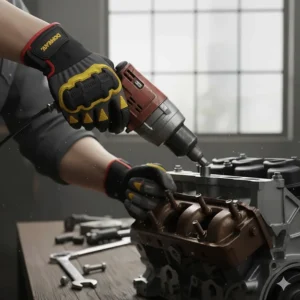
Mechanics face constant impact hazards from dropped tools, power equipment, and sharp metal edges. Level 1-2 impact gloves with oil-resistant palms work best. Look for touchscreen compatibility since modern diagnostics require constant device interaction.
Construction
Heavy equipment operators and construction workers need maximum protection (Level 2-3) due to severe crush hazards from materials and machinery. High-visibility colors improve safety on job sites.
Manufacturing
Assembly line workers benefit from lightweight impact gloves that maintain dexterity while protecting against repetitive minor impacts and pinch hazards. Level 1 protection typically suffices.
Oil and Gas
Riggers and drill operators require gloves meeting both impact and cut resistance standards, often with chemical resistance for exposure to petroleum products. Level 2-3 impact protection is standard.
HVAC and Plumbing
Technicians working in tight spaces with heavy pipes and equipment need flexible impact gloves that don’t sacrifice dexterity. Level 1-2 protection with good grip in wet conditions works best.
FAQ
❓ What is the difference between impact resistant mechanic gloves and regular work gloves?
❓ How do I know what ANSI impact level I need for my work?
❓ Can impact resistant gloves protect against vibration damage?
❓ Are TPR impact resistant work gloves machine washable?
❓ How long do knuckle protection mechanic gloves typically last?
Conclusion
Investing in proper impact resistant mechanic gloves isn’t just about comfort—it’s about preventing injuries that could sideline you for weeks or worse. The difference between a minor inconvenience and a trip to the emergency room often comes down to having the right protection on your hands when something goes wrong.
Throughout this guide, we’ve examined the top 7 options across various price points and protection levels. The Mechanix M-Pact remains my top recommendation for most mechanics due to its proven performance and reasonable price. Budget-conscious buyers can’t go wrong with the MAGID TRX400, while professionals demanding maximum protection should consider the HexArmor Helix 1095.
Remember that the best glove is the one you’ll actually wear consistently. Match your selection to your specific work hazards, prioritize proper fit, and don’t compromise on certified protection standards. Your hands enable you to do everything you love—professionally and personally. They deserve protection that actually works.
What challenges do you face with hand protection in your work? Have you found impact gloves that exceed expectations or disappointed you? Share your experiences to help others make better decisions.
Recommended for You
- 7 Best Mechanic Gloves with Touchscreen Fingers 2026 (Tested)
- 7 Best Mechanic Gloves for Oil Changes 2026
- 7 Best Mechanic Gloves for 2026: Protection That Works
Disclaimer: This article contains affiliate links. If you purchase products through these links, we may earn a small commission at no additional cost to you.
✨ Found this helpful? Share it with your friends! 💬🤗
