
In This Article
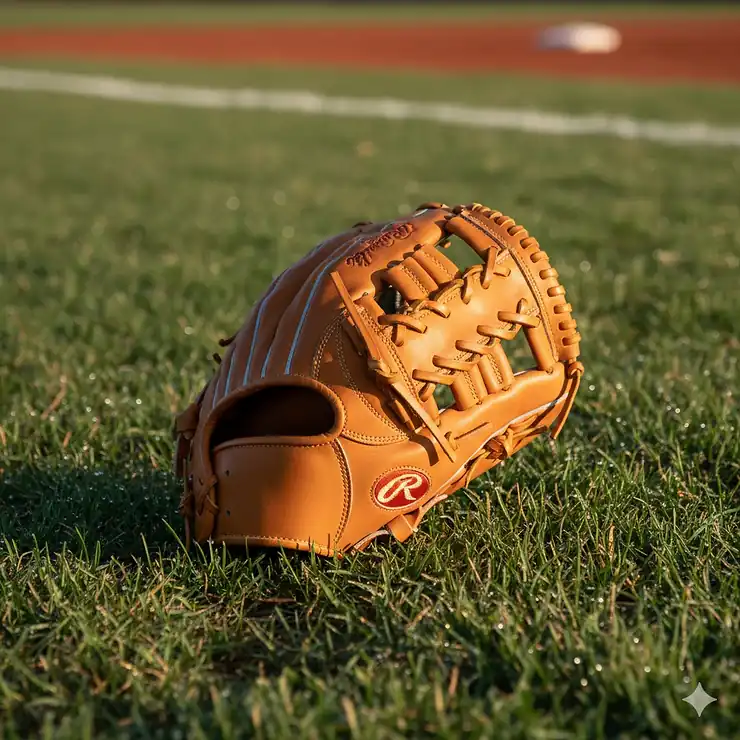
Standing in center field with the sun beating down, you watch the batter make solid contact. The ball rockets toward the gap, and in that split second, you need a glove that won’t let you down. I’ve been there countless times, and I can tell you – choosing the right softball outfield glove isn’t just about grabbing the biggest mitt you can find.

A quality softball outfield glove is your defensive partner, the tool that transforms routine fly balls into highlight-reel catches. Unlike infield gloves designed for quick transfers, outfield gloves need deeper pockets and longer reach to secure those game-changing plays. Whether you’re diving for line drives or tracking down balls in the gap, the right glove makes all the difference between a stellar catch and a devastating miss.
In this comprehensive guide, I’ll walk you through the top 7 softball outfield glove options for 2025, breaking down everything from premium leather construction to budget-friendly alternatives that won’t sacrifice performance. You’ll discover what separates a good glove from a great one, learn the ideal sizing for your position, and find expert tips that’ll help you make an informed decision.
Quick Comparison Table
| Glove Model | Size | Price Range | Best For | Rating |
|---|---|---|---|---|
| Wilson A2000 V125 | 12.5″ | $299-$349 | Advanced players | ⭐⭐⭐⭐⭐ |
| Mizuno Prime Elite GPE1300F1 | 13″ | $189-$199 | Serious competitors | ⭐⭐⭐⭐⭐ |
| Rawlings R9 Series R9SB125 | 12.5″ | $139 | Mid-range value | ⭐⭐⭐⭐½ |
| Easton Ghost NX GNXFP125 | 12.5″ | $249-$279 | Elite performance | ⭐⭐⭐⭐⭐ |
| Wilson A1000 T125 | 12.5″ | $139-$199 | Travel ball players | ⭐⭐⭐⭐ |
| Franklin Field Master | 12-12.5″ | $39-$59 | Budget-conscious | ⭐⭐⭐½ |
| Rawlings R9 Series 13″ | 13″ | $139 | Maximum reach | ⭐⭐⭐⭐½ |
💬 Just one click – help others make better buying decisions too! 😊
Top 7 Softball Outfield Glove Options: Expert Analysis
1. Wilson A2000 V125 SuperSkin Fastpitch Glove
The Wilson A2000 V125 stands as the gold standard for serious fastpitch outfielders in 2025. This 12.5-inch masterpiece combines Pro Stock leather with Wilson’s innovative SuperSkin technology on the back, reducing weight by half while doubling durability. The Victory Web design provides excellent visibility while securing fly balls, and the Spin Control Technology creates a dimpled pattern in the palm that increases friction for faster transfers.
Key Specifications: Pro Stock leather construction, SuperSkin back panel, Dual Welting for shape retention, DriLex wrist lining, 12.5″ pattern
Price Range: $299-$349
Customer Feedback: Players rave about the game-ready feel straight out of the box. Many collegiate athletes mention how the reduced weight allows them to cover more ground without fatigue, while the deep pocket securely holds onto line drives even during diving catches.
✅ Pros:
- Premium leather offers exceptional feel and durability
- SuperSkin technology reduces glove weight significantly
- Spin Control improves ball grip and transfer speed
❌ Cons:
- Higher price point may not fit all budgets
- Requires minimal break-in but still needs proper conditioning
2. Mizuno Prime Elite GPE1300F1 13-Inch Outfield Glove
The Mizuno Prime Elite delivers professional-grade performance with its Oil Soft Plus leather that balances oil content and softness perfectly. At 13 inches, this glove provides maximum reach for gap coverage. The Finger Core Technology revolutionizes comfort by reshaping finger stalls, improving flexibility when making tough plays. The perforated thumb and pinky panels reduce weight while increasing breathability during hot games.
Key Specifications: Oil Soft Plus leather, Finger Core Technology, UltraSoft Pro Palm Liner, perforated panels, 13″ white/grey design
Price Range: $189-$199
Customer Feedback: Outfielders love the extended reach this glove provides. Several reviews highlight how the Finger Core Technology accommodates players who prefer shifting their ring finger to the pinky slot, creating a customized fit that enhances control.
✅ Pros:
- Exceptional reach for tracking down deep fly balls
- Soft, premium leather with outstanding feel
- Lightweight design despite larger size
❌ Cons:
- May feel too large for players with smaller hands
- White leather requires more frequent cleaning
3. Rawlings R9 Series R9SB125-18B Fastpitch Glove
The Rawlings R9 Series offers unbeatable value for travel ball and high school players. This 12.5-inch glove features full-grain leather with leather-cushioned palm padding that reduces sting on hard-hit balls. The Modified Trap-Eze Web creates a deep pocket perfect for securing fly balls, while the full-strap closure system ensures an improved fit. The quick break-in process gets you game-ready faster than premium alternatives.
Key Specifications: Full-grain leather, Modified Trap-Eze Web, leather palm padding, full-strap closure, 12.5″ pattern
Price Range: $139
Customer Feedback: Players consistently praise this glove’s value proposition. High school athletes mention the quick break-in period and game-ready feel, noting that it performs comparably to gloves costing twice as much. The black with rose gold accents receives particular attention for style.
✅ Pros:
- Excellent quality at mid-range price point
- Quick and easy break-in process
- Durable construction stands up to heavy use
❌ Cons:
- Leather quality slightly below premium models
- May show wear faster than high-end options
4. Easton Ghost NX GNXFP125 Fastpitch Glove
The Easton Ghost NX represents elite fastpitch engineering with Game Ready Diamond Pro Steer leather that feels soft immediately. The Flex Notch Closure System makes squeezing the glove effortless, while the Quantum Closure System provides an adjustable open back for secure fit. The Ax Suede microfiber lining delivers unmatched comfort and durability. At 12.5 inches with a Woven Web design, this glove conceals pitch grips for pitchers while extending the pocket for outfield plays.
Key Specifications: Diamond Pro Steer leather, Flex Notch Closure, Quantum Closure System, Ax Suede lining, Woven Web, 12.5″ pattern
Price Range: $249-$279
Customer Feedback: Athletes appreciate the versatility this glove offers for both pitcher and outfield positions. The white-and-blue colorway with silver metallic laces turns heads, while the game-ready leather eliminates lengthy break-in frustration.
✅ Pros:
- Versatile design works for multiple positions
- Comfortable right out of the package
- Professional-grade aesthetics and construction
❌ Cons:
- Premium pricing limits accessibility
- Open back design may not suit all preferences
5. Wilson A1000 T125 Fastpitch Softball Glove
The Wilson A1000 T125 brings A2000 quality to a more accessible price point. This 12.5-inch glove features full-grain leather construction with Dual Welting for improved support and shape retention. The Pro-Laced T-Web helps secure fly balls and line drives effectively. Designed specifically for female athletes, it offers a narrower wrist opening and shorter finger stalls for optimal fit. The DriLex wrist lining keeps hands dry during intense games.
Key Specifications: Full-grain leather, Pro-Laced T-Web, Dual Welting, DriLex wrist lining, female-specific fit, 12.5″ pattern
Price Range: $139-$199
Customer Feedback: Travel ball players consistently rate this glove highly for its balance of quality and affordability. Many reviews mention how the female-specific design provides superior fit compared to unisex models, improving confidence and performance.
✅ Pros:
- A2000 quality at lower price point
- Excellent fit for female athletes
- Game-ready feel from day one
❌ Cons:
- Break-in period longer than premium models
- Durability good but not exceptional
6. Franklin Field Master Fastpitch Glove
The Franklin Field Master delivers budget-friendly performance without major compromises. Constructed from durable synthetic leather, this 12-inch glove features a pre-formed pocket that breaks in quickly and easily. The adjustable wrist strap allows customized fit, while the narrower opening provides premium performance for softball players. The synthetic material mimics real leather performance while eliminating long break-in periods.
Key Specifications: Synthetic leather, pre-formed pocket, adjustable wrist strap, fastpitch-specific fit, 12″ pattern
Price Range: $39-$59
Customer Feedback: Recreational league players and beginners praise this glove’s affordability and immediate usability. Parents appreciate that young players can start using it right away without expensive conditioning treatments. Several reviews note it’s perfect for players still determining their position.
✅ Pros:
- Budget-friendly price point
- Instant game readiness
- Low maintenance requirements
❌ Cons:
- Synthetic leather lacks premium feel
- Durability limited compared to real leather
- May need replacement within 1-2 seasons
7. Rawlings R9 Series 13-Inch Outfield Fastpitch Glove
The larger Rawlings R9 13-inch model provides maximum reach for center fielders covering vast territory. Like its 12.5-inch sibling, it features quality full-grain leather with leather-cushioned palm padding. The Modified Trap-Eze Web creates an extra-deep pocket that securely holds softballs during aggressive plays. The full-strap closure and quick break-in make this an excellent choice for players prioritizing reach.
Key Specifications: Full-grain leather, Modified Trap-Eze Web, leather palm padding, full-strap closure, 13″ pattern
Price Range: $139
Customer Feedback: Center fielders especially appreciate the added inch of reach when tracking down balls in the gap. Multiple reviews emphasize how the deep pocket prevents balls from popping out during diving catches, while the value pricing makes it accessible for most budgets.
✅ Pros:
- Maximum reach for deep fly balls
- Excellent value for size and quality
- Secure deep pocket design
❌ Cons:
- May feel oversized for some players
- Requires strong hand to close effectively
✨ Don’t Miss These Exclusive Deals!
🔍 Take your softball outfield glove game to the next level with these carefully selected products. Click on any highlighted item to check current pricing and availability. These gloves will help you create authentic defensive plays your team will celebrate!
Understanding Softball Outfield Glove Fundamentals
What Makes an Outfield Glove Different?
A softball outfield glove distinguishes itself through several critical design elements tailored specifically for defensive players roaming the grass. First and foremost, size matters significantly—outfield gloves typically measure between 12.5 and 13 inches, providing the extended reach necessary for tracking down fly balls in the gaps.
The pocket depth represents another crucial difference. Outfield gloves feature deeper pockets compared to infield models, creating a secure catching area that prevents balls from popping out during diving plays or awkward catches. This design philosophy recognizes that outfielders prioritize ball security over quick transfers, unlike infielders who need shallow pockets for rapid throws.
Web design varies based on player preference, but most outfield gloves utilize H-Web, Modified Trapeze, or Basket Web patterns that balance visibility with ball retention. Open webs allow players to track the ball against bright skies, while closed webs create maximum pocket depth for securing catches.
Sizing Guidelines for Different Ages
Selecting the appropriate glove size directly impacts performance and comfort. According to sizing experts at JustGloves, fastpitch softball outfield gloves should follow these age-based recommendations:
Youth Players (Under 12 years): 11.5-12 inches
- Smaller hands require proportionate gloves
- Focus on manageable weight and proper fit
- Building fundamental catching mechanics
Middle School (12-14 years): 12-12.5 inches
- Transitioning to adult-sized equipment
- Developing position-specific preferences
- Balancing reach with control
High School & Beyond (15+ years): 12.5-13 inches
- Adult sizing for competitive play
- Position specialization becomes critical
- Performance and durability priorities
Remember that individual hand size and playing style should influence final decisions. A player with smaller hands might prefer staying at the lower end of their age range, while center fielders often opt for maximum reach at 13 inches.
Key Materials and Construction
Premium Leather Options
Top-tier softball outfield gloves employ various premium leathers, each offering distinct advantages. Pro Stock leather, used in Wilson’s A2000 line, provides exceptional durability and develops a rich patina over time. This leather requires minimal break-in while maintaining shape through countless games.
Oil Soft Plus leather, featured in Mizuno’s Prime Elite series, balances oil content with softness for outstanding feel and control. The carefully calibrated oil levels prevent the leather from becoming too stiff or overly soft, maintaining optimal performance characteristics throughout the glove’s lifespan.
Full-grain leather, standard in mid-range options like the Rawlings R9 series, offers excellent value with solid durability. While not quite reaching premium leather’s refinement, full-grain construction delivers reliable performance for high school and travel ball players without breaking the budget.
Synthetic Alternatives
Synthetic leather materials, found in budget-friendly options like the Franklin Field Master, provide immediate usability and weather resistance. These materials eliminate break-in requirements and maintain consistent performance in various conditions. However, they sacrifice the premium feel and long-term durability that genuine leather provides. Synthetic gloves work excellently for recreational players, beginners, or as backup options.
Critical Features to Consider
Web Style Selection
The web design significantly influences both aesthetics and functionality. H-Web patterns, also called dual post webs, offer sturdy yet flexible construction while providing visibility through the glove. This design works exceptionally well for outfielders who need to track balls against bright backgrounds.
Modified Trapeze webs create deeper pockets by partially closing the area between thumb and fingers. This design excels at securing fly balls during dynamic plays, making it popular among center fielders covering substantial territory.
Basket webs and fully closed designs maximize pocket depth while concealing the ball. Though traditionally associated with pitchers, many outfielders prefer these patterns for the secure feel they provide during aggressive diving catches.
Pocket Depth and Design
Pocket architecture determines how securely a glove holds softballs during various catching scenarios. Deep pockets allow the ball to sink into the glove’s palm area, creating natural grip that prevents popping out during jarring movements. This design proves invaluable when making catches while running at full speed or landing after dives.
The pocket’s break-in pattern also matters tremendously. Quality gloves develop natural hinges at strategic points, allowing smooth closure around the ball. Premium models achieve this through intentional stitching patterns and leather grain orientation, while budget options may require manual conditioning to establish proper hinge points.
Wrist Closure Systems
Modern gloves offer various wrist adjustment mechanisms. Traditional lace-up closures provide maximum customization but require regular adjustments. Velcro systems deliver convenience and quick adjustments between innings. Full-strap designs, like those in the Rawlings R9 series, distribute pressure evenly across the wrist for secure, comfortable fit.
Advanced systems like Easton’s Quantum Closure combine adjustable back designs with strategic padding, allowing players to fine-tune fit precisely. This attention to wrist closure often separates good gloves from exceptional ones, as proper fit directly impacts catching confidence and control.
How to Choose Your Perfect Softball Outfield Glove
1. Identify Your Primary Position
Center fielders covering the most ground typically benefit from 13-inch gloves that maximize reach. Corner outfielders (left and right field) often prefer 12.5-inch models that balance reach with manageability. Players rotating between outfield and infield might choose versatile 12-inch utility gloves.
2. Assess Your Skill Level
Beginners should prioritize gloves with pre-formed pockets and forgiving designs like the Franklin Field Master. Intermediate players benefit from quality mid-range options such as the Rawlings R9 or Wilson A1000 that offer room for growth. Advanced competitors require premium models like the Wilson A2000 or Mizuno Prime Elite that complement refined techniques.
3. Determine Your Budget
Budget allocation significantly impacts options. Entry-level gloves ($30-$70) work for recreational play and beginners. Mid-range options ($100-$180) deliver excellent value for competitive players. Premium gloves ($200-$400) provide top-tier materials and construction for serious athletes seeking every advantage.
4. Consider Leather Type Preferences
Natural leather enthusiasts should focus on full-grain or premium options despite longer break-in periods. Players prioritizing immediate use might prefer synthetic materials or game-ready leather treatments. Those in wet climates may appreciate leather’s superior performance compared to moisture-affected synthetics.
5. Test Fit and Feel
Whenever possible, try gloves before purchasing. Your hand should reach comfortably into finger stalls without forcing. The wrist should feel secure without restricting movement. Close the glove multiple times to assess how naturally it hinges. Premium gloves often feel stiff initially but demonstrate quality through consistent closure patterns.
6. Evaluate Break-In Requirements
Consider your timeline and patience for break-in. Premium leather gloves require conditioning but reward with superior long-term performance. Game-ready options eliminate waiting but may sacrifice ultimate feel. Synthetic gloves need no break-in but lack leather’s nuanced characteristics.
7. Research Brand Reputation
Established brands like Wilson, Rawlings, and Mizuno provide proven quality and customer support. Newer brands may offer innovation but carry unknown longevity. Reading customer reviews from players at your level provides valuable real-world insights beyond marketing claims.
Comparison: Softball vs Baseball Outfield Gloves
| Feature | Softball Outfield Glove | Baseball Outfield Glove |
|---|---|---|
| Size Range | 12-13 inches | 12.5-12.75 inches |
| Pocket Depth | Deeper (larger ball) | Moderate |
| Wrist Opening | Narrower (female fit) | Standard width |
| Finger Stalls | Shorter, tighter | Standard length |
| Weight | Typically lighter | Varies widely |
| Web Style | Closed webs common | Open webs popular |
Understanding these differences helps players select sport-appropriate equipment. Fastpitch softball gloves accommodate the larger ball size (12 inches vs. 9 inches) through modified pocket architecture and sizing. Many manufacturers design softball-specific patterns with narrower wrist openings for female athletes, though unisex models exist.
Price Range Comparison
| Price Tier | Range | Quality Level | Best For |
|---|---|---|---|
| Budget | $30-$70 | Synthetic/Entry leather | Beginners, recreational |
| Mid-Range | $100-$180 | Quality full-grain leather | High school, travel ball |
| Premium | $200-$350 | Pro-grade leather | College, elite travel |
| Custom | $350-$500+ | Personalized premium | Professional, serious collectors |
Budget allocation should reflect playing frequency and skill development. Investing in mid-range or premium gloves makes sense for players committed to competitive softball, as better construction directly enhances performance and lasts multiple seasons. Recreational players find excellent value in budget-friendly options that deliver adequate performance without premium pricing.
Breaking In Your New Glove
Traditional Leather Conditioning Method
Apply quality glove oil sparingly to leather surfaces, focusing on stiff areas while avoiding over-saturation. Work the glove by repeatedly opening and closing it, placing a softball in the pocket overnight with the glove wrapped in a towel. This gradual process takes 1-2 weeks but develops ideal pocket shape and hinge points naturally.
Accelerated Break-In Techniques
For faster results, warm the leather slightly (never use direct heat), apply conditioning oil, then play catch intensively. Some players use glove mallets to soften the pocket more quickly. Professional break-in services, offered by retailers like JustGloves, combine expert conditioning with mechanical processes for immediate usability.
Maintenance Best Practices
Clean dirt and debris after each use with a soft brush. Reapply leather conditioner monthly during active seasons. Store gloves with a ball in the pocket to maintain shape. Avoid extreme temperatures and moisture exposure. Replace laces when worn to prevent structural degradation. Proper maintenance extends glove life from 2-3 seasons to 5+ years.
Common Mistakes to Avoid
Sizing Errors
Choosing oversized gloves hampers control and closure speed. Undersized gloves limit reach and pocket capacity. Test closure with one hand—if you can’t close the glove effectively, it’s too large. If fingers don’t reach stalls comfortably, it’s too small.
Rushing Break-In
Over-oiling leather causes premature breakdown. Excessive bending creates irregular hinge points. Microwave heating (never recommended) damages leather fibers irreversibly. Patient conditioning yields better long-term results than rushed methods attempting instant game-readiness.
Neglecting Maintenance
Skipping regular cleaning allows dirt to dry leather prematurely. Ignoring worn laces compromises structural integrity. Storing wet gloves promotes mold and leather degradation. Simple maintenance routines prevent expensive replacements and maintain optimal performance.
Ignoring Position-Specific Design
Using infield gloves in outfield positions sacrifices reach and pocket depth. Oversized gloves on infielders slow transfer speed. Position-appropriate equipment maximizes defensive capabilities through intentional design elements matched to playing requirements.
Advanced Performance Tips
Optimizing Glove Positioning
Position your glove slightly to your throwing-hand side to facilitate faster transfers. Keep the glove open and visible in your peripheral vision while tracking fly balls. Practice the two-hand catch technique for routine plays while reserving one-hand catches for diving or stretching situations.
Reading Ball Flight
Develop skills reading ball trajectory immediately off the bat by watching the hitter’s contact point. Use the glove to shield sun when necessary, positioning it to maintain ball visibility while protecting eyes. Practice tracking balls through various backgrounds to build adaptability.
Maximizing Glove Life
Rotate between multiple gloves during intensive training to reduce wear. Use practice gloves for drills and conditioning work while preserving game gloves for competition. Apply weatherproofing treatments before rainy conditions. Replace gloves showing significant pocket collapse or structural failure rather than forcing extended use.
Frequently Asked Questions
❓ What size softball outfield glove do I need for high school play?
❓ How long does it take to break in a leather softball outfield glove?
❓ Can I use a baseball glove for fastpitch softball?
❓ What's the difference between open and closed web designs for outfielders?
❓ How often should I condition my leather softball outfield glove?
Conclusion: Making Your Final Decision
Choosing the perfect softball outfield glove requires balancing multiple factors—size, materials, budget, and personal preferences all play crucial roles in selecting equipment that enhances your defensive capabilities. The seven gloves reviewed here represent the best options across all price points and skill levels for 2025.
For players prioritizing elite performance and willing to invest accordingly, the Wilson A2000 V125 and Mizuno Prime Elite GPE1300F1 deliver professional-grade quality that elevates defensive play. Mid-range options like the Rawlings R9 Series and Wilson A1000 provide exceptional value, offering quality construction without premium pricing. Budget-conscious players and beginners find reliable performance in the Franklin Field Master series.
Remember that even the best glove requires proper break-in, regular maintenance, and skilled use to perform optimally. Take time to condition your glove properly, practice with it regularly, and develop the skills that transform quality equipment into game-changing defensive plays.
Your glove becomes an extension of your hand, a trusted partner in every catch, every play, every game. Choose wisely, treat it well, and it’ll help you make memories that last long after your playing days end. Whether you’re tracking down fly balls in the gap or making diving catches in the corners, the right softball outfield glove gives you confidence to make every play that comes your way.
Recommended for You
- 7 Best Softball 1st Base Gloves 2025 – Expert Reviews & Guide
- 7 Best Catchers Glove for Softball 2025: Expert Reviews
- Best Softball Gloves Men: 7 Top Picks That’ll Transform Your Game in 2025
Disclaimer: This article contains affiliate links. If you purchase products through these links, we may earn a small commission at no additional cost to you.
✨ Found this helpful? Share it with your friends! 💬🤗
