
In This Article
Standing at first base isn’t just about being tall with a good reach. It’s about having a mitt that transforms errant throws from across the diamond into smooth outs. I’ve watched countless players struggle with regular gloves at first, only to see their game transform overnight with the right softball 1st base glove.
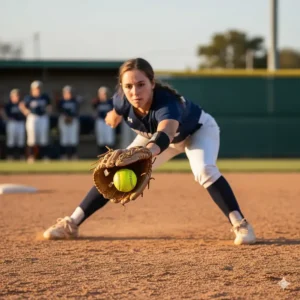
Here’s the reality: first base mitts aren’t just oversized gloves. They’re specialized tools designed with unique features that regular fielding gloves simply can’t match. The deeper pocket, wider catching surface, and reinforced web work together to help you scoop low throws, snag line drives, and secure every toss from your infielders.
Whether you’re a travel ball player, high school athlete, or recreational league participant, choosing the right first base softball glove can mean the difference between costly errors and game-winning plays. With options ranging from budget-friendly youth models to premium pro-level mitts, finding your perfect match requires understanding what separates good from great.
Quick Comparison Table: Top Softball 1st Base Gloves 2025
| Glove Model | Size | Price Range | Leather Type | Best For | Rating |
|---|---|---|---|---|---|
| Rawlings Heart of the Hide | 13″ | $279-$329 | Premium Steerhide | Advanced/Elite | ⭐⭐⭐⭐⭐ |
| Wilson A2000 FP1B | 12.5″ | $209-$239 | Pro Stock Leather | Intermediate/Advanced | ⭐⭐⭐⭐⭐ |
| Mizuno MVP Prime | 13″ | $119-$129 | Bio Soft Leather | Budget/Intermediate | ⭐⭐⭐⭐½ |
| Easton Ghost NX | 13″ | $139-$149 | Diamond Pro Steer | Youth/High School | ⭐⭐⭐⭐½ |
| Wilson A1000 1620 | 12.5″ | $139-$169 | A1000 Leather | Budget-Friendly | ⭐⭐⭐⭐ |
| Rawlings Shut Out | 12″ | $84-$89 | Synthetic/Leather Blend | Beginners | ⭐⭐⭐⭐ |
| Marucci Cypress | 13″ | $299 | Japanese Steerhide | Premium/Customizable | ⭐⭐⭐⭐⭐ |
💬 Just one click – help others make better buying decisions too! 😊
Top 7 Softball 1st Base Gloves: Expert Analysis
1. Rawlings Heart of the Hide PRODCTSBW – The Gold Standard
Price: $279-$329 | Size: 13″
If you’re serious about softball, the Rawlings Heart of the Hide represents everything a firstbase softball glove should be. Crafted from ultra-premium U.S. steerhide leather sourced from the top 5% of available hides, this mitt delivers pro-level performance that lasts for years.
Key Specifications:
- Modified Single Post web for maximum stability
- Pull-strap back for customizable fit
- 35% factory break-in (65% player)
- Deer-tanned cowhide palm lining
The modified Pro-H web creates a deep pocket perfect for securing softballs, while the padded thumb sleeve adds comfort during those high-volume practice sessions. Players consistently praise how quickly this mitt forms the perfect pocket despite the premium leather.
Customer Feedback: Players report exceptional durability lasting multiple seasons with proper care. The leather stays supple yet maintains structure, and the break-in process feels more intuitive compared to other premium gloves.
✅ Pros:
- Elite-level leather quality
- Deep, secure pocket formation
- Professional patterns used by college athletes
- Excellent wrist adjustability
❌ Cons:
- Premium price point
- Requires dedicated break-in time
Best For: High school and college-level players seeking professional-grade equipment.
2. Wilson A2000 SuperSkin FP1B – Lightweight Performance
Price: $209-$239 | Size: 12.5″
The Wilson A2000 SuperSkin FP1B revolutionizes what a softball 1st base glove can be by incorporating SuperSkin material that reduces weight by up to 25% without sacrificing durability. This fastpitch-specific pattern fits smaller hands perfectly while maintaining the catching power you need.
Key Specifications:
- Single Post web design
- Pro Stock leather with SuperSkin panels
- Dual Welting for lasting pocket shape
- Drawstring wrist closure
Wilson’s Pro Stock leather combined with SuperSkin technology delivers a mitt that feels game-ready almost immediately. The 12.5-inch size strikes the perfect balance for fastpitch players who want substantial catching surface without excessive bulk.
Customer Feedback: Users love the lightweight feel during extended games. Several reviewers note how the mitt remains comfortable even during double-headers, and the break-in period averages just 1-2 weeks with regular use.
✅ Pros:
- Significantly lighter than traditional mitts
- Quick break-in process
- Excellent for all-weather play
- Pro-level construction at mid-range price
❌ Cons:
- SuperSkin panels may feel different initially
- Slightly smaller than full 13″ models
Best For: Competitive fastpitch players seeking lightweight, responsive equipment.
3. Mizuno MVP Prime GXF50FPW2 – Best Value Pick
Price: $119-$129 | Size: 13″
The Mizuno MVP Prime proves you don’t need to spend $300 for quality. Specifically gender-engineered for softball players, this first base softball glove combines Bio Soft leather with smart design features that punch well above its price point.
Key Specifications:
- Center Pocket Design pattern
- Bio Soft professional-style leather
- Single-post web
- Professional-level lacing
Mizuno’s Center Pocket Design naturally positions the ball under your index finger for optimal control. The Bio Soft leather maintains perfect oil balance, giving exceptional feel while being firm enough for serious play. At this price, it’s arguably the best value in fastpitch.
Customer Feedback: Reviews consistently highlight durability lasting 2-3 seasons with regular use. Players appreciate that despite the affordable price, the mitt doesn’t feel cheap or require constant maintenance.
✅ Pros:
- Outstanding value for money
- Gender-specific engineering
- Quick, predictable break-in
- Durable construction
❌ Cons:
- Palm padding thinner than premium models
- Limited color options
Best For: Budget-conscious players who refuse to compromise on quality.
4. Easton Ghost NX GNXFP313 – Youth-Friendly Design
Price: $139-$149 | Size: 13″
The Easton Ghost NX targets the gap between entry-level and premium with features specifically tailored for younger hands. Its Quantum Closure System and Flex Notch technology make this softball 1st base glove incredibly user-friendly for developing players.
Key Specifications:
- Diamond Pro Steer USA leather
- Flex Notch Closure System
- Quantum adjustable open back
- Rolled leather welting
Easton designed this mitt recognizing that high school and travel ball players might not have college-level hand strength yet. The Flex Notch makes squeezing the mitt easier, while the Ax Suede microfiber lining adds comfort without bulk.
Customer Feedback: Parents and coaches praise how quickly young players adapt to this mitt. The adjustable back accommodates growing hands, and several users report it lasting through multiple seasons as players develop.
✅ Pros:
- Perfect for developing players
- Easy-close design
- Excellent break-in accessibility
- Snakeskin embossed accents look sharp
❌ Cons:
- May feel too soft for advanced players
- Interior padding minimal
Best For: Youth and high school players transitioning to quality equipment.
5. Wilson A1000 1620 – Budget-Friendly Reliability
Price: $139-$169 | Size: 12.5″
The Wilson A1000 1620 brings Wilson’s legendary quality to budget-conscious players. While it lacks some premium features of its A2000 cousin, this firstbase softball glove delivers reliable performance that won’t break the bank.
Key Specifications:
- A1000 leather construction
- Single Post web
- Dual Welting technology
- Pro Stock patterns adapted for fastpitch
Wilson’s A1000 leather offers the brand’s signature quality at an accessible price. The construction focuses on essential features without unnecessary bells and whistles, making it perfect for players who want solid performance without premium cost.
Customer Feedback: Users describe this as a workhorse mitt that handles everything thrown at it. The break-in requires some effort but creates a personalized pocket that players love. Many report using it for multiple seasons.
✅ Pros:
- Wilson quality at budget price
- Proven durability
- Classic styling
- Suitable for various skill levels
❌ Cons:
- Longer break-in than premium models
- Basic color options
- Less comfortable padding
Best For: Players seeking reliable Wilson quality without premium pricing.
6. Rawlings Shut Out RSOFBM12W – Best for Beginners
Price: $84-$89 | Size: 12″
The Rawlings Shut Out serves as the perfect entry point into quality softball equipment. This softball 1st base glove combines synthetic materials with genuine leather in smart ways that keep costs down while maintaining playability.
Key Specifications:
- Leather/synthetic blend construction
- Youth-friendly 12″ size
- Basket web design
- Pull-strap back
Rawlings designed the Shut Out series specifically for recreational and youth league players. The smaller 12-inch size suits younger athletes, while the leather/synthetic construction requires minimal break-in—often game-ready right out of the package.
Customer Feedback: Parents love that kids can start using this immediately. Coaches note it helps beginners learn proper catching technique without overwhelming them with heavy, stiff leather. Many consider it the ideal first mitt.
✅ Pros:
- Extremely affordable
- Minimal break-in required
- Perfect youth sizing
- Lightweight and manageable
❌ Cons:
- Won’t last as long as leather models
- Limited for advanced play
- Less sophisticated pocket formation
Best For: Beginner and recreational players entering fastpitch softball.
7. Marucci Cypress MFGCYFP39S1 – Premium Customization
Price: $299 | Size: 13″
The Marucci Cypress represents the pinnacle of customization and craftsmanship. Using premium Japanese-tanned steerhide, this first base softball glove offers elite players the ability to create their dream mitt with extensive color and web options.
Key Specifications:
- Japanese-tanned USA steerhide
- Multiple web configurations available
- Memory foam padding
- M Type Fit system with integrated sleeves
Marucci’s M Type Fit provides integrated thumb and pinky sleeves with enhanced cushioning that elite players demand. The moisture-wicking wrist lining and dual-density memory foam padding deliver comfort during tournament marathons. The Cypress line lets you choose from dozens of color combinations.
Customer Feedback: College-level players rave about the pro-quality feel and personalized fit. The customization options mean every mitt is unique. Users report the Japanese steerhide maintains its structure season after season while developing character.
✅ Pros:
- Extensive customization options
- Elite-level materials
- Professional-grade construction
- Outstanding comfort features
❌ Cons:
- Premium price point
- Requires proper break-in
- May be overkill for casual players
Best For: Elite and college-bound players wanting personalized, pro-quality equipment.
✨ Don’t Miss These Exclusive Deals!
🔍 Take your first base game to the next level with these carefully selected softball 1st base gloves. Click on any highlighted product above to check current pricing and availability. These mitts will help you make those game-saving plays your team counts on!
Understanding First Base Mitts: What Makes Them Special
Not all softball gloves are created equal, and nowhere is this more evident than at first base. The softball 1st base glove represents specialized equipment developed specifically for the unique demands of the position.
The Mitt vs. Glove Distinction
According to Wikipedia, first base mitts lack the separated finger slots found on regular fielding gloves. This unified construction creates several advantages: it forms a deeper, more consistent pocket; provides more uniform scooping surface; and eliminates weak points between fingers where balls might slip through. By rule, only catchers and first basemen are permitted to wear mitts during play—everyone else must use gloves with separated fingers.
Scooping Technology
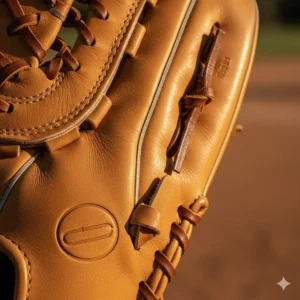
The curved ridge running along the top of first base mitts serves a critical purpose. This design element, refined over decades, helps channel ground balls and low throws into the pocket. When you need to dig a throw out of the dirt, that curved edge guides the ball toward the webbing rather than deflecting it away. It’s the difference between a clean scoop and an error.
Size Matters: 12″ vs. 13″ Models
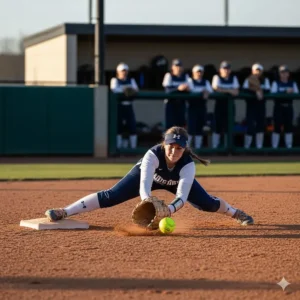
Youth players (typically under 12) perform best with 12″ to 12.25″ mitts that match their hand size and arm length. High school and adult players benefit from the full 13″ size, which provides maximum catching surface for snagging errant throws. The larger size particularly helps when stretching for off-target tosses while keeping a foot on the bag.
Web Construction Explained
Single Post: One vertical leather strip connects top to bottom, creating stable pocket formation—most popular in softball.
Dual Post: Two vertical strips provide extra reinforcement, common in baseball but less necessary for softball’s larger ball.
Modified Trap: Combines elements of closed and open webs, offering a balance of pocket depth and quick ball release.
How to Choose Your Perfect First Base Softball Glove
Selecting the right firstbase softball glove involves more than picking the prettiest model. Let’s break down the decision-making process into manageable steps.
Step 1: Determine Your Skill Level
Beginners (First 1-2 Seasons): Focus on affordable models with minimal break-in. The Rawlings Shut Out or similar entry-level mitts let you learn fundamentals without major investment.
Intermediate Players (Travel/Competitive Leagues): Graduate to mid-range options like the Mizuno MVP Prime or Easton Ghost that balance quality with value. These mitts offer durability for multiple seasons.
Advanced/Elite (High School+): Invest in premium leather like the Rawlings Heart of the Hide or Marucci Cypress. These mitts become extensions of your hand and last through college.
Step 2: Measure Your Hand Properly
Place your hand flat with fingers together. Measure from the tip of your middle finger to the base of your palm. This measurement guides sizing:
- Under 6.5″: Consider 12″ models
- 6.5″-7.5″: Choose 12.5″ models
- Over 7.5″: Full 13″ mitts work best
Step 3: Consider Break-In Requirements
Premium leather mitts require dedication to break in properly but reward you with superior longevity. Synthetic blends play immediately but typically last 1-2 seasons. Match your choice to your timeline—tournament next month? Go synthetic. Building your gamer for years? Choose leather.
Step 4: Test the Pocket Depth
A first base softball glove should have notably deeper pocket than regular fielding gloves. When you form a catching position, you should see clear pocket depth from the side view. Too shallow means balls pop out; too deep makes quick transfers difficult.
Step 5: Evaluate Wrist Adjustability
Look for pull-strap backs, D-rings, or additional lacing that let you customize fit. As you break in your mitt, these adjustments help you dial in the perfect feel. This feature proves especially valuable for growing youth players.
Step 6: Budget Realistically
Quality softball 1st base gloves range from $80 (entry-level) to $400+ (elite custom). Budget $120-180 for solid intermediate options that last multiple seasons. Only invest in premium models if you’re committed to the position long-term.
Step 7: Read Real Player Reviews
Look beyond marketing claims to actual user experiences. Pay attention to comments about durability, break-in time, and how the mitt performs after 6+ months of use. Reviews highlighting specific game situations provide the most valuable insights.
Leather Types Decoded: From Cowhide to Kip
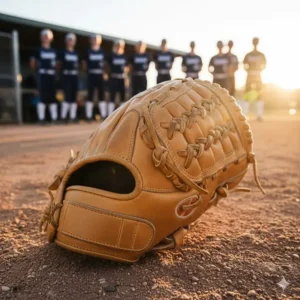
Understanding leather quality helps you appreciate why some softball 1st base gloves cost three times more than others. Let’s demystify the terminology.
Bio Soft Leather (Budget-Friendly)
Mizuno’s Bio Soft maintains optimal oil balance straight from the factory, delivering game-ready feel without extensive conditioning. This professional-style smooth leather offers excellent value, though it won’t match premium hides for longevity. Perfect for players who replace gloves every 2-3 seasons.
Full-Grain Steerhide (Mid-Range)
The most common premium leather in softball gloves. Full-grain steerhide combines durability with reasonable break-in requirements. Marucci and Easton frequently use this leather tier. Expect 3-5 seasons of heavy use with proper care. It develops a rich patina over time while maintaining structural integrity.
U.S. Steerhide (Premium)
Rawlings Heart of the Hide series exemplifies top-tier steerhide. Sourced from the top 5% of available hides and meticulously tanned, this leather delivers unmatched combination of stiffness and pliability. The break-in demands patience but creates deeply personalized pocket formation. Pro players choose this for careers spanning years.
Japanese-Tanned Steerhide (Elite)
Marucci’s Cypress series showcases this ultra-premium leather. Japanese tanning processes create exceptionally supple yet durable leather that many consider the finest in softball. The material responds beautifully to break-in while maintaining shape through countless games. Cost reflects the quality—expect to pay $280-400.
Synthetic/Leather Blends
Entry-level gloves often combine leather and synthetic materials strategically. Leather appears in high-wear areas (pocket, web) while synthetics reduce cost elsewhere. These mitts play immediately and work great for beginners or recreational players. Durability typically 1-2 seasons maximum.
Break-In Methods: Getting Game-Ready Fast
Even the best first base softball glove arrives stiff from the factory. Proper break-in transforms it into a responsive extension of your hand. Here’s how the pros do it.
The Playing Catch Method (Best for All Leathers)
Nothing beats using your mitt in actual catching sessions. Start with soft tosses, gradually increasing velocity as the pocket forms. Aim for 30-45 minutes daily for 10-14 days. This method creates the most natural pocket while conditioning the leather uniformly.
The Glove Mallet Technique
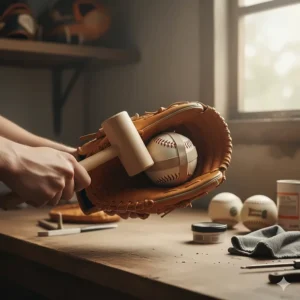
Use a specialized glove mallet (or softball in a sock) to pound the pocket area. Focus on the sweet spot where you want the ball to nest. This accelerates pocket formation but use moderate force—you’re shaping leather, not tenderizing steak. Combine with playing catch for optimal results.
The Ball-Wrap Overnight Method
Place two softballs in the pocket, position your firstbase softball glove in catching form, then wrap with rubber bands or old shoelaces. Store overnight. This passive break-in maintains pocket shape between use. Repeat nightly during initial break-in period.
Glove Oil Application (Use Sparingly)
Apply glove oil ONLY to stiff areas needing extra softening. Use a cloth—never apply directly. Too much oil weakens leather and adds unnecessary weight. Quality leather like Heart of the Hide needs minimal oil, if any. When in doubt, skip the oil.
What NOT to Do
❌ Microwave: Ruins leather structure permanently
❌ Oven: Dries out oils, cracks leather
❌ Excessive water: Destroys shape, promotes mold
❌ Petroleum products: Damages leather long-term
❌ Extreme bending: Creates unwanted creases
Professional Break-In Services
Many retailers offer break-in services ($25-40) using specialized equipment. This accelerates the process without damage risks. Consider this option if you need your softball 1st base glove game-ready quickly or lack time for manual break-in.
Maintenance Tips for Longevity
Your investment in a quality softball 1st base glove deserves protection. These maintenance practices extend mitt life by years.
After Every Game Care
Wipe down your mitt with a dry cloth to remove dirt and moisture. If wet from rain, stuff with newspaper and air-dry at room temperature—never near heat sources. Store with a softball in the pocket to maintain shape. This five-minute routine prevents most common damage.
Monthly Deep Cleaning
Mix mild soap with water (1:10 ratio). Dampen a cloth—never soak it—and wipe leather surfaces. Follow immediately with a dry cloth. Let air-dry completely before storing. This removes accumulated grime without over-wetting leather.
Seasonal Conditioning
Once per season, apply leather conditioner (not oil) sparingly to prevent drying. Focus on stress points: web connections, thumb area, wrist. Quality leather needs less conditioning than cheaper alternatives. Over-conditioning softens leather excessively, reducing catching power.
Storage Best Practices
Store your first base softball glove in a cool, dry location away from direct sunlight. Avoid damp basements or hot car trunks. Keep a ball in the pocket between uses. During off-season, check monthly for leather dryness or mold development.
Lace Replacement
Broken laces compromise mit integrity. Replace them immediately using quality rawhide laces matching your mitt’s specifications. Many sporting goods stores offer this service ($10-20) if you’re not comfortable DIY. Proper lacing maintains structural integrity.
When to Replace
Even premium mitts eventually wear out. Replace your softball 1st base glove when:
- Leather shows significant cracking
- Web loses structural support
- Palm padding compresses permanently
- Pocket won’t hold shape despite re-forming
- Fingers develop tears beyond repair
Quality mitts last 3-7 seasons with proper care. Budget models typically serve 1-2 seasons.
Common First Base Mitt Myths Debunked
Misinformation about softball 1st base gloves abounds. Let’s separate fact from fiction.
Myth: Bigger is Always Better
Reality: Oversized mitts actually hurt performance. A mitt too large feels unwieldy, slows transfers, and tires your arm. Match size to your hand dimensions and skill level. Proper fit outperforms raw size every time.
Myth: Baseball First Base Mitts Work Fine for Softball
Reality: While similar, softball mitts feature wider pockets accommodating the larger ball (12″ vs. 9″ circumference). Baseball mitts designed for smaller balls don’t secure softballs as effectively. Softball first base mitts are around the same size as baseball first base mitts but come with a wider pocket.
Myth: Expensive Mitts Make You Better
Reality: Premium mitts offer superior materials and longevity but don’t automatically improve skills. A $300 mitt in untrained hands underperforms a $120 mitt with practiced technique. Focus on fundamentals first, upgrade equipment as your skills advance.
Myth: Break-In Happens in Days
Reality: Proper break-in for quality leather requires 2-4 weeks of consistent use. Shortcuts damage leather structure. Premium mitts need even longer but develop superior pockets that last seasons. Trust the process.
Myth: One Mitt Suits All Positions
Reality: First base mitts feature specialized design unsuitable for other positions. The mitt construction, pocket depth, and size make them poor choices for infield or outfield. By rule only catchers and first basemen are permitted to wear a mitt, while all other players must wear a glove.
Sizing Charts: Finding Your Perfect Fit
| Age Group | Hand Size | Mitt Size | Position Note |
|---|---|---|---|
| 8-10 years | Under 6″ | 11″-11.5″ | Youth/beginner models |
| 10-12 years | 6″-6.5″ | 12″-12.25″ | Transition sizing |
| 12-15 years | 6.5″-7″ | 12.5″ | Most high school players |
| 15+ years | 7″+ | 12.5″-13″ | Standard adult sizing |
Price vs. Performance Breakdown
| Price Range | What You Get | Best For | Expected Lifespan |
|---|---|---|---|
| $50-$90 | Synthetic blends, basic features | Beginners, recreational players | 1-2 seasons |
| $100-$150 | Quality leather, better construction | Intermediate, developing players | 2-3 seasons |
| $175-$250 | Premium leather, advanced features | Serious competitors | 3-5 seasons |
| $275-$400 | Elite materials, pro-level quality | College-bound, elite players | 5-7+ seasons |
Brand Comparison: Who Makes the Best Mitts?
Rawlings: The Heritage Brand
Rawlings dominates professional softball with 60%+ market share among collegiate players. Their Heart of the Hide line represents the gold standard, though excellent options exist across price points. Known for durability and deep, consistent pockets. Premium models require dedicated break-in but deliver unmatched longevity.
Signature Technology: Pro-grade U.S. steerhide, deer-tanned palm lining
Best Models: Heart of the Hide (elite), R9 (intermediate)
Price Range: $89-$329
Wilson: Innovation Leaders
Wilson pioneered SuperSkin technology that reduces weight without sacrificing durability. Their A2000 and A1000 lines balance tradition with innovation. Particularly popular among players prioritizing lightweight feel. Break-in typically faster than comparable Rawlings models.
Signature Technology: SuperSkin weight reduction, Pro Stock leather
Best Models: A2000 (premium), A1000 (value)
Price Range: $109-$349
Mizuno: Underrated Value
Mizuno excels at delivering premium features at mid-range prices. Their MVP Prime series specifically targets value-conscious players refusing to compromise quality. Bio Soft leather provides optimal balance between affordability and performance. Gender-specific engineering addresses female athletes’ needs.
Signature Technology: Bio Soft leather, Center Pocket Design
Best Models: MVP Prime (best value)
Price Range: $119-$189
Easton: Youth-Focused Innovation
Easton designs with developing players in mind. Ghost series features make learning easier: Flex Notch closure, Quantum adjustability, lighter weight. Excellent choice for transitioning from recreational to competitive play. May lack features serious elite players demand.
Signature Technology: Flex Notch closure, Diamond Pro Steer
Best Models: Ghost NX (youth), Pro Collection (advanced)
Price Range: $84-$279
Marucci: The Customizer’s Choice
Marucci brings craftsmanship and customization to softball. Multiple series span youth to elite with extensive personalization options. Japanese-tanned steerhide in premium lines rivals anything available. Growing popularity among collegiate players seeking unique, high-quality equipment.
Signature Technology: M Type Fit system, Japanese steerhide
Best Models: Cypress (elite), Magnolia (intermediate)
Price Range: $89-$399
Web Styles Explained: Which is Right for You?
Single Post Web
One vertical leather piece connects top to bottom. Creates stable, predictable pocket that’s easy to break in. Most popular choice for softball 1st base gloves because it balances structure with ball visibility. Excellent for players at all skill levels.
Advantages: Simple, reliable, easy maintenance
Disadvantages: Less reinforcement than dual post
Best For: Most softball players, especially beginners
Dual Post Web
Two vertical pieces provide extra reinforcement. More common in baseball but some softball players prefer the added durability. Creates slightly stiffer pocket that takes longer to form. Better for players who see exceptionally high throw volumes.
Advantages: Maximum durability, extra reinforcement
Disadvantages: Longer break-in, may feel stiff
Best For: Power hitters who play first base extensively
Modified Trap/H-Web
Combines elements of closed and open designs with horizontal and vertical strips forming H-pattern. Provides excellent pocket depth while maintaining some ball visibility. Popular among players transitioning from infield to first base.
Advantages: Deep pocket, good visibility, versatile
Disadvantages: More complex to re-lace if broken
Best For: Multi-position players, those wanting deep pockets
Position-Specific Considerations
If You Also Play Outfield
Consider a 12.5″ model that pulls double duty. While not ideal for either position exclusively, this compromise works for players splitting time. Wilson A2000 series offers patterns that transition reasonably well. Avoid full 13″ mitts—too cumbersome for outfield play.
For Corner Infielders Rotating to First
Third basemen comfortable at first benefit from mitts slightly smaller (12.5″) with quicker break-in. This allows faster transition between positions. Focus on mitts emphasizing transfer speed rather than pure size. Rawlings R9 fits this niche perfectly.
Youth Players Learning Multiple Positions
Young athletes exploring positions need versatile equipment. Start with 12″ models that work adequately at first while not handicapping play elsewhere. As they specialize, upgrade to position-specific equipment.
Left-Handed Players: What You Need to Know
Left-handed throwers wear mitts on their right hand, and manufacturers typically produce fewer options. Here’s navigating this challenge:
Availability Considerations
Most models discussed come in left-handed versions, but color and customization options may be limited. Order early—especially for premium models—as retailers stock fewer lefty mitts. Custom orders often add 2-4 weeks to delivery.
Pricing Parity
Thankfully, manufacturers charge identical prices for left and right-handed models. You’re not penalized for being left-handed beyond occasionally reduced selection.
Try Before You Buy
Left-handed players especially benefit from trying mitts in person when possible. The smaller market means fewer detailed reviews, so hands-on evaluation proves more valuable.
Softball vs. Baseball First Base Mitts
While similar, key differences exist between softball and baseball first base mitts that affect performance:
Pocket Width
Softball first base mitts around the same size as baseball first base mitts do come with a wider pocket. This accommodation for the larger softball (12″ vs. 9″ circumference) proves essential. Using baseball mitts for softball results in balls slipping around the pocket.
Hand Opening Size
Softball mitts typically feature more generous hand openings. According to industry research, fastpitch softball gloves accommodate the demographic reality that most fastpitch players are female athletes with different hand proportions than baseball’s primarily male players.
Break-In Characteristics
Softball-specific mitts often use slightly softer leather grades requiring less aggressive break-in. This recognizes that many fastpitch players may not have the hand strength of baseball players and benefit from more accessible break-in.
❓ FAQ: Your Top Questions Answered
❓ What size softball 1st base glove should I get for high school?
❓ How long does it take to break in a first base softball glove?
❓ Can you use a baseball first base mitt for softball?
❓ What's the difference between a first base mitt and glove?
❓ How much should I spend on my first softball 1st base glove?
Conclusion: Making Your Decision
Choosing your perfect softball 1st base glove ultimately comes down to matching your needs with the right equipment. Whether you’re a beginner stepping into your first season or an elite player demanding pro-level performance, there’s a mitt designed specifically for your situation.
Remember these key takeaways:
For Beginners: Start with accessible options like the Rawlings Shut Out ($84-89) or Wilson A1000 ($139-169). These provide solid performance while you’re learning fundamentals without major financial commitment.
For Developing Players: Invest in mid-range quality like the Mizuno MVP Prime ($119-129) or Easton Ghost NX ($139-149). These mitts balance affordability with durability, lasting through multiple competitive seasons as your skills advance.
For Elite Players: Commit to premium equipment like the Rawlings Heart of the Hide ($279-329) or Marucci Cypress ($299). These pro-level mitts become true extensions of your hand, delivering performance that lasts through college and beyond.
The perfect firstbase softball glove transforms your defensive game. It turns challenging plays into routine outs, builds your confidence stretching for tough throws, and becomes the trusted tool you count on when games are on the line. Take time to research, try on options when possible, and choose the mitt that feels like it belongs on your hand.
Your first base game deserves equipment that matches your dedication. Now get out there and start making plays.
Recommended for You
- 7 Best Catchers Glove for Softball 2025: Expert Reviews
- Best Softball Gloves Men: 7 Top Picks That’ll Transform Your Game in 2025
- Softball Glove vs Baseball Glove: 7 Shocking Differences
Disclaimer: This article contains affiliate links. If you purchase products through these links, we may earn a small commission at no additional cost to you.
✨ Found this helpful? Share it with your friends! 💬🤗
