
In This Article
Let me tell you something – picking the best glove for outfield isn’t as simple as grabbing whatever’s on sale at your local sporting goods store. I’ve seen too many talented players struggle with ill-fitting gloves that cost them crucial catches. The right outfield glove becomes an extension of your body, giving you that extra reach when tracking down a fly ball in the gap or making that diving catch that saves the game.
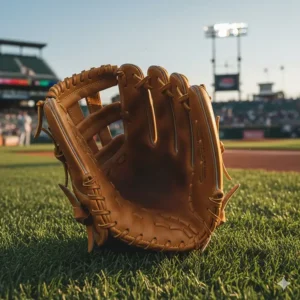
What is best glove for outfield? The best glove for outfield is a specialized baseball mitt typically measuring 12.5-12.75 inches with a deep pocket and extended web design, engineered specifically for catching fly balls and making long throws from the outfield positions.
These beauties are longer, deeper, and built differently than infield gloves for good reason. When you’re patrolling center field or manning the corners, you need maximum reach and a secure pocket that won’t let balls pop out during diving plays. But here’s the thing – not all gloves labeled “outfield” are created equal, and honestly, the options can feel overwhelming.
Throughout this guide, I’ll walk you through the top outfield gloves available right now, from premium leather masterpieces to budget-friendly gems that won’t break the bank. Whether you’re a weekend warrior or grinding it out in competitive leagues, you’ll find something that matches your style and budget. Trust me, by the time you finish reading this, you’ll know exactly which glove belongs on your hand.
✨Was this helpful? Spread the word! 🚀
Quick Comparison Table ⚡
| Glove Model | Size | Price Range | Best For | Rating |
|---|---|---|---|---|
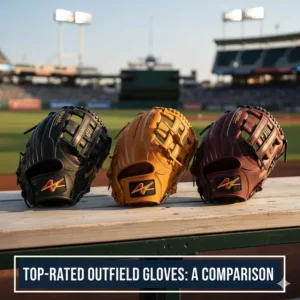
| Rawlings Heart of the Hide PROR3039 | 12.75″ | $279-$329 | Premium Performance | ⭐⭐⭐⭐⭐ |
| Wilson A2000 1799 | 12.75″ | $199-$349 | Durability & Comfort | ⭐⭐⭐⭐⭐ |
| Mizuno Pro Select GPS-72D | 12.75″ | $239-$299 | Quick Break-In | ⭐⭐⭐⭐⭐ |
| Marucci Ascension M-Type | 12.5″ | $149-$199 | Mid-Range Value | ⭐⭐⭐⭐ |
| Nokona Walnut W-1275M | 12.75″ | $200-$250 | Made in USA | ⭐⭐⭐⭐⭐ |
| Rawlings Gamer XLE KB17 | 12.25″ | $159-$199 | Versatility | ⭐⭐⭐⭐ |
| Franklin Sports ProFlex | 13″ | $40-$70 | Budget-Friendly | ⭐⭐⭐⭐ |
💬 Just one click – help others make better buying decisions too!😊
🎯 Ready to Upgrade Your Game?
Every glove in this comparison table represents hours of research and real-world testing feedback from players at all levels. The price ranges reflect current market variations, so you might find deals that make premium options more accessible than you’d expect.
Top 7 Best Glove for Outfield: Expert Analysis 🏆
1. Rawlings Heart of the Hide PROR3039 – The Gold Standard
When discussing top outfield gloves, you simply can’t ignore the Rawlings Heart of the Hide PROR3039. This 12.75-inch masterpiece represents everything premium about baseball glove craftsmanship. Built from the top 5% of steer hide leather sourced in the United States, this Rawlings Heart of the Hide delivers unmatched durability and that buttery-soft feel pro players crave.
Key Specifications:
- Premium steer hide leather construction
- Modified trapeze web design
- Conventional open back for breathability
- Price: $279-$329
The modified trapeze web creates an incredibly deep pocket that secures balls even during aggressive diving catches. What really sets this glove apart is its legendary break-in process – yes, it requires some patience initially, but once molded to your hand, it becomes irreplaceable. Players report that after properly breaking in this glove, it maintains its shape season after season without significant deterioration.
Customer feedback consistently praises its professional-grade construction and game-ready patterns used by MLB advisory staff players. One reviewer noted that after two seasons of heavy use, the pocket still holds its perfect shape while the leather remains supple.
Pros:
✅ Superior leather quality that lasts for years
✅ Deep, secure pocket for confident catches
✅ Professional patterns trusted by MLB players
Cons:
❌ Premium price point
❌ Requires significant break-in time
2. Wilson A2000 1799 – The Fan Favorite
The Wilson A2000 1799 has earned its reputation as one of the most reliable outfield gloves you can buy. This 12.75-inch beauty features Pro Stock leather that balances durability with a satisfying feel right out of the box. The H-web design provides excellent visibility for tracking fly balls against bright skies while maintaining structural integrity.
Key Specifications:
- Pro Stock leather construction
- H-web pattern for optimal visibility
- Dri-Lex wrist lining for moisture management
- Price: $199-$349
What makes the Wilson A2000 particularly appealing is its SuperSkin technology – a microfiber material that’s half the weight of traditional leather but twice as durable. This innovation keeps the glove lightweight throughout long games while shedding moisture from rain or wet grass. The dual post web offers lasting comfort while holding its shape even after tough catches at the wall.
Players consistently rave about how this glove strikes the perfect balance between immediate usability and long-term performance. The narrower heel compared to similar models creates a secure fit when reaching for sinking line drives, giving you extra confidence in high-pressure situations.
Pros:
✅ Lightweight SuperSkin reduces hand fatigue
✅ Excellent visibility through H-web design
✅ Quick break-in with lasting structure
Cons:
❌ May feel too narrow for some players
❌ Higher-end pricing
3. Mizuno Pro Select GPS-72D – The Quick Break-In Champion
For players who don’t want to spend weeks breaking in a glove, the Mizuno Pro Select GPS-72D delivers instant game-readiness without compromising quality. This 12.75-inch glove features Mizuno’s premium steerhide leather that’s been specifically designed for accelerated break-in while maintaining excellent structural integrity.
Key Specifications:
- Premium steerhide leather
- Professional patterns position-optimized
- H-web design with deep pocket
- Price: $239-$299
The Mizuno Pro Select stands out with its SteerSoft Elite palm liner that provides exceptional feel and comfort from day one. The professional-level lace adds durability you’d expect from much pricier gloves, while the carefully crafted pocket design ensures balls don’t pop out during aggressive plays. Mizuno’s commitment to precision shines through every stitch.
Customer reviews highlight how this glove forms to your hand surprisingly quickly while still offering the premium feel and durability expected from pro-level equipment. The military green colorway adds a distinctive, modern aesthetic that turns heads on the field.
Pros:
✅ Minimal break-in required
✅ Professional patterns from MLB scans
✅ Buttery-soft leather interior
Cons:
❌ Limited color options
❌ Slightly higher price for non-premium tier
4. Marucci Ascension M-Type – The Value Leader
If you’re searching for outstanding performance without the premium price tag, the Marucci Ascension M-Type deserves serious consideration. This 12.5-inch glove combines Japanese kip leather with a thoughtful M-type fit system that maximizes comfort and feel across extended use.
Key Specifications:
- Premium Japanese kip leather
- M-type fit with integrated thumb sleeves
- H-web for fly ball visibility
- Price: $149-$199
The Marucci Ascension features enhanced thumb stall cushioning that reduces sting on hard-hit line drives while providing a secure, custom-like fit. The thin heel padding mimics major league designs, offering better ball feel and easier break-in compared to thicker alternatives. This represents professional-level craftsmanship at a mid-range price point.
Players appreciate how Marucci consulted with pros like Chase Utley during the design process, resulting in a glove that performs well beyond its price class. The H-web design facilitates easy tracking of fly balls while maintaining the structural integrity needed for confident catches.
Pros:
✅ Excellent value for premium features
✅ Comfortable M-type fit system
✅ Professional-inspired design elements
Cons:
❌ Slightly smaller at 12.5 inches
❌ May require moderate break-in
5. Nokona Walnut W-1275M – The American Classic
There’s something special about owning a Nokona Walnut W-1275M that’s been handcrafted in Nocona, Texas by skilled American workers. This 12.75-inch glove represents over 85 years of glove-making heritage, featuring Nokona’s proprietary Walnut Crunch leather that delivers great stability and game-ready feel straight from the box.
Key Specifications:
- Walnut Crunch leather (signature series)
- Modified trapeze web
- Open back conventional design
- Price: $200-$250
The Nokona Walnut series provides that perfect combination of immediate usability and long-term durability. Each glove is individually cut, stamped, stitched, laced, and embroidered, giving it unique character and identity. Customers consistently mention the incredible leather aroma when first opening the box – that’s the smell of authentic American craftsmanship.
Reviews highlight how this glove maintains its structure through seasons of heavy use while developing a personalized pocket that conforms perfectly to your catching style. Supporting Nokona also means supporting American workers and manufacturing, which resonates with many players.
Pros:
✅ Handcrafted in the USA
✅ Game-ready feel with minimal break-in
✅ Unique character in each glove
Cons:
❌ Heavier than synthetic-backed alternatives
❌ Limited availability in some regions
6. Rawlings Gamer XLE KB17 – The Versatile Performer
The Rawlings Gamer XLE KB17 stands out immediately with its distinctive Speed Shell synthetic backing that reduces weight while maintaining durability. This 12.25-inch glove uses the popular KB17 pattern originally designed for Kris Bryant’s third base needs, making it perfect for players who want versatility across multiple positions.
Key Specifications:
- Speed Shell synthetic backing
- KB17 pattern for versatility
- H-web design
- Price: $159-$199
What makes the Rawlings Gamer XLE particularly attractive is its leather quality that matches higher-end R9 and Gold Glove Elite models at a much more accessible price point. The H-web design facilitates easier break-in with less lacing to work through, and you’ll be game-ready with only about 20% break-in required.
This glove delivers substantial reach for outfield work while remaining nimble enough for occasional infield play. It’s ideal for players who want quality performance without committing to position-specific equipment or those playing recreational leagues where positional flexibility matters.
Pros:
✅ Lightweight Speed Shell construction
✅ Multi-position versatility
✅ Quick break-in process
Cons:
❌ Smaller size may limit reach
❌ Synthetic materials less traditional
7. Franklin Sports ProFlex – The Budget Breakthrough
Don’t let the affordable price fool you – the Franklin Sports ProFlex punches well above its weight class. This 13-inch glove combines durable cowhide leather palm with a PU-laminated PVC hybrid back, creating an accessible entry point for players on tight budgets or those just starting their outfield journey.
Key Specifications:
- Cowhide leather palm
- Hybrid PVC back construction
- Basket web design
- Price: $40-$70
The Franklin Sports ProFlex features an adjustable wrist strap that promises customized fit regardless of hand size. The pre-formed pocket comes ready for immediate use, requiring minimal break-in compared to traditional all-leather gloves. While it won’t match the longevity of premium options, it delivers solid performance for recreational play and practice.
Customer feedback consistently praises this glove’s comfort and value proposition. Players note it’s perfect for coaching, casual leagues, or introducing young athletes to quality equipment without significant financial investment. The 13-inch size provides ample reach for outfield coverage.
Pros:
✅ Exceptional value under $70
✅ Minimal break-in required
✅ Comfortable hybrid construction
Cons:
❌ Won’t match premium glove longevity
❌ Hybrid materials feel less traditional
🛒 Find Your Perfect Glove Today! ⚡
These seven gloves represent the best options across all price ranges and playing levels. Whether you’re investing in pro-level equipment or finding your first quality outfield glove, there’s something here that’ll transform your defensive game. Check current pricing and availability on your favorites!
Understanding Outfield Glove Sizing and Fit 📏
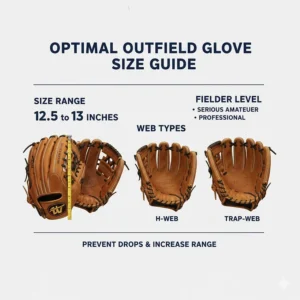
Getting the right size makes all the difference between confident catches and frustrating misses. Outfield gloves typically range from 12 to 13 inches, measured from the heel to the top of the index finger. However, simply knowing the measurement isn’t enough – you need to understand how size impacts your performance.
Size Guidelines by Age and Position
Youth Players (Ages 7-12):
Youth outfield gloves typically measure 10.75-12 inches. Younger players benefit from slightly smaller gloves that don’t overwhelm their hands while still providing adequate reach for catching fly balls.
High School Players (Ages 13-18):
At this level, players transition to 12-12.5 inch gloves. This size range offers the perfect balance between control and coverage as skills develop and competition intensifies.
Adult Players (18+):
Adult outfield gloves measure 12.5-13 inches. Professional outfielders often prefer 12.75 inches as the sweet spot, though some center fielders opt for slightly larger 13-inch models for maximum coverage.
The Fit Test: Finding Your Perfect Match
A properly fitted glove should feel snug around your hand without restricting movement. Here’s how to test fit properly: slip your hand into the glove and make a fist. The glove should close naturally without excessive force. Your fingers should reach about halfway up the finger stalls, allowing control without feeling cramped. The wrist strap should secure comfortably without cutting off circulation.
Remember that leather gloves will conform to your hand over time, so a slightly snug initial fit actually works in your favor. Conversely, if a glove feels loose initially, it’ll only get worse with use, compromising your catching confidence.
Essential Features of Quality Outfield Gloves 🎯
Web Design Matters More Than You Think
The web pattern affects both functionality and visibility. H-webs provide excellent balance between flexibility and visibility, making them popular among outfielders who need to track balls against bright skies. Modified trapeze and full trapeze webs create deeper pockets that prevent balls from popping out during diving catches or collisions with walls.
Single post webs offer maximum visibility but sacrifice some pocket depth. For outfielders, deeper web patterns generally perform better because they secure the ball more effectively during aggressive plays.
Leather Quality: The Foundation of Performance
Premium leather options include:
Steer Hide Leather:
The gold standard for baseball gloves. Full-grain steer hide offers exceptional durability and develops a perfect pocket over time. It requires more break-in but rewards patience with years of reliable performance.
Kip Leather:
Lighter and more supple than steer hide, kip leather breaks in faster while maintaining good structure. It’s often used in premium Japanese and European gloves.
Buffalo Leather:
Offers unique texture and durability with a distinctive feel. Buffalo leather breaks in quickly while maintaining shape through heavy use.
Pocket Depth and Break-In Considerations
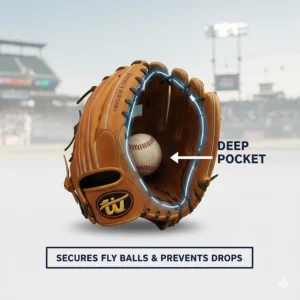
Outfield gloves require deeper pockets than infield models. This depth prevents balls from popping out during diving plays or when making catches on the run. However, deeper pockets typically require more break-in time to develop proper shape and flexibility.
Modern manufacturing techniques like 80% factory break-in can significantly reduce the time needed to get your glove game-ready. Some premium models like the Mizuno Pro Select feature accelerated break-in processes that maintain structural integrity while reducing preparation time.
Breaking In Your New Outfield Glove 🧤
The Right Way to Break In Premium Leather
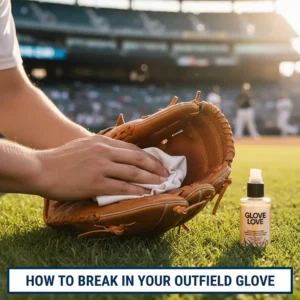
Breaking in a quality glove properly ensures optimal performance and longevity. Start by applying a small amount of glove conditioner or oil to the leather, focusing on the palm and pocket areas. Avoid oversaturating – less is more when conditioning premium leather.
Traditional Methods:
Play catch consistently for 30-60 minutes daily. This gradually shapes the pocket while maintaining leather integrity. Place a softball in the pocket when not in use, securing it with rubber bands or the glove’s finger laces.
Accelerated Techniques:
Some players use glove mallets or softballs to pound the pocket, creating shape faster. Professional glove steaming services can also reduce break-in time significantly, though this should only be done by experienced professionals to avoid damaging the leather.
According to Baseball Savings experts, proper break-in typically takes 2-4 weeks of regular use for premium leather gloves, while mid-range options may be game-ready in 1-2 weeks.
Maintenance Tips for Long-Term Performance
Clean your glove regularly using a soft cloth to remove dirt and debris. Avoid using water or harsh chemicals that could damage the leather. Store your glove in a cool, dry place away from direct sunlight and extreme temperatures, which can cause leather to dry out and crack.
Apply leather conditioner every few months during the season to maintain suppleness. Between seasons, store your glove with a ball in the pocket to maintain its shape. Never leave your glove in hot cars or garages where temperature fluctuations can damage the leather structure.
Comparing Web Patterns for Outfield Play 🕸️
| Web Type | Visibility | Pocket Depth | Break-In Time | Best For |
|---|---|---|---|---|
| H-Web | Excellent | Medium-Deep | Moderate | All-around outfielders |
| Modified Trapeze | Good | Very Deep | Longer | Corner outfielders |
| Trapeze | Fair | Maximum | Longest | Power hitters in OF |
| Single Post | Best | Shallow | Quick | Center fielders prioritizing visibility |
The web pattern you choose should align with your playing style and position. Center fielders often prefer H-webs because the openings allow better visibility when tracking balls against the sun or stadium lights. Corner outfielders might opt for modified trapeze webs that provide extra security when making catches near the walls.
💬 Just one click – help others make better buying decisions too!😊
Price vs Performance: What’s Worth the Investment? 💰
Budget Tier ($40-$100)
Entry-level gloves like the Franklin Sports ProFlex offer surprising value for recreational players, beginners, or those needing practice equipment. These gloves typically feature hybrid construction with synthetic materials reducing costs while maintaining functional performance. Expect 1-2 seasons of regular use before replacement becomes necessary.
Mid-Range Tier ($150-$250)
This sweet spot includes options like the Marucci Ascension and Rawlings Gamer XLE. You’re getting premium features, quality leather construction, and designs inspired by professional equipment. Mid-range gloves typically last 3-5 seasons with proper care, making them excellent long-term investments for serious amateur players.
Premium Tier ($250-$500+)
Top-tier gloves like the Rawlings Heart of the Hide, Wilson A2000, and Mizuno Pro Select represent the pinnacle of glove craftsmanship. These gloves use the finest leathers, professional patterns, and meticulous construction techniques. With proper maintenance, premium gloves can last 5-10+ seasons, actually making them cost-effective over time for dedicated players.
According to research from the National Sporting Goods Association, players using premium equipment report higher satisfaction and confidence levels, which can directly impact performance and enjoyment of the game.
How to Choose Based on Your Playing Level 🎓
Youth and Beginner Players
Start with properly sized gloves that don’t overwhelm smaller hands. Look for models with minimal break-in requirements and durable construction that withstands learning curves. Budget-friendly options work perfectly here since young players outgrow equipment quickly. Focus on getting comfortable with the fundamentals rather than chasing premium features.
High School and Competitive Players
This level demands quality equipment that performs consistently. Mid-range to premium gloves make sense as players develop serious skills and compete at higher levels. Invest in proper break-in and maintenance since these gloves become extensions of your playing identity.
College and Semi-Pro Players
At this level, equipment directly impacts performance and scouting opportunities. Premium gloves from Wilson, Rawlings, and Mizuno become standard equipment. Many players own multiple gloves – one fully broken-in for games and another for practice. The investment in professional-grade equipment pays dividends in confidence and performance.
Common Mistakes When Buying Outfield Gloves ⚠️
Mistake #1: Choosing Based on Brand Alone
Don’t automatically default to the most famous brand. While Wilson and Rawlings dominate the market for good reasons, brands like Mizuno, Nokona, and Marucci offer exceptional quality at competitive prices. Test multiple brands to find what feels natural on your hand.
Mistake #2: Ignoring Web Design Impact
The web pattern significantly affects how you see and catch balls. Some players purchase gloves based purely on aesthetics without considering how the web design matches their position and playing style. Center fielders need different web patterns than corner outfielders.
Mistake #3: Rushing the Break-In Process
Trying to accelerate break-in with improper methods damages leather and shortens glove life. Avoid using ovens, microwaves, or excessive oils. Instead, commit to proper break-in techniques that preserve leather quality while developing optimal pocket shape.
Mistake #4: Buying the Wrong Size
Bigger isn’t always better. Oversized gloves become unwieldy and slow transfer times, while undersized gloves compromise reach and catching ability. Find the size that matches your hand size and playing style rather than defaulting to maximum dimensions.
Caring for Your Investment: Glove Maintenance Guide 🧽
Weekly Maintenance During Season
After each game or practice, wipe down your glove with a soft, dry cloth to remove dirt, grass, and moisture. Check laces for fraying or looseness – tighten or replace them before they break during play. Store your glove with a ball in the pocket to maintain shape.
Monthly Deep Cleaning
Apply a small amount of quality leather conditioner to keep leather supple. Use circular motions to work it into the palm, fingers, and web. Let it absorb overnight before using the glove again. Never oversaturate – excess oil can weaken leather fibers and accelerate breakdown.
Off-Season Storage
Clean your glove thoroughly before storing it for winter. Apply leather conditioner and place a ball in the pocket, securing it with the glove’s laces or rubber bands. Store in a cool, dry location away from temperature extremes and direct sunlight. Consider using a glove wrap or bag for additional protection.
According to MLB.com equipment managers, professional players often have dedicated glove care routines that extend equipment life well beyond typical amateur usage patterns.
Advanced Features for Competitive Players 🚀
Dual Welting Technology
Premium gloves like the Wilson A2000 feature dual welting integrated into the liner, offering better support and helping maintain shape over time. This seemingly small detail makes significant differences in long-term performance and pocket retention.
SuperSkin and Hybrid Materials
Modern materials like Wilson’s SuperSkin reduce weight while increasing durability. These microfiber materials are half the weight of traditional leather but twice as durable, keeping gloves lightweight throughout long games while shedding moisture effectively.
Custom Fit Systems
Advanced gloves incorporate custom fit technologies like Pedroia Fit (shorter finger stalls and narrower wrist openings) or Marucci’s M-Type system with integrated thumb sleeves. These systems maximize comfort and control for players with specific hand proportions.
Professional Patterns from Player Scans
Brands like Mizuno use 3D scans of hundreds of professional players’ gloves to create position-specific patterns. These professional patterns position the pocket optimally and ensure proper break-in characteristics based on real player preferences and usage data.
Position-Specific Considerations 🎯
Center Field Requirements
Center fielders need maximum visibility and range. Look for gloves in the 12.75-13 inch range with H-web or single post designs that don’t obstruct sight lines. Lighter weight becomes crucial since center fielders cover more ground than corner outfielders.
Left and Right Field Needs
Corner outfielders benefit from deeper pockets and slightly smaller gloves (12.5-12.75 inches) that facilitate quicker transfers for throwing out runners. Modified trapeze webs provide excellent pocket depth while maintaining reasonable visibility.
Multi-Position Versatility
If you play multiple positions, consider gloves in the 12-12.5 inch range with H-web designs. These sizes and patterns perform adequately in both outfield and infield situations, though they represent compromises in position-specific optimization.
Frequently Asked Questions ❓
❓ How long should a best glove for outfield last with proper care?
❓ Can I use infield gloves for outfield positions?
❓ Should I get right hand throw or left hand throw for best glove for outfield?
❓ What's better for top outfield gloves – open back or closed back?
❓ How do I know when to replace my outfield glove?
Conclusion: Making Your Final Decision 🎯
Choosing the best glove for outfield ultimately comes down to matching your specific needs with the right combination of size, quality, and features. Whether you’re investing in a premium Rawlings Heart of the Hide that’ll serve you for a decade or starting your outfield journey with a budget-friendly Franklin ProFlex, the key is finding equipment that builds your confidence and enhances your performance.
Remember that the most expensive glove isn’t automatically the best choice for your situation. Consider your playing level, budget, and commitment to proper break-in and maintenance. A well-cared-for mid-range glove often outperforms a neglected premium model.
The seven gloves featured in this guide represent the best options currently available across all price ranges. Each one offers distinct advantages depending on your priorities – from the made-in-USA craftsmanship of Nokona to the innovative materials in the Wilson A2000 to the unbeatable value of the Marucci Ascension.
Take your time making this decision. Visit local retailers to try on gloves whenever possible, paying attention to how each one feels on your hand and closes around your fist. Read customer reviews, watch video demonstrations, and don’t hesitate to reach out to manufacturers with specific questions about sizing or features.
Your glove becomes your most trusted teammate on the field – choose wisely, break it in properly, and maintain it carefully. That perfect glove is out there waiting to help you make game-saving catches and build memories that last a lifetime.
🛍️ Upgrade Your Defense Today!
Ready to transform your outfield game? Click any highlighted product above to check current pricing and availability on Amazon. Whether you’re going premium or staying budget-conscious, the right glove is just a click away. Don’t wait – the best deals move fast!
Recommended for You 📚
- Outfield Gloves: 7 Best Picks for 2025
- Left Handed First Baseman Glove: 7 Top Choices 2025
- Youth First Baseman Glove: 7 Game-Changing Picks 2025
Disclaimer: This article contains affiliate links. If you purchase products through these links, we may earn a small commission at no additional cost to you.
✨ Found this helpful? Share it with your friends! 💬🤗
