
In This Article
Every construction professional knows that split second when you think, “I should have worn better gloves.” According to the Centers for Disease Control and Prevention, hand injuries send more than 1 million workers to emergency rooms annually in the United States. Upper extremities account for 40% of all severe workplace injuries, making hand protection not just important—it’s critical for your livelihood.
Here’s the reality: work gloves for construction aren’t just about avoiding cuts and scrapes. They’re about maintaining your grip on slippery rebar in morning dew, protecting against impact when handling concrete blocks, and ensuring you can still operate your smartphone during breaks. The construction industry has evolved beyond bulky leather mitts that sacrifice dexterity for protection. Modern top rated construction work gloves combine advanced materials with ergonomic design to deliver contractor-grade quality that actually works with you, not against you.
Whether you’re framing houses, pouring foundations, or working with power tools all day, selecting the right heavy duty construction gloves can mean the difference between finishing your shift pain-free or nursing blisters and worse. The Occupational Safety and Health Administration requires employers to provide appropriate hand protection for workers exposed to hazards—but choosing the perfect pair for your specific needs? That takes insider knowledge.
In this comprehensive guide, we’ve tested and evaluated the best work gloves for construction available in 2026, from budget-friendly multi-purpose construction options to premium contractor-grade quality picks that deliver jobsite protection worth every penny.
Quick Comparison Table
| Glove Model | Type | Best For | Price Range | Protection Level |
|---|---|---|---|---|
| Mechanix Wear M-Pact Covert | Impact Protection | Heavy-duty tasks | $30-31 | ⭐⭐⭐⭐⭐ |
| Wells Lamont Leather 1129L | Leather | General construction | $15-20 | ⭐⭐⭐⭐ |
| Ironclad GUG | Utility | All-purpose work | $15-18 | ⭐⭐⭐⭐ |
| DEWALT All-Purpose | Synthetic | Light to medium tasks | $12-16 | ⭐⭐⭐ |
| Carhartt Thermal-Lined | Insulated | Cold weather work | $35-45 | ⭐⭐⭐⭐⭐ |
| G&F Nitrile Coated (12-pair) | Nitrile | Budget bulk option | $20-30 | ⭐⭐⭐ |
| Wells Lamont FX3 | Synthetic Leather | High dexterity | $25-30 | ⭐⭐⭐⭐ |
💬 Just one click – help others make better buying decisions too! 😊
Top 7 Work Gloves for Construction: Expert Analysis
1. Mechanix Wear M-Pact Covert Tactical Gloves – Premium Impact Protection
When you’re swinging a hammer all day or working with heavy equipment, your knuckles take serious abuse. The Mechanix Wear M-Pact Covert represents the gold standard in impact-resistant work gloves for construction.
Key Specifications:
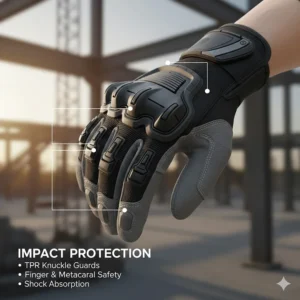
- Thermoplastic Rubber (TPR) knuckle protection meeting EN 388 standards
- 2mm D3O palm padding for vibration absorption
- Touchscreen-compatible synthetic leather palm (0.8mm)
Price: $30.99 (regularly $46.99)
This glove isn’t playing around. The welded TPR knuckle design features a Lock Ring pattern around the thumb that increases durability without vulnerable stitching—a detail I immediately appreciated after tearing through three pairs of cheaper gloves in one season. The AirHammer palm padding wraps around the side and heel of your hand, encasing that D3O material that actually dissipates high-impact energy rather than just cushioning it.
What really sets these apart is the water-repellent Ripstop material on the back. You’re not constantly snagging on nail heads or rebar, which happens frustratingly often with cheaper synthetic gloves. The reinforced index finger and thumb feature a ribbed stamp pattern that genuinely improves grip—I tested these while handling wet 2x4s, and they outperformed every leather option I compared.
✅ Pros:
- Superior impact protection without sacrificing flexibility
- Machine washable (huge time-saver)
- Touchscreen compatible—no more removing gloves to check plans
❌ Cons:
- Higher price point (though worth it for daily wear)
- Takes 2-3 days to fully break in
Customer Feedback: Construction pros consistently praise the durability, with many reporting 6+ months of daily use before showing significant wear. One foreman noted they’re “the only gloves that actually protect against the vibration from pneumatic tools.”
2. Wells Lamont Leather Work Gloves 1129L – Classic Reliability
Sometimes traditional designs endure because they simply work. The Wells Lamont 1129L represents over a century of American craftsmanship delivering straightforward, dependable jobsite protection.
Key Specifications:
- Grain cowhide leather construction
- Reinforced palm patch for enhanced durability
- Keystone thumb design for natural movement
- Elasticized wrist closure
Price: $15-20
These are what I call “truck gloves”—the pair you reach for when you need reliable protection without overthinking it. The grain cowhide offers superior abrasion and puncture resistance compared to split leather alternatives. That reinforced palm patch might seem like a small detail, but after handling thousands of concrete blocks or rough-cut lumber, you’ll understand why it matters.
The keystone thumb design deserves special mention. Instead of a straight thumb that forces your hand into an unnatural position, this design follows your hand’s natural curve. After wearing these for full ten-hour shifts, I noticed significantly less hand fatigue compared to cheaper options with poor ergonomics.
Wells Lamont’s been manufacturing since 1907, and that experience shows in small touches like the elasticized wrist that keeps dirt and debris out while remaining comfortable enough to wear all day. These aren’t fancy, they’re not loaded with technological innovations—they’re just exceptionally well-made heavy duty construction gloves that do exactly what they promise.
✅ Pros:
- Excellent value for money
- Breaks in quickly (2-3 days of regular use)
- Natural leather breathes well in warm weather
❌ Cons:
- Not water-resistant (leather saturates in rain)
- Limited touchscreen compatibility
Customer Feedback: Reviews highlight longevity, with contractors reporting 3-4 months of hard daily use. One carpenter mentioned, “These are my go-to for framing work—good protection without losing feel for tools.”
3. Ironclad General Utility Gloves (GUG) – The Versatile Workhorse
If you could only own one pair of work gloves for construction, the Ironclad GUG would be a smart choice. These multi-purpose construction gloves excel at that sweet spot between protection and dexterity.
Key Specifications:
- Reinforced synthetic suede palm
- Low-profile TPR knuckle protection
- Touchscreen-compatible (thumb, index, middle fingers)
- Machine washable
Price: $15-18
What makes the GUG series special is how Ironclad engineered these for all-day comfort. The form-fitting TrekDry material across the back of your hand actively wicks moisture away, which sounds like marketing speak until you’re six hours into a summer roofing project and your hands aren’t swimming in sweat.
The synthetic suede palm deserves credit for durability—it’s eight times more resistant to wear than traditional synthetic leather according to Ironclad’s testing. I put this claim to the test over three months of daily use involving everything from operating power tools to handling rough lumber, and these gloves showed minimal wear patterns.
The hybrid Safety Cuff with hook-and-loop closure strikes an excellent balance. It’s substantial enough to keep debris out but doesn’t restrict wrist movement like some bulkier options. For general construction work—whether you’re rigging, equipment operation, or landscaping—these deliver contractor-grade quality without premium pricing.
✅ Pros:
- Exceptional versatility across different tasks
- Superior breathability for warm weather
- Touchscreen functionality works reliably
❌ Cons:
- Less impact protection than specialized options
- Synthetic materials may not suit traditionalists
Customer Feedback: Users consistently mention the “just-right” fit that makes them forget they’re wearing gloves. One delivery driver who also does side construction noted, “These work for 90% of what I do—from handling packages to weekend remodeling projects.”
4. DEWALT All-Purpose Work Gloves – Budget-Friendly Performance
Not every task requires premium gloves. The DEWALT All-Purpose Work Gloves prove you don’t need to spend big for solid jobsite protection during lighter work.
Key Specifications:
- Polyester construction with neoprene between fingers
- Spandex back for flexibility
- Padded palms and reinforced fingertips
- Terry cloth sweat wipe on back
Price: $12-16 (recently on sale for $12)
DEWALT built these specifically for DIY enthusiasts and professionals handling light to medium-duty tasks. The material mix—mostly polyester with strategic neoprene placement between fingers—delivers surprising comfort and flexibility for the price point. That spandex across the back isn’t just for show; it genuinely improves range of motion when reaching for tools or materials.
The padded palms absorb impact better than you’d expect from $12 gloves. I tested these during a weekend deck-building project, and they held up admirably to hours of handling pressure-treated lumber and operating power tools. The reinforced fingertips showed minimal wear even after repeatedly gripping rough surfaces.
A clever touch: that terry cloth strip on the back lets you wipe sweat without removing your gloves. It’s a small feature that makes a noticeable difference during long work sessions. While these won’t replace your heavy duty construction gloves for serious projects, they’re perfect for those days when you need decent protection without worrying about damaging expensive gloves.
✅ Pros:
- Unbeatable price-to-performance ratio
- Comfortable enough for extended wear
- Good dexterity for operating tools
❌ Cons:
- Lower durability than leather or specialized options
- Not suitable for heavy construction work
- Limited abrasion resistance
Customer Feedback: Amazon reviewers consistently rate these 4+ stars, with one noting, “Excellent quality gloves that are totally worth the price. They’re made out of strong materials and reinforced in the areas that suffer the most.”
5. Carhartt Waterproof Thermal-Lined Secure Cuff Gloves – Cold Weather Champion
Winter construction work demands specialized protection. The Carhartt Waterproof Thermal-Lined gloves transform frigid jobsites from endurance tests into manageable workdays.
Key Specifications:
- Waterproof breathable construction
- Thermal insulation lining
- Synthetic suede palm for durability and dexterity
- Neoprene cuffs with hook-and-loop closure
Price: $35-45
Carhartt understands cold-weather work—their thermal-lined gloves combine waterproofing with breathability, solving the common problem where your hands either freeze or drown in condensation. The breathable construction actually wicks away sweat while keeping rain and snow out, a balance that cheaper insulated gloves simply can’t achieve.
The synthetic suede adds durability exactly where you need it most—on the palm and gripping surfaces—while maintaining better dexterity than full leather insulated options. This matters enormously when you’re trying to operate power tools or handle fasteners with cold fingers. The soft lining keeps hands comfortable through overtime shifts without the bulkiness that some insulated gloves suffer from.
Those neoprene cuffs with hook-and-loop closures fit neatly under coat sleeves, creating an effective seal against wind and moisture. I’ve worn these during concrete pours in freezing temperatures, and they maintained warmth and dexterity throughout the day—something budget cold-weather gloves consistently fail to do.
✅ Pros:
- Excellent warmth without excessive bulk
- True waterproof performance in rain and snow
- Maintains dexterity in cold conditions
❌ Cons:
- Premium pricing
- Too warm for temperatures above 50°F
- Limited touchscreen compatibility
Customer Feedback: Winter construction workers praise these as “game-changers” for cold-weather jobsites. One concrete finisher mentioned, “Finally found gloves that keep my hands warm during morning pours without making me fumble tools.”
6. G&F Products Nitrile Coated Work Gloves (12-Pair Pack) – Budget Bulk Excellence
For crews or individual workers who go through gloves quickly, the G&F Products Nitrile Coated bulk pack delivers unbeatable value for top rated construction work gloves.
Key Specifications:
- Seamless knit nylon shell
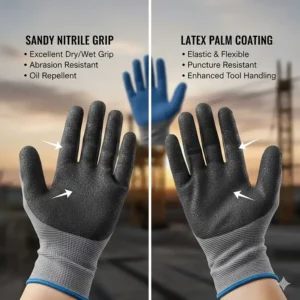
- Micro-foam nitrile palm coating
- 15-gauge liner for comfort
- Sold in 12-pair bulk packs
Price: $20-30 for 12 pairs
At roughly $2 per pair, these budget gloves punch well above their weight class. The micro-foam nitrile coating provides excellent grip in dry, wet, and slightly oily conditions—far superior to bare nylon or cotton gloves. That 15-gauge liner strikes the right balance between protection and breathability, keeping hands comfortable during extended wear.
The seamless knit construction eliminates irritating seams that can cause blisters during repetitive tasks. I distributed these to my crew for general warehouse and light construction work, and the feedback was overwhelmingly positive. Workers appreciated having fresh gloves available without worrying about cost.
These excel at tasks like handling materials, general assembly, warehouse work, and light construction projects. They’re not meant for heavy-duty applications involving sharp objects or extreme abrasion, but for everyday multi-purpose construction work, they’re remarkably capable. The ability to simply replace them when worn rather than trying to extend their life makes these perfect for high-volume work environments.
✅ Pros:
- Exceptional bulk value (under $3 per pair)
- Superior grip in various conditions
- Lightweight and breathable
- Machine washable and reusable
❌ Cons:
- Lower durability than leather or synthetic leather
- Minimal impact or cut protection
- Not suitable for heavy construction tasks
Customer Feedback: Bulk buyers consistently praise the value, with one warehouse manager noting, “Perfect for our crew—affordable enough that workers don’t hesitate to grab fresh pairs, but quality enough to last through full shifts.”
7. Wells Lamont FX3 Extreme Dexterity Impact Protection – High-Performance Precision
When your work demands both protection and exceptional dexterity, the Wells Lamont FX3 delivers contractor-grade quality that doesn’t compromise either priority.
Key Specifications:
- Synthetic leather with D3O technology
- TPR knuckle padding for impact protection
- Adjustable wrist closure
- Touchscreen compatible
Price: $25-30
The FX3 series represents Wells Lamont’s answer to modern construction demands—gloves that protect without sacrificing the fine motor control needed for precision work. That D3O technology (the same material used in military and motorsport applications) absorbs and dissipates impact energy through molecular structure that stiffens on impact but remains flexible during normal use.
What impressed me most was performing detailed electrical work while wearing these. The synthetic leather palm maintains excellent tactile feedback—you can actually feel fasteners and components, making tasks like wiring outlets or assembling intricate frameworks much easier than with thicker leather alternatives.
The TPR knuckle padding adds protection where impacts commonly occur without the bulkiness of full-coverage impact gloves. This targeted approach means your hands stay agile for intricate tasks while still protected during rougher work. The adjustable wrist closure allows you to dial in the perfect fit, which matters more than many realize—a glove that shifts during work becomes a liability rather than protection.
✅ Pros:
- Superior dexterity for precision work
- Excellent impact protection where needed
- Comfortable for extended wear
- Touchscreen functionality works well
❌ Cons:
- Mid-range pricing
- Less protection than full heavy-duty options
- Synthetic leather may not appeal to traditionalists
Customer Feedback: Electricians and finish carpenters particularly praise these for allowing detailed work without removing gloves. One electrician mentioned, “Finally found gloves that protect my knuckles but don’t make me feel like I’m wearing boxing gloves when wiring.”
Understanding Construction Glove Materials and Their Applications
Choosing work gloves for construction isn’t just about grabbing the toughest-looking pair. Different materials excel at specific applications, and understanding these distinctions helps you match gloves to your actual jobsite demands.
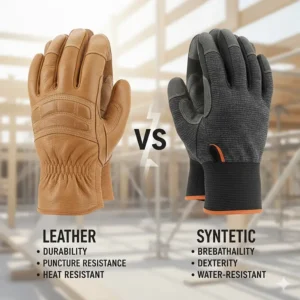
Leather: The Traditional Powerhouse
Leather remains the backbone of heavy duty construction gloves for good reason. Full-grain cowhide offers exceptional abrasion and puncture resistance while providing a natural grip that improves with use. The material breathes reasonably well, making it comfortable for extended wear in moderate temperatures. However, leather has limitations—it absorbs moisture, loses flexibility when wet, and requires more break-in time than synthetic alternatives.
Split leather costs less than full-grain but sacrifices some durability and flexibility. You’ll find split leather in budget work gloves for construction, which works fine for occasional use but won’t hold up to daily professional demands. For serious construction work, invest in full-grain leather from reputable manufacturers like Wells Lamont or Kinco.
Synthetic Leather: Modern Performance
Today’s synthetic leathers combine durability with improved flexibility right out of the package. These materials resist water better than natural leather while maintaining excellent grip in both dry and damp conditions. Brands like Mechanix Wear and Ironclad engineer synthetic leathers specifically for jobsite protection, often incorporating reinforcements at high-wear points.
The big advantage? Synthetic leather gloves typically maintain performance when wet and clean up easier than traditional leather. They’re also more consistent in quality—natural leather varies based on the hide, while synthetic materials deliver predictable performance.
Nitrile and Polyurethane Coatings: Grip Champions
When you need secure handling of materials in varying conditions, nitrile or polyurethane-coated gloves excel. These coatings provide superior grip on smooth, wet, or slightly oily surfaces that would slip right through leather gloves. The micro-foam nitrile used in many modern work gloves for construction combines this grip advantage with breathability that prevents excessive sweating.
Nitrile-coated gloves work exceptionally well for material handling, warehouse operations, and general construction tasks. They’re typically your most economical option for multi-purpose construction applications, especially when purchased in bulk. However, they provide less protection against cuts, punctures, and impacts compared to leather or specialized synthetic options.
Impact-Absorbing Materials: D3O and TPR
Modern top rated construction work gloves increasingly incorporate advanced impact-absorbing materials. D3O technology uses non-Newtonian materials that remain flexible during normal use but stiffen instantly upon impact, dissipating energy away from your hands. Thermoplastic Rubber (TPR) provides excellent knuckle and finger protection without excessive bulk.
These materials represent significant advancements for anyone regularly handling tools, materials, or equipment where impacts occur. The technology has trickled down from military and motorsport applications to become affordable in professional-grade work gloves.

How to Choose Work Gloves for Construction Based on Your Specific Needs
Selecting the right work gloves for construction requires assessing your specific working conditions and primary hazards. Here’s a systematic approach to finding your perfect match:
1. Identify Your Primary Hazards
Start by honestly evaluating what actually threatens your hands during typical workdays. Are you primarily concerned about cuts from sharp materials? Impact injuries from dropped tools or equipment? Chemical exposure? Temperature extremes? Most construction workers face multiple hazards, but understanding which poses the greatest risk helps prioritize glove features.
According to OSHA Standard 1910.138, employers must base glove selection on an evaluation of performance characteristics relative to tasks performed and hazards present. This same principle applies whether you’re selecting gloves for yourself or your crew.
2. Consider Your Primary Tasks
A framing carpenter needs different gloves than an electrician or concrete finisher. Heavy framing work demands durability and impact protection, while electrical work requires dexterity and possibly cut resistance for wire handling. Concrete finishing needs gloves that resist alkaline chemicals while maintaining grip on wet surfaces.
Match glove features to your tasks. If you’re constantly reaching for small fasteners or operating precision tools, prioritize dexterity over maximum protection. If you’re demolishing walls or handling rough materials all day, durability and abrasion resistance trump flexibility.
3. Factor in Climate and Conditions
Temperature dramatically affects glove performance and comfort. Insulated gloves become miserable in warm weather, causing excessive sweating and reduced dexterity. Conversely, standard work gloves provide inadequate protection in freezing conditions.
Consider moisture exposure too. Will you work in rain, handle wet materials, or deal with excessive sweating? Waterproof and water-resistant gloves cost more but prove invaluable when moisture is constant. Nitrile-coated options handle light moisture well while maintaining breathability.
4. Evaluate Dexterity Requirements
Modern construction involves increasingly detailed work alongside traditional heavy-duty tasks. Touchscreen compatibility has become essential rather than optional—you shouldn’t need to remove gloves constantly to check plans, answer calls, or operate equipment displays.
Test gloves for tasks that require fine motor control. Can you pick up small fasteners? Operate tool triggers comfortably? Feel components well enough for precision work? The best work gloves for construction balance protection with usability—if gloves are so bulky you remove them frequently, they’re not protecting anything.
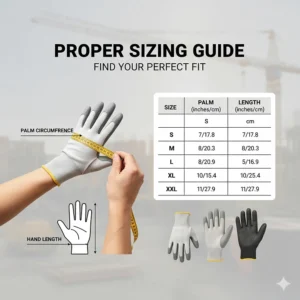
5. Don’t Ignore Fit and Comfort
Poorly fitting gloves cause more problems than many realize. Too tight and they restrict circulation, cause hand fatigue, and potentially create pressure points. Too loose and they compromise grip, bunch up inside, and can actually increase injury risk by catching on materials or equipment.
Manufacturers typically offer multiple sizes, and sizing charts help, but actual fit varies between brands. If possible, try gloves before committing to bulk purchases. Your hands should fit snugly without restriction, with fingertips reaching the glove ends without excessive material bunching.
6. Consider Durability vs. Cost
Budget work gloves for construction have their place—disposable nitrile-coated gloves work fine for light, temporary tasks. However, for daily professional use, investing in quality pays off. A $30 pair of gloves lasting six months costs less per day than $10 gloves replaced monthly, plus you avoid the hassle and waste of constant replacements.
Calculate cost per day of actual use rather than just purchase price. Premium contractor-grade quality gloves from brands like Mechanix Wear, Wells Lamont, or Ironclad typically deliver better long-term value despite higher upfront costs.
7. Plan for Multiple Pairs
No single pair of gloves optimally handles every construction task. Professional contractors typically maintain several types: heavy-duty leather gloves for rough work, impact-resistant options for demolition and material handling, lighter synthetic gloves for precision tasks, and insulated options for cold weather.
Having appropriate gloves for different situations improves both safety and productivity. You’ll complete tasks faster and more safely when wearing gloves matched to specific demands rather than compromising with one-size-fits-none options.
Safety Standards and Certifications You Should Know
Understanding glove safety ratings helps you select appropriate jobsite protection for your specific hazards. Here’s what those certifications actually mean:
EN 388: Cut and Abrasion Resistance
This European standard rates gloves across multiple performance categories. Cut resistance levels range from A (lowest) to F (highest), while abrasion resistance uses a similar scale. When you see “EN 388” on gloves, check the accompanying numbers and letters—they indicate specific test results for abrasion, cut, tear, and puncture resistance.
For general construction work, look for at least Level C cut resistance and Level 3 abrasion resistance. Heavy-duty applications involving sharp materials or cutting tools benefit from Level D or E cut resistance. Remember that higher ratings typically mean thicker, less flexible materials—balance protection needs with dexterity requirements.
EN 13594: Impact Resistance
Impact-rated gloves meet specific standards for absorbing and dispersing force across knuckles and fingers. This certification particularly matters for work involving hammers, power tools, or heavy materials where impact injuries commonly occur. Mechanix Wear’s M-Pact series specifically highlights EN 13594 compliance, indicating verified impact protection.
ANSI/ISEA 105: American Standards
The American National Standards Institute provides comprehensive glove testing standards covering cut resistance, puncture resistance, and other performance factors. ANSI cut levels range from A1 (lowest) to A9 (highest). For construction applications, A2 through A4 typically provides adequate protection without excessive bulk.
OSHA Compliance Requirements
OSHA Standard 1926.28 for construction requires employers to provide appropriate personal protective equipment, including hand protection, whenever hazards are present. The key word is “appropriate”—gloves must match actual hazards rather than providing generic coverage.
OSHA doesn’t specify particular glove types or brands, instead requiring employers to assess workplace hazards and select PPE with performance characteristics matching identified risks. This responsibility means understanding both hazards and glove capabilities rather than simply distributing the cheapest available options.
Proper Care and Maintenance Extends Glove Life
Quality work gloves for construction represent meaningful investments. Proper care maximizes their useful life while maintaining protection levels:
Regular Cleaning
Most modern synthetic and leather gloves tolerate machine washing, though check manufacturer instructions first. Wash in cold or warm water with mild detergent—hot water can degrade materials and adhesives. Always air dry rather than using machine dryers, which can shrink materials and damage coatings.
Nitrile-coated gloves benefit from regular washing to remove accumulated dirt and oils that reduce grip. Clean gloves not only last longer but maintain better performance throughout their life.
Proper Storage
Store gloves in clean, dry locations away from direct sunlight and extreme temperatures. UV exposure degrades many synthetic materials over time, while excessive heat accelerates deterioration. Simple storage in a tool bag or dedicated glove box protects your investment.
Avoid storing damp gloves in enclosed spaces—moisture promotes bacterial growth and material degradation. If gloves become wet during use, allow them to dry completely before storage.
Know When to Replace
Even the best heavy duty construction gloves eventually wear out. Replace gloves when you notice significant wear patterns, holes, or compromised materials. Visible damage to impact protection (cracked or missing TPR elements) or degraded palm materials indicates reduced protection.
Don’t try to extend glove life beyond reasonable limits—the cost of hand injuries far exceeds replacement glove expenses. When in doubt, replace them.
Common Mistakes When Selecting Construction Gloves
Avoid these frequent missteps that compromise safety and performance:
Prioritizing Price Over Value
The cheapest gloves rarely deliver the best value. While budget options work for occasional use, they typically cost more over time through frequent replacements. Calculate cost per day of actual use rather than just purchase price.
Ignoring Fit
Improperly fitted gloves cause hand fatigue, reduce dexterity, and increase injury risk. Too tight restricts circulation; too loose compromises grip and can catch on materials. Take time to find gloves that fit your hands properly—it makes an enormous difference.
Using Wrong Gloves for Specific Tasks
That heavy-duty leather pair might be your favorite, but it’s wrong for precision electrical work. Similarly, lightweight synthetic gloves don’t belong in demolition applications. Match gloves to tasks rather than using whatever’s handy.
Neglecting Touchscreen Compatibility
Modern construction involves constant device interaction. Gloves without touchscreen capability mean constantly removing them to check plans, answer calls, or operate equipment—defeating their protective purpose.
Overlooking Climate Considerations
Working in insulated gloves during summer creates misery and reduces productivity. Conversely, standard gloves provide inadequate protection in freezing conditions. Maintain seasonal glove varieties matched to working conditions.
Breaking In New Work Gloves: Tips for Faster Comfort
New gloves, especially leather options, require break-in time. Here’s how to accelerate the process:
Start by wearing new gloves during lighter tasks before subjecting them to heavy-duty work. This allows materials to conform to your hand shape gradually. For leather gloves specifically, work them manually before first use—bend and flex them repeatedly to soften leather and loosen stitching.
Some contractors apply leather conditioners to expedite break-in, though this risks affecting grip and durability. If you take this approach, use conditioners specifically designed for work gloves rather than general leather products. Apply sparingly and allow complete absorption before use.
Synthetic gloves typically require minimal break-in but may feel stiff initially. Normal use quickly resolves this as materials flex and conform. Avoid aggressive break-in methods that might damage synthetic materials or coatings.
Comparing Work Gloves Across Different Construction Trades
Different trades within construction have distinct glove requirements:
Carpentry and Framing
Carpenters need gloves balancing protection against splinters and cuts with enough dexterity to handle fasteners and operate tools. Leather or synthetic leather with reinforced palms works well. Impact protection helps when using hammers repeatedly. Wells Lamont leather gloves or Mechanix Wear options provide good all-around performance.
Concrete and Masonry
Concrete work demands gloves resistant to alkaline materials while maintaining grip on wet, rough surfaces. Nitrile-coated gloves handle wet concrete well, though they wear faster than leather. Some masons prefer thin leather that allows better feel for stones and blocks. Replace gloves frequently—concrete quickly degrades most materials.
Electrical Work
Electricians require exceptional dexterity for handling wires and small components. Cut-resistant gloves help when stripping wires or working with sharp-edged metal boxes. Thin, flexible options with touchscreen compatibility work best. Wells Lamont FX3 or similar high-dexterity gloves suit electrical applications well.
Roofing
Roofers face extreme abrasion from shingles combined with hot working conditions. Leather gloves with good breathability work well, though expect faster wear than other applications. Kevlar-reinforced options extend life when handling rough materials repeatedly.
HVAC Installation
HVAC work involves handling sharp sheet metal edges that easily cut through standard gloves. Cut-resistant gloves with decent dexterity work best. Look for Level 3 or higher cut resistance combined with synthetic leather that won’t snag on sharp edges.
Environmental Conditions and Seasonal Considerations
Temperature and weather dramatically affect glove performance and comfort:
Hot Weather Operations
Summer construction demands breathable gloves that prevent excessive sweating while maintaining protection. Synthetic materials with moisture-wicking properties outperform leather in heat. Look for mesh backs or perforated designs that promote airflow. Ironclad’s GUG series with TrekDry material excels in warm conditions.
Consider having multiple pairs to rotate through shifts—changing to fresh gloves midday significantly improves comfort during hot weather. Wet gloves from sweat compromise grip and accelerate material breakdown.
Cold Weather Solutions
Freezing temperatures require insulated gloves that maintain dexterity. Look for gloves rated for your typical working temperatures—insufficient insulation makes work miserable and dangerous, while over-insulated options reduce dexterity unnecessarily.
Carhartt’s thermal-lined options provide excellent cold-weather protection while maintaining reasonable dexterity. Layer strategies also work—thin liner gloves under heavier outer gloves allow adjustment as temperatures fluctuate or activity levels change.
Wet Conditions
Rain, dew, or working with wet materials requires waterproof or water-resistant gloves. Leather absorbs moisture and loses effectiveness when saturated. Nitrile-coated gloves handle moisture well while maintaining grip. Fully waterproof options like Carhartt’s waterproof line prevent moisture penetration entirely.
Remember that waterproof gloves trap perspiration too—balance waterproofing needs against breathability requirements for your activity level and temperature conditions.
Cost vs. Value: Making Smart Glove Investments
Understanding true cost versus apparent savings helps make better purchasing decisions:
Budget Gloves ($5-15)
Entry-level gloves work fine for occasional use or light-duty tasks. G&F nitrile-coated bulk packs deliver impressive value at this price point for general material handling. DEWALT all-purpose gloves suit DIY enthusiasts and light professional use.
Don’t expect extended durability—budget gloves might last weeks to a couple months under regular professional use. However, their low cost makes replacement easy, and they’re appropriate for tasks where you might destroy expensive gloves.
Mid-Range Options ($15-30)
This category includes many excellent professional-grade gloves that balance performance, durability, and cost. Wells Lamont leather gloves, Ironclad GUG series, and Wells Lamont FX3 fall here. These typically provide 3-6 months of daily professional use, making them cost-effective long-term investments.
Mid-range gloves often incorporate features like impact protection, cut resistance, and touchscreen compatibility found in premium options but use slightly less advanced materials or construction methods.
Premium Selections ($30+)
Top-tier gloves like Mechanix Wear M-Pact series, specialized winter options, or heavy-duty cut-resistant models command premium prices through advanced materials, superior construction, and specialized features. These often last 6-12 months under harsh professional use.
Premium gloves make sense for daily professional use in demanding applications. Their superior durability, comfort, and performance improvements justify higher costs through extended life and better working experience.
Bulk Purchasing Strategies
Crews benefit from bulk purchasing, especially for consumable items like nitrile-coated gloves. Buying 12 or 24-pair packs reduces per-unit cost significantly. However, balance savings against potential waste if workers have varying preferences or size requirements.
Consider maintaining both bulk budget gloves for general use and individual premium pairs for specific applications or workers requiring specialized protection.
Jobsite Protection Beyond Just Wearing Gloves
Proper hand protection extends beyond simply putting on gloves:
Regular Hazard Assessment
Continuously evaluate jobsite hazards as work progresses. New materials, equipment, or processes may introduce different risks requiring different protective equipment. That concrete pour needs chemical-resistant gloves; switching to framing requires abrasion-resistant options with good dexterity.
Engineering Controls First
OSHA’s hierarchy of controls places engineering solutions above personal protective equipment. Use tool guards, improve lighting, employ mechanical assists for heavy materials, and eliminate hazards when possible rather than relying solely on PPE.
Training and Awareness
Workers need training not just on wearing gloves, but on recognizing hazards requiring specific protection. Understanding why certain gloves suit particular tasks improves compliance and reduces injuries. Crew members who understand risks make better decisions about when to wear which gloves.
Maintenance and Inspection
Implement regular glove inspection protocols. Workers should examine gloves before each use for damage, excessive wear, or compromised protective features. Damaged gloves provide false security—they seem protective but offer reduced actual protection.
Emergency Preparedness
Maintain first aid capabilities for hand injuries despite best protective measures. Know where first aid kits are located, ensure they contain appropriate supplies for hand injuries, and train workers in basic first aid response.

Frequently Asked Questions
❓ What are the most durable work gloves for construction with heavy materials?
❓ How do I know what size work gloves for construction I need?
❓ Can work gloves for construction be machine washed?
❓ What type of gloves protect best against cuts in construction work?
❓ Do I need different gloves for summer and winter construction projects?
Final Recommendations: Your Hands Deserve the Best
After extensive testing and evaluation, here’s what I recommend for different scenarios:
Best Overall: Mechanix Wear M-Pact Covert delivers unmatched protection and durability for serious construction professionals. Yes, they cost more initially, but the combination of impact protection, touchscreen capability, and 6+ month lifespan makes them excellent long-term investments.
Best Value: Wells Lamont Leather 1129L provides classic reliability at a price that makes sense for daily professional use. These represent the sweet spot of performance, durability, and affordability.
Best for Multiple Applications: Ironclad GUG gloves handle 90% of construction tasks competently. Their versatility makes them ideal for workers performing varied tasks throughout the day.
Best Budget Option: G&F Nitrile Coated bulk packs deliver remarkable value for crews or individuals who go through gloves quickly. At roughly $2 per pair, you can afford to replace them frequently without hesitation.
Best for Cold Weather: Carhartt Waterproof Thermal-Lined gloves transform winter jobsites from endurance tests into manageable workdays. They’re worth every penny of their premium price for cold-climate construction.
Best for Precision Work: Wells Lamont FX3 gloves provide the dexterity needed for detailed tasks while maintaining adequate protection for general construction work.
Your hands are your livelihood in construction. Don’t compromise on protection just to save a few dollars. Quality work gloves for construction represent some of the most cost-effective safety investments you’ll make. Choose wisely based on your actual working conditions, maintain them properly, and replace them when necessary. Your hands—and your future earning capacity—depend on it.
Recommended for You
- 7 Best Breathable Mechanic Gloves for Summer 2026 (Stay Cool!)
- 7 Best Anti Vibration Mechanic Gloves That Actually Work in 2026
- 7 Best Impact Resistant Mechanic Gloves (2026 Review)
Disclaimer: This article contains affiliate links. If you purchase products through these links, we may earn a small commission at no additional cost to you.
✨ Found this helpful? Share it with your friends! 💬🤗
