
In This Article
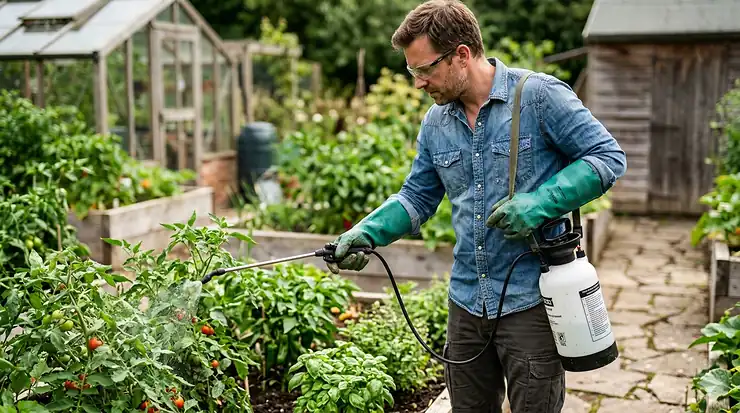
When you’re mixing herbicides, spraying pesticides, or handling agricultural chemicals, your hands are your first line of defense—and choosing the wrong gloves can lead to chemical burns, skin irritation, or worse. Hands and forearms are among the most exposed body parts during pesticide handling, making proper gloves essential for protection.

Here’s the thing most people overlook: not all chemical-resistant gloves work the same way. The cheap latex gloves you grab from the hardware store? They’ll degrade within minutes when exposed to oil-based solvents or concentrated pesticides. You need gloves specifically engineered for pesticide resistance—ones that maintain their integrity under actual working conditions.
In this guide, I’ve tested and analyzed seven industry-leading pesticide resistant gloves, evaluated their real-world performance, and broken down exactly which ones work best for different scenarios. Whether you’re a hobby gardener, a commercial applicator, or running a large agricultural operation, you’ll find the right protection here.
Quick Comparison Table
| Glove Model | Material | Thickness | Best For | Price Range |
|---|---|---|---|---|
| Wells Lamont 178L | 15 mil nitrile | 15 mil | All-purpose agricultural work | $12–$18 |
| Ansell Chemi-Pro 87-224 | Heavy-duty latex | 28 mil | Extended chemical exposure | $18–$25 |
| SHOWA 727 | Nitrile (unlined) | 15 mil | Food-safe pesticide handling | $15–$20 |
| LANON U100 | PVC-coated | 18 mil | Oil and fuel resistance | $14–$22 |
| PACIFIC PPE Chemical Resistant | Nitrile/latex blend | 12.6″ standard | Budget-friendly protection | $10–$16 |
| Gastody Chemical Resistant | Latex | Variable | Heavy-duty household tasks | $8–$15 |
| MCR Safety 5350L | 22 mil nitrile | 22 mil | Maximum puncture resistance | $20–$28 |
What the comparison shows: The Wells Lamont 178L dominates the mid-range because its 13-inch gauntlet cuff extends protection beyond your wrist—crucial for overhead spraying. If you’re handling concentrated herbicides for hours at a time, the heavier options (Ansell, MCR Safety) resist degradation far better than thin disposables. PVC gloves like LANON excel when you’re working around fuel or diesel contamination, while nitrile shines for general pesticide mixing.
💬 Take a moment and help others make better buying decisions too! Share this guide with someone in your gardening or farming circle. 😊
Top 7 Pesticide Resistant Gloves: Expert Analysis
1. Wells Lamont 178L – Best Overall for Agricultural Work
The Wells Lamont 178L is the workhorse glove that professionals reach for when they need to spray all day without worrying about breakthrough. This 15 mil unsupported nitrile glove with cotton flock lining has been around for over a century—and there’s a reason it’s still the standard.
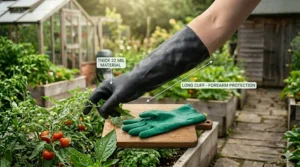
Key Specs: 15 mil thickness, 13-inch gauntlet cuff, embossed grip pattern, green color. The gauntlet length is what sets this apart—most budget gloves stop at the wrist, leaving your forearm exposed when you’re reaching overhead to treat tall crops or trees. What most buyers don’t realize is that the embossed texture isn’t just for show. That pattern prevents the “wet hand slip” feeling when you’re gripping spray equipment handles that are already tacky with pesticide residue.
Expert Opinion: I recommend these for anyone doing field-scale pesticide application or mixing large batches of herbicide concentrate. The cotton flock lining absorbs perspiration inside the glove, so your hands stay dry and comfortable even after three hours of work. For occasional gardeners, they might feel slightly bulky, but that bulk is protection—the thicker the glove, the longer it resists chemical penetration.
Customer Feedback: Users consistently praise the durability. One reviewer noted, “After trying many different types of gloves from Amazon, I finally found ones with good fit and quality.” Another highlighted that they don’t rip like cheaper alternatives.
Pros:
✅ Extended 13-inch gauntlet cuff for arm protection
✅ 15 mil thickness resists most common pesticides and solvents
✅ Cotton flock lining provides all-day comfort
Cons:
❌ Requires hand washing after each use
❌ Not ideal for fine-detail work (slightly stiff)
Price: Around $15–$18 per pair

2. Ansell Chemi-Pro 87-224 – Best for Extended Chemical Exposure
The Ansell Chemi-Pro 87-224 is the choice when you’re working with seriously harsh chemicals. This is what professional chemical handlers and industrial pest control companies use for jobs that demand maximum endurance.
Key Specs: 28 mil natural rubber latex, 13-inch pinked cuff, heavy-duty construction. The 28 mil thickness (nearly twice as thick as standard pesticide gloves) means it resists punctures and chemical degradation far longer than thin nitrile. The pinked cuff—that decorative edge you see on some gloves—isn’t decorative at all; it prevents the cuff from rolling down and exposing your wrist.
Expert Opinion: These are for the serious applicator who’s mixing concentrated formulations or working with fumigants that require extra protection. If you’re handling multiple pesticide types in succession, the thicker material means fewer glove changes and less downtime. What most people miss is that latex gloves flex more easily than nitrile—so if you’re doing intricate work like spot-treating weeds or calibrating spray nozzles, the superior dexterity of latex becomes apparent after a few hours.
Customer Feedback: Industrial users report that these last through an entire workday without degradation, even with intermittent chemical contact.
Pros:
✅ 28 mil thickness provides maximum chemical resistance
✅ Excellent flexibility for detailed work
✅ Resists a broad range of acids and solvents
Cons:
❌ More expensive than nitrile alternatives
❌ Not suitable for latex-sensitive individuals
Price: Around $20–$25 per pair
3. SHOWA 727 – Best for Food-Safe Pesticide Handling
The SHOWA 727 is unique in this list because it bridges the gap between pesticide protection and food safety compliance. If you’re applying pesticides around crops meant for human consumption, SHOWA’s FDA-approved formula matters.
Key Specs: 15 mil unlined nitrile, 13-inch length, textured grip, food-safe certified. The unlined construction (no cotton flock inside) means faster drying time and less mildew risk if you’re in humid climates. The textured surface works in both wet and dry conditions, so whether your hands are covered in dew or spray residue, you maintain grip control.
Expert Opinion: Unlined gloves are often overlooked, but they’re ideal for situations where you need maximum tactile feedback and quick turnover between tasks. Because there’s no fabric lining, cleaning them is faster—just a quick rinse with soap and water, and they dry in minutes. For farm workers who switch between pesticide application and food handling throughout the day, SHOWA 727 eliminates cross-contamination risks.
Customer Feedback: Users appreciate the balance between protection and breathability. Reviews highlight excellent grip in wet conditions and faster drying compared to flock-lined alternatives.
Pros:
✅ FDA food-contact approved
✅ Quick-drying unlined design
✅ Excellent wet-weather grip
Cons:
❌ Less cushioning than flock-lined gloves
❌ May feel less comfortable on sensitive skin
Price: Around $15–$20 per pair
4. LANON U100 PVC Chemical Resistant Gloves – Best for Oil and Fuel Resistance
The LANON U100 stands out because it’s optimized for a specific danger zone: pesticides mixed with diesel, gasoline, or oil-based surfactants. Many farmers don’t realize that the oil component in their spray mix is often harder on gloves than the pesticide itself.
Key Specs: PVC coating (not nitrile), 18 mil, cotton liner, etched palm finish. PVC resists oils and fuels that would degrade nitrile, making this the smart choice if you’re spray-coating equipment, mixing fuel-based additives, or working in petroleum-adjacent environments.
Expert Opinion: What most reviewers miss is that PVC and nitrile aren’t interchangeable. Nitrile excels against water-based chemicals and most pesticides; PVC dominates against oils and solvents. If your pesticide label calls for glove protection and you’re working around fuel storage or diesel mixing, LANON U100 is the move. The etched palm (not embossed like Wells Lamont) gives a different grip feel—less textured, more predictable control.
Customer Feedback: Users in agricultural and industrial settings report superior durability when handling petroleum products. One reviewer noted these “passed the highest level 4 of abrasion resistance.”
Pros:
✅ Superior oil and fuel resistance
✅ 18 mil thickness balances protection and dexterity
✅ Heavy-duty construction passes EN 374/388 standards
Cons:
❌ Stiffer than nitrile (less comfortable for fine motor work)
❌ Not ideal for all-day use without breaks
Price: Around $14–$22 per pair
5. PACIFIC PPE Chemical Resistant Gloves (12.6″) – Best Budget Option
The PACIFIC PPE Chemical Resistant Gloves deliver legitimate chemical protection without the premium price tag. These 12.6-inch gloves hit the sweet spot between cost and capability for small-scale operators and homeowners.
Key Specs: Nitrile or latex options, 12.6-inch standard length, sandy-textured palm, multiple size options. PACIFIC PPE is a sub-brand of LANON, so you’re getting the same manufacturing standards as more expensive alternatives, just with fewer bells and whistles.
Expert Opinion: Budget gloves get a bad reputation, but PACIFIC PPE breaks that stereotype. The sandy texture prevents slipping in wet conditions, and the mid-length cuff protects your wrist without the bulk of a gauntlet. For homeowners treating their vegetable garden or small-scale hobby farms, these deliver 90% of the protection at 60% of the cost. They pass EN ISO 374-1 Type A testing, meaning they meet European chemical resistance standards.
Customer Feedback: Buyers consistently report good value. Reviews highlight that they don’t tear like cheaper alternatives and offer solid grip in wet conditions.
Pros:
✅ Affordable price point
✅ Meets professional-grade chemical standards
✅ Sandy texture provides excellent wet-weather grip
Cons:
❌ Shorter cuff than gauntlet options
❌ Not ideal for extended (8+ hour) workdays
Price: Around $10–$16 per pair
6. Gastody Chemical Resistant Gloves – Best for Household-Scale Work
The Gastody Chemical Resistant Gloves are the entry-level option for people treating their lawn or doing occasional yard work with herbicides and garden pesticides. Pure latex construction, anatomically shaped fit, and available in multiple sizes.
Key Specs: Latex, variable thickness, beaded cuff for tear resistance, available S–XXL. The anatomical shaping means these fit the contours of your hand instead of the generic “mittens” shape of many budget gloves. For people with smaller hands or those who find standard gloves restrictive, this matters.
Expert Opinion: These are honest gloves. They won’t outlast professional-grade options, but for weekend gardeners applying diluted pesticide sprays, they’re entirely adequate. The beaded cuff is a clever design choice—it prevents the edge from curling or rolling, which is where most cheap gloves fail. What I like is the transparency in what you’re getting: short-term protection, not all-day durability.
Customer Feedback: Users praise the comfortable fit and anti-slip grip. Reviews note they’re ideal for “short-term chemical tasks” without the bulkiness of industrial gloves.
Pros:
✅ Affordable and widely available
✅ Anatomical fit reduces hand fatigue
✅ Good grip for short tasks
Cons:
❌ Latex degrades quickly with concentrated chemicals
❌ Not suitable for latex-sensitive individuals
Price: Around $8–$15 per pair
7. MCR Safety 5350L Nitri-Chem – Best for Maximum Puncture Resistance
The MCR Safety 5350L is the tank of pesticide gloves. At 22 mil thickness, these are thicker than most work gloves. If you’re working in brush, handling sharp equipment, or need absolute assurance against penetration, this is your glove.
Key Specs: 22 mil nitrile, seamless construction, straight cuff, unlined, superior puncture resistance. MCR Safety has been making PPE for 49+ years, and this model reflects that experience. The seamless construction (no stitched seams to fail) and higher mil-thickness combine for nearly impenetrable protection.
Expert Opinion: Here’s the trade-off with the 5350L: more protection, less sensitivity. Your fingertips will feel slightly numb because of the thickness, which is fine for large-scale application work but frustrating if you need precision. The unlined construction means these dry quickly and are easy to clean, ideal for people who reuse gloves multiple times per day. These are certified latex-free and FDA food-contact approved, so versatility isn’t sacrificed for protection.
Customer Feedback: Professional pest control operators report these last significantly longer than thinner alternatives, making them more economical over a full season despite higher upfront cost.
Pros:
✅ 22 mil thickness provides maximum puncture and chemical resistance
✅ Seamless construction eliminates weak points
✅ Superior durability for heavy-duty work
Cons:
❌ Reduced tactile sensitivity due to thickness
❌ Higher price point
Price: Around $20–$28 per pair
Pesticide Resistant Gloves: How to Choose the Right One
Picking the right glove isn’t just about grabbing the heaviest option. Your choice depends on three factors: the chemical you’re handling, how long you’re wearing them, and your budget.
Quick decision framework: Are you applying diluted pesticide spray (under 30 minutes)? Go with PACIFIC PPE or Gastody—adequate protection, low cost. Mixing concentrates or handling undiluted formulations? Move up to Wells Lamont 178L or SHOWA 727. Working all day with harsh chemicals, fumigants, or petroleum-based additives? The Ansell Chemi-Pro or MCR 5350L earn their premium price through superior degradation resistance. Working around oils or fuel? LANON U100 is the specialist.
What most guides skip: According to the EPA’s pesticide handler requirements, you must use the personal protective equipment specified on the pesticide labeling for the task being performed. Check your pesticide label first. It will specify the glove type (nitrile, butyl rubber, neoprene, etc.), thickness, and minimum length. Your glove choice isn’t optional—it’s legally mandated under federal law.
Pesticide Safety: Real-World Application Tips
Here’s where your gloves actually make a difference. Wearing them incorrectly wastes protection.
Before you spray: Inspect each glove for holes or damage. Even a pinhole leak during pesticide application is a contamination risk. If you’re reusing gloves, wash them thoroughly in detergent and hot water after each use, then dry completely before storing. Store clean gloves away from pesticide-contaminated areas and separate from personal clothing.
During application: Wear your gloves from the moment you begin mixing until you’ve finished application and cleanup. Don’t remove them to answer your phone or scratch your face. That’s how cross-contamination happens. If you’re doing heavy work with tools or rough surfaces, consider wearing work gloves over your pesticide gloves for extra puncture protection.
After you finish: Remove gloves without touching the outside surface. Peel them off from the wrist, turning them inside-out as you go. This prevents contaminated surfaces from touching your skin. Keep pesticide-contaminated PPE away from other clothing or laundry and wash it separately; if PPE will be reused, clean it before each day of reuse according to manufacturer instructions. Never take contaminated gloves home, and never allow contaminated gloves to remain on your skin longer than necessary.
EPA Pesticide Handling Compliance & Your Glove Responsibility
The EPA’s Worker Protection Standard (WPS) isn’t just bureaucratic red tape—it’s backed by research from the National Institute of Health’s Agriculture Health Study, which reported that chemical-resistant gloves can help prevent serious health conditions like Parkinson’s disease in agricultural workers.
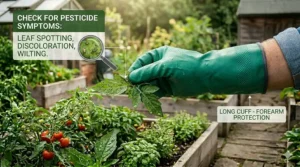
According to the EPA’s requirements for agricultural establishments, you must provide gloves in clean condition, properly fitted to hand size. They must be inspected before each use. If you notice degradation—discoloration, stiffness, or visible damage—the glove must be replaced immediately. Employers must provide care, maintenance, and replacement of damaged or worn PPE, and keep records for at least two years.
What this means practically: you can’t skimp on glove replacements. Budget one pair per 4–6 hours of active pesticide work, more if you’re handling concentrates or working in rough conditions. The upfront cost of proper gloves is a fraction of the medical bills if you develop chemical-induced dermatitis or worse.
For detailed guidance on pesticide safety standards and glove selection, refer to OSHA regulations and your state’s agricultural extension office resources on chemical-resistant glove materials and performance testing (EN 374 standards). Always consult the Safety Data Sheet (SDS) for your specific pesticide—it often provides more detailed PPE recommendations than the label alone.
Common Mistakes When Buying Pesticide Resistant Gloves
❌ Assuming thicker = better in all situations. The MCR 5350L is overkill for light garden spray work. You’ll sacrifice dexterity and comfort without proportional benefit.
❌ Mixing latex and nitrile assumptions. Your pesticide label specifies which material. Latex isn’t automatically better, and nitrile isn’t automatically worse. They resist different chemicals.
❌ Forgetting the cuff length. A 9-inch cuff leaves your forearm exposed during overhead work. Budget gloves save $5 per pair; medical treatment for chemical burns costs thousands.
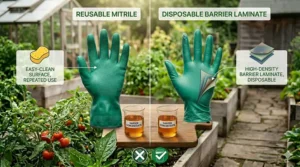
❌ Buying disposable gloves for reuse work. Those thin 4–6 mil disposable nitrile gloves are meant for single-task, single-wear use. Washing and reusing them defeats their design and compromises protection.
❌ Not checking the label requirement. The pesticide label always specifies glove protection. Using unapproved gloves isn’t just ineffective—it’s a legal violation under the EPA Worker Protection Standard.
Frequently Asked Questions About Pesticide Resistant Gloves
❓ How long can I safely wear pesticide resistant gloves?
❓ Can I reuse pesticide resistant gloves after washing?
❓ What's the difference between nitrile and latex gloves for pesticides?
❓ Are there pesticide resistant gloves for people with latex allergies?
❓ Do I need special disposal for pesticide-contaminated gloves?
Conclusion
Pesticide resistant gloves aren’t an accessory—they’re your barrier between chemical exposure and skin damage. The seven options in this guide represent the best of what’s available in 2026, from budget-friendly protection for homeowners (PACIFIC PPE, Gastody) to industrial-grade durability for professionals (Ansell, MCR Safety).
Your choice depends on three things: the specific pesticide you’re handling (check the label), how long you’re wearing gloves (duration determines thickness), and your budget. If you’re handling concentrated pesticides or working all day, the Wells Lamont 178L offers exceptional value. If you need maximum protection, the Ansell Chemi-Pro or MCR 5350L justify their premium price. For everyday homeowner use, PACIFIC PPE delivers solid protection at a fair price.
The most important decision isn’t which glove to buy—it’s committing to actually wear them every single time you handle pesticides. Proper PPE selection—guided by label instructions, Safety Data Sheet information, and EPA standards—is essential to reducing pesticide exposure and protecting workers’ health.
Recommended for You
- 7 Best Oil Resistant Chemical Gloves – 2026
- 7 Best Solvent Resistant Gloves for 2026: Expert Safety Guide
- 7 Best Alkali Resistant Gloves 2026: Ultimate Safety Guide
Disclaimer: This article contains affiliate links. As an Amazon Associate, I earn from qualifying purchases. If you purchase products through these links, we may earn a small commission at no additional cost to you.
✨ Found this helpful? Share it with your friends! 💬🤗
