

In This Article
You know that frustrating moment when you’re handling an oily part and your gloves slip right off? Or when you reach for a tool with greasy hands and lose your grip? I’ve been there countless times before discovering nitrile coated work gloves, and honestly, they changed everything about how I work.
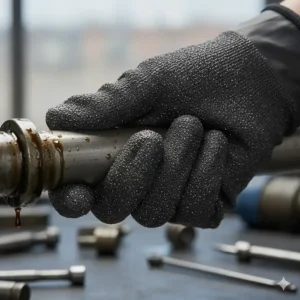
The best nitrile coated work gloves combine exceptional grip with chemical and oil resistance that regular fabric gloves simply can’t match. After testing dozens of options across construction sites, automotive shops, and landscaping projects, I’ve narrowed down the absolute best performers that deliver real-world results. Whether you’re dealing with wet conditions, chemical exposure, or need precision handling of small parts, these gloves offer superior protection without sacrificing dexterity.
What makes nitrile coating special? Unlike latex or regular fabric gloves, nitrile is a synthetic rubber that’s three times more puncture-resistant while maintaining breathability. This means your hands stay protected and comfortable during those long workdays. Throughout this guide, you’ll discover the top seven nitrile coated work gloves currently available, along with everything you need to know about choosing the perfect pair for your specific needs.
Quick Comparison Table
| Product | Best For | Key Feature | Price Range | Rating |
|---|---|---|---|---|
| Wells Lamont 546LF | Budget buyers | Washable & durable | $6-10 (3-pack) | ⭐⭐⭐⭐ 4.5/5 |
| MaxiFlex 34-874 Ultimate | Precision work | 360° breathability | $15-20 (3-pack) | ⭐⭐⭐⭐⭐ 4.8/5 |
| SHOWA Atlas 370 | Gardening/light duty | Second-skin fit | $7-12 (12-pack) | ⭐⭐⭐⭐ 4.6/5 |
| Gorilla Grip Never Slip | Oil resistance | Maximum wet grip | $12-18 (5-pack) | ⭐⭐⭐⭐ 4.4/5 |
| NEOTRIL MicroFoam | Value seekers | Touchscreen compatible | $18-25 (12-pack) | ⭐⭐⭐⭐ 4.5/5 |
| Mechanix Wear 8 Mil | Heavy-duty jobs | Diamond texture grip | $30-40 (100-pack) | ⭐⭐⭐⭐⭐ 4.7/5 |
| Wells Lamont 580LA | All-purpose use | 13-gauge breathable | $20-25 (5-pack) | ⭐⭐⭐⭐ 4.6/5 |
💬 Just one click – help others make better buying decisions too!😊
Top 7 Best Nitrile Coated Work Gloves: Expert Analysis
1. Wells Lamont 546LF – Best Budget-Friendly Option
If you’re looking for affordable protection that doesn’t compromise on quality, the Wells Lamont 546LF delivers exceptional value. This 3-pack features a fine gauge nylon shell with black nitrile palm coating that’s waterproof and resistant to many chemicals.
Key Specifications:
- Material: Nylon knit with flat nitrile coating
- Sizes: Small through X-Large
- Pack: 3 pairs
The elasticized wrist keeps dirt and debris out while maintaining a snug fit. What impressed me most? These gloves are machine washable, which means you can reuse them multiple times before replacement. Users consistently praise their tackiness for picking up screws and small parts, plus they’re ideal for wet and muddy conditions. The breathable fabric on the back prevents excessive sweating during extended wear.
✅ Pros:
- Extremely affordable at $6-10 for three pairs
- Machine washable for extended use
- Excellent grip on small components
❌ Cons:
- Not suitable for heavy chemical immersion
- Fingers may run slightly long for some users
Price Range: $6-10 | Customer Feedback: Users report these last through multiple wash cycles and provide better grip than leather gloves for package handling and general construction work.

2. MaxiFlex 34-874 Ultimate – Best for Breathability and Precision
The MaxiFlex 34-874 Ultimate has become the gold standard for precision handling in dry environments. Its patented micro-foam nitrile coating offers 360-degree breathability, making it the most breathable glove available today.
Key Specifications:
- 13-gauge seamless nylon/lycra shell
- Micro-foam nitrile palm coating
- 25% thinner than competitors while offering twice the performance
This glove features raised micro dots that increase durability and provide cushioning for repetitive tasks. The latest knitting technology produces smooth, rounded fingertips that dramatically improve sensitivity. Form-fitting design mimics the hand at rest, reducing fatigue during long shifts. It’s 100% silicone-free and perfect for electrical work, component assembly, and any job requiring exceptional dexterity.
✅ Pros:
- Industry-leading breathability prevents sweaty hands
- Superior fingertip sensitivity
- Extremely lightweight without sacrificing protection
❌ Cons:
- Premium price point
- Best suited for dry environments only
Price Range: $15-20 (3-pack) | Customer Feedback: Assembly workers and electricians rave about the second-skin feel and how these gloves don’t interfere with detailed work.
3. SHOWA Atlas 370 – Best Lightweight General Purpose Glove
Perfect for landscaping professionals and hobbyists alike, the SHOWA Atlas 370 offers a snug fit like a second skin. The flat nitrile coating provides excellent abrasion resistance while the seamless construction eliminates pressure points.
Key Specifications:
- Seamless nylon liner
- Flat nitrile palm coating
- Available in multiple colors (black, white, purple, pink, green)
These gloves excel at maximum dexterity tasks without the fatigue associated with bulkier options. The nylon liner is mostly lint-free, washable, and dries quickly. SHOWA’s double-dipping process creates an ergonomic relaxed hand shape that reduces strain. Users love them for gardening, assembling small parts, and even kitchen tasks like opening tight jar lids.
✅ Pros:
- Lightweight construction reduces hand fatigue
- Machine washable for repeated use
- Exceptional dexterity for detail work
❌ Cons:
- Smooth finish lacks extra grip texture
- Not suitable for heavy puncture risks
Price Range: $7-12 (12-pack) | Customer Feedback: Gardeners appreciate the breathability and note these gloves fit perfectly for small to medium hands.
4. Gorilla Grip Never Slip Maximum Grip – Best for Oil and Grease Resistance
When you need serious grip in wet, dry, and oily conditions, the Gorilla Grip Never Slip delivers. The unique polymer palm coating actively pushes grease and fluids away from the center, maintaining traction when others fail.
Key Specifications:
- Advanced polymer palm coating
- Knit wrist design keeps debris out
- Available in bulk packs (1, 5, or 15 pairs)
The proprietary Gorilla Grip technology ensures these gloves won’t slip during automotive work, plumbing, or any task involving lubricants. The thin design maintains flexibility and dexterity while the breathable back prevents overheating. Perfect for oil changes, working with wet surfaces, and construction applications where grip is critical.
✅ Pros:
- Unmatched grip on oily and greasy surfaces
- Thin construction doesn’t sacrifice feel
- Knit wrist prevents dirt infiltration
❌ Cons:
- May feel slightly tacky when new
- Not as breathable as foam-coated alternatives
Price Range: $12-18 (5-pack) | Customer Feedback: Mechanics praise these for maintaining grip during brake jobs and engine work where oil contact is inevitable.
5. NEOTRIL Safety Work Gloves MicroFoam – Best Value Pack
The NEOTRIL MicroFoam gloves offer premium features at a budget price. The 12-pair bulk pack provides exceptional value while delivering touchscreen compatibility and excellent breathability.
Key Specifications:
- 13-gauge seamless nylon shell
- MicroFoam nitrile coating
- CE certified EN388:4131 rated
These gloves feature a special micro-foam coating that’s completely breathable with reliable grip and flexibility. The ergonomic 3D snug fit adapts to all finger shapes, improving sensitivity. Machine washable in warm water up to 104°F extends their lifespan significantly. The coating performs well in damp, wet, and light oil conditions, making them versatile for automotive, warehouse, construction, and gardening tasks.
✅ Pros:
- Exceptional value with 12 pairs included
- Touchscreen compatible for modern work needs
- 360-degree breathability keeps hands dry
❌ Cons:
- Coating may crack after 4-5 wash cycles
- Not heavy-duty enough for extreme applications
Price Range: $18-25 (12-pack) | Customer Feedback: Warehouse workers report these outlast cheaper alternatives and appreciate the smartphone compatibility during inventory tasks.

6. Mechanix Wear 8 Mil Nitrile RDT – Best Heavy-Duty Disposable
For serious protection against grease, oil, and chemicals, the Mechanix Wear 8 Mil features robust construction with their Raised Diamond Texture grip pattern. The 100-pack ensures you always have fresh gloves ready.
Key Specifications:
- 8 mil thick orange nitrile
- Raised Diamond Texture (RDT) palm pattern
- Latex-free and powder-free
The diamond texture instantly channels oil and liquids away, ensuring reliable grip in the toughest conditions. At 8 mil thickness, these provide substantial protection against minor abrasions, punctures, and chemical exposure. Rolled cuffs create a secure wrist fit while preventing tearing during application. Ideal for auto repair, industrial work, and any environment requiring disposable protection.
✅ Pros:
- Heavy 8 mil construction for durability
- Superior chemical and oil resistance
- High-visibility orange color
❌ Cons:
- Disposable design isn’t environmentally friendly
- Less breathable than reusable options
Price Range: $30-40 (100-pack) | Customer Feedback: Auto technicians love the visible orange color for identifying contamination and the grip performance exceeds expectations.
7. Wells Lamont 580LA – Best Mid-Range All-Purpose Choice
The Wells Lamont 580LA 5-pack strikes the perfect balance between performance and price. These feature a 13-gauge polyester knit shell with textured nitrile coating for versatile use.
Key Specifications:
- 13-gauge polyester knit shell
- Textured nitrile palm coating
- Stretch knit wrist design
Built for construction, farming, gardening, landscaping, and automotive work, these gloves deliver maximum efficiency across applications. The abrasion-resistant coating extends from fingertip to palm, protecting high-wear areas. The lightweight, breathable fabric keeps hands cool during extended use while offering excellent dexterity for handling tools and small parts.
✅ Pros:
- Versatile for multiple job types
- Breathable 13-gauge construction
- Strong abrasion resistance
❌ Cons:
- Can be slippery with heavy lubricants
- Break-in period needed for optimal fit
Price Range: $20-25 (5-pack) | Customer Feedback: Contractors appreciate the durability for framing work and general construction where grip and protection are both essential.
Understanding Nitrile Coated Work Gloves Technology
What Makes Nitrile Different?
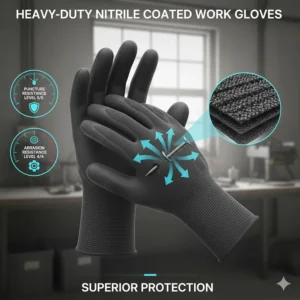
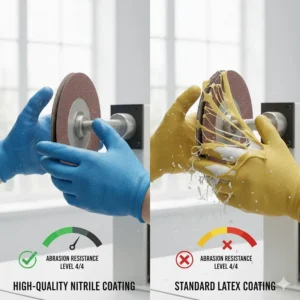
Nitrile rubber represents a significant advancement over traditional latex coatings. As a synthetic copolymer, nitrile offers three times the puncture resistance of natural rubber while eliminating latex allergy concerns. The material excels in chemical resistance, standing up well to oils, greases, and many solvents that would degrade other glove materials.
According to the Occupational Safety and Health Administration (OSHA), proper hand protection is essential for preventing workplace injuries. Nitrile coated work gloves meet OSHA’s requirements for protection against skin absorption of harmful substances, cuts, punctures, and chemical exposure. The chemical resistance properties make nitrile ideal for handling petroleum products, certain acids, and caustic materials, though it’s important to note that nitrile doesn’t protect against all chemicals—avoid using with strong oxidizing agents, aromatic solvents, and ketones.
The coating process itself matters tremendously. Manufacturers typically use flat-dipping or micro-foam techniques. Flat-dipped gloves provide smooth coating perfect for dry environments and maximum tactile sensitivity. Micro-foam nitrile acts like a sponge when contacting smooth, oily surfaces—the foam structure displaces oils while maintaining grip. This sponge-like behavior dramatically improves handling of slippery materials.
Superior Grip Technology Explained
The oil-proof coating on nitrile grip work gloves isn’t just about chemical resistance. Modern formulations incorporate textured finishes, raised patterns, or diamond grips that channel liquids away from contact surfaces. When you grab an oily wrench, these micro-channels direct fluid flow, leaving dry contact points for your grip.
Different coating thicknesses serve different purposes. Thinner coatings preserve maximum dexterity for precision assembly work, while thicker coatings provide enhanced protection for heavy-duty tasks. Most general-purpose work gloves feature 13-gauge knit shells with palm-only coating, balancing protection and breathability. The uncoated back allows air circulation, reducing the sweat buildup that plagues fully-coated alternatives.
Chemical Resistance and Safety Standards
ANSI/ISEA Cut Level Ratings
When evaluating nitrile coated work gloves oil resistant properties, understanding safety ratings helps match gloves to tasks. The American National Standards Institute (ANSI) and International Safety Equipment Association (ISEA) established the ANSI/ISEA 105 standard for cut resistance.
Ratings range from A1 (lowest) to A9 (highest):
- A1-A3: Light-duty applications, general assembly
- A4-A6: Medium protection for construction, metalworking
- A7-A9: Heavy-duty cut protection for glass handling, sharp metal
Many nitrile grip work gloves incorporate cut-resistant materials like Kevlar or high-performance polyethylene fibers in the knit shell before coating. This combination delivers both cut protection and chemical resistance. Always check the EN388 rating (European standard) which provides separate scores for abrasion, cut, tear, and puncture resistance.
Chemical Permeation and Breakthrough Time
Chemical resistance isn’t absolute—it’s measured by breakthrough time. This represents how long a chemical takes to permeate through the glove material. Chemical resistance charts from manufacturers show recommended exposure times for specific substances.
For light oil contact during automotive work, standard nitrile provides adequate protection for several hours. However, immersing hands in chemicals requires thicker, fully-coated gloves with documented breakthrough times for your specific chemicals. The coating thickness directly correlates with chemical resistance duration, but remember that thicker gloves reduce dexterity.
How to Choose the Right Nitrile Coated Work Gloves
Step 1: Assess Your Primary Hazards
Start by identifying the dominant risks in your work environment. Are you primarily concerned with grip on oily parts? Chemical splash protection? Cut hazards? Puncture risks? Your primary hazard dictates the minimum protection level required. For mixed environments, prioritize the most serious hazard while seeking gloves that address secondary concerns.
Step 2: Determine Required Dexterity Level
Jobs requiring fine motor skills—electronics assembly, precision mechanics, jewelry work—demand thin shells (13-gauge or higher) with minimal coating. Conversely, rough construction, landscaping, or material handling can accept thicker shells (10-gauge or less) with heavier coatings. Test different gauges to find your optimal balance between protection and feel.
Step 3: Consider Coating Type and Coverage
Palm-coated gloves offer maximum breathability with protection where you grip. Fully-coated options provide complete barrier protection but sacrifice breathability. Micro-foam coatings excel in wet/oily conditions, while smooth flat coatings maximize sensitivity in dry environments. Textured or diamond-grip patterns enhance traction on smooth, slippery surfaces.
Step 4: Evaluate Fit and Sizing
Proper fit prevents fatigue and maintains dexterity. Measure your hand circumference at the widest part (excluding thumb) and length from wrist to middle fingertip. Compare to manufacturer sizing charts—sizes vary between brands. Too-tight gloves cause hand fatigue within hours, while loose gloves bunch uncomfortably and reduce grip control. Many users find that seamless knit gloves stretch slightly after initial use.
Step 5: Factor in Reusability vs. Disposable Needs
Reusable nitrile grip work gloves with knit shells cost more upfront but last weeks or months with proper care. Machine-washable options extend lifespan significantly. Disposable nitrile gloves suit contaminated environments where you discard gloves after each task, but generate more waste. Calculate cost-per-use rather than just purchase price—a $20 dozen that lasts three months costs less than $5 boxes replaced weekly.
Step 6: Check Certification and Compliance
Verify gloves meet relevant safety standards for your industry. Look for ANSI/ISEA 105 cut ratings, EN388 European ratings, or FDA food-safe certifications if handling edibles. Some industries require specific certifications—electrical work needs rated insulating gloves, while food service mandates FDA-approved materials.
Step 7: Test Before Bulk Buying
Purchase small quantities from multiple manufacturers to test real-world performance. Different brands fit differently even in the same size. What works perfectly for one person may feel awkward to another. Testing prevents expensive bulk purchases of ill-fitting gloves.
Benefits vs Traditional Glove Types Comparison
| Feature | Nitrile Coated | Latex Coated | PU Coated | Leather |
|---|---|---|---|---|
| Chemical Resistance | Excellent | Good | Fair | Poor |
| Oil Resistance | Excellent | Poor | Fair | Poor |
| Puncture Resistance | Excellent (3x latex) | Good | Fair | Very Good |
| Breathability | Very Good | Good | Excellent | Fair |
| Dexterity | Excellent | Excellent | Excellent | Good |
| Allergy Risk | None | High | None | None |
| Grip (Wet) | Excellent | Very Good | Good | Poor |
| Durability | Very Good | Good | Good | Excellent |
| Cost | Moderate | Low | Moderate | High |
Nitrile Coated Work Gloves for Specific Industries
Construction and General Contracting
Construction demands versatility—workers handle everything from lumber to rebar, concrete to power tools. The best nitrile coated work gloves for construction feature palm-only coating preserving breathability during physical labor. Look for ANSI A3 or higher cut ratings to handle rough materials. The 13-gauge shell provides adequate protection while maintaining tool control. Reinforced coating between thumb and forefinger extends lifespan in high-wear areas.
Automotive and Mechanical Work
Mechanics face constant oil, grease, and solvent exposure. Top rated nitrile gloves 2024 for automotive applications incorporate micro-foam technology that maintains grip despite contamination. Disposable nitrile options suit dirty jobs where you want fresh gloves frequently, while reusable micro-foam gloves work for general maintenance. Chemical resistance matters less for brief contact but becomes critical for prolonged exposure during engine cleaning or parts washing.
Landscaping and Gardening
Landscapers need protection from thorns, rough bark, and soil while maintaining plant-handling dexterity. Lightweight nitrile coated work gloves with minimal coating prevent blisters during pruning and digging. The coating protects against moisture without the bulk of traditional leather gloves. Machine-washable options are essential since garden work soils gloves quickly. Multiple color options help differentiate between dirty field gloves and clean gloves for customer interaction.
Warehousing and Package Handling
Package handlers prioritize grip and abrasion resistance during repetitive box movement. The constant cardboard contact abrades palms quickly, making durable nitrile coating essential. Touchscreen compatibility increasingly matters for scanning inventory and operating tablets. Bulk packs provide cost-effective protection when workers handle hundreds of packages daily. Breathability prevents sweat buildup during fast-paced warehouse work.
Food Service and Processing
Food-safe nitrile gloves must meet FDA requirements for direct food contact. Fully-coated options prevent contamination better than palm-only designs. Powder-free formulations eliminate allergen concerns and prevent flour dust accumulation. Blue coloring provides visual contrast against most foods, making torn gloves immediately obvious. Extended cuffs protect wrists during food preparation involving liquids.

Maintenance and Care Tips for Maximum Lifespan
Proper Washing Techniques
Machine-washable nitrile grip work gloves significantly reduce operating costs. Wash in cold or warm water (maximum 104°F/40°C) with mild detergent. Avoid bleach and fabric softeners which degrade nitrile coatings. Use gentle cycles preventing excessive agitation. Air dry or tumble dry on low heat—high heat damages nitrile’s chemical structure. Some users report 10-20 wash cycles before coating deterioration.
Inspection and Replacement Guidelines
Inspect gloves before each use for coating cracks, tears, or thinning. Small fingertip tears compromise chemical protection even if palm coating remains intact. Discoloration may indicate chemical damage requiring replacement. Once coating begins flaking, replace immediately—flakes create irritation and reduce protection. Average lifespan ranges from one week for heavy construction to three months for light assembly work.
Storage Best Practices
Store nitrile coated work gloves away from direct sunlight, ozone sources, and temperature extremes. UV exposure degrades nitrile over time. Keep away from sharp objects that might puncture packaging. Separate contaminated gloves from clean inventory. Use “dirty glove” and “clean glove” containers preventing cross-contamination. Rotate stock using older gloves first—nitrile shelf life exceeds five years under proper storage.
Common Mistakes to Avoid
Choosing Based Solely on Price
The cheapest gloves often provide the shortest lifespan and least protection. Calculate cost-per-use considering replacement frequency. A $6 pair lasting two weeks costs more annually than $15 pairs lasting two months. However, expensive doesn’t guarantee better—match gloves to actual needs rather than overpaying for unnecessary features.
Ignoring Proper Sizing
Incorrectly sized gloves cause hand fatigue, reduce dexterity, and increase injury risk. Too-small gloves restrict blood flow and cause cramping. Too-large gloves bunch awkwardly, reducing grip control and potentially catching on machinery. Take actual hand measurements rather than estimating size. Different manufacturers size inconsistently—always check specific sizing charts.
Using Wrong Coating for Conditions
Smooth coatings lack traction in oily environments. Foam coatings absorb liquids in immersion applications. Thin coatings provide insufficient chemical protection. Match coating type to your dominant work conditions. When conditions vary significantly, maintain multiple glove types rather than forcing one option to serve all purposes.
Neglecting Break-In Period
Some nitrile grip work gloves feel stiff initially but soften with use. The first wearing cycle allows the knit shell to conform to hand shape. Don’t judge comfort solely on first impression—test through at least one full workday. The coating may feel tacky initially but normalizes quickly.
Environmental Considerations and Sustainability
Disposable vs. Reusable Impact
Disposable nitrile gloves generate significant waste—millions end up in landfills annually. While convenient for contaminated environments, disposable use increases environmental footprint. Reusable options reduce waste but require water and energy for washing. For applications allowing reusable gloves, this choice significantly reduces environmental impact.
Recycling Programs and Initiatives
Some manufacturers now offer nitrile glove recycling programs accepting used gloves for material reclamation. Contaminated disposable gloves require proper disposal according to local regulations—medical/chemical contamination may mandate hazardous waste protocols. Check local recycling facilities for nitrile acceptance—some repurpose nitrile into park benches, playgrounds, and other durable goods.
Choosing Sustainable Brands
Manufacturers increasingly focus on sustainability through reduced packaging, biodegradable options, and carbon-neutral production. Some brands use recycled materials in knit shells or plant-based alternatives to traditional nitrile. While these innovations typically cost more, environmentally-conscious consumers may prioritize sustainable options.
Price Range and Value Analysis
Budget Options ($5-10 per pack)
Entry-level nitrile coated work gloves typically feature thinner coatings and standard knit shells. These suit light-duty applications and workers needing occasional hand protection. Brands like Wells Lamont and generic manufacturers offer solid basic protection. Quality varies significantly in this range—stick with established brands avoiding unknown manufacturers. Expect shorter lifespan but acceptable performance for intermittent use.
Mid-Range Options ($10-25 per pack)
This sweet spot offers the best value for most users. Mid-range gloves incorporate better materials, improved coating processes, and enhanced durability. Features like touchscreen compatibility, machine washability, and improved fit appear here. Brands such as MaxiFlex, SHOWA, and Gorilla Grip dominate this segment with proven performance. Most professional tradespeople find this range meets their needs perfectly.
Premium Options ($25+ per pack)
High-end nitrile grip work gloves feature specialized coatings, advanced cut-resistant materials, and superior comfort. These justify higher costs through extended lifespan, exceptional protection, and enhanced productivity from better fit and feel. Consider premium options for professional daily use where glove quality directly impacts work efficiency. Specialized applications like precision electronics or hazardous chemical handling may require premium features.

Frequently Asked Questions
❓ What makes nitrile coated work gloves better than regular gloves?
❓ Can you wash and reuse nitrile coated work gloves?
❓ How do I know which thickness of nitrile coating I need?
❓ Are nitrile coated work gloves safe for food handling?
❓ What's the difference between micro-foam and smooth nitrile coating?
Making Your Final Decision
After reviewing the top rated nitrile gloves 2024, your choice ultimately depends on matching glove features to your specific work requirements. The best nitrile coated work gloves balance protection, dexterity, durability, and cost for your unique situation.
For most users, I recommend starting with a mid-range option like the MaxiFlex 34-874 Ultimate or Wells Lamont 580LA. These deliver proven performance across diverse applications without breaking the budget. If oil resistance is your primary concern, the Gorilla Grip Never Slip provides unmatched traction. Budget-conscious buyers will find excellent value in the Wells Lamont 546LF 3-pack or NEOTRIL 12-pack.
Don’t hesitate to maintain multiple glove types for different tasks. Keep heavy-duty options for rough work, precision gloves for detail tasks, and disposables for contaminated environments. This multi-glove approach optimizes protection and productivity while controlling costs through appropriate glove selection.
Remember that proper fit matters more than any other factor. The most expensive, highest-rated glove performs poorly if it doesn’t fit your hand correctly. Take time to measure accurately and test options before committing to bulk purchases. Your hands will thank you during those long workdays.
The nitrile coated work gloves market continues evolving with innovations in breathability, cut resistance, and sustainability. Stay informed about new options while maintaining what works for your current needs. Hand protection directly impacts both safety and productivity—investing in quality gloves pays dividends through injury prevention and improved work comfort.
Recommended for You
- 7 Best Drivers Style Work Gloves Leather in 2026
- 7 Best Split Cowhide Work Gloves 2026 | Affordable Protection
- 7 Best Deerskin Work Gloves for Cold Weather 2026
Disclaimer: This article contains affiliate links. If you purchase products through these links, we may earn a small commission at no additional cost to you.
✨ Found this helpful? Share it with your friends! 💬🤗
