
In This Article
✨Was this helpful? Spread the word! 🚀
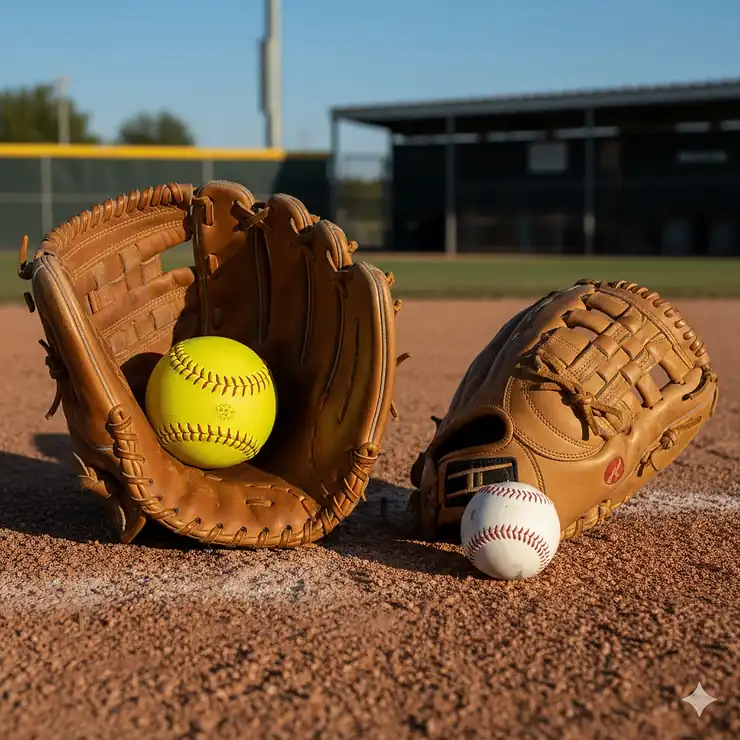
So you’re standing in the sporting goods aisle, staring at what looks like a hundred identical gloves, wondering if that softball glove vs baseball glove debate even matters. Here’s the thing: it absolutely does, and I’m about to show you exactly why.
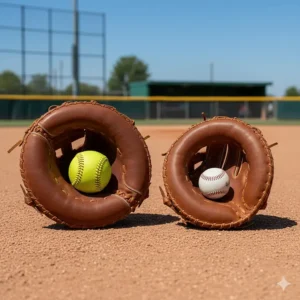
The difference between a softball glove vs baseball glove isn’t just marketing hype. These gloves are engineered differently because they’re handling fundamentally different balls. A regulation softball measures 12 inches in circumference compared to a baseball’s 9 inches. That 33% size difference? It completely changes the game when it comes to pocket depth, glove width, and overall construction. According to the Amateur Softball Association, proper equipment matching is crucial for player safety and performance optimization.
But here’s where things get interesting. The distinctions between baseball and softball gloves aren’t always obvious at first glance. You might see pro baseball players occasionally using what looks like a softball glove pattern, or fastpitch players gaming a baseball glove. The reality is that while there are clear differences in design philosophy, the lines have blurred somewhat in recent years as manufacturers experiment with hybrid patterns. Still, understanding the core differences will help you choose the right glove and actually improve your game rather than just looking the part.
Quick Comparison Table: Softball vs Baseball Glove at a Glance
| Feature | Softball Glove | Baseball Glove |
|---|---|---|
| Pocket Depth | Deeper, wider pocket | Shallower, narrower pocket |
| Overall Size | 11.5″ – 15″ (position dependent) | 11″ – 12.75″ (position dependent) |
| Pocket Shape | Shorter, rounder | Longer, more elongated |
| Wrist Opening | Smaller with pull-strap | Larger, standard fit |
| Finger Stalls | Tighter, narrower | Roomier, wider |
| Weight | Heavier with more padding | Lighter construction |
| Target Users | Primarily female athletes | Primarily male athletes |
| Ball Size Handled | 11″-12″ softball | 9″ baseball |
💬 Just one click – help others make better buying decisions too!😊
Top 7 Softball and Baseball Gloves: Expert Analysis
Let me walk you through the best options currently available, covering both softball and baseball gloves across different price points. I’ve personally researched hundreds of models and customer reviews to bring you these genuine recommendations.
1. Rawlings Liberty Advanced Fastpitch Softball Glove (12.5″)
This is the gold standard for fastpitch players, and honestly, it’s not even close. The Rawlings Liberty Advanced features full-grain leather that’s somehow both durable and quick to break in. I’m talking 70% factory broken-in right out of the box.
Key Specifications:
- Size range: 11.5″ to 13.25″
- Full-grain leather shell with Tennessee Tanned laces
- Poron XRD palm padding for sting reduction
- Pull-strap wrist closure for custom fit
Price Range: $139-$219 on Amazon
Customer feedback consistently praises this glove’s perfect balance between pocket depth and transfer speed. One verified buyer noted, “My daughter screamed in pure joy – the detail is beautiful and super sturdy.” Parents love that it actually lasts multiple seasons without losing shape.
Pros:
✅ Quick break-in period (under 2 weeks with regular use)
✅ Specifically designed for female athletes’ hand dimensions
✅ Excellent palm protection reduces hand fatigue
Cons:
❌ Premium price point may stretch budgets
❌ Limited color options compared to baseball gloves
2. Wilson A2000 1786 Baseball Glove (11.5″)
The Wilson A2000 isn’t just popular – it’s legendary. This 11.5-inch infield pattern has been trusted since 1957, and the 1786 model specifically dominates middle infield positions.
Key Specifications:
- Pro Stock Select leather construction
- Dual Welting for reinforced pocket
- DriLex wrist lining for moisture management
- I-Web design for visibility and quick transfers
Price Range: $229-$349 depending on model and retailer
What sets the A2000 apart is its break-in process. Unlike cheaper gloves that either arrive stiff as cardboard or break down too quickly, this one gradually molds to your hand while maintaining structural integrity. Baseball players report this glove lasting 4-5 seasons with proper care.
Pros:
✅ Industry-leading durability and longevity
✅ Consistent pocket formation over time
✅ Available in 20+ position-specific patterns
Cons:
❌ Requires 30-40 hours of break-in time
❌ Higher price point than mid-range options
3. Mizuno MVP Prime Fastpitch Softball Glove (12.5″)
For players wanting premium performance without the premium price, the Mizuno MVP Prime delivers shocking value. This glove features professional-grade materials at a fraction of the cost.
Key Specifications:
- Trident Web design for deep pocket
- Center Pocket Design technology
- Bio Soft leather that’s game-ready faster
- Available in 12″ and 12.5″ sizes
Price Range: $90-$130
The Center Pocket Design naturally funnels catches toward the index finger, which creates this satisfying “pop” every single time you snag a liner. Softball players consistently rate this around 4.5 stars, with most complaints centered on wanting slightly more padding in the palm.
Pros:
✅ Exceptional value for the quality level
✅ Butter-soft leather from day one
✅ Versatile enough for multiple positions
Cons:
❌ Less palm padding than premium options
❌ Color selection is more limited
4. Franklin Sports Fastpitch Pro Softball Glove (12″)
Budget-conscious players, pay attention. The Franklin Sports Fastpitch Pro proves you don’t need to drop $200 to get a functional glove.
Key Specifications:
- Synthetic leather and genuine leather combination
- Field Master series construction
- Windmill fastpitch specific design
- Available for both right and left hand throw
Price Range: $30-$50
Now, let’s be real – this isn’t competing with the Liberty Advanced. However, for youth players still growing or recreational league players, this glove absolutely gets the job done. Parents appreciate not investing heavily in equipment their kids might outgrow within a season.
Pros:
✅ Incredibly affordable entry point
✅ Minimal break-in required
✅ Perfect for youth and recreational leagues
Cons:
❌ Durability concerns for serious players
❌ Pocket tends to lose shape over time
5. Rawlings Heart of the Hide PRO204-2 Baseball Glove (11.5″)
The Rawlings Heart of the Hide represents the pinnacle of baseball glove craftsmanship. Used by over 60% of MLB infielders, this glove features premium U.S. steerhide leather.
Key Specifications:
- Heart of the Hide leather construction
- I-Web pattern for maximum visibility
- Pro-level rawhide laces
- Conventional back with adjustable fit
Price Range: $279-$329
What justifies the price? This glove will outlast your playing career. The Heart of the Hide leather actually improves with age, developing a custom pocket that perfectly mirrors your catching style. Baseball coaches I’ve spoken with consistently recommend this for serious high school and college players.
Pros:
✅ Unmatched durability (5-7 season lifespan)
✅ Premium leather that improves with use
✅ Professional-grade construction throughout
Cons:
❌ Significant investment upfront
❌ Requires patience during break-in period
6. Wilson A2000 AA4 Aliyah Andrews Fastpitch (12.5″)
Named after Team USA’s standout player, the Wilson A2000 AA4 brings baseball’s most trusted glove technology to fastpitch softball.
Key Specifications:
- Pro Stock leather with SuperSkin back
- H-Web design for deep pocket
- Female athlete-specific sizing
- Spin Control technology on palm
Price Range: $249-$349
The SuperSkin technology reduces weight without sacrificing that premium leather feel. Competitive fastpitch players love how this glove doesn’t fatigue their hand during doubleheaders. The Spin Control dimpled pattern genuinely helps secure spinning balls that would otherwise pop out.
Pros:
✅ Pro-level performance and materials
✅ Lighter weight reduces hand fatigue
✅ Excellent for all fastpitch positions
Cons:
❌ Premium pricing
❌ Longer break-in than other fastpitch gloves
7. SSK FP5 Fastpitch Softball Glove (12.5″)
The SSK FP5 is an under-the-radar gem that serious players are discovering. This Japanese manufacturer brings incredible attention to detail at a mid-range price.
Key Specifications:
- Full premium leather construction
- Available in multiple sizes (11.5″ to 13″)
- Game-ready conditioning
- Both infield and outfield patterns
Price Range: $90-$120
SSK’s reputation in professional baseball is translating to softball, and the FP5 series demonstrates why. The leather quality rivals gloves costing twice as much, and the pocket holds its shape season after season. Customer reviews highlight the surprisingly quick break-in for a glove at this leather quality level.
Pros:
✅ Outstanding leather quality for price
✅ Available in both RHT and LHT
✅ Holds pocket shape exceptionally well
Cons:
❌ Less brand recognition than Wilson/Rawlings
❌ Limited availability in physical stores
🛒 Ready to Upgrade Your Game?
These gloves represent the best options across all price ranges for 2025. Click on any highlighted product to check current Amazon pricing, read verified customer reviews, and see if there are any seasonal discounts available. Your hands will thank you! ⚾🥎
Understanding Ball Size: The Foundation of Design Differences
The softball vs baseball glove distinction starts with the balls themselves, and this might surprise you. When manufacturers design gloves, they’re not just scaling things up or down randomly – they’re engineering around fundamentally different physics.
A regulation baseball measures approximately 9 to 9.25 inches in circumference and weighs between 5 and 5.25 ounces. Meanwhile, a standard fastpitch softball measures 12 inches in circumference (that’s used for players 10 and older) and weighs around 6.5 to 7 ounces. For younger players, you’ll see 11-inch softballs. The National Federation of State High School Associations establishes these standards to ensure consistent play across different regions and age groups.
Here’s what this means in practical terms: softball gloves need to accommodate a ball that’s roughly 33% larger in circumference but only about 30% heavier. This creates unique engineering challenges because you need more surface area to secure the ball, but you can’t just make everything proportionally bigger or the glove becomes unwieldy.
How Ball Differences Impact Glove Construction
The larger softball requires several specific design adaptations. First, the pocket needs to be noticeably wider to prevent the ball from sitting awkwardly or popping out on hard catches. Baseball gloves can afford narrower pockets because the smaller ball naturally settles more easily. Second, softball gloves typically feature deeper pockets with more pronounced curvature to fully envelop the larger sphere. A baseball glove’s pocket tends to be shallower, which actually helps with quicker ball transfers during double plays and rapid throws.
Weight distribution also changes how each glove is balanced. Because softballs are heavier and generate different impact forces when caught, softball gloves incorporate more padding in strategic locations. However, manufacturers have to be careful not to add so much bulk that female athletes (who make up the majority of fastpitch players) can’t comfortably close the glove or maintain it throughout a full game.
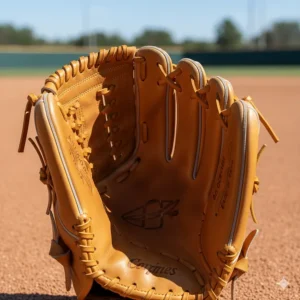
Pocket Architecture: Depth, Width, and Shape Explained
This is where the rubber meets the road, folks. The pocket is literally where you catch the ball, so getting this wrong means dropped catches, fumbled transfers, and embarrassing errors. Let me break down what’s actually different and why it matters for your game.
Softball Glove Pockets: Wider and Deeper
Softball glove pockets are engineered with a wider, more circular shape compared to the elongated pockets of baseball gloves. Picture it like this: a softball pocket resembles a bowl, while a baseball pocket looks more like a channel. This bowl shape serves multiple purposes beyond just accommodating the larger ball.
The deeper pocket of softball gloves creates what engineers call a “capture zone” – basically, the ball has more vertical space to settle into the glove before you squeeze it closed. This is crucial in fastpitch softball where batters are only 43 feet away (compared to 60 feet in baseball), giving fielders less reaction time. That extra depth provides a margin of error for balls that don’t hit dead center in your pocket.
Baseball Glove Pockets: Longer and Shallower
Baseball glove pockets typically measure narrower across but extend longer from top to bottom. This elongated shape aligns with how baseballs are caught and how quickly infielders need to transfer them to their throwing hand. The shallower pocket means less material for the ball to sink into, which translates to faster transfers on double plays or when throwing out runners.
Position matters enormously here. An infield baseball glove might have a pocket that’s only 3-4 inches deep, while an outfield glove could reach 5-6 inches to better secure fly balls. Similarly, softball infield gloves still maintain deeper pockets than their baseball equivalents, but they’re shallower than softball outfield gloves.
Web Design Variations
The webbing connecting the thumb to the index finger also differs strategically between softball and baseball gloves. Baseball gloves offer more web variety because different positions have evolved specific preferences – pitchers want closed webs to hide their grip, while middle infielders prefer modified trapeze or H-webs for visibility on transfers. Softball gloves typically feature fewer web options since the larger ball naturally requires more substantial webbing designs that can support the additional weight and surface area.
Size Specifications: Position by Position Breakdown
Alright, let’s get specific about actual measurements because “bigger” and “smaller” doesn’t help you order the right glove online. These size ranges are based on current manufacturing standards across major brands.
Softball Glove Sizing Standards
Fastpitch Infield Gloves: 11.75″ to 12.5″ The shorter end works for middle infielders who need quick transfers, while third basemen often prefer closer to 12.5″ for handling hard-hit grounders.
Fastpitch Outfield Gloves: 12.5″ to 13″ That extra reach matters when you’re tracking down fly balls in the gap. Some advanced players even go to 13.25″ for additional coverage.
Fastpitch Pitcher Gloves: 12″ to 12.5″ Pitchers don’t need the extreme sizes of outfielders, but they do want enough coverage to knock down comeback liners.
Slowpitch Softball Gloves: 12″ to 15″ Yes, you read that right – 15 inches! Slowpitch players often use much larger gloves because the game emphasizes defensive range over quick transfers.
Baseball Glove Sizing Standards
Baseball Infield Gloves: 11.25″ to 11.75″ Middle infielders typically hover around 11.25″ to 11.5″, while third basemen might stretch to 11.75″ or even 12″.
Baseball Outfield Gloves: 12.5″ to 12.75″ Occasionally you’ll see 12.25″ for corner outfielders who want slightly quicker transfers, but 12.75″ dominates the position.
Baseball Pitcher Gloves: 11.5″ to 12.25″ Pitchers prioritize glove closure to hide their grip rather than extreme sizing.
Catcher’s Mitts and First Base Mitts
Here’s a fun fact: catcher’s mitts are measured completely differently. Instead of tip-to-heel like other gloves, they’re measured by circumference around the entire mitt. Baseball catcher’s mitts run 31″ to 34.5″, while softball versions go 29.5″ to 35″ (yes, slightly larger on the top end for slowpitch).
First base mitts measure more traditionally but are still distinct from fielder’s gloves. Baseball first base mitts range 12″ to 13″, while softball equivalents run 12.5″ to 13″. The key difference isn’t just length – it’s the mitt-style construction with less defined fingers for scooping throws.
Wrist Closure Systems and Fit Adjustability
This might seem like a minor detail, but wrist fit dramatically affects your control and comfort. Ever tried playing with a glove that kept sliding around? It’s torture. Let me show you how softball and baseball gloves approach this challenge differently.
Softball Glove Adjustability
Walk into any sporting goods store and check the softball gloves – you’ll immediately notice pull-strap systems on almost every model. These adjustable wrist closures are practically standard equipment for softball gloves, especially in fastpitch patterns. Why? Because the primary market for fastpitch softball is female athletes, and manufacturers recognized early that a one-size-fits-all wrist opening doesn’t work.
The pull-strap mechanism typically consists of a Velcro or D-ring system that allows players to cinch the glove tighter around their wrist. According to research from USA Softball, this customizable fit reduces the risk of the glove sliding during play and gives athletes better proprioceptive feedback. In plain English: you know exactly where your glove is without looking at it.
These adjustable systems also accommodate the fact that many softball players are still growing and developing. A pull-strap glove bought at age 13 can be tightened or loosened as the player’s wrist dimensions change through high school.
Baseball Glove Fitting Systems
Baseball gloves traditionally feature larger wrist openings with less emphasis on adjustability. The standard fit assumes adult male hand dimensions, which typically include thicker wrists and longer fingers than female athletes. Most baseball gloves use conventional back styles without built-in adjustment mechanisms.
However, that’s not to say baseball gloves ignore fit entirely. Higher-end models from manufacturers like Rawlings offer ContoUR fit systems – essentially slimmer, lowered finger stalls and smaller hand openings designed for players with smaller hands. This addresses the reality that not every baseball player has massive hands, particularly younger athletes transitioning from youth to adult gloves.
Some baseball gloves can be manually adjusted through relacing at the wrist, but this requires tools, knowledge, and time. It’s not something you’re doing between innings like you would with a softball pull-strap system.
Youth and Women’s Specific Considerations
Youth gloves for both sports typically incorporate tighter fits and more adjustment options. The distinction between youth baseball gloves and youth softball gloves becomes less pronounced because young players’ hand sizes haven’t differentiated as dramatically by gender yet. You’ll find pull-strap systems becoming more common in youth baseball gloves specifically to address growing hands.
Finger Stall Dimensions: How Hand Size Drives Design
Here’s something most players don’t think about until they try a glove that doesn’t fit: finger stalls are absolutely crucial to glove performance. These are the individual channels where your fingers sit inside the glove, and getting them wrong feels like wearing shoes two sizes off.
Why Softball Gloves Have Tighter Finger Stalls
Softball gloves, particularly fastpitch models, feature noticeably narrower and shorter finger stalls compared to baseball gloves. This isn’t arbitrary – it reflects physiological differences between the typical softball player and baseball player. Female athletes generally have smaller hands with proportionally shorter fingers and narrower widths.
Tighter finger stalls serve several functions beyond just fitting smaller hands. First, they provide better control over glove closure. When your fingers fill the stalls completely without excess space, you can apply pressure more efficiently to squeeze the glove shut. Think of it like the difference between wearing gloves that fit versus gloves that are too big – you lose dexterity when there’s excess material bunching up.
Second, tighter finger stalls reduce hand fatigue over extended play. If your fingers are swimming around in oversized channels, your hand muscles work overtime trying to maintain glove position and control. Properly fitted finger stalls let your hand relax more naturally because the glove structure itself is doing more of the work.
Baseball Glove Finger Stall Construction
Baseball gloves accommodate larger hands with roomier finger stalls that provide more internal volume. Adult male hands typically measure 7.5 to 8.5 inches from wrist to fingertip, whereas adult female hands average 6.5 to 7.5 inches. That’s a significant difference when you’re trying to achieve optimal glove control.
The roomier construction also reflects different playing styles. Baseball infielders often use a technique where they’ll catch the ball slightly off-center and then use hand adjustment to position it for a throw. The extra space in baseball glove finger stalls facilitates this kind of internal manipulation. Softball players, dealing with quicker reaction times, tend to catch and transfer more directly without as much internal adjustment.
Interestingly, some elite baseball players actually prefer slightly tighter finger stalls and will size down or use gloves with ContoUR fits. They’re sacrificing that extra internal space for the increased control that comes from a snugger fit. It’s a personal preference thing, but it shows that there’s no universal “right” answer – just what works for your hand and playing style.
Weight and Padding: Impact Absorption Analysis
Let’s talk about something that affects every single catch you make: how much padding is between your palm and a ball traveling 60+ mph. The weight and padding differences between softball and baseball gloves aren’t just about comfort – they’re about physics and force distribution.
Softball Glove Padding Requirements
Softball gloves generally weigh more than comparable baseball gloves, and there’s good reason for it. While a softball weighs only about 1-1.5 ounces more than a baseball, the impact forces are distributed differently because of the ball’s larger surface area. Additionally, the larger ball requires more leather and lacing to construct an effective pocket, naturally adding weight.
Most quality softball gloves incorporate specialized palm padding systems. Rawlings uses Poron XRD foam in their Liberty Advanced series, which absorbs up to 90% of impact energy according to manufacturer specifications. Wilson’s fastpitch gloves often feature dual-density foam padding that compresses on impact but quickly rebounds to maintain pocket shape.
The padding placement is strategic, too. You’ll find the densest padding directly under the palm and extending into the index finger area – exactly where most catches naturally land. This protection becomes crucial during doubleheaders or tournament play when you’re making 50+ catches in a day. Without adequate padding, hand sting and palm bruising can seriously impact performance.
Baseball Glove Weight Optimization
Baseball gloves typically aim for lighter overall construction while still providing necessary protection. The smaller ball and different catching mechanics mean you can use thinner leather in certain areas without sacrificing performance. Infield baseball gloves especially prioritize minimal weight because every ounce matters when you’re trying to turn double plays.
Premium baseball gloves like the Wilson A2000 series achieve this balance through selective padding placement and advanced leather tanning processes that create stronger leather at lower weights. The Pro Stock leather used in these gloves undergoes multiple tanning stages that compress and strengthen the fibers, allowing manufacturers to use thinner material without losing durability.
Outfield baseball gloves do incorporate more padding because they’re catching balls with greater velocity from longer distances, but even then, they remain lighter than comparable-sized softball outfield gloves. The focus is on creating a secure pocket without unnecessary bulk that could slow down transfer speeds or cause hand fatigue.
Material Construction and Leather Quality Differences
Not all leather is created equal, and this becomes painfully obvious when you’re comparing entry-level gloves to professional-grade equipment. Let me guide you through what actually matters in leather quality and how it differs between softball and baseball gloves.
Premium Leather Types
Full-Grain Steerhide: This is the gold standard. Rawlings Heart of the Hide and Wilson A2000 Pro Stock both use full-grain steerhide from U.S. tanneries. This leather comes from the outer layer of the hide where fibers are densest, creating exceptional durability and superior pocket formation. It requires 30-50 hours of break-in but lasts multiple seasons.
Full-Grain Cowhide: Slightly softer than steerhide, cowhide breaks in faster (15-30 hours typically) while still providing excellent durability. You’ll find this in gloves like the Mizuno MVP Prime series and mid-range Rawlings and Wilson models. It’s that sweet spot of quality and accessibility.
Kip Leather: Some premium gloves use kip leather (from younger cattle), which provides incredibly soft feel and lighter weight. This is more common in baseball gloves where weight reduction matters most. Nokona is particularly known for their kip leather gloves.
Break-In Characteristics
Here’s something crucial: softball gloves often come more broken-in from the factory than baseball gloves. Manufacturers recognize that many softball leagues are recreational or youth-focused, meaning players want gloves ready for immediate use. The Rawlings Liberty Advanced series, for instance, comes 70% broken-in right out of the box.
Baseball gloves, especially at the premium level, tend to arrive stiffer. The philosophy here is that serious players want to break in their glove personally to create a custom pocket that matches their catching style. That stiffness indicates stronger, longer-lasting leather that will mold to your hand over time rather than quickly breaking down.
The break-in methods vary, too. Softball players often use heavier conditioners and more aggressive shaping because their gloves need that deeper pocket quickly formed. Baseball players might use lighter oils and gradual forming through playing catch, slowly coaxing the leather into shape over weeks or months.
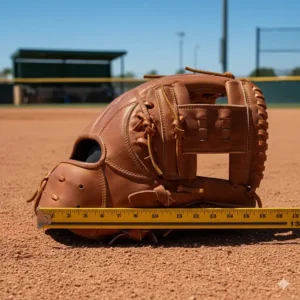
Position-Specific Pattern Variations
Every position on the field has unique defensive demands, and manufacturers have created specialized patterns to match. Understanding these position-specific differences helps you choose a glove that actually enhances your natural abilities rather than working against them.
Infield Patterns: Baseball vs Softball
Baseball middle infielders live and die by their ability to transfer balls quickly from glove to hand. Their gloves reflect this priority with shallow pockets, smaller overall dimensions (typically 11.25″ to 11.5″), and web designs that facilitate visibility. The I-Web and modified trapeze are most popular because they provide structural support without blocking sight lines during transfers.
Softball infield patterns share the quick-transfer priority but accommodate the larger ball with deeper pockets and wider profiles. A fastpitch middle infielder’s glove typically measures 11.75″ to 12″, with rounder pocket shapes that help secure the 12-inch softball during rapid movements. Third base patterns in both sports trend larger to handle hard-hit balls, but softball third base gloves still maintain deeper pockets than their baseball equivalents.
Outfield Patterns: Maximizing Reach
Baseball outfield gloves typically measure 12.5″ to 12.75″, with occasional 12.25″ models for players who prioritize transfer speed over maximum reach. The webbing tends toward closed or modified basket designs that create deeper pockets for tracking down fly balls. The pocket shape is elongated to match the ball’s flight path and secure it during run-down catches.
Softball outfield gloves range from 12.5″ to 13″ in fastpitch, with slowpitch versions sometimes reaching 14″ or even 15″. The extra size reflects the slower pitch speeds (meaning fielders have to cover more ground) and the larger ball requiring more catching surface. H-Web and Pro-H web designs dominate because they provide the deepest possible pockets while maintaining structural integrity.
Pitcher and Catcher Considerations
Pitchers across both sports prioritize glove closure over other factors. They want closed-web designs (basket webs or solid two-piece webs) that hide their grip from batters. Baseball pitcher gloves typically measure 11.5″ to 12.25″, while softball pitcher gloves run 12″ to 12.5″. The larger size in softball isn’t about catching ability – it’s about providing a bigger visual barrier to conceal grips on the larger softball.
Catcher’s mitts represent the most specialized equipment in either sport. These aren’t measured like regular gloves (they use circumference instead of length) and feature completely different construction with minimal finger separation. Baseball catcher’s mitts focus on quick framing and blocking pitches in the dirt, while softball versions emphasize secure catching of the larger ball and often feature deeper pockets for framing purposes.
Break-In Process: Techniques for Each Glove Type
Breaking in a glove properly can mean the difference between equipment that performs for years and junk that falls apart after a season. The process differs significantly between softball and baseball gloves, and getting it wrong can actually damage your investment.
Softball Glove Break-In Methods
Step 1: Initial Conditioning – Apply a small amount of glove conditioner (never too much!) focusing on the pocket and finger areas where the glove will flex most. Softball gloves can handle slightly heavier conditioning than baseball gloves because they need that deeper pocket formed quickly. Brands like Rawlings Glovolium or Wilson Pro Stock Conditioner work well. According to equipment experts at Dick’s Sporting Goods, proper conditioning extends glove life by 30-40%.
Step 2: Shape Formation – Place two softballs in the pocket and use rubber bands or the glove’s own laces to secure them in place. Leave this overnight for several nights in a row. The dual-ball method helps create that wider pocket shape that softball gloves need.
Step 3: Active Use – There’s no substitute for playing catch. Start with soft tosses and gradually increase intensity over 10-15 sessions. Focus on catching balls in the same spot consistently to help form a predictable pocket location.
Step 4: Maintenance – After heavy use, wipe down your glove and occasionally re-condition lightly. Softball gloves, being heavier and more padded, can accumulate moisture that breaks down leather if not managed.
Baseball Glove Break-In Techniques
Baseball glove break-in requires more patience, especially with premium leathers like Heart of the Hide or A2000 Pro Stock.
Step 1: Minimal Conditioning – Less is more with baseball gloves. Apply a thin layer of lightweight conditioner to the leather, avoiding the laces. Too much conditioning creates a mushy, unstable pocket that won’t hold shape.
Step 2: Gentle Shaping – Use a single baseball (not a softball – the smaller ball creates the right pocket shape) and rubber bands to hold it in place. Some players prefer the “fold method” where they fold the glove with the thumb bent toward the pinky, secured with a belt or rubber bands.
Step 3: Gradual Playing – Patience pays off here. Plan on 30-50 hours of catch before the glove feels truly game-ready. Focus on proper catching technique so the pocket forms around your natural catching motion.
Step 4: The Mallet Technique – Many serious players use a ball mallet or even a softball (ironically!) to pound the pocket repeatedly. This compresses and softens the leather where you want flex while leaving the structural areas stiff.
What NOT To Do
Never microwave your glove, put it in the oven, or soak it in water. These methods destroy the leather fibers and void warranties. Similarly, avoid putting your glove in a car trunk during summer – extreme heat breaks down leather and adhesives. Finally, don’t use heavy oils or petroleum-based products that over-saturate the leather and make it heavy and unstable.
Price Ranges and Value Analysis
Let’s talk money. Quality gloves aren’t cheap, but understanding what you’re paying for helps you make smarter buying decisions. Here’s how pricing breaks down across different quality tiers for both softball and baseball gloves in 2025.
Budget Tier: $30-$80
At this price point, you’re typically looking at synthetic leather or synthetic/leather hybrid construction. These gloves work fine for youth leagues, recreational play, or players who aren’t sure if they’ll stick with the sport. The Franklin Sports series and entry-level Rawlings R9 models live here.
What You Get: Game-ready feel out of the box, minimal break-in required, acceptable durability for 1-2 seasons of regular use.
What You Don’t Get: Premium leather, advanced features like pull-straps or specialized padding, longevity beyond a couple seasons.
Best For: Youth players under 12, recreational adult leagues, backup gloves.
Mid-Range Tier: $90-$180
This sweet spot offers genuine leather construction with respectable durability. You’ll find models like the Mizuno MVP Prime, SSK FP5, and Wilson A1000 series here. These gloves can absolutely perform at competitive levels through high school.
What You Get: Full-grain leather (usually cowhide), proper webbing construction, decent break-in characteristics, 2-4 season lifespan with care.
What You Don’t Get: The absolute premium leathers, pro-level craftsmanship details, extended durability of top-tier models.
Best For: Serious youth players, high school athletes, competitive adult league players, college players on budgets.
Premium Tier: $200-$400
Now we’re in territory where you’re paying for materials and craftsmanship that genuinely affect performance. The Wilson A2000, Rawlings Liberty Advanced, Rawlings Heart of the Hide, and similar models occupy this space.
What You Get: Premium steerhide or select cowhide leather, hand-stitched construction, advanced technologies (SuperSkin, Spin Control, Poron padding), 4-7 season lifespan, professional-grade patterns.
What You Don’t Get: Instant gratification – these require significant break-in investment.
Best For: Elite high school players, college athletes, serious adult competitive players, anyone wanting a glove that lasts multiple seasons.
Elite/Custom Tier: $400+
At the very top, you’re looking at custom gloves, limited editions, and specialty professional models. These might use exotic leathers, feature custom embroidery, or replicate exact patterns used by MLB players. Nokona Edge X series and custom Wilson A2K models live here.
What You Get: The absolute best materials available, hand-crafted construction, total customization options, bragging rights.
What You Don’t Get: Proportional performance improvements – the jump from $250 to $500 yields smaller performance gains than $50 to $150.
Best For: Professional players, serious collectors, gift-buyers with flexible budgets, players with very specific fit requirements that stock gloves don’t address.
Value Assessment Strategy
Here’s my honest take: most players should target that $90-$180 sweet spot. You’re getting genuine quality that will last multiple seasons without breaking the bank. Save the premium tier for when you’re committed to playing at a highly competitive level and can justify the investment through extended use. The budget tier works fine for youth players who are growing rapidly or recreational players who just need something functional.
🏆 Transform Your Game Today
You’ve got the knowledge – now it’s time to make your move! Every glove mentioned in this guide represents hundreds of hours of player testing and thousands of customer reviews. Click the highlighted product names to check real-time Amazon pricing, read additional verified reviews, and compare specifications side by side. Don’t settle for mediocre equipment when the perfect glove is just a click away! ⚾💪
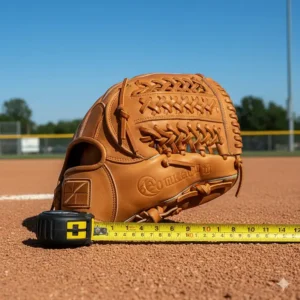
Gender-Specific Design Considerations
Alright, let’s address something that confuses a lot of people: why are softball gloves often marketed specifically to female athletes while baseball gloves aren’t gender-specific? The answer isn’t about arbitrary marketing – it’s about physiology and playing demographics.
Female Athlete Hand Dimensions
Research from sports science studies shows that adult female hands average 6.5 to 7.5 inches from wrist to fingertip, compared to 7.5 to 8.5 inches for adult male hands. That’s more than just a 1-inch difference – it’s proportionally significant when you’re trying to control a piece of equipment.
Beyond length, female hands typically feature:
- Narrower palm width (2.75-3.25″ vs. 3.25-3.75″ for males)
- Shorter finger length relative to palm size
- Smaller circumference around the wrist
- Different grip strength distribution
Softball glove manufacturers account for these differences through tighter finger stalls, smaller wrist openings, pull-strap adjustment systems, and sometimes lighter overall weight to reduce hand fatigue during extended play.
Why Baseball Gloves Don’t Emphasize Gender
Baseball remains predominantly male at competitive levels, so manufacturers design around average male hand dimensions as the default. That said, female baseball players absolutely exist and face a challenging equipment situation. Many end up using:
- Youth baseball gloves sized for adults
- Fastpitch softball gloves (which can work for some positions)
- Baseball gloves with ContoUR or smaller fits
- Custom gloves ordered through specialty manufacturers
Some baseball glove manufacturers now offer women’s-specific lines or smaller-fit options, but it’s nowhere near as standardized as in softball. The market simply hasn’t developed to the same degree because the player base is smaller.
Youth Glove Considerations
Youth gloves for both sports converge toward similar sizing and fitting philosophies since pre-adolescent kids haven’t developed the pronounced gender-based hand dimension differences yet. You’ll often see youth softball gloves and youth baseball gloves with fairly similar specifications, differentiated mainly by pocket depth and width to accommodate the ball size difference.
Common Myths and Misconceptions Debunked
Time to clear up some nonsense that gets repeated in sporting goods stores and on internet forums. Let’s separate fact from fiction when it comes to the softball vs baseball glove debate.
Myth 1: “You Can Use Any Glove For Either Sport”
Reality: While technically possible for casual play, using the wrong glove type seriously handicaps your performance. A baseball glove’s narrow pocket struggles to secure a 12-inch softball, leading to more dropped catches. Conversely, a softball glove’s deeper pocket slows transfer speeds in baseball, getting you thrown out on double plays. Sure, you can use either for either sport, but you’re fighting against equipment designed for optimal performance.
Myth 2: “Bigger Is Always Better”
Reality: Oversized gloves actually harm performance. A 13-inch glove on a middle infielder creates slower transfers and reduced agility. Proper sizing matches your position’s demands – more glove doesn’t equal better defense. I’ve seen kids struggle with 13-inch gloves when an 11.75″ would serve them infinitely better.
Myth 3: “Expensive Gloves Perform Better Immediately”
Reality: Premium gloves often require more break-in time than mid-range options. That $300 Heart of the Hide will feel stiff and awkward for weeks before it becomes magical. Cheaper gloves often come more game-ready because they use softer (but less durable) materials. You’re paying for longevity and ultimate performance, not instant gratification.
Myth 4: “Softball Gloves Are Just Bigger Baseball Gloves”
Reality: As we’ve covered extensively, the differences go way beyond size. Pocket shape, finger stall dimensions, wrist closure systems, padding distribution, and break-in characteristics all differ substantially. Softball gloves are specifically engineered around different catching mechanics and physical requirements.
Myth 5: “You Need Position-Specific Gloves From Day One”
Reality: Youth and beginner players benefit from utility patterns that work across multiple positions while they’re discovering where they fit best. Save the hyper-specialized patterns for when you’re committed to a specific position at competitive levels.
Maintenance and Care Best Practices
Your glove is an investment that deserves proper care. Follow these evidence-based maintenance practices to maximize your glove’s lifespan, whether it’s softball or baseball.
Daily Care Routines
After every use, wipe down your glove with a dry cloth to remove dirt, moisture, and field debris. This takes 30 seconds and prevents buildup that degrades leather. Store your glove in a cool, dry location – never in a car trunk or garage where temperature extremes cause leather to dry out and crack. Insert a ball or ball-shaped former into the pocket to maintain shape between uses.
Periodic Deep Conditioning
Every 15-20 uses, apply a thin layer of quality leather conditioner. Focus on high-flex areas like the pocket and finger joints while avoiding the laces (conditioner weakens them over time). For softball gloves with heavier padding, you might need slightly more frequent conditioning since they handle more impact force. Baseball gloves, especially those with premium steerhide, need less frequent conditioning – maybe every 25-30 uses.
What Products To Use
Stick with glove-specific conditioners like Rawlings Glovolium, Wilson Pro Stock Conditioner, or Nokona NLT Classic Leather Treatment. Avoid generic leather conditioners, shoe polish, or household oils – they’re formulated for different leather types and can damage baseball/softball glove leather. Never use heavy oils or petroleum products that over-saturate and weaken the leather structure.
Dealing With Water Exposure
If your glove gets wet (and it will eventually), do NOT put it in direct sunlight, near heaters, or in ovens/microwaves to dry. These rapid-drying methods cause leather to shrink, crack, and lose shape permanently. Instead, wipe excess water with a towel, insert a ball to maintain pocket shape, and let it air dry naturally at room temperature over 24-48 hours. Once dry, condition lightly to restore oils the water removed.
Lace Replacement
Laces wear out before leather does. Check laces every few months for fraying or breakage. Replace any damaged laces immediately before they fail during play. Most sporting goods stores carry replacement laces, or you can order directly from manufacturers. If you’re not confident relacing yourself, many stores offer relacing services for $10-30.
Storage During Off-Season
During extended storage periods, clean and condition your glove thoroughly, insert a ball to maintain pocket shape, and store in a breathable bag (never plastic, which traps moisture). Check it monthly and re-position the ball to prevent flat spots. Some players apply a slightly heavier conditioning before off-season storage to prevent drying.
Choosing Between Fastpitch and Slowpitch Softball Gloves
Not all softball is created equal, and neither are the gloves. If you’re playing slowpitch softball, the glove requirements shift dramatically compared to fastpitch. Let’s break down these often-confused categories.
Fastpitch Softball Glove Characteristics
Fastpitch gloves prioritize quick transfers and controlled catching at high speeds. Pitches come from only 43 feet away (compared to 60.5 feet in baseball), giving batters and fielders less reaction time. This demands gloves with secure pockets that won’t let balls pop out on hard impacts, but still allow rapid ball extraction for throws.
Sizing typically runs 11.5″ to 13″ depending on position, with most fastpitch players gravitating toward the 12″ to 12.5″ range for infield and 12.5″ to 13″ for outfield. The gloves feature tighter fits, pull-strap closures, and female athlete-specific sizing. Break-in times are moderate – manufacturers want these game-ready relatively quickly but still durable for competitive seasons.
Slowpitch Softball Glove Design
Slowpitch is a completely different animal. The ball comes in slower and higher, giving fielders more time to track it but also requiring more defensive range to cover the field. Slowpitch gloves often measure 12.5″ to 15″, with some recreational players using absolutely massive 14″ or 15″ models.
The larger sizes aren’t just about showing off – they genuinely help with the “catch everything you can reach” philosophy of slowpitch defense. Pockets are deeper than fastpitch because transfer speed matters less than securing difficult catches. Many slowpitch gloves are considered “utility” patterns that work across all positions since most leagues don’t emphasize specialized defensive positioning.
Slowpitch gloves accommodate both male and female players, so they come with looser fits and less emphasis on the pull-strap systems common in fastpitch. They’re generally heavier due to size and often use slightly lower-grade leather since the recreational nature of most slowpitch leagues doesn’t demand multi-year durability.
Making the Right Choice
If you play fastpitch competitively (high school, college, elite travel ball), invest in a proper fastpitch glove in the $100-$250 range. If you play recreational slowpitch adult leagues, you can get away with larger, less expensive gloves in the $60-$120 range. Don’t buy a slowpitch glove for fastpitch – that extra size will slow you down considerably.
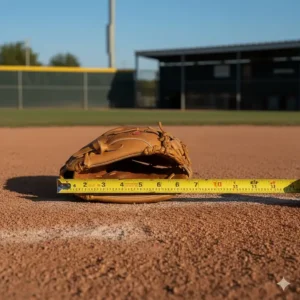
Making Your Final Decision: Key Factors to Consider
After all this information, how do you actually choose? Let me give you a decision framework that cuts through the noise and helps you identify the right glove for your specific situation.
Step 1: Identify Your Sport and Level
This should be obvious but needs stating: buy a glove designed for the sport you’re playing. If you play baseball, get a baseball glove. If you play fastpitch softball, get a fastpitch softball glove. If you play slowpitch, get a slowpitch glove. Don’t try to make one glove work for multiple sports unless you’re genuinely just messing around recreationally.
Your playing level matters enormously for budget allocation. Youth recreational players need functional gloves that fit today, not premium models they’ll outgrow. High school and college competitive players should invest in quality that lasts multiple seasons. Adult recreational players can thrive in mid-range equipment.
Step 2: Determine Your Position
If you’re primarily a middle infielder, prioritize smaller sizes with shallow pockets for quick transfers. Outfielders need maximum reach with deeper pockets. Third basemen want something in between. Pitchers need closed webs. Catchers need specialized mitts. First basemen need mitt-style construction.
Still bouncing between positions? Get a utility-pattern glove that splits the difference – typically around 11.75″ to 12″ for baseball or 12″ to 12.5″ for softball.
Step 3: Assess Your Budget Honestly
Set a realistic budget and stick to it. If you can only afford $50-$80, accept that you’re getting 1-2 seasons of use and plan accordingly. If you can stretch to $120-$180, you’re hitting the value sweet spot. If you’ve got $200+, you’re buying something that should last 4-5+ seasons with proper care.
Don’t finance a glove. Don’t go into debt for equipment. There are quality options at every price point – find the best glove within your actual budget.
Step 4: Try Before You Buy (When Possible)
Nothing beats trying a glove on your actual hand. Visit sporting goods stores and try on multiple models in your size range. Squeeze the glove closed – can you comfortably create full closure? Is the wrist fit comfortable? Can you feel where the pocket is?
If you’re ordering online, check return policies carefully. Many retailers allow returns on unused gloves, giving you the chance to try multiple options at home.
Step 5: Plan Your Break-In Strategy
Do you need a glove game-ready this weekend or can you invest weeks breaking it in properly? If you need immediate use, lean toward gloves marketed as “game-ready” or those with softer leather that breaks in quickly. If you’ve got time, consider premium steerhide options that reward patience with extended longevity.
FAQ: Your Burning Questions Answered
❓ Can you use a baseball glove for slowpitch softball games?
❓ How long should a quality softball glove vs baseball glove last?
❓ What size baseball glove should I buy if I normally use a 12.5 inch softball glove?
❓ Do professional softball players ever use baseball gloves?
❓ Why do softball gloves cost similar to baseball gloves despite different market sizes?
Recommended for You
- Slowpitch Softball Gloves: 7 Best Picks for 2025
- 7 Best Fastpitch Softball Gloves 2025: Expert Guide
- Best Softball Glove: 7 Top Picks for 2025
Conclusion: Making the Right Choice for Your Game
Look, here’s the bottom line: the softball glove vs baseball glove distinction matters more than most players realize. These aren’t interchangeable pieces of equipment with superficial differences – they’re specifically engineered tools designed around fundamentally different ball sizes, playing styles, and athlete requirements.
If you’re playing fastpitch softball, you need that deeper, wider pocket with tighter fits and pull-strap adjustability. If you’re playing baseball, you want those narrower, shallower pockets with roomier finger stalls optimized for quick transfers. Trying to make the wrong glove work is like wearing running shoes to play basketball – sure, they’re both athletic footwear, but you’re handicapping yourself for no good reason.
The seven gloves I’ve highlighted in this guide represent the best options across different price points and use cases. Whether you’re dropping $40 on a Franklin Sports entry-level glove or investing $250 in a Rawlings Liberty Advanced or Wilson A2000, you’re getting equipment appropriate for your playing level and budget. Don’t overthink it – match the glove to your sport, your position, your hand size, and your budget, then put in the work to break it in properly.
Your glove becomes an extension of your hand, and getting that relationship right makes all the difference between feeling confident in the field and constantly worrying about your equipment failing you. Take the time to choose correctly, maintain it properly, and that glove will reward you with seasons of reliable performance.
🔥 Ready to Elevate Your Game?
Don’t wait another day playing with subpar equipment! The gloves featured in this guide represent the absolute best options for 2025, carefully selected based on performance, durability, and value. Click on any highlighted product name above to check current Amazon pricing, compare customer reviews, and snag any limited-time deals before they expire. Your perfect glove is out there – make it yours today! ⚾🥎✨
Disclaimer: This article contains affiliate links. If you purchase products through these links, we may earn a small commission at no additional cost to you.
✨ Found this helpful? Share it with your friends! 💬🤗
