

In This Article
Ever fumbled with your phone while wearing work gloves, only to realize you need to peel them off in the middle of a task? If you’ve worked in construction, manufacturing, or automotive repair, you know this frustration all too well. The constant cycle of removing gloves, checking your device, and putting them back on isn’t just annoying—it’s a productivity killer.

Enter touchscreen compatible polyurethane gloves, the game-changer that combines hand protection with digital connectivity. These innovative work gloves feature conductive fingertips that interact seamlessly with smartphones, tablets, and touchscreen equipment while maintaining the superior grip and dexterity that PU coated gloves are famous for.
What makes polyurethane coating special? Unlike bulkier alternatives, PU coating provides exceptional tactile sensitivity, allowing workers to handle small parts and operate precision tools while keeping hands protected from abrasions and light oils. When you add touchscreen functionality to this winning combination, you get the best work gloves for phone use without sacrificing safety or performance.
Whether you’re a mechanic diagnosing vehicles with digital tools, a warehouse worker scanning inventory, or a technician who needs constant device access, these gloves deliver the smartphone compatible work gloves experience you’ve been searching for. The secret lies in conductive materials woven into the fingertips—typically copper threads or specialized polymers—that allow electrical current to flow from your skin through the glove to activate capacitive touchscreens.
Quick Comparison Table
| Glove Model | Touchscreen Fingers | Key Features | Best For | Price Range |
|---|---|---|---|---|
| MAGID ESD PU50ESD | Full palm coating | ESD certified, ANSI A4 abrasion resistant | Electronics assembly, precision work | $30-40 (12 pairs) |
| G-Tek 33-G125 | Palm & fingers | Seamless nylon blend, flat grip coating | General purpose, light assembly | $15-25 (12 pairs) |
| Amazon Basics PU Gloves | Palm coating | Budget-friendly, machine washable | DIY projects, home maintenance | $12-18 (12 pairs) |
| DEX FIT MG310 | 3-finger conductive | Premium reinforcement, breathable | Mechanics, automotive work | $10-15 (1 pair) |
| MAGID D-ROC GPD267 | Full coating | ANSI A3 cut protection, Hyperon shell | Sharp materials handling | $25-35 (12 pairs) |
| PTCOL PL-G0101 | Palm & fingertips | Hi-vis green, excellent grip | Warehouse, construction | $18-25 (12 pairs) |
| Mechanix M-Pact | Index & thumb | Impact protection, D3O padding | Heavy-duty tactical use | $25-35 (1 pair) |
💬 Just one click – help others make better buying decisions too! 😊
Top 7 Touchscreen Compatible Polyurethane Gloves: Expert Analysis
1. MAGID ESD-Rated Polyurethane Palm Coated Work Glove (PU50ESD)
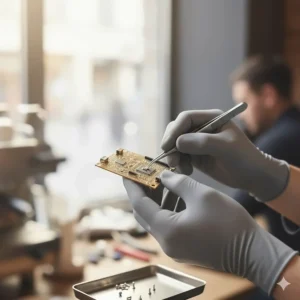
For electronics professionals who demand precision and static protection, the MAGID ESD PU50ESD stands as the gold standard. This 12-pack features EN16350 (ESD) electrostatic discharge certification, making it ideal for circuit board manufacturing and sensitive component handling.
Key Specifications:
- 15-gauge stretch nylon shell with 100% silicone-free PU coating
- ANSI Level 4 Abrasion Resistance, Level 2 Puncture Resistance
- Full touchscreen compatibility across palm and fingertips
The lightweight construction delivers exceptional breathability, preventing hand fatigue during extended shifts. Users consistently praise the gloves’ ability to handle delicate electronics while maintaining full smartphone functionality for scanning barcodes or checking schematics.
Pros:
✅ ESD certification protects sensitive electronics
✅ Superior tactile sensitivity for fine motor tasks
✅ Leaves no residue on touchscreens
Cons:
❌ Higher price point than standard PU gloves
❌ May wear faster with heavy abrasive materials
Customer feedback highlights these gloves excel in clean room environments and assembly lines where device compatibility matters most.
2. G-Tek 33-G125 Seamless Knit Nylon Glove
The G-Tek 33-G125 represents excellent value for workers needing reliable touchscreen functionality without breaking the bank. Its seamless knit nylon blend construction ensures comfort during all-day wear, while the flat grip polyurethane coating maintains control in both dry and slightly oily conditions.
Key Specifications:
- Seamless construction eliminates irritation points
- Flat PU coating on palm and fingers for enhanced grip
- Available in multiple sizes (S-XXL)
This model particularly shines in automotive shops and light manufacturing settings. The flexible design allows for precision work like assembling small components, while the conductive coating ensures you can quickly reference repair manuals or diagnostic apps on tablets.
Pros:
✅ Seamless design prevents blisters and hot spots
✅ Excellent dexterity for detailed tasks
✅ Cost-effective bulk pricing
Cons:
❌ Less durable than heavier-gauge alternatives
❌ Limited protection against sharp objects
Mechanics appreciate how these gloves balance smartphone compatible work gloves functionality with the nimbleness needed for intricate repairs.
3. Amazon Basics Polyurethane Coated Work Gloves
Don’t let the budget-friendly price fool you—the Amazon Basics PU Coated Gloves deliver solid performance for home improvement enthusiasts and occasional users. These Size 9 (Large) gloves feature 100% polyester liner with 100% polyurethane coating, offering the essential touchscreen capability most DIYers need.
Key Specifications:
- Machine washable on cold/delicate cycle
- Extended elastodiene cuff (92% polyester, 8% elastodiene)
- Suitable for wet or dry applications
The real value proposition here is versatility. Whether you’re gardening, painting, or doing basic carpentry, these gloves provide adequate protection while keeping you connected. The extended cuff prevents debris from entering, a feature often missing in budget options.
Pros:
✅ Unbeatable price for 12-pair pack
✅ Machine washable extends lifespan
✅ Amazon’s 1-year limited warranty
Cons:
❌ Lower abrasion resistance than premium options
❌ Basic touchscreen response compared to specialized models
Homeowners find these perfect for weekend projects where smartphone access matters but industrial-grade protection isn’t necessary.
4. DEX FIT Mechanic Gloves MG310 Premium
The DEX FIT MG310 targets serious mechanics who demand professional-grade equipment. These gloves incorporate special conductive material across three fingers (thumb, index, middle), ensuring you can operate diagnostic tools, smartphones, and tablets without hesitation.
Key Specifications:
- Durable PU reinforcements on high-wear areas
- Stretch mesh for superior ventilation
- CE/ANSI certified with 100% satisfaction guarantee
What sets these apart is the thoughtful engineering. The firm palm grip handles torque wrenches and power tools with confidence, while the breathable mesh back prevents the sweaty-hand syndrome that plagues mechanics during summer months. Users report the conductive fingertips maintain responsiveness even after months of heavy use.
Pros:
✅ Three-finger touchscreen coverage for maximum flexibility
✅ Reinforced thumb and index finger extend durability
✅ Excellent breathability reduces hand fatigue
Cons:
❌ Sold as single pair, not bulk pack
❌ Premium pricing compared to generic alternatives
Professional technicians invest in these knowing the quality justifies the cost, especially when device compatibility directly impacts workflow efficiency.
5. MAGID D-ROC ANSI A3 Touchscreen Compatible Gloves (GPD267)
When your work involves handling sharp materials, the MAGID D-ROC GPD267 brings serious cut protection to the touchscreen gloves category. The Hyperon shell delivers ANSI level A3 cut resistance while maintaining the dexterity needed for precision tasks.
Key Specifications:
- 15-gauge Hyperon/Nylon blend construction
- Polyurethane palm and finger coating
- Color-coded overcast for size identification
This model excels in metal fabrication, glass handling, and assembly operations where cut hazards exist but digital device access remains essential. The machine-washable design withstands repeated laundering without losing touchscreen responsiveness—a crucial factor for industrial environments with strict hygiene protocols.
Pros:
✅ ANSI A3 cut protection for hazardous environments
✅ Maintains flexibility despite protective construction
✅ Machine washable for easy maintenance
Cons:
❌ Bulkier than lower-protection alternatives
❌ May reduce tactile sensitivity for ultra-fine work
Fabrication shops value these gloves for bridging the gap between safety requirements and modern connectivity needs.
6. PTCOL PU Coated Work Gloves (PL-G0101)
The hi-vis green PTCOL PL-G0101 gloves solve a common problem: staying visible while staying connected. These 12-pair packs combine touchscreen functionality with high-visibility design, perfect for warehouse workers, package handlers, and construction personnel who need to be seen.
Key Specifications:
- Grippy polyurethane coating for secure handling
- Seamless knit construction for comfort
- Knit wrist cuff prevents debris entry
The superior grip performance shines when handling boxes, tools, or construction materials in varied conditions. The coating maintains traction in dry, wet, and lightly oily situations—a versatility that warehouse workers particularly appreciate. Touchscreen responsiveness allows instant inventory scanning or communication checks without workflow interruption.
Pros:
✅ Hi-vis color enhances workplace safety
✅ Multi-condition grip handles diverse tasks
✅ Lightweight design prevents hand fatigue
Cons:
❌ Bright color shows dirt and wear quickly
❌ Not suitable for heavy-duty abrasion environments
Logistics professionals find these ideal for fast-paced operations where visibility, grip, and device compatibility intersect.
7. Mechanix Wear M-Pact Covert Tactical Gloves
For heavy-duty applications demanding maximum protection, the Mechanix Wear M-Pact delivers military-grade performance with touchscreen capability. The D3O palm padding absorbs high-impact energy, while thermoplastic rubber (TPR) knuckle guards shield hands from serious injuries.
Key Specifications:
- 0.8mm synthetic leather for durability and flexibility
- D3O palm padding for vibration dampening
- Touchscreen-compatible index finger and thumb
These gloves target tactical operators, heavy equipment operators, and professionals facing impact hazards. The breathable TrekDry material prevents moisture buildup during intense activity, while the secure TPR wrist closure keeps gloves firmly in place. The conductive fingertips maintain full smartphone functionality even through the robust construction.
Pros:
✅ EN 13594 professional-rated impact protection
✅ D3O padding reduces hand fatigue from power tools
✅ Machine washable maintains long-term performance
Cons:
❌ Premium price for single pair
❌ Heavier construction may feel bulky for precision work
Construction professionals and tactical users accept the higher cost knowing these gloves provide unmatched protection while preserving essential digital access.
Understanding Polyurethane Coating Technology
Polyurethane coating revolutionized work glove design by offering a unique combination of properties that traditional materials couldn’t match. According to industry experts, PU coatings provide exceptional tactile sensitivity because manufacturers can apply them in ultra-thin layers—sometimes just microns thick—without compromising grip or durability.
The magic of polyurethane lies in its molecular structure. As a synthetic polymer, PU can exhibit both plastic-like rigidity and rubber-like flexibility depending on how it’s processed. This versatility allows manufacturers to tailor coating properties for specific applications. Water-based PU formulations have emerged as environmentally friendlier alternatives, offering improved flexibility while reducing manufacturing’s environmental footprint.
Why PU Outperforms Other Coatings
Compared to latex or nitrile alternatives, polyurethane excels in precision work scenarios. The coating’s natural tackiness provides secure grip without the sticky feeling that characterizes some latex gloves. This “bare hand” sensation is crucial for mechanics, assemblers, and technicians who need maximum dexterity.
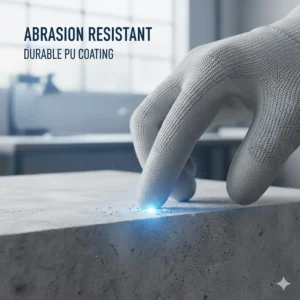
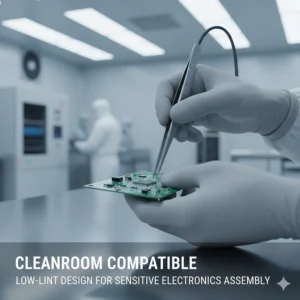
PU coatings demonstrate excellent resistance to oils, solvents, fats, and gasoline—making them ideal for automotive and manufacturing environments. The low particulate shed characteristic means these gloves work wonderfully in cleanroom settings where contamination control is critical. Electronics assemblers particularly value this property when handling sensitive components.
Breathability represents another PU advantage. Unlike fully-coated alternatives that trap heat and moisture, partial PU coating allows air circulation through the knit shell backing. This prevents the clammy, uncomfortable sensation that reduces productivity during extended wear periods.
The Science Behind Touchscreen Compatibility
Ever wondered why your regular gloves won’t work on your phone? The answer lies in how capacitive touchscreens function. Modern smartphones and tablets use capacitive technology, which relies on the electrical conductivity of human skin rather than pressure.
How Capacitive Screens Detect Touch
Beneath your phone’s glass surface lies a grid of transparent conductive material—typically indium tin oxide (ITO). This grid maintains a uniform electrostatic field across the screen. When your finger touches the display, it absorbs a tiny amount of electrical current, creating a distortion in the field. The phone’s processor calculates your exact touch location based on which sensors detected the change.
Regular gloves fail because most fabrics act as electrical insulators, blocking the current flow between your skin and the screen. The glove creates a barrier that prevents the capacitive field distortion necessary for touch detection.
Conductive Materials Make the Difference
Touchscreen compatible polyurethane gloves solve this problem by incorporating conductive materials into the fingertips. Manufacturers typically use copper threads, silver-infused fibers, or specialized conductive polymers. These materials create an electrical bridge between your skin inside the glove and the touchscreen surface.
The most effective designs integrate conductive coating across multiple fingers—not just the index finger. This multi-touch capability allows natural smartphone interactions like pinch-to-zoom or two-handed typing. Premium models maintain screen responsiveness even as gloves age, using durable conductive materials that resist wear from repeated use.
According to research on touchscreen technology, copper yarn provides the best balance of conductivity, durability, and cost-effectiveness. Some manufacturers experiment with aluminum or specialized thermal compounds, though copper remains the industry standard for reliable performance.
Benefits of PU Coated Gloves with Touchscreen Technology
Enhanced Workplace Productivity
The productivity impact of smartphone compatible work gloves extends beyond simple convenience. Consider a warehouse worker who scans 200 packages daily. Without touchscreen gloves, each scan requires removing gloves, scanning, then re-gloving—consuming 5-10 seconds per cycle. Over a shift, this wasted time accumulates to 15-30 minutes of lost productivity. Multiply across a workforce, and the efficiency gains become substantial.
Mechanics using digital diagnostic equipment face similar challenges. Modern vehicles require constant interface with touchscreen scan tools, repair databases, and parts catalogs. Touchscreen compatible work gloves eliminate the frustration of repeatedly removing protection to access critical information.
Superior Grip Performance
Polyurethane’s molecular properties deliver outstanding grip characteristics. The coating maintains traction in dry environments through its natural tackiness, while providing adequate grip in slightly wet or oily conditions—though not as effectively as foam nitrile in heavily oiled applications.
The thin coating preserves hand sensitivity, allowing workers to feel what they’re handling. This tactile feedback is essential when assembling small components, handling delicate materials, or operating precision tools. Construction workers appreciate being able to feel fasteners, while electronics assemblers value the sensitivity for handling tiny circuit components.
Dexterity and Comfort
Lightweight construction makes PU-coated gloves feel almost like a second skin. The seamless knit shells conform to hand shapes, providing freedom of movement that bulkier gloves can’t match. This dexterity proves crucial for tasks requiring finger manipulation—threading nuts onto bolts, operating small switches, or writing notes.
Breathability prevents the hand fatigue associated with moisture buildup. Many workers report they can wear quality PU gloves for entire shifts without experiencing the clammy discomfort that forces frequent breaks with non-breathable alternatives.
Cost-Effectiveness
Bulk packaging—typically 12 pairs per purchase—provides excellent value for businesses outfitting teams. The relatively low cost per pair makes replacement affordable when gloves reach end-of-life. Many organizations find PU gloves offer the best balance of protection, performance, and price for general industrial applications.
Machine-washable models extend usable life by allowing periodic cleaning, particularly important in food processing, pharmaceutical, or cleanroom environments where hygiene matters.
How to Choose the Right Touchscreen Compatible Polyurethane Gloves
1. Assess Your Work Environment
Different industries demand different protection levels. Electronics assembly requires ESD protection and low particulate shed. Construction needs higher abrasion resistance and possibly cut protection. Automotive work benefits from oil resistance and impact protection on knuckles.
Consider environmental conditions too. Indoor climate-controlled facilities can use lightweight options, while outdoor construction in variable weather might justify water-resistant coatings or insulated variants.
2. Determine Required Protection Levels
ANSI/ISEA 105-2024 standards provide objective ratings for:
- Cut resistance (A1-A9 scale)
- Abrasion resistance (Levels 0-6)
- Puncture resistance (Levels 0-5)
Match these ratings to actual hazards. Light assembly might only need A1 cut protection, while glass handling requires A4 or higher. Don’t over-specify—excessive protection reduces dexterity and increases costs unnecessarily.
3. Evaluate Coating Coverage
Palm-only coating maximizes breathability and flexibility while providing grip where it matters most. This works well for tasks emphasizing dexterity over protection.
Full-finger coating extends abrasion resistance and grip across the entire gripping surface. Choose this for handling rough materials or working in consistently dirty conditions.
Full-hand coating offers maximum protection but sacrifices breathability. Reserve this for chemical resistance or heavy contamination environments.
4. Verify Touchscreen Responsiveness
Not all “touchscreen compatible” gloves perform equally. Premium models use higher-quality conductive materials that maintain responsiveness through extended use. Budget options may lose effectiveness as coating wears.
Look for specifications indicating which fingers feature conductive material. Multi-finger coverage (typically thumb, index, middle) provides more natural device interaction than index-only designs.
5. Consider Gauge and Comfort
Glove gauge refers to the knit shell’s tightness:
- 13-15 gauge: Lightest, maximum dexterity, good for precision work
- 18-21 gauge: Heavier, more durable, better for rough handling
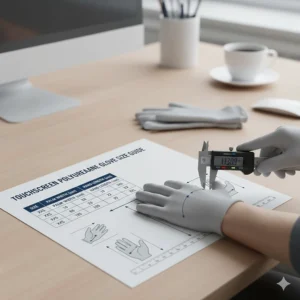
Ensure proper sizing. Gloves too large reduce dexterity and create safety hazards from excess material. Too-tight gloves restrict blood flow and cause fatigue.
6. Check Cuff Style
Knit wrist cuffs provide secure fit while preventing debris entry. Most versatile for general applications.
Extended cuffs protect wrists and lower forearms, valuable in construction or welding support roles.
Elastic cuffs offer easy on-off but may allow debris infiltration.
7. Review Laundering Requirements
Machine-washable gloves reduce replacement frequency and support hygiene protocols. Check whether manufacturer recommends cold water, air drying, or specific detergents to maintain touchscreen functionality.
Some conductive coatings degrade with harsh chemicals or excessive heat. Understanding care requirements helps budget replacement schedules accurately.
Common Applications and Use Cases
Electronics Manufacturing and Assembly
Cleanroom environments demand gloves that protect sensitive components while allowing touchscreen operation for inventory systems, work instructions, and quality control apps. ESD-rated PU gloves prevent static discharge that could destroy circuits worth thousands of dollars.
Assemblers handling tiny components benefit from the superior tactile sensitivity that thin PU coatings provide. The low particulate shed prevents contamination that could compromise product quality.
Automotive and Mechanical Work
Modern mechanics interact constantly with touchscreen diagnostic equipment, repair databases, and parts ordering systems. Traditional approaches required removing gloves dozens of times per shift—disrupting workflow and exposing hands to oils, solvents, and sharp edges.
Smartphone compatible work gloves allow mechanics to maintain hand protection while accessing digital resources seamlessly. The oil resistance of PU coating handles light petroleum contact, though heavily soiled gloves eventually require replacement.
Warehouse and Logistics Operations
Package handlers scan barcodes continuously throughout shifts. Touchscreen gloves eliminate the time waste and hand exposure from repeated glove removal. The grip enhancement from PU coating reduces dropped packages and associated damage claims.
Hi-vis options address safety concerns in busy distribution centers where forklifts and other equipment operate. Being seen while handling materials and devices simultaneously improves both productivity and safety metrics.
Construction and Building Trades
General contractors juggle project management apps, client communications, and material ordering systems alongside physical construction tasks. Touchscreen compatible work gloves bridge the gap between digital and manual work requirements.
The abrasion resistance of PU coating handles lumber, drywall, and light masonry work. For heavier demolition or steel work, upgrading to models with enhanced cut protection makes sense.
Food Processing and Pharmaceutical
Industries with strict hygiene requirements value machine-washable PU gloves that maintain touchscreen function after laundering. Workers can sanitize gloves between tasks while preserving the ability to operate touchscreen inventory systems, production tracking, and quality assurance applications.
The silicone-free formulations prevent contamination concerns in sensitive production environments. Low particulate shed ensures product purity in pharmaceutical manufacturing.
Maintenance and Care Tips
Extending Glove Lifespan
Rotate multiple pairs to allow drying between uses. Moisture accumulation degrades materials and promotes microbial growth. Having 2-3 pairs in rotation can double effective lifespan.
Inspect regularly for signs of wear—worn coatings, holes, or separated seams. Replace gloves showing these symptoms before protection fails during critical tasks.
Store properly in cool, dry locations away from direct sunlight. UV exposure degrades polyurethane coatings over time. Avoid storing near solvents or chemicals that might compromise material integrity.
Washing Best Practices
For machine-washable models:
- Use cold water on delicate cycle
- Mild detergent without bleach or harsh chemicals
- Air dry completely before next use
- Never use fabric softener (can interfere with touchscreen function)
Hand washing works for gloves without explicit machine-wash ratings:
- Lukewarm water with mild soap
- Gentle agitation, avoid harsh scrubbing
- Thorough rinse to remove all soap residue
- Lay flat or hang to dry (avoid direct heat)
Maintaining Touchscreen Responsiveness
Conductive coatings can degrade from:
- Excessive washing with harsh detergents
- Exposure to high heat or direct sunlight
- Abrasion from rough surfaces
- Chemical contamination
If touchscreen response decreases but gloves remain otherwise serviceable, consider them for tasks not requiring device interaction. This maximizes value from your investment.
Safety Standards and Certifications
ANSI/ISEA 105 Standards
The American National Standards Institute provides standardized testing for protective gloves. The 2024 edition introduced a simplified pentagon label system displaying key protection levels at a glance:
Cut Resistance (A1-A9): Measures grams of force required to cut through material. A1 protects against paper cuts, while A9 handles extremely sharp metals.
Abrasion Resistance (0-6): Indicates how many cycles material withstands before failure. Higher levels suit rough handling applications.
Puncture Resistance (0-5): Tests force needed to pierce glove material. Critical for environments with sharp, pointed hazards.
ESD Certification (EN 16350)
Electronics work requires electrostatic discharge protection. ESD-certified gloves prevent static buildup that could damage sensitive components. This certification is non-negotiable for circuit board assembly, semiconductor manufacturing, and electronics repair.
CE Marking
European Conformity marking indicates gloves meet EU health, safety, and environmental protection standards. While not required for US-only operations, CE marking often signals quality manufacturing processes.
Food Contact Safe
Gloves used in food processing must meet FDA requirements for food contact surfaces. Look for explicit food-safe certification if using gloves in culinary or food production environments.
Troubleshooting Common Issues
Poor Touchscreen Response
Worn conductive coating: Inspect fingertips for visible wear. If coating appears degraded, replacement is necessary.
Dirty screen or gloves: Clean both thoroughly. Oil, dirt, or residue interferes with electrical conductivity.
Cold temperatures: Extreme cold can reduce touchscreen sensitivity. Warm hands briefly or choose gloves specifically rated for cold-weather use.
Incompatible screen protectors: Some thick or textured screen protectors require more pressure than gloves can provide. Consider switching to thinner protectors or removing them when using gloves.
Reduced Grip
Coating contamination: Oil, grease, or chemical exposure can compromise grip. Wash gloves or replace if contamination is permanent.
Worn coating: Visual inspection reveals smooth, shiny areas where grip texture has worn away. Replace gloves when this occurs.
Wet conditions: Standard PU coating performs poorly when saturated. For consistently wet environments, consider foam nitrile alternatives.
Premature Wear
Improper sizing: Too-tight gloves create stress points that fail early. Too-loose gloves catch on objects and tear. Ensure proper fit.
Exceeding protection rating: Using light-duty gloves for heavy abrasion accelerates wear. Match glove specifications to actual hazards.
Inadequate rotation: Using same pair daily without drying time promotes degradation. Maintain multiple pairs in rotation.
Comfort Issues
Hand fatigue: May indicate poor fit, inadequate breathability, or extended use without breaks. Try different sizing or more breathable alternatives.
Skin irritation: Though rare with PU coating, some individuals experience sensitivity. Switch to hypoallergenic certified models or consult occupational health professionals.
Frequently Asked Questions
❓ How long do touchscreen compatible polyurethane gloves typically last?
❓ Can I wash PU coated gloves with touchscreen in a washing machine?
❓ Do touchscreen gloves work with all smartphone models?
❓ What's the difference between PU coating and foam nitrile for touchscreen gloves?
❓ Are touchscreen compatible work gloves safe for electrical work?
Conclusion: Making the Smart Choice for Connected Workplaces
The evolution of touchscreen compatible polyurethane gloves represents more than just technological novelty—it addresses a genuine workplace efficiency challenge. As digital devices become ubiquitous across industries, the ability to maintain hand protection while accessing smartphones, tablets, and touchscreen equipment transitions from luxury to necessity.
Quality PU coated gloves with touchscreen deliver a trifecta of benefits: superior tactile sensitivity for precision work, reliable device compatibility for uninterrupted workflow, and adequate protection against common workplace hazards. The thin coating technology preserves the “bare hand” feel that makes complex tasks manageable, while conductive fingertips eliminate the productivity drain of constant glove removal.
Choosing the right pair requires honest assessment of your specific needs. Electronics professionals prioritize ESD protection and low particulate shed. Mechanics need oil resistance and durability. Warehouse workers benefit from hi-vis options and multi-condition grip. Construction personnel require higher abrasion resistance. Match glove specifications to actual hazards rather than over-specifying protection that reduces dexterity and increases costs.
The products we’ve analyzed represent tested solutions from reputable manufacturers. Budget-conscious buyers find excellent value in Amazon Basics or G-Tek options for general applications. Professionals demanding premium performance invest in DEX FIT or Mechanix Wear knowing quality justifies the cost. Specialized environments like electronics assembly or food processing benefit from purpose-designed options like MAGID ESD or machine-washable variants.
As workplace technology continues advancing, expect further innovations in touchscreen glove design—perhaps longer-lasting conductive materials, improved cold-weather performance, or integrated smart features. For now, the current generation of smartphone compatible work gloves delivers proven productivity improvements while maintaining the hand protection that safety regulations and common sense demand.
Your hands deserve protection that doesn’t compromise your ability to do great work. The right pair of touchscreen compatible polyurethane gloves makes that possible.
Recommended for You
- 7 Best Nitrile Coated Gloves for Cold Weather (2026 Expert Guide)
- Polyurethane Coated vs Nitrile Coated Gloves: 7 Best 2026
- 7 Best Nitrile Coated Gloves for Assembly Work (2026 Guide)
Disclaimer: This article contains affiliate links. If you purchase products through these links, we may earn a small commission at no additional cost to you.
✨ Found this helpful? Share it with your friends! 💬🤗
