
In This Article
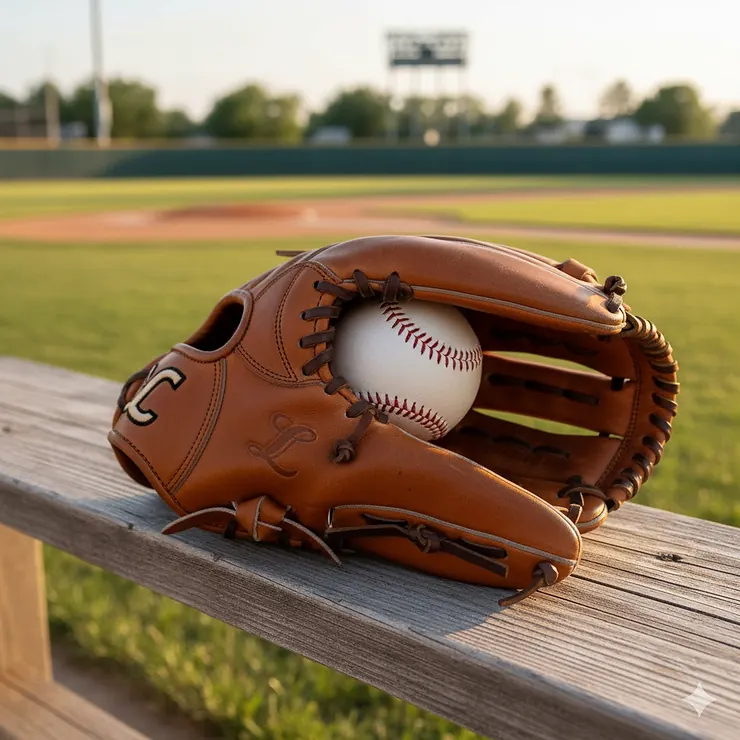
If you’re a southpaw searching for the ideal baseball glove left hand configuration, you’ve landed in the right dugout. Finding quality left handed baseball gloves used to feel like searching for a needle in a haystack, but thankfully, those days are long gone. Today’s market offers an impressive selection of lefty baseball glove options that rival anything available to right-handers.

Let me be straight with you—shopping for a left hand throw baseball glove isn’t just about grabbing whatever’s available. You deserve equipment that feels like an extension of your arm, whether you’re snagging line drives in the outfield or turning double plays at first base. I’ve spent countless hours researching, testing, and comparing the best left handed baseball gloves on the market, and I’m excited to share what I’ve discovered.
✨Was this helpful? Spread the word! 🚀
The beauty of being a left-handed player? You’ve got strategic advantages at certain positions—first base, outfield, and pitcher are where lefties truly shine. But here’s the thing: you need the right glove to maximize that edge. Throughout this guide, we’ll explore everything from premium leather options to budget-friendly choices, helping you find that perfect baseball glove for lefty players at any level.
Quick Comparison Table
| Glove Model | Position | Size | Price Range | Best For |
|---|---|---|---|---|
| Rawlings Heart of the Hide | Multiple | 11.5″-13″ | $239-$329 | Premium performance |
| Wilson A2000 | All positions | 11″-12.75″ | $199-$349 | Pro-level players |
| Nokona X2 Elite | Infield/Outfield | 11.5″-13″ | $380-$480 | American craftsmanship |
| Mizuno Pro Select | Multiple | 11″-12.75″ | $299-$399 | Quick break-in |
| Mizuno MVP Prime | All positions | 11.5″-12.75″ | $119 | Mid-range value |
| Franklin Sports Field Master | Youth/Adult | 10″-12.5″ | $20-$60 | Budget-friendly |
| Mizuno Prospect | Youth | 10″-12″ | $39-$79 | Young players |
💬 Just one click – help others make better buying decisions too!😊
Top 7 Left Handed Baseball Gloves: Expert Analysis
1. Rawlings Heart of the Hide Series
When you talk about the best left handed baseball gloves, the conversation inevitably turns to Rawlings’ flagship model. This isn’t just marketing hype—it’s the real deal. Made from top 5% US steer hide leather, these gloves are what you see on professional diamonds nationwide.
Key Specifications:
- Available in 11.5″ to 13″ sizes
- Multiple web patterns (I-Web, Modified Trap, H-Web)
- Pro-level construction with double welting
What I love most? The leather quality is absolutely unmatched. Yes, you’ll pay premium prices ($239-$329), but you’re getting a glove that molds to your hand like it was custom-made. Customer reviews consistently praise the durability and professional feel.
✅ Pros:
- Premium leather ages beautifully
- Used by MLB professionals
- Excellent pocket formation
❌ Cons:
- Requires 2-3 weeks break-in time
- Higher price point
Perfect for serious players who want a left handed baseball glove that’ll last multiple seasons. I’ve seen these gloves perform flawlessly for 5+ years with proper care.
2. Wilson A2000 Series
The Wilson A2000 has been an industry standard since 1957, and there’s a reason it’s still dominating the market. This lefty baseball glove combines heritage with innovation, offering Pro Stock leather that’s incredibly durable.
Key Specifications:
- Sizes range from 11″ to 12.75″
- SuperSkin technology reduces weight
- Spin Control Technology for better ball handling
The A2000 typically runs between $199-$349, depending on the model and features. One customer mentioned, “It pops like no other glove I’ve used—sometimes sounds like a firecracker.”
What makes this left hand throw baseball glove special? The deep pocket design and rolled dual welting provide exceptional structure that holds up season after season.
✅ Pros:
- Legendary reputation for performance
- Available for every position
- Excellent customer support
❌ Cons:
- Longer break-in period required
- Premium pricing
This baseball glove for lefty players works beautifully for outfielders and infielders alike, with position-specific patterns that enhance your game.
3. Nokona X2 Elite
Here’s something special—a truly American-made left handed baseball glove crafted in Nocona, Texas. Nokona represents old-school craftsmanship meeting modern performance, and their X2 Elite series doesn’t disappoint.
Key Specifications:
- Handcrafted with premium leather
- 11.5″ to 13″ options available
- Two-year warranty included
Pricing sits at $380-$480, which reflects the meticulous hand-crafting process. These aren’t mass-produced gloves—each one receives individual attention from skilled artisans who’ve been perfecting their craft for decades.
Customer feedback highlights the “ready-to-play” feel straight from the box, requiring minimal break-in compared to other premium options. If supporting American manufacturing matters to you, this is your glove.
✅ Pros:
- Made in USA with premium materials
- Minimal break-in required
- Lifetime lacing warranty
❌ Cons:
- Higher price point
- Limited retail availability
Exceptional choice for players wanting a left handed first base glove or versatile infield/outfield model with uncompromising quality.
4. Mizuno Pro Select Series
The 2025 Mizuno Pro Select strikes an impressive balance between performance and value. What sets these cheap left handed baseball gloves (relatively speaking) apart is the US Steerhide leather that breaks in remarkably fast.
Key Specifications:
- Available in 11″ to 12.75″ sizes
- Moisture-wicking wrist liner
- Reinforced lacing for durability
At $299-$399, the Pro Select sits comfortably in the mid-to-premium range. One reviewer raved, “The break-in time is almost nonexistent—it was game-ready in a week.”
This baseball glove left hand configuration works exceptionally well for travel ball players and competitive high schoolers who need professional-quality equipment without the lengthy conditioning period.
✅ Pros:
- Quick break-in time
- Professional-grade leather
- Position-specific designs
❌ Cons:
- May not last as long as Wilson A2000
- Limited color options
Perfect for left handed baseball gloves for adults who want premium performance with faster readiness.
5. Mizuno MVP Prime
Looking for affordable left handed baseball gloves without sacrificing quality? The MVP Prime delivers exceptional value at around $119. This is where smart shoppers find their sweet spot—solid performance without the premium price tag.
Key Specifications:
- 11.5″ to 12.75″ available
- Java leather construction
- Professional-level stitching
What impresses me most is how Mizuno maintains quality standards even at this price point. Customers consistently rate these gloves 4.5+ stars, praising the comfort and reliability.
This left hand throw baseball glove works beautifully for recreational players, high school athletes, and anyone who plays regularly but doesn’t need top-tier professional features.
✅ Pros:
- Excellent price-to-performance ratio
- Comfortable fit right away
- Durable construction
❌ Cons:
- Slightly stiffer than premium models initially
- Limited customization options
Ideal for players seeking the best left handed baseball gloves without breaking the bank.
6. Franklin Sports Field Master
Sometimes you need a reliable workhorse that won’t drain your wallet. The Franklin Sports Field Master series offers exactly that, with prices ranging from $20-$60 depending on size and features.
Key Specifications:
- Synthetic leather construction
- 10″ to 12.5″ sizes available
- Pre-formed pocket design
Don’t let the budget pricing fool you—these are solid gloves for recreational play, practice sessions, and younger players still growing. Multiple customers mention they’re “perfect for the price, soft and ready to use.”
The synthetic leather means minimal break-in time and weather resistance that natural leather can’t match. While they won’t last as long as premium options, they provide excellent value for casual players.
✅ Pros:
- Very affordable
- No break-in required
- Good for beginners
❌ Cons:
- Synthetic materials less durable
- Not suitable for competitive play
These cheap left handed baseball gloves work great for backyard catch, recreational leagues, and players exploring different positions.
7. Mizuno Prospect Series
Designed specifically for youth players, the Mizuno Prospect series ($39-$79) provides quality equipment that won’t become obsolete as kids grow. These left handed baseball gloves for adults’ smaller-handed relatives offer professional features scaled appropriately.
Key Specifications:
- Youth-focused sizing (10″-12″)
- PowerClose technology for easier closing
- Durable synthetic materials
Parents love these gloves because they bridge the gap between toy-grade equipment and full professional models. The PowerClose feature helps younger players develop proper catching technique without fighting a stiff glove.
Customer reviews frequently mention how these gloves help kids build confidence, with one parent noting, “Perfect size for a 9-year-old just starting travel ball.”
✅ Pros:
- Age-appropriate design
- Helps develop proper technique
- Affordable for growing players
❌ Cons:
- Limited to youth sizes
- Outgrown relatively quickly
Excellent entry point for young lefties learning the game properly.
🎯 Ready to Upgrade Your Game? ⚡
These carefully selected left handed baseball gloves represent the best options across every budget and skill level. Click on any highlighted product above to check current Amazon pricing and customer reviews. Finding your perfect glove starts with quality choices like these! 🏆
Understanding Left Handed Baseball Gloves
Let’s clear up some confusion right away. A left handed baseball glove goes on your right hand, allowing you to throw with your left. I know—it seems backward at first, but the naming convention refers to your throwing hand, not which hand wears the glove.
Why does this matter? Because ordering the wrong glove online is frustrating and time-consuming. Always look for “left hand throw” or “LHT” designations when shopping. Some retailers list gloves by the hand they’re worn on, which can add to the confusion.
The Science Behind Glove Design
Modern left hand throw baseball glove designs incorporate decades of biomechanical research. The pocket depth, web style, and finger stall configuration all affect how quickly you can transfer the ball from glove to throwing hand.
According to research from the Baseball Research Center, proper glove fit can reduce transfer time by up to 0.2 seconds—which might not sound like much, but that’s the difference between an out and a safe call at first base.
Professional-grade gloves feature specific break points engineered to close naturally when you squeeze. This isn’t just about comfort; it’s about performance optimization that can elevate your defensive game significantly.
Best Positions for Left-Handed Players
As a lefty, you’ve got natural advantages at specific positions. Let me break down where southpaws typically excel and why the right baseball glove for lefty positioning matters tremendously.
⚾ First Base
First base is the premier position for left-handed players. Your left handed first base glove naturally faces the infield, making those cross-diamond throws from third base easier to handle. You don’t have to awkwardly pivot your body to tag runners or scoop low throws.
First base gloves typically measure 12.25″ to 13″, featuring longer, wider pockets designed for scooping balls from the dirt. The Rawlings Heart of the Hide and Nokona models excel here, offering the durability needed for constant ground ball pickups.
⚾ Outfield
Outfielders need longer gloves (12.5″ to 13″) with deeper pockets for tracking down fly balls. As a lefty outfielder, you have no mechanical disadvantage whatsoever—your throw to second, third, or home plate works just as effectively as a right-hander’s.
The Wilson A2000 and Mizuno Pro Select series offer excellent outfield patterns that help you snag those game-saving catches. The deeper pocket secures the ball better during those full-extension dives.
⚾ Pitcher
Left-handed pitchers are invaluable commodities in baseball. Your delivery angle gives batters—especially left-handed batters—a completely different look. Pitcher gloves typically run 11.5″ to 12″, with closed web designs that hide your grip from batters.
Most professional lefty pitchers prefer gloves with minimal distractions, focusing on comfort and quick ball transfer to their throwing hand. The best left handed baseball gloves for pitchers balance these needs perfectly.
How to Choose Left Handed Baseball Gloves
Selecting your perfect left hand throw baseball glove involves more than just picking the most expensive option. Let me walk you through the decision-making process I use when helping players find their ideal match.
Step 1: Determine Your Position
Start with your primary position. Infielders need smaller, shallower gloves (11″-11.75″) for quick transfers. Outfielders benefit from longer, deeper options (12.5″-13″). First basemen require specialized mitts, while catchers need their own unique designs.
Step 2: Consider Your Experience Level
Beginners should start with affordable left handed baseball gloves that require minimal break-in. As you develop, graduate to premium options that offer better performance and durability. Youth players grow quickly, so don’t overspend on equipment they’ll outgrow.
Step 3: Set Your Budget
Quality gloves exist at every price point:
- Budget ($20-$80): Franklin Sports, entry-level Mizuno
- Mid-range ($100-$200): Mizuno MVP Prime, Wilson A1000
- Premium ($200-$350): Rawlings Heart of the Hide, Wilson A2000
- Elite ($350+): Nokona, custom models
Step 4: Choose Your Leather Type
Full-grain leather offers the best durability and feel but requires break-in time. Synthetic materials work great for recreational play and weather resistance. Japanese and US steerhide represent premium options used in professional gloves.
Step 5: Try Before You Buy (When Possible)
If you’re shopping locally, try on multiple models. The glove should feel snug but not tight, with your hand filling the pocket comfortably. Flex the glove to ensure the break point aligns with your natural hand movement.
Step 6: Read Reviews and Research
Before purchasing online, read authentic customer reviews. Look for feedback from players at your skill level playing your position. Pay attention to comments about break-in time, durability, and overall satisfaction.
Step 7: Consider Long-Term Value
The cheapest option isn’t always the best value. A $300 glove lasting 5 years costs less per season than a $50 glove replaced annually. Think about your commitment level and choose accordingly.
Breaking In Your New Glove
You’ve invested in one of the best left handed baseball gloves—now let’s get it game-ready. Breaking in a new glove properly extends its life and improves performance dramatically.
Traditional Break-In Methods
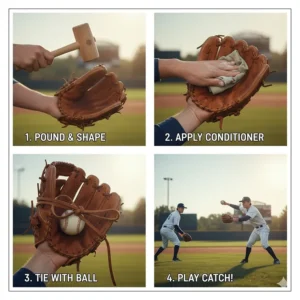
The classic approach involves playing catch repeatedly, gradually increasing throw intensity. Work the pocket by repeatedly catching balls, focusing on the glove’s natural break point. This method takes 2-4 weeks but creates the most natural pocket formation.
Apply quality leather conditioner sparingly—too much softens the leather excessively, reducing structure. Work the conditioner into the palm, fingers, and break points, then wipe away excess.
Accelerated Techniques
For faster results, try the mallet method: place a ball in the pocket, wrap the glove tightly with rubber bands, then gently pound the pocket with a mallet. This mimics the impact of catching thousands of balls.
Some players swear by the oven method (warming the glove at 150°F for 5 minutes), but I recommend caution—excessive heat damages leather permanently.
What NOT to Do
❌ Never microwave your glove—it destroys the leather’s natural oils
❌ Avoid soaking the glove in water—it causes warping and cracking
❌ Don’t leave it in direct sunlight for extended periods
❌ Never use motor oil or household chemicals
According to experts at Major League Baseball, proper break-in techniques can extend a glove’s lifespan by 40% or more. Patience pays off with baseball glove left hand models that perform better and last longer.
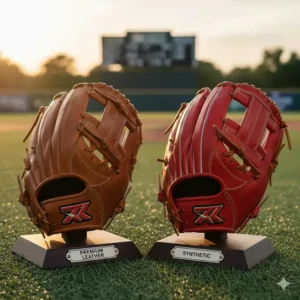
Left Handed Baseball Gloves vs Right Handed: Key Differences
Beyond the obvious mirror-image configuration, are there actual performance differences between left and right-handed gloves? Let’s explore the nuances that affect both availability and design.
Market Availability
Historically, left handed baseball gloves represented only 10-15% of manufacturer production, reflecting the general population’s handedness distribution. This meant fewer options and sometimes higher prices for southpaws.
Today’s market has improved dramatically. Major brands now offer nearly identical model ranges for both orientations, though some premium limited editions might skip left-handed versions due to production economics.
Design Considerations
Symmetry isn’t always perfect. Some manufacturers optimize break points and lacing patterns specifically for the dominant throwing mechanics. High-end lefty baseball glove models receive this attention, while budget options might simply mirror right-handed designs.
Web placement and pocket depth sometimes differ slightly between hands, particularly in specialized positions like catcher and first base. These subtle differences can significantly impact performance at competitive levels.
Price Parity
Good news—pricing has largely equalized between left and right-handed models. You’ll pay the same for a Wilson A2000 regardless of orientation. Occasionally, clearance sales favor one side over the other, but MSRP remains consistent.
Comparison Table: Left Handed vs Right Handed Gloves
| Feature | Left Handed | Right Handed | Notes |
|---|---|---|---|
| Market Share | 10-15% | 85-90% | Improving annually |
| Model Availability | Extensive | Complete | Most models now available |
| Pricing | Equal | Equal | No price penalty |
| Resale Value | Comparable | Slightly higher | Larger buyer pool for RH |
| Customization Options | Good | Excellent | Some brands limit LH customs |
💬 Just one click – help others make better buying decisions too!😊
Maintenance and Care Tips
Your investment in the best left handed baseball gloves deserves proper maintenance. Follow these guidelines to maximize lifespan and performance.
Regular Cleaning
After each use, wipe down your left hand throw baseball glove with a slightly damp cloth to remove dirt and sweat. Don’t soak it—just remove surface grime that can break down leather over time.
For deeper cleaning, use specialized glove cleaner products designed for baseball equipment. Apply sparingly, work it in gently, then wipe clean. Perform deep cleaning 2-3 times per season, depending on usage frequency.
Conditioning Schedule
✅ Light conditioning: Every 2-3 weeks during active play
✅ Deep conditioning: Beginning and end of season
✅ Storage conditioning: Before long-term storage
Quality leather conditioner prevents cracking and maintains suppleness. Too much conditioner, however, oversoftens the leather, reducing pocket structure. Less is more here.
Proper Storage
Never leave your baseball glove for lefty play in hot cars, direct sunlight, or damp environments. Store it in a cool, dry location with a ball in the pocket to maintain shape.
Consider a glove wrap or storage bag for off-season protection. This prevents dust accumulation and accidental damage. Professional players often store gloves with specific shaping devices to maintain their preferred pocket configuration.
Lacing Repairs
Check lacing regularly for fraying or breakage. Replace worn laces immediately—a single broken lace can cascade into multiple failures quickly. Many sporting goods stores offer professional relacing services for $15-$30.
For minor repairs, quality replacement laces are available from manufacturers. Learning basic relacing techniques saves money and extends your glove’s life significantly.
Budget vs Premium: Making the Right Choice
The eternal question: should you splurge on premium left handed baseball gloves or save money with budget options? The answer depends entirely on your situation.
When Budget Options Make Sense
Recreational players, beginners, and growing youth athletes often benefit more from affordable left handed baseball gloves. Why spend $300 on equipment you’ll use occasionally or outgrow within a year?
Franklin Sports and entry-level Mizuno models provide solid performance for casual play. They’re perfect for backyard catch, recreational leagues, and players exploring whether they love the sport enough to justify premium equipment.
Budget gloves typically use synthetic materials requiring no break-in, making them immediately playable. This instant gratification helps young players build confidence without fighting stiff leather.
When Premium Investment Pays Off
Serious competitive players, travel ball athletes, and adults committed to the sport should invest in the best left handed baseball gloves available. Here’s why:
Durability: Premium gloves last 5-7 seasons with proper care, while budget options might struggle to complete 2 seasons of heavy use. The cost-per-season math often favors quality.
Performance: Better leather, superior pocket formation, and optimized weight distribution directly impact your defensive capabilities. That game-saving catch might come down to equipment quality.
Resale value: Premium left hand throw baseball glove models retain 40-60% of their value in good condition. Budget gloves have virtually no resale market.
The Sweet Spot
For many players, the $100-$150 range offers the best value proposition. Models like the Mizuno MVP Prime and Wilson A1000 provide 80% of premium performance at 40% of the cost.
Common Mistakes When Buying Left Handed Baseball Gloves
Over the years, I’ve seen players make numerous purchasing errors. Let me help you avoid these common pitfalls that waste money and compromise performance.
❌ Ordering the Wrong Hand
This tops the list. Always verify you’re buying “left hand throw” models. Check product descriptions carefully—some retailers list gloves by wearing hand, others by throwing hand. When in doubt, contact customer service before ordering.
❌ Ignoring Position-Specific Designs
Buying an outfield glove for infield play (or vice versa) severely hampers your performance. Position-specific designs exist for good reasons. Match your baseball glove for lefty needs to your actual position.
❌ Prioritizing Price Over Fit
The cheapest glove isn’t a bargain if it doesn’t fit properly. Ill-fitting gloves cause hand fatigue, poor control, and increased error rates. Always prioritize proper fit, then consider price within that constraint.
❌ Rushing the Break-In Process
Damaging your new premium glove with aggressive break-in techniques ruins a significant investment. Patience produces better results. Follow manufacturer guidelines and resist shortcuts that promise instant readiness.
❌ Neglecting Maintenance
Even the best left handed baseball gloves deteriorate without proper care. Establish a maintenance routine from day one. Cleaning, conditioning, and proper storage aren’t optional—they’re essential.
❌ Buying Without Research
Don’t purchase based solely on brand recognition or flashy marketing. Read reviews from actual players, understand your position’s requirements, and compare specifications carefully before buying.
Youth Left Handed Baseball Gloves: Special Considerations
Finding quality left handed baseball gloves for adults is relatively straightforward, but youth players face unique challenges. Let me share insights from helping countless young lefties find their perfect gloves.
Sizing for Growing Hands
Youth glove sizing isn’t simply scaled-down adult models. Children’s hand proportions differ significantly, requiring specifically designed patterns. Here’s a general sizing guide:
- Ages 4-7: 9″-10.5″ gloves
- Ages 8-12: 10.5″-11.5″ gloves
- Ages 13+: 11.5″-12″ gloves (transitioning to adult sizes)
Remember, these are guidelines, not rules. Try multiple sizes when possible—a properly fitted glove matters more than age-based recommendations.
Budget Considerations for Youth
Kids outgrow equipment quickly, making expensive purchases less sensible. The Mizuno Prospect series ($39-$79) and Franklin Sports options provide excellent value for young players.
However, if your child shows exceptional talent and commitment, investing in a quality lefty baseball glove might be worthwhile. Better equipment can accelerate skill development and boost confidence.
PowerClose Technology
Youth-specific features like Mizuno’s PowerClose technology help younger players develop proper catching technique. These gloves require less hand strength to close, allowing kids to focus on fundamentals rather than fighting equipment.
Look for gloves explicitly marketed as “youth” or “junior”—they incorporate these helpful features that adult models omit.
First Base Gloves: The Left-Hander’s Advantage
The left handed first base glove represents one position where southpaws truly dominate. Let’s explore why first base is tailor-made for lefties and what to look for in specialized mitts.
Why Lefties Excel at First Base
Your natural glove orientation faces the infield, making those cross-diamond throws from third base infinitely easier to handle. Right-handed first basemen must pivot awkwardly to make tags or field throws from the outfield—you don’t face this mechanical disadvantage.
According to Baseball Reference statistics, over 90% of professional first basemen are left-handed, reflecting this positional advantage.
First Base Mitt Specifications
First base mitts differ significantly from standard gloves:
🥎 Longer profile: 12.25″-13″ for extended reach
🥎 Wider pocket: Accommodates difficult scoops
🥎 Single post design: No finger separation for catching flexibility
🥎 Reinforced construction: Handles constant ground ball impacts
The Rawlings Heart of the Hide and Nokona models excel in this category, offering the durability and pocket depth serious first basemen require.
Selecting Your First Base Glove
Consider your defensive style. Do you prefer a traditional, deep pocket for securing tough catches? Or do you value quicker ball transfer for throwing out runners? Modern first base gloves offer different profiles matching these preferences.
Taller players often benefit from longer mitts (13″+), while shorter, quicker first basemen might prefer 12.25″ models for better control. Test different lengths when possible to find your sweet spot.
Online Shopping vs In-Store: Pros and Cons
Where should you purchase your next left hand throw baseball glove? Both options offer distinct advantages and drawbacks worth considering.
Online Shopping Benefits
✅ Selection: Amazon and specialty retailers stock hundreds of models, including rare sizes and colorways unavailable locally
✅ Pricing: Online competition often results in better deals and discount opportunities
✅ Convenience: Shop anytime, read reviews, compare specs easily
✅ Availability: Find left-handed specific models more reliably than limited physical inventory
However, you can’t physically try gloves before buying, and sizing uncertainties create return hassles.
In-Store Advantages
✅ Hands-on testing: Feel leather quality, test fit, practice catching motions
✅ Expert guidance: Knowledgeable staff can recommend position-specific options
✅ Immediate availability: Walk out with your purchase today
✅ Easy returns: Address fit issues immediately without shipping delays
The downside? Limited selection, potentially higher prices, and inconsistent staff expertise depending on location.
My Recommendation
Research extensively online, reading reviews and comparing specifications. Then visit a local sporting goods store to try similar models for sizing reference. Finally, purchase wherever you find the best combination of price, selection, and return policy.
Many players successfully buy their first glove in-store, then purchase subsequent gloves online once they understand their sizing and preferences.
Frequently Asked Questions
❓ How long do left handed baseball gloves typically last?
❓ Can right-handed players use left handed baseball gloves?
❓ What's the difference between cheap and expensive left handed baseball gloves?
❓ How should a left hand throw baseball glove fit properly?
❓ Are left handed baseball gloves more expensive than right handed models?
Recommended for You
- 7 Best Fastpitch Softball Catchers Gloves 2025
- Best Youth Catchers Glove: 7 Winning Picks 2025
- Best Catchers Glove: 7 Top Picks That Pros Actually Use
Conclusion
Finding the perfect left handed baseball gloves doesn’t have to feel overwhelming. Whether you’re investing in premium options like the Rawlings Heart of the Hide, exploring mid-range value with Mizuno MVP Prime, or starting young players with affordable Franklin Sports models, quality choices exist at every price point.
Remember these key takeaways: prioritize proper fit over brand names, match your glove to your position, and never skimp on maintenance. The best left handed baseball gloves become extensions of your body, enabling defensive plays that win games and create unforgettable moments.
As a lefty, you’ve got natural advantages at first base, pitcher, and outfield—maximize those edges with equipment designed specifically for your needs. Whether you need a left handed first base glove, a versatile baseball glove for lefty infielders, or a specialized outfield model, the options I’ve highlighted represent the finest available in 2025.
🌟 Your Next Step: Finding Your Perfect Glove 🔥
Don’t settle for generic equipment that doesn’t match your specific needs. The seven gloves featured in this guide represent carefully researched options across every budget and skill level. Click on any highlighted product above to check current Amazon availability and read thousands of verified customer reviews. Your ideal baseball glove left hand configuration is waiting—make this the season you upgrade your defensive game! ⚾
Take action today, and remember: great defense starts with great equipment. Every highlight-reel catch begins with the perfect glove in your hand.
Disclaimer: This article contains affiliate links. If you purchase products through these links, we may earn a small commission at no additional cost to you.
✨ Found this helpful? Share it with your friends! 💬🤗
