
In This Article
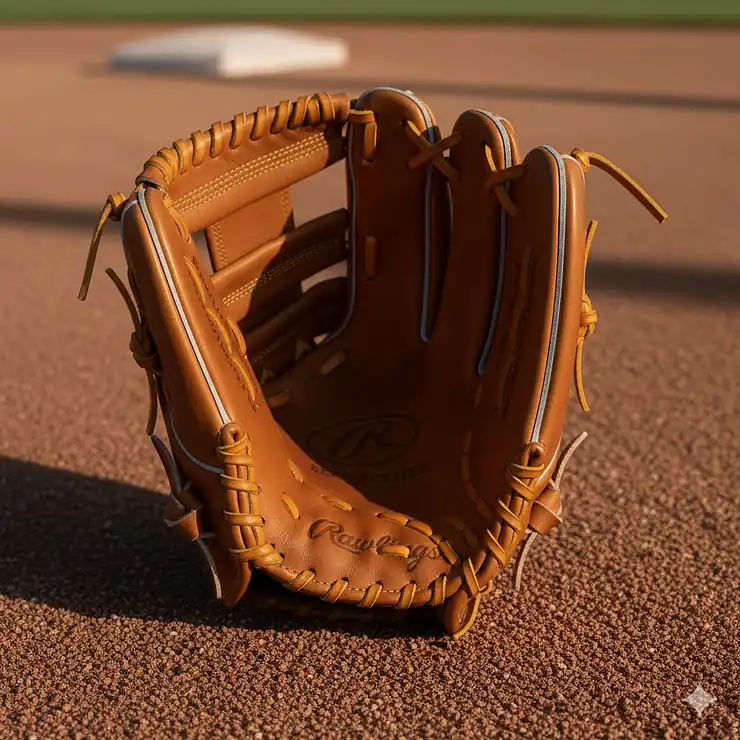
Let me tell you something I learned the hard way during my sophomore year. I was playing shortstop with a budget glove, watching grounders slip through while my teammate at second base—with his premium leather—made every play look effortless. That’s when I discovered what a heart of the hide infield glove can really do for your game.
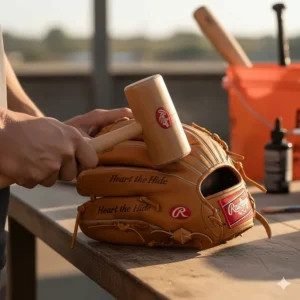
You’ve probably heard the name whispered around dugouts and batting cages. “Heart of the Hide”—it sounds almost mythical, doesn’t it? But there’s real science behind why these gloves have dominated professional baseball since 1958. We’re talking about leather cut from the absolute best 5% of US steerhide, crafted by the same hands that make gloves for MLB players.
Here’s what makes these gloves special: a heart of the hide infield glove uses premium steerhide leather that holds its shape season after season, giving you consistent performance that cheaper alternatives simply can’t match. Whether you’re turning double plays at second base or making diving stops at third, the right glove becomes an extension of your hand.
✨Was this helpful? Spread the word! 🚀
In this guide, I’ll walk you through everything you need to know about choosing the perfect heart of the hide infield glove. We’ll compare seven top models currently available, break down the technical differences that actually matter, and help you understand which features align with your playing style and budget. No fluff, no marketing nonsense—just real insights from someone who’s broken in more than a few premium gloves over the years.
Quick Comparison Table
| Model | Size | Pattern | Price Range | Best For | Break-In |
|---|---|---|---|---|---|
| PROR314-2T R2G | 11.5″ | 31 Pattern | $249-$329 | All infielders | 35% player |
| PROR205-4CTG | 11.75″ | 200 Pattern | $299-$329 | SS/2B/3B | 60% player |
| PROR234U-2DS ContoUR | 11.5″ | 234U Pattern | $259-$329 | Smaller hands | 60% player |
| PROR205-9BCFS HyperShell | 11.75″ | 200 Pattern | $299-$329 | Pitchers/IF | 60% player |
| PROR205U-32B ContoUR | 11.75″ | 200 Pattern | $259-$329 | Versatile IF | 35% player |
| PROR314-32CCB | 11.5″ | 31 Pattern | $299-$329 | Quick transfers | 35% player |
| PROR205-4T R2G | 11.75″ | 200 Pattern | $219-$299 | Budget-conscious | 35% player |
💬 Just one click – help others make better buying decisions too! 😊
Top 7 Heart of the Hide Infield Glove Models: Expert Analysis
1. Rawlings Heart of the Hide R2G PROR314-2T
If you’re looking for a glove that’s ready to compete right out of the box, this might be your winner. The Rawlings Heart of the Hide R2G PROR314-2T comes with 65% factory break-in, which means you’ll spend less time pounding your fist into leather and more time making plays.
Key Specifications:
- Size: 11.5 inches (perfect for middle infielders)
- Web: Pro I-Web for solid ball security
- Pattern: 31 pattern with shallower pocket
- Colorway: Classic tan with navy and red accents
Price Range: $249-$329 (currently on sale at many retailers)
Customer Feedback: Players consistently praise how quickly this glove becomes game-ready. One high school shortstop mentioned it only took about a week of practice before he felt confident using it in games. The narrow fit design makes it ideal for players with smaller hands or those who want a snug, responsive feel.
✅ Pros:
- Minimal break-in required (35% player effort)
- Narrow fit perfect for quick transfers
- Deer-tanned cowhide lining for comfort
❌ Cons:
- May feel too tight for players with larger hands
- Narrow wrist opening limits adjustability
2. Rawlings Heart of the Hide PROR205-4CTG
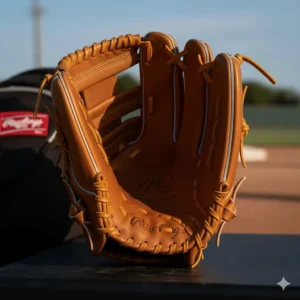
The Rawlings Heart of the Hide PROR205-4CTG brings classic style to modern performance. This 11.75-inch beauty features a camel leather shell with dark tan laces, making it one of the most visually stunning gloves on the field.
Key Specifications:
- Size: 11.75 inches (versatile infield size)
- Web: Modified Trap-Eze for eating up hard hits
- Pattern: 200 pattern for balanced pocket depth
- Shell: Top-grade US steerhide leather
Price Range: $299-$329
Customer Feedback: Infielders love the Modified Trap-Eze web for its ability to handle screaming line drives while still allowing quick ball transfers. The traditional camel colorway with scarlet and gold accents appeals to players who prefer a timeless aesthetic over flashy designs.
✅ Pros:
- Versatile size works for all infield positions
- Balanced pocket depth for confidence
- Premium leather ages beautifully
❌ Cons:
- Requires standard 60% player break-in
- Slightly larger size may slow transfers for some
3. Rawlings Heart of the Hide ContoUR Fit PROR234U-2DS
Here’s something revolutionary: a pro-level glove engineered specifically for players with thinner hands. The Rawlings Heart of the Hide ContoUR Fit PROR234U-2DS features lowered finger stalls, narrower fit, and an adjustable wrist system that creates a truly custom feel.
Key Specifications:
- Size: 11.5 inches
- Web: Pro I-Web
- Pattern: 234U with ContoUR technology
- Special Features: Lowered finger stalls, tighter hand opening
Price Range: $259-$329
Customer Feedback: Younger players and those transitioning from youth gloves rave about the ContoUR fit. One college second baseman noted that the adjustable wrist system allowed him to fine-tune the fit throughout the season as the leather broke in.
✅ Pros:
- Custom fit for smaller hands
- Enhanced glove control through better contact
- Adjustable wrist strap for personalized comfort
❌ Cons:
- Not suitable for players with large hands
- Limited availability in some colorways
4. Rawlings Heart of the Hide HyperShell PROR205-9BCFS
Want a glove that looks as good as it performs? The Rawlings Heart of the Hide HyperShell PROR205-9BCFS combines all-black aesthetics with lightweight HyperShell technology for a modern take on a classic design.
Key Specifications:
- Size: 11.75 inches
- Web: 2-piece solid for pitchers and infielders
- Pattern: 200 pattern infield-friendly design
- Special Features: Black HyperShell back for reduced weight
Price Range: $299-$329
Customer Feedback: Players report that the HyperShell back makes this glove noticeably lighter without sacrificing durability. The all-black design with red accents turns heads, and the 2-piece solid web works great for creating deception on the mound or quick transfers in the infield.
✅ Pros:
- Lightweight feel reduces hand fatigue
- Sleek all-black design
- Versatile for pitchers and infielders
❌ Cons:
- Black leather can show wear more visibly
- Standard break-in time required
5. Rawlings Heart of the Hide R2G ContoUR Fit PROR205U-32B
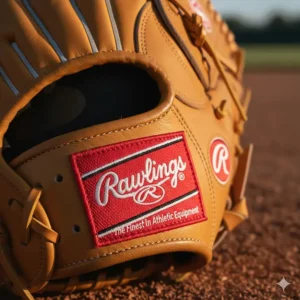
Talk about combining the best of both worlds. The Rawlings Heart of the Hide R2G ContoUR Fit PROR205U-32B merges the game-ready convenience of R2G break-in with the custom fit of ContoUR technology. This might be the most versatile glove in the entire lineup.
Key Specifications:
- Size: 11.75 inches
- Web: Split Single Post for balanced control
- Pattern: 200 pattern utility design
- Features: R2G break-in plus ContoUR fit
Price Range: $259-$329
Customer Feedback: Utility players absolutely love this glove. The 11.75-inch size works anywhere from second base to corner outfield spots, while the ContoUR fit keeps control tight. Multiple reviewers mentioned it felt ready for competitive play within days of arrival.
✅ Pros:
- Minimal break-in with custom fit
- Versatile enough for multiple positions
- Split Single Post web balances give and stability
❌ Cons:
- Higher price point for the dual technology
- May be too large for dedicated middle infielders
6. Rawlings Heart of the Hide PROR314-32CCB
If you need lightning-quick transfers for turning double plays, check out the Rawlings Heart of the Hide PROR314-32CCB. This stunning camel and Columbia blue combination isn’t just about looks—the 11.5-inch size and 31 pattern are engineered specifically for speed.
Key Specifications:
- Size: 11.5 inches
- Web: Pro I-Web
- Pattern: 31 pattern with shallow pocket
- Colorway: Camel with Columbia blue and pink accents
Price Range: $299-$329
Customer Feedback: Second basemen praise the shallow pocket design that facilitates rapid ball transfers. The pink laces and colorful accents make this glove stand out visually, while the performance backs up the style.
✅ Pros:
- Shallow pocket perfect for quick transfers
- Eye-catching colorway
- Ideal size for middle infielders
❌ Cons:
- Limited pocket depth for larger hands
- Bold colors may not appeal to traditionalists
7. Rawlings Heart of the Hide R2G PROR205-4T
Looking for premium performance without breaking the bank? The Rawlings Heart of the Hide R2G PROR205-4T delivers pro-level quality at the most accessible price point in this lineup. Don’t let the lower cost fool you—this is still genuine Heart of the Hide leather with R2G convenience.
Key Specifications:
- Size: 11.75 inches
- Web: Modified Trap-Eze
- Pattern: 200 pattern
- Break-in: R2G 65% factory
Price Range: $219-$299 (best value in the lineup)
Customer Feedback: Budget-conscious players and parents appreciate getting authentic Heart of the Hide performance at a reduced price. With 4.5-star ratings across multiple retailers, this glove proves you don’t need to spend $350+ for elite quality.
✅ Pros:
- Best value in Heart of the Hide line
- R2G break-in saves time
- Versatile 11.75″ size
❌ Cons:
- Limited colorway options
- Slightly thinner padding than premium models
✨ Don’t Miss These Exclusive Deals! 🔥
Take your defensive game to the next level with these carefully selected heart of the hide infield gloves. Click on any highlighted product name to check current pricing and availability on Amazon. These premium gloves will transform your fielding confidence and help you make plays you never thought possible! ⚾🏆

Understanding Heart of the Hide Leather Quality
Let’s talk about what makes a heart of the hide infield glove worth the investment. I’ve fielded questions from dozens of players who wonder if the premium price tag really means premium performance. The answer? Absolutely yes, but you need to understand the “why” behind it.
The Science Behind Steerhide Superiority
Heart of the Hide gloves use steerhide leather cut exclusively from the center back portion of the hide—literally the heart. This specific cut comes from only the top 5% of available US steerhides. Why does this matter? The leather from this area features tighter fiber density, which translates to better shape retention and longer lifespan.
Compare that to standard cowhide used in entry-level gloves. Cowhide breaks in faster, sure, but it also breaks down faster. I’ve seen cowhide gloves lose their shape within a single demanding season, while Heart of the Hide gloves maintain pocket integrity for years.
What Makes Steerhide Different
Steerhide comes from mature steers rather than younger cows, resulting in thicker, more durable leather. This increased thickness means:
✅ Better ball impact absorption
✅ Superior shape memory over time
✅ Enhanced weather resistance
✅ Longer usable lifespan
The tradeoff? You’ll invest more time breaking in steerhide initially. But here’s where modern technology steps in with R2G (Ready-to-Go) break-in processes that handle 65% of the work at the factory.
Tennessee Tanned Rawhide Lacing
Don’t overlook the laces when evaluating heart of the hide infield glove quality. Rawlings uses Tennessee-tanned rawhide lacing throughout their Heart of the Hide line. This premium lacing material resists fraying and maintains tension better than synthetic alternatives, contributing to the glove’s longevity.
R2G vs. Traditional Break-In: Which Should You Choose?
One of the biggest decisions you’ll face: R2G or traditional break-in? Let me break down both options based on my experience and extensive player feedback.
Traditional Heart of the Hide Break-In
Traditional models require about 60% player break-in. What does this mean practically? Expect to invest 15-20 hours of focused break-in work using proper techniques:
- Applying glove conditioner (Rawlings’ own formula works best)
- Repeatedly catching balls to form the pocket
- Strategic rubber band placement overnight
- Palm strikes and finger flexing
Many purists prefer traditional break-in because it allows you to customize pocket depth and shape exactly to your preferences. You’re literally molding the leather to your playing style.
R2G (Ready-to-Go) Technology
R2G models arrive with 65% of break-in completed at the factory. This means:
✅ Game-ready feel in 5-7 days instead of weeks
✅ Consistent factory shaping
✅ Reduced risk of improper break-in
Players who compete in multiple leagues or need a backup glove quickly appreciate R2G technology. High school players facing short seasons particularly benefit from the time savings.
My recommendation: If you know exactly how you want your pocket shaped and enjoy the break-in process, go traditional. If you need performance quickly or are newer to premium gloves, choose R2G.
ContoUR Fit Technology Explained
Here’s an innovation that deserves serious attention: ContoUR Fit technology revolutionizes how a heart of the hide infield glove fits players with smaller or thinner hands.
The Problem ContoUR Solves
Traditional pro-pattern gloves were designed around adult male hand dimensions. This left many players—younger athletes, female players, and anyone with slimmer hands—struggling with gloves that felt loose and uncontrolled.
How ContoUR Works
ContoUR Fit engineering includes:
🔹 Lowered Finger Stalls – Positions your fingers deeper in the glove for better control
🔹 Narrowed Fit – Reduces empty space around your hand
🔹 Smaller Wrist Opening – Prevents the glove from sliding during play
🔹 Adjustable Wrist System – Pull-lace mechanism for custom tightening
🔹 Adjusted Back Shell – Brings the glove closer to the back of your hand
Who Benefits Most from ContoUR
You’ll love ContoUR Fit if you:
- Wear size 7.5 or smaller batting gloves
- Previously found pro gloves too loose
- Want maximum glove control for quick transfers
- Are a younger player transitioning to adult gloves
Players consistently report that ContoUR technology makes their heart of the hide infield glove feel like an extension of their hand rather than equipment they’re wearing.
Sizing Guide: 11.5″ vs. 11.75″ vs. 12″
Choosing the right size heart of the hide infield glove dramatically affects your defensive performance. Let me share some position-specific wisdom I’ve gathered over years of watching players at every level.
11.5-Inch Models: The Middle Infield Standard
Best For: Second basemen, shortstops
Why This Size: Facilitates lightning-quick transfers essential for turning double plays. The shallower pocket releases the ball instantly.
I’ve seen countless middle infielders struggle with gloves that were “just a bit too big.” That extra quarter-inch makes you fraction-of-a-second slower getting rid of the ball—often the difference between an out and a safe runner.
11.75-Inch Models: The Versatile Choice
Best For: Third basemen, utility infielders, corner outfielders
Why This Size: Balances pocket depth with transfer speed. Gives you slightly more range while maintaining reasonable control.
This is my recommended size if you play multiple positions or are still figuring out your defensive home. The 11.75-inch heart of the hide infield glove handles everything from hot shots at third to shallow fly balls in left.
12-Inch Models: The Bigger Pocket
Best For: Third basemen, pitchers, utility players
Why This Size: Maximum pocket depth for securing hard-hit balls. Better for players who value catching range over transfer speed.
Third basemen facing 90+ mph rockets appreciate the extra leather. Pitchers who need to handle comebackers while focusing on their follow-through also benefit from the added pocket size.
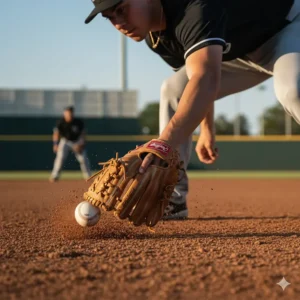
Web Patterns and Their Tactical Advantages
The web of your heart of the hide infield glove does more than look cool—it affects ball control, transfer speed, and even deception. Let’s decode the most common patterns.
Pro I-Web: The Speed Demon
Construction: Single vertical leather piece
Best For: Second basemen and shortstops
Advantages: Minimal break-in, stiff structure for quick transfers, lightweight
This web excels at facilitating rapid ball exchanges. The single piece of leather stiffens the pocket just enough that balls don’t sink too deep. You can literally feel where the ball is without looking, crucial when you’re starting a double play pivot.
Split Single Post: The Balanced Option
Construction: Single vertical leather with split design
Best For: Utility infielders, third basemen
Advantages: Balances give and stability, good visibility
Think of this as the “Goldilocks web”—not too stiff, not too flexible. It provides enough pocket depth to secure line drives while maintaining reasonable transfer speed.
Modified Trap-Eze: The Ball Eater
Construction: Multiple horizontal and vertical leather pieces
Best For: Third basemen, corner infielders
Advantages: Deep pocket, excellent for hard hits, maximum security
If you’re stationed at third base watching 95 mph scorchers come your way, Modified Trap-Eze becomes your best friend. This web creates a deeper pocket that absorbs impact better and reduces the chance of balls popping out.
2-Piece Solid: The Pitcher’s Choice
Construction: Two vertical leather pieces
Best For: Pitchers, versatile infielders
Advantages: Creates deception, solid pocket, good for transfers
Pitchers love this web because it conceals their grip on the ball. Infielders appreciate the solid feel and reliable pocket depth. It’s the Swiss Army knife of web patterns for a heart of the hide infield glove.
Breaking In Your Glove: Professional Techniques
You’ve invested in a premium heart of the hide infield glove. Now let’s make sure you break it in properly rather than ruining expensive leather with amateur mistakes.
What NOT to Do (Seriously)
❌ Never microwave your glove – I’ve seen this destroy $300+ gloves in 30 seconds
❌ Avoid excessive oil – Makes leather heavy and reduces its structure
❌ Don’t place in oven – Heat damage is permanent
❌ Skip the car trunk baking – Uneven heating causes warping
The Right Way to Break In Your Glove
Week 1: Conditioning Phase
- Apply thin layer of Rawlings glove conditioner to the pocket and palm
- Work the conditioner in with your hands
- Play catch for 30-45 minutes daily
- Place ball in pocket, wrap with rubber bands overnight
Week 2: Pocket Formation
- Continue daily catch sessions, focusing on pocket area
- Use mallet or fist to pound pocket (gently!)
- Flex fingers to loosen stiffness
- Maintain rubber band shaping between uses
Week 3: Game Simulation
- Take grounders and line drives during practice
- Reduce rubber band use to every other night
- Focus on forming pocket to your catching style
- Test in scrimmage situations
Accelerated Break-In for R2G Models
Since R2G gloves arrive 65% broken in, you can compress this timeline:
Days 1-3: Light catch and finger flexing
Days 4-7: Full practice use with occasional pocket shaping
Week 2+: Game-ready!
Price Comparison: Budget vs. Premium Options
Let’s talk money. I know that $250-350 represents a significant investment for most players. Here’s how to think about heart of the hide infield glove pricing strategically.
Budget Range ($219-$259)
These models like the PROR205-4T sacrifice nothing in core performance. You’re getting authentic Heart of the Hide steerhide, professional patterns, and reliable construction. What you might miss:
- Latest colorway options
- Advanced tech like ContoUR Fit
- Premium web designs
- Custom personalization options
Best For: High school players, budget-conscious adults, backup glove needs
Mid-Range ($259-$299)
Sweet spot pricing that includes most premium features. Models like the PROR234U-2DS ContoUR and PROR205U-32B deliver advanced technologies without top-tier pricing.
Best For: Serious competitive players, college athletes, primary glove purchases
Premium Range ($299-$329)
Top-end models feature the latest innovations, limited edition colorways, and pro-level customization. These gloves like the PROR314-32CCB represent the pinnacle of infield glove technology.
Best For: Elite players, collectors, athletes making the leap to professional ranks
Investment Perspective
Consider this: A quality heart of the hide infield glove properly maintained lasts 3-5 years of heavy use. That’s roughly $60-110 annually. Compare that to replacing cheaper gloves every season at $75-100 each, and the premium option actually saves money while delivering superior performance.
Maintenance Tips to Extend Glove Lifespan
Want your heart of the hide infield glove to last longer than your playing career? Follow these maintenance protocols that I’ve seen keep gloves game-ready for decades.
Post-Game Care Routine
After every use, wipe down your glove with a slightly damp cloth to remove dirt, sweat, and field debris. Pay special attention to:
✅ Laces (where dirt accumulates)
✅ Palm area (where sweat collects)
✅ Web (where grass and dirt hide)
✅ Wrist opening (high friction area)
Let your glove air dry at room temperature. Never use heat sources or direct sunlight, which can crack leather.
Monthly Conditioning
Apply Rawlings glove conditioner monthly during active seasons, bi-monthly during off-season storage:
- Use small amount (pea-sized) on soft cloth
- Work into leather in circular motions
- Focus on high-stress areas: pocket, palm, laces
- Avoid over-conditioning (makes leather heavy)
Storage Best Practices
🔹 Store with ball in pocket to maintain shape
🔹 Keep in cool, dry location (avoid basements and garages)
🔹 Use glove bag or case for protection
🔹 Place in temperature-controlled environment
🔹 Check monthly for mold or mildew
Lace Maintenance
Inspect laces quarterly for:
- Fraying or wear
- Loosening (tighten as needed)
- Discoloration (clean with damp cloth)
- Breakage (replace immediately)
Pro tip: Keep spare laces in your equipment bag. A broken lace mid-season can sideline your glove for days if you need to order replacements.
Common Mistakes When Choosing an Infield Glove
I’ve watched hundreds of players make these preventable errors. Learn from their mistakes to ensure your heart of the hide infield glove purchase goes smoothly.
Mistake #1: Ignoring Position-Specific Sizing
Just because you “like the look” of a 12-inch glove doesn’t mean it suits your position. I’ve seen middle infielders handicap themselves with oversized mitts that slow their transfers. Stick to position recommendations: 11.5″ for middle infield, 11.75″ for third/utility.
Mistake #2: Buying Without Trying Sizing
Even if you’re purchasing online, visit a local sporting goods store to try similar sizes. Hand sizes vary dramatically, and that “11.5-inch glove” might feel completely different between your hand and your teammate’s.
Mistake #3: Neglecting Break-In Time
Ordering a new heart of the hide infield glove two days before your season starts? That’s a recipe for disaster. Traditional models need 2-3 weeks minimum. R2G models still need 5-7 days. Plan accordingly.
Mistake #4: Choosing Style Over Substance
That flashy colorway looks amazing in photos, but does it fit your hand correctly? Does it match your position needs? Function must drive your decision, with aesthetics as a secondary consideration.
Mistake #5: Skipping the Budget Calculation
Factor in break-in accessories:
- Quality conditioner: $12-$18
- Glove mallet (optional): $15-$25
- Glove bag/case: $20-$30
- Replacement laces: $8-$15
Your $300 glove might actually be a $350 investment when properly equipped.
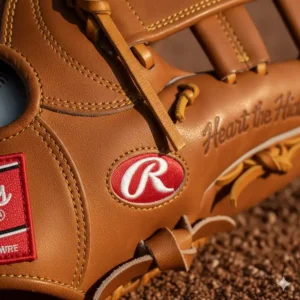
Heart of the Hide vs. Competitors: How It Stacks Up
The heart of the hide infield glove faces stiff competition from other premium manufacturers. Let’s see how it compares objectively.
vs. Wilson A2000
Similarities: Both use premium steerhide, both offer pro patterns, both cost $250-$350
Differences:
- A2000 breaks in slightly faster
- Heart of the Hide holds shape longer
- A2000 uses Pro Stock leather, HOH uses selected steerhide
- Personal preference often decides between them
Verdict: Essentially tied for quality; comes down to fit preference and brand loyalty
vs. Mizuno Pro Series
Similarities: Premium Japanese craftsmanship, excellent leather quality
Differences:
- Mizuno often softer out of box
- Heart of the Hide more widely available in US
- Mizuno uses Japanese tanning processes
- Price points similar
Verdict: Mizuno edges out for softness; Heart of the Hide wins for durability
vs. Rawlings Pro Preferred
Within the same brand:
- Pro Preferred uses kip leather (lighter, softer)
- Heart of the Hide uses steerhide (more durable)
- Pro Preferred costs $50-$75 more
- Pro Preferred better for players prioritizing weight
Verdict: Choose Heart of the Hide for longevity; choose Pro Preferred for luxury feel
The reality? You can’t go wrong with any of these premium options. Heart of the Hide stands out for its heritage, widespread MLB usage, and excellent balance of durability versus break-in time.
Position-Specific Recommendations
Different positions demand different features from a heart of the hide infield glove. Here’s my field-tested guidance for each spot.
Shortstop: Speed Is Everything
Recommended Size: 11.5 inches
Ideal Pattern: 31 pattern or 314 pattern
Best Web: Pro I-Web
Top Pick: PROR314-2T R2G
Shortstops need maximum transfer speed for double plays and long throws across the diamond. The shallow pocket of an 11.5-inch glove lets you grab and release in one smooth motion.
Second Base: Quick Hands Win Games
Recommended Size: 11.5 inches
Ideal Pattern: 31 pattern
Best Web: Pro I-Web or Split Single Post
Top Pick: PROR314-32CCB
Similar to shortstop but potentially even faster since you’re often receiving throws at awkward angles during pivots. That extra-shallow pocket becomes your best friend during pressure situations.
Third Base: Knock Down Hot Shots
Recommended Size: 11.75-12 inches
Ideal Pattern: 200 pattern
Best Web: Modified Trap-Eze or 2-Piece Solid
Top Pick: PROR205-4CTG
Third basemen need pocket depth to secure rockets coming off the bat. The Modified Trap-Eze web absorbs impact beautifully while giving you enough depth to confidently catch line drives.
Utility Players: Versatility Rules
Recommended Size: 11.75 inches
Ideal Pattern: 200 pattern
Best Web: Split Single Post
Top Pick: PROR205U-32B ContoUR R2G
Playing multiple positions? Go with the 11.75-inch size that handles everything reasonably well. The 200 pattern provides a balanced pocket that works from second base to left field.
The Break-In Journey: What to Expect
Setting realistic expectations about your heart of the hide infield glove break-in prevents frustration. Here’s the typical timeline based on glove type and your dedication level.
Traditional Models Timeline
Week 1: Glove feels stiff and unresponsive. Pocket barely forms. Catching hard balls might sting your hand. This is normal—don’t panic! Continue conditioning and playing catch daily.
Week 2: Noticeable softening begins. Pocket starts forming. You can close the glove with reasonable effort. Still too stiff for game use but progress is clear.
Week 3: Glove approaches game-ready status. Pocket depth matches your catching style. Leather feels responsive. Some players begin using in practice.
Week 4+: Game-ready! Glove feels like extension of your hand. Confidence soars. Continue using to finalize pocket shape.
R2G Models Timeline
Days 1-3: Immediate usability surprises most players. Glove already 65% broken in from factory. Light catch and finger flexing sufficient.
Days 4-7: Practice-ready. Most players confident enough for scrimmages. Pocket continues forming to your specific catching style.
Week 2+: Fully game-ready. Indistinguishable from properly broken-in traditional model.
Factors Affecting Break-In Speed
⚡ Playing frequency – Daily use accelerates process dramatically
⚡ Hand strength – Stronger hands break in gloves faster
⚡ Conditioning technique – Proper methods cut time significantly
⚡ Climate – Humid environments slightly speed leather softening
⚡ Practice intensity – Hard-hit balls form pocket faster
Care Products That Actually Work
Not all glove care products deliver results. Here are the ones that actually make a difference for your heart of the hide infield glove.
Rawlings Glove Break-In Kit
Price: $15-$20
Includes: Break-in formula, application cloth, rubber band
This official Rawlings kit contains everything you need. The break-in formula is specifically formulated for steerhide leather—don’t substitute with generic products that might damage your investment.
Rawlings Glovolium Treatment
Price: $8-$12
Purpose: Ongoing conditioning and protection
After initial break-in, switch to Glovolium for maintenance. It conditions without over-softening, preserving that perfect pocket you worked so hard to create.
Wilson Pro Stock Glove Conditioner (Alternative)
Price: $10-$15
Works with: All premium leather gloves
If you can’t find Rawlings products, Wilson’s Pro Stock conditioner works beautifully on Heart of the Hide leather. Apply sparingly monthly.
Products to AVOID
❌ Shaving cream – Breaks down leather fibers
❌ Neatsfoot oil – Too heavy, weighs down glove
❌ Petroleum-based products – Can rot leather over time
❌ Saddle soap – Strips natural oils
Stick with manufacturer-recommended products specifically designed for baseball glove leather.
Real Player Experiences and Reviews
Theory is great, but let’s hear from actual players using a heart of the hide infield glove in competitive situations.
High School Shortstop – PROR314-2T User
“I switched to the R2G model before my junior season. Within a week, it felt like I’d been using it for months. The narrow fit took some getting used to, but now I love how tight and controlled it feels. Made first-team all-conference partially thanks to this glove’s quick-release pocket.”
College Third Baseman – PROR205-4CTG User
“The Modified Trap-Eze web saves me daily. I face some scary-fast hitters in the Big Ten, and this glove’s deeper pocket gives me confidence on every play. The camel leather has developed this amazing patina after two seasons. Still looks and performs like new.”
Amateur League Player – PROR205-4T Budget Pick
“Couldn’t justify $350 for a glove at my playing level, but wanted Heart of the Hide quality. This model delivered everything I needed at $230. The R2G break-in meant I was using it competitively within 10 days. Best value in baseball.”
Youth Player’s Parent – PROR234U-2DS ContoUR User
“My 13-year-old daughter has smaller hands and struggled with standard gloves. The ContoUR technology changed everything. She went from dropping routine grounders to making highlight plays. The adjustable wrist strap grows with her hand size.”
These real experiences highlight how the right heart of the hide infield glove transforms defensive performance across skill levels and positions.
Frequently Asked Questions
❓ How long does a heart of the hide infield glove last with proper care?
❓ What's the difference between R2G and standard heart of the hide infield glove models?
❓ Can I use a heart of the hide infield glove for softball?
❓ What size heart of the hide infield glove should a 14-year-old use?
❓ Is the extra cost of heart of the hide infield glove justified over mid-range options?
Conclusion: Making Your Final Decision
You’ve made it through the complete guide, and now it’s decision time. Choosing the right heart of the hide infield glove comes down to matching your specific needs with the right model’s features.
If you play middle infield and need lightning-quick transfers, the PROR314-2T R2G delivers immediate game-ready performance in a size optimized for speed. Third basemen facing hard-hit balls should seriously consider the PROR205-4CTG with its deeper pocket and Modified Trap-Eze web. Players with smaller hands or those wanting maximum control can’t go wrong with ContoUR technology found in models like the PROR234U-2DS.
Budget-conscious players get outstanding value from the PROR205-4T, proving you don’t need to spend $350 to experience authentic Heart of the Hide quality. Utility players benefit from the versatility of 11.75-inch models like the PROR205U-32B that handle multiple defensive positions effectively.
Remember, the heart of the hide infield glove you choose today becomes your defensive partner for years to come. Take time to consider your position, hand size, budget, and whether you prefer immediate usability (R2G) or traditional break-in customization. Visit a store to try on similar sizes before ordering online.
Your glove represents more than equipment—it’s the tool that helps you make game-winning plays, turn double plays smoothly, and build defensive confidence. Choose wisely, break it in properly, maintain it consistently, and that premium steerhide leather will reward you with season after season of elite performance.
The investment you make today in a quality heart of the hide infield glove pays dividends in every ground ball fielded cleanly, every throw made accurately, and every game played with complete defensive confidence.
✨ Take Action Now! 🎯
Ready to elevate your defensive game? Click on any product name above to check current Amazon pricing and availability. Don’t settle for mediocre equipment when pro-level performance is within reach. Your perfect heart of the hide infield glove is waiting! 🏆⚾
Recommended for You
- 7 Best Infielder Baseball Glove Picks for 2025
- Best Glove for Outfield: 7 Top Picks (2025)
- Outfield Gloves: 7 Best Picks for 2025
Disclaimer: This article contains affiliate links. If you purchase products through these links, we may earn a small commission at no additional cost to you.
✨ Found this helpful? Share it with your friends! 💬🤗
