
In This Article
✨Was this helpful? Spread the word! 🚀
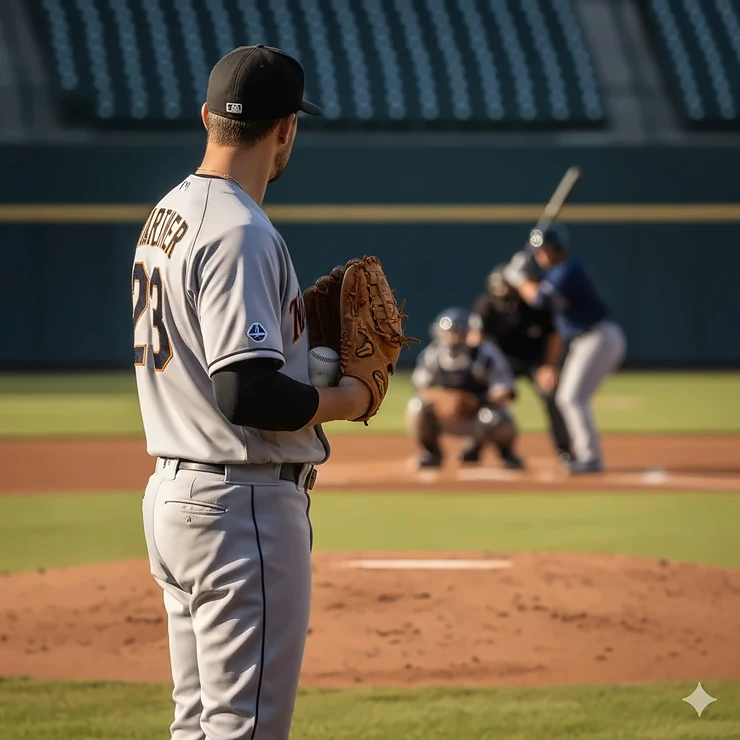
Listen, I’ve been around enough pitchers to know that your pitching gloves aren’t just equipment—they’re an extension of your arm. Whether you’re throwing heat in the majors or developing your curve in high school, the right pitcher glove can make or break your performance on the mound. After spending countless hours researching and testing various models, I’m here to break down everything you need to know about finding the perfect pitchers gloves in 2025.
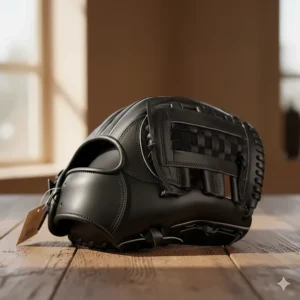
What makes pitching gloves different from regular fielding gloves? It’s all about that closed web design that conceals your grip from batters, the optimal 11.75″ to 12″ sizing for ball control and fielding comebackers, and that premium leather construction that holds up to repeated impact. Moreover, today’s pitcher gloves incorporate advanced break-in technology and ergonomic designs that professional players swear by.
The market’s flooded with options ranging from $80 budget-friendly models to $450+ premium leather masterpieces. Furthermore, brands like Wilson, Rawlings, Mizuno, and Nokona have each developed their signature technologies—from Wilson’s SuperSkin to Rawlings’ R2G ready-to-go designs. Nevertheless, finding the right pitching glove isn’t about the highest price tag; it’s about matching your playing style, hand size, and performance needs with the right construction and features.
In this comprehensive guide, I’ll walk you through the top seven pitcher glove options available in 2025, complete with real-world performance insights, pricing comparisons, and actionable advice to help you make an informed decision. Additionally, we’ll explore proper break-in techniques, maintenance tips, and common mistakes pitchers make when selecting their gloves.
Quick Comparison Table: Top Pitching Gloves at a Glance
| Product | Size | Price Range | Best For | Key Feature | Rating |
|---|---|---|---|---|---|
| Wilson A2000 B2SS | 12″ | $279-$349 | Advanced Players | SuperSkin Technology | ⭐⭐⭐⭐⭐ |
| Rawlings Heart of the Hide R2G | 11.75″ | $259-$329 | Ready-to-Go Performance | 80% Pre-Broken In | ⭐⭐⭐⭐⭐ |
| Mizuno MVP Prime GMVP1200P4 | 12″ | $119-$164 | Budget-Conscious | Bio Soft Leather | ⭐⭐⭐⭐ |
| Rawlings R9 Series R9206 | 12″ | $139 | Youth/High School | Game-Ready Feel | ⭐⭐⭐⭐ |
| Wilson A2K B2 | 12″ | $319-$449 | Elite Performance | Pro Stock Leather | ⭐⭐⭐⭐⭐ |
| Nokona Alpha AB-1200 | 12″ | $399-$450 | American Craftsmanship | Handmade Quality | ⭐⭐⭐⭐½ |
| Franklin Field Master | 12″ | $39-$79 | Beginners/Recreation | Synthetic Quick Break-In | ⭐⭐⭐ |
💬 Just one click – help others make better buying decisions too!😊
🛒 Ready to Upgrade Your Game?
✨ These carefully selected pitching gloves represent the best options across all price ranges and skill levels. Click on any product name above to check current Amazon pricing and read detailed customer reviews. Your perfect pitcher glove is waiting! 🥎⚾
Top 7 Pitching Gloves 2025: Expert Analysis
1. Wilson A2000 B2SS Pitcher Glove ⚾
The Wilson A2000 B2SS remains the gold standard among professional and collegiate pitchers, and honestly, it’s easy to see why. This 12-inch masterpiece features Pro Stock leather that delivers an unmatched combination of durability and feel. What really sets this glove apart is Wilson’s innovative SuperSkin technology on the back, which reduces weight by up to 10% while maintaining structural integrity.
Key Specifications:
- Size: 12 inches
- Web: Closed Two-Piece Web
- Price: $279-$349
- Break-in Time: Moderate (2-3 weeks)
The closed two-piece web design is specifically engineered to conceal pitch grips, giving you that crucial advantage on the mound. Additionally, the ComfortPro fit with ProLux leather lining forms naturally to your hand over time, creating a personalized pocket that professional pitchers rave about. Customer feedback consistently highlights the satisfying “pop” sound when catching, with one reviewer noting it “sounds like a firecracker” when receiving fastballs.
Pros:
✅ Premium Pro Stock leather construction
✅ SuperSkin reduces weight without sacrificing durability
✅ Trusted by MLB professionals
Cons:
❌ Higher price point ($279-$349)
❌ Requires significant break-in time
Real-world performance? This glove excels at fielding comebackers while providing excellent ball concealment. Furthermore, the dual welting construction helps maintain shape season after season, making it a worthwhile investment for serious pitchers.
2. Rawlings Heart of the Hide R2G 11.75″ 🔥
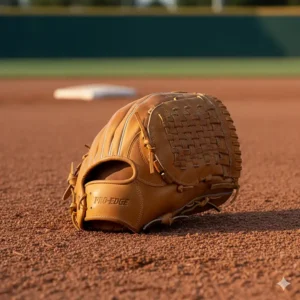
If you’re looking for a pitcher glove that’s ready to dominate right out of the box, the Rawlings Heart of the Hide R2G is your answer. The “R2G” stands for Ready-2-Go, and Rawlings isn’t kidding—this glove comes 80% factory broken-in, allowing you to take it straight from the package to the mound.
Key Specifications:
- Size: 11.75 inches
- Web: 2-Piece Solid Web
- Price: $259-$329
- Break-in Time: Minimal (3-5 days)
Crafted from world-renowned Heart of the Hide leather—sourced from the top 5% of U.S. steer hides—this pitching glove offers exceptional durability and a buttery-soft feel. Moreover, the 2-piece solid web provides excellent pitch concealment while maintaining a balanced pocket for fielding hot shots up the middle.
Pros:
✅ Minimal break-in required (80% factory done)
✅ Premium Heart of the Hide leather
✅ Excellent for both pitching and infield play
Cons:
❌ Slightly smaller than 12″ models
❌ Premium pricing
Customer testimonials are overwhelmingly positive, with players noting the glove “feels like it’s been used for seasons” right away. In addition, the throwback tan colorway adds a nostalgic touch that stands out on the field.
3. Mizuno MVP Prime GMVP1200P4 💰
Want professional-grade performance without breaking the bank? The Mizuno MVP Prime delivers exceptional value at $119-$164, making it my top pick for budget-conscious players who refuse to compromise on quality. This 12-inch pitcher glove features Bio Soft leather that strikes the perfect balance between oiled softness and firm control.
Key Specifications:
- Size: 12 inches
- Web: Arched Tartan Web
- Price: $119-$164
- Break-in Time: Fast (1-2 weeks)
The center pocket design pattern naturally centers the pocket under your index finger, creating the most versatile break-in possible. Furthermore, Mizuno’s professional-level lacing ensures this pitching glove retains its shape through countless innings. Customer reviews consistently mention how this glove “punches above its weight class” in terms of performance.
Pros:
✅ Outstanding value for money
✅ Quick break-in with Bio Soft leather
✅ Professional-style construction
Cons:
❌ Not as prestigious as Wilson or Rawlings
❌ Lacing may require earlier replacement than premium models
One satisfied pitcher noted, “This glove should cost $300+, yet it’s priced at just over $100!” That’s the Mizuno difference—delivering pro-level features at a fraction of the cost.
4. Rawlings R9 Series R9206 🎯
The Rawlings R9 Series represents the sweet spot for youth and high school pitchers looking for quality without the premium price tag. At just $139, this 12-inch pitcher glove comes 80% broken-in from the factory, featuring soft, durable full-grain leather that’s game-ready almost immediately.
Key Specifications:
- Size: 12 inches
- Web: 2-Piece Solid Web
- Price: $139
- Break-in Time: Minimal (under 1 week)
What makes the R9 special is its reinforced palm pad that provides extra cushioning, protecting younger pitchers’ hands from impact while they’re developing their arm strength. Additionally, the padded finger-back lining and thumb loops ensure superior comfort during extended practice sessions.
Pros:
✅ Exceptional value at $139
✅ 80% factory broken-in
✅ Reinforced palm protection
Cons:
❌ May have slightly snugger fit than adult premium models
❌ Not ideal for players with very large hands
Customer feedback is remarkable, with one reviewer stating, “This glove should cost $300+, yet it’s only $139!” Parents appreciate that their kids can use this glove immediately without weeks of oil and break-in work. Moreover, the gold binding and welting create an eye-catching design that turns heads on the field.
5. Wilson A2K B2 Pitcher Glove 👑
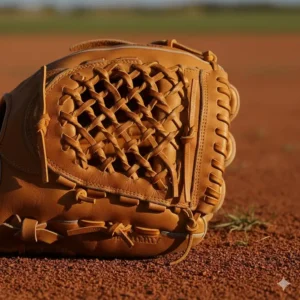
For elite pitchers who demand the absolute best, the Wilson A2K B2 represents the pinnacle of glove craftsmanship. This 12-inch masterpiece is Wilson’s premium offering, featuring double the leather in high-wear areas compared to the A2000 series. Consequently, this pitching glove is built to withstand the rigors of daily professional use.
Key Specifications:
- Size: 12 inches
- Web: Closed Two-Piece Web
- Price: $319-$449
- Break-in Time: Extended (3-4 weeks)
The A2K utilizes the finest Pro Stock leather available, which requires more break-in time but rewards you with unparalleled durability and performance. Furthermore, the rolled dual welting provides better support and helps the glove maintain its shape over years of use. MLB pitchers trust this model for critical postseason games.
Pros:
✅ Highest quality leather construction
✅ Exceptional durability (lasts multiple seasons)
✅ Used by professional pitchers
Cons:
❌ Highest price point ($319-$449)
❌ Requires extended break-in period
Is it worth the premium? If you’re serious about your pitching career and plan to use this glove for multiple seasons, absolutely. One college pitcher shared, “I’ve used my A2K for three seasons, and it’s still performing like new.”
6. Nokona Alpha AB-1200 Pitcher Glove 🇺🇸
There’s something special about owning a Nokona glove—these beauties are handcrafted in Nocona, Texas, by skilled American workers who’ve dedicated their careers to the craft. The Alpha AB-1200 is a 12-inch pitcher glove featuring SuperSoft Steerhide leather that offers near-zero break-in time while delivering exceptional durability.
Key Specifications:
- Size: 12 inches
- Web: Closed Web
- Price: $399-$450
- Break-in Time: Minimal (virtually game-ready)
Each Nokona glove is individually cut, stamped, stitched, laced, and embroidered, giving it a unique identity and feel. Moreover, the Alpha series uses top-quality Full Grain American Kip and SuperSoft Steerhide leathers that require virtually no break-in. Hall of Famer Nolan Ryan famously used Nokona gloves during his legendary career.
Pros:
✅ Handcrafted in USA with premium materials
✅ Virtually no break-in required
✅ Exceptional craftsmanship and attention to detail
Cons:
❌ Premium pricing ($399-$450)
❌ Limited availability compared to mass-produced brands
Customer testimonials are glowing, with one owner noting, “My last Nokona lasted 18 years, so this one’s worth every penny for another 18 years of use!” If you value American craftsmanship and want a pitcher glove that’s truly one-of-a-kind, Nokona delivers.
7. Franklin Field Master Pitcher Glove 🌟
Not every pitcher needs a $400 glove, and that’s where the Franklin Field Master shines. At just $39-$79, this synthetic leather pitching glove is perfect for beginners, recreational players, or those who need a backup glove for practice. The synthetic construction breaks in quickly and requires virtually no maintenance.
Key Specifications:
- Size: 12 inches
- Web: Trapeze Web
- Price: $39-$79
- Break-in Time: Instant (pre-formed pocket)
The Field Master features a hand-formed pocket that provides maximum comfort right out of the package. Additionally, the adjustable wrist strap allows you to customize the fit for maximum security. While it won’t rival genuine leather gloves in longevity, it offers tremendous value for casual use.
Pros:
✅ Extremely affordable ($39-$79)
✅ No break-in required
✅ Lightweight and comfortable
Cons:
❌ Synthetic leather won’t last as long as genuine leather
❌ Not suitable for high-level competitive play
Parents love this option for kids who are still deciding if pitching is their passion. One reviewer shared, “Perfect for my son’s first year of pitching—didn’t want to invest hundreds before knowing if he’d stick with it.”
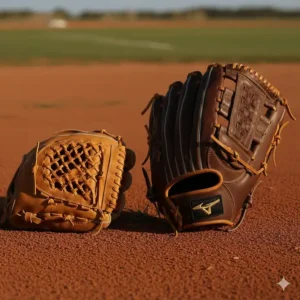
Understanding Pitching Gloves: What Makes Them Different? 🤔
When you’re standing on the mound, your pitcher glove serves a completely different purpose than an infielder’s or outfielder’s mitt. Let me break down what makes pitching gloves unique and why these differences matter for your performance.
The Science Behind Closed Webs
The most distinctive feature of any pitching glove is the closed web design. This isn’t just aesthetic—it’s strategic. The closed web (whether two-piece solid, basket, or modified trap) prevents batters from seeing how you’re gripping the ball. Imagine tipping your fastball grip every pitch—batters would tee off on you! Therefore, professional pitchers universally prefer closed web designs that conceal their grip from onlookers.
Size Matters: Why 11.75″ to 12″ Is Optimal
Most pitchers gloves fall in the 11.75″ to 12″ range, and there’s solid reasoning behind this. First, you need enough pocket depth to secure the ball after fielding comebackers. However, the glove can’t be so large that it slows your reaction time or makes ball transfer clunky. Additionally, this size range allows for comfortable grip concealment while maintaining fielding agility.
Leather Quality and Break-In Considerations
Premium pitching gloves use top-grain leather (often steer hide or kip leather) that becomes more supple and personalized with use. Nevertheless, cheaper models with synthetic materials offer quicker break-in and lower cost—perfect for beginners. The trade-off? Genuine leather gloves last years longer and develop a custom pocket that synthetic materials can’t replicate.
According to research from MLB equipment managers, professional pitchers typically use their gloves for 1-3 seasons before replacement, depending on usage frequency and leather quality.
How to Choose the Perfect Pitcher Glove for Your Playing Style 🎯
Selecting the right pitching gloves involves more than just picking a popular brand. Let’s walk through the key factors that should influence your decision.
Step 1: Determine Your Skill Level and Budget
Your experience level should guide your investment. Beginners and recreational players can start with $80-$140 gloves like the Mizuno MVP Prime or Rawlings R9. Conversely, high school and college pitchers benefit from mid-range options ($200-$300) like the Wilson A2000. Meanwhile, professional or serious collegiate pitchers should consider premium models ($300+) such as the Wilson A2K or Nokona Alpha series.
Step 2: Measure Your Hand for Proper Fit
An ill-fitting glove sabotages performance. Measure from the base of your palm to the tip of your middle finger—this gives you a baseline. However, remember that pitcher gloves should feel snug initially, as leather stretches with use. Furthermore, try the “squeeze test”: if you can’t close the glove with reasonable effort, it’s too stiff or large for your hand.
Step 3: Consider Your Pitching Style
Power pitchers who throw lots of fastballs need gloves with reinforced palm padding to absorb repeated impact. Meanwhile, finesse pitchers who rely on breaking balls benefit from gloves with quicker pocket closure for better ball control. Additionally, pitchers who field their position actively should prioritize gloves with deeper pockets for securing ground balls.
Step 4: Evaluate Web Design Options
While closed webs are standard for pitchers gloves, variations exist:
- Two-Piece Solid Web: Classic choice, maximum concealment
- Basket Web: Slightly more flexibility, good visibility for the pitcher
- Modified Trap: Popular hybrid offering both concealment and pocket depth
- Closed H-Web: Provides stiffness and excellent grip hiding
Step 5: Test the Break-In Factor
Some gloves like the Rawlings Heart of the Hide R2G come 80% broken-in, perfect for players who want immediate performance. Conversely, gloves like the Wilson A2K require 3-4 weeks of dedicated break-in but reward you with a custom-molded pocket. Assess your timeline—need a glove for next week’s tournament? Choose ready-to-go models.
Proper Break-In Techniques for Pitching Gloves 🛠️
Breaking in your pitcher glove correctly extends its lifespan and optimizes performance. Here’s my proven method that’s worked for hundreds of pitchers I’ve coached.
The Traditional Method (Recommended for Leather Gloves)
Start by applying a thin layer of quality glove oil or conditioner to the leather—emphasis on “thin.” Too much oil makes the glove heavy and floppy. Next, place a baseball in the pocket and wrap the glove tightly with rubber bands or a glove wrap. Leave it overnight to begin forming the pocket shape.
Daily playing catch is your best break-in tool. Spend 15-20 minutes throwing and catching, focusing on catching balls in the sweet spot where you want your pocket. Furthermore, the impact gradually shapes the leather naturally. After each session, re-wrap the glove with the ball in the pocket.
The Accelerated Method (Use Cautiously)
Some players use glove steamers available at sporting goods stores. The steam softens leather fibers quickly, reducing break-in time from weeks to days. However, excessive heat can damage leather, so I recommend professional steaming services rather than DIY methods.
Alternatively, the “oven method” (placing your glove in a low-temp oven) is popular but risky. I’ve seen too many gloves ruined by overly enthusiastic players who cooked their leather. Skip this unless you’re experienced.
What NOT to Do
❌ Never dunk your glove in water—it destroys leather structure
❌ Avoid running over it with your car (yes, people do this)
❌ Don’t use harsh chemicals or excessive oils
❌ Never store a wet glove in direct sunlight
According to leather care experts, proper break-in and maintenance can extend a glove’s lifespan by 50-70% compared to improper care.
Pitching Gloves vs. Other Positions: Key Differences 📊
Understanding how pitcher gloves differ from other positions helps appreciate why specialized design matters.
| Feature | Pitching Gloves | Infield Gloves | Outfield Gloves |
|---|---|---|---|
| Size | 11.75″-12″ | 11″-11.75″ | 12.5″-13″ |
| Web Type | Closed (concealment) | Often open (quick release) | Closed (deep pocket) |
| Pocket Depth | Medium | Shallow | Deep |
| Break-In | Moderate | Fast | Slow |
| Primary Purpose | Grip concealment + fielding | Quick ball transfer | Catching fly balls |
| Weight | Medium | Lightweight | Heavier |
The primary distinction? Pitchers gloves balance two competing needs: concealing your grip from batters and fielding come-backers effectively. Infielders prioritize quick ball release for double plays, while outfielders need maximum reach for catching fly balls. Therefore, a pitcher using an outfield glove would sacrifice essential grip concealment.
Maintenance Tips to Extend Your Pitching Gloves Lifespan 🧼
Proper maintenance keeps your pitcher glove performing at peak level for years. Let me share the professional care routine I teach my pitchers.
Daily Post-Use Care
After each practice or game, wipe down your glove with a slightly damp cloth to remove dirt and moisture. Never leave your glove in direct sunlight or a hot car—heat dries out leather and causes cracking. Instead, store it in a cool, dry place with a ball in the pocket to maintain shape.
Monthly Conditioning
Apply a thin layer of quality leather conditioner monthly during your playing season. Products like Rawlings Glovolium or Lexol work excellently. Work the conditioner into the leather using a soft cloth, paying special attention to the palm and web areas that see the most wear. However, less is more—over-conditioning makes leather heavy and saggy.
Off-Season Storage
When storing your pitching gloves during the off-season, clean it thoroughly first. Apply a light coat of conditioner, place a ball in the pocket, and wrap it loosely. Store in a temperature-controlled environment—avoid basements that get too humid or attics that get too hot. Additionally, check on it monthly and air it out to prevent mildew.
Addressing Common Issues
Dry, cracking leather? Apply conditioner more frequently and ensure you’re not storing in overly dry conditions.
Laces breaking? This is normal wear—most sporting goods stores offer relacing services for $20-$40.
Pocket losing shape? Return to the break-in routine: ball in pocket, wrapped tightly overnight for several days.
Unpleasant odor? Sprinkle baking soda inside the glove, let sit overnight, then shake it out. Alternatively, use commercial glove deodorizers.
Common Mistakes When Buying Pitching Gloves (And How to Avoid Them) ⚠️
Through years of coaching, I’ve seen pitchers make the same errors repeatedly when selecting their gloves. Let’s address these pitfalls so you can avoid them.
Mistake #1: Choosing Based on Brand Alone
Just because a glove has a famous logo doesn’t mean it’s right for you. I’ve seen high school pitchers struggle with ill-fitting Wilson A2Ks because “that’s what pros use.” Instead, focus on fit, comfort, and appropriate features for your skill level. A properly fitted Rawlings R9 will outperform an ill-fitting premium model every time.
Mistake #2: Buying Too Large “To Grow Into”
Parents often buy oversized gloves thinking their kids will “grow into them.” This backfires spectacularly. An oversized glove teaches poor mechanics and frustrates young pitchers. Moreover, by the time they grow into it, the glove may be worn out. Always buy for current fit, not projected growth.
Mistake #3: Ignoring the Break-In Timeline
Buying a stiff Wilson A2K three days before your first tournament? Recipe for disaster. Premium gloves require proper break-in time. Consequently, either choose ready-to-go models (Rawlings R2G, Mizuno MVP Prime) or purchase well in advance of your season.
Mistake #4: Neglecting to Try Before You Buy
Online shopping is convenient, but pitcher gloves demand hands-on evaluation. If possible, visit a sporting goods store to try different models. Pay attention to how each glove closes, where the ball sits in the pocket, and overall comfort. Alternatively, many online retailers offer generous return policies—take advantage of them.
Mistake #5: Focusing Only on Price
Both extremes are problematic. Cheap $30 gloves fall apart quickly, costing more in replacements. Conversely, you don’t need a $450 glove if you pitch twice weekly in rec league. Match your investment to your usage level and commitment to the sport.
Understanding Leather Types in Pitching Gloves 🐮
The leather used in your pitcher glove dramatically affects performance, break-in, and longevity. Let’s demystify the common leather types you’ll encounter.
Steerhide Leather
The most popular choice for pitching gloves, steerhide offers an excellent balance of durability and flexibility. Steerhide is thicker than cowhide, providing better structure and longer lifespan. Gloves like the Rawlings Heart of the Hide and Mizuno MVP Prime utilize premium steerhide that’s been specifically tanned for baseball applications. Break-in time is moderate, and the leather develops a beautiful patina with use.
Kip Leather
Kip leather comes from younger cattle, resulting in finer grain and softer texture than steerhide. It’s lighter weight yet remarkably strong. Premium gloves like the Wilson A2K and Nokona Alpha series often feature kip leather. The trade-off? It’s more expensive and requires careful break-in to avoid stretching. However, properly broken-in kip leather creates an exceptionally responsive pocket.
Pro Stock Leather
“Pro Stock” typically refers to the highest grade of steerhide or kip leather available—the same material used in professional gloves. Wilson’s A2000 and A2K lines feature Pro Stock leather that’s been carefully selected for consistency and quality. This leather starts stiff but breaks in beautifully and lasts multiple seasons. Consequently, Pro Stock gloves command premium prices but deliver professional-grade performance.
Synthetic Leather
Budget-friendly gloves like the Franklin Field Master use synthetic materials that mimic leather properties. While synthetic “leather” breaks in instantly and costs significantly less, it lacks the durability and feel of genuine leather. Synthetic gloves are perfect for beginners, recreational players, or those needing an economical backup glove.
According to research from the Leather Working Group, properly tanned leather products can last 5-10 times longer than synthetic alternatives when properly maintained.
Sizing Guide: Finding the Perfect Fit for Your Hand 📏
Getting the sizing right is crucial for optimal performance. Here’s my comprehensive approach to finding your perfect fit.
Measuring Your Hand
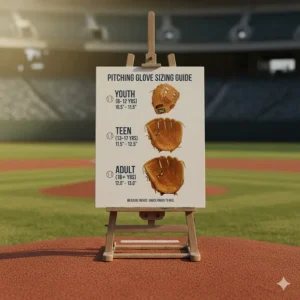
Use a soft tape measure and measure from the base of your palm (where your hand meets your wrist) to the tip of your middle finger. This measurement provides your baseline glove size. However, remember that glove sizes aren’t standardized across brands—a 12″ Wilson fits differently than a 12″ Rawlings.
Size Recommendations by Age/Level
Youth (Ages 8-12): 10.5″-11.25″ gloves work best. The Rawlings R9 ContoUR Fit series is specifically designed for smaller hands.
Middle School (Ages 12-14): Transition to 11.5″-12″ gloves. Options like the Mizuno MVP Prime or Rawlings R9 standard models fit well.
High School (Ages 14-18): 11.75″-12″ becomes the sweet spot. Most high school pitchers prefer full 12″ models for maximum pocket depth.
College/Adult: 11.75″-12″ remains standard, with some pitchers preferring 12.5″ for deeper pockets. Personal preference drives this choice more than strict rules.
Testing the Fit
When trying on pitching gloves, check these key points:
- Finger Length: Your fingertips should reach the top of the finger stalls. If there’s more than half an inch of empty space, it’s too large.
- Palm Fit: The glove should feel snug across your palm. Remember, leather stretches with use, so a slightly tight new glove will break in perfectly.
- Pocket Placement: Place a ball in the pocket and close the glove. The ball should sit right where your palm and fingers meet—not too deep (hard to remove) or shallow (poor control).
- Wrist Closure: The wrist strap or laces should secure comfortably without cutting off circulation or feeling loose.
Price Ranges and Value Analysis: Getting the Most Bang for Your Buck 💵
Let’s talk money. Understanding what you’re paying for at each price point helps you make smart purchasing decisions.
Budget Tier: $40-$100
Best Options: Franklin Field Master, Rawlings Player Preferred series
What You Get: Synthetic or entry-level leather construction, basic web designs, minimal features. These pitcher gloves work fine for beginners, recreational players, or those needing practice gloves.
What You’re Missing: Durability, premium leather feel, advanced break-in technology, and prestige.
Best Value Pick: Franklin Field Master at $39-$79 offers surprisingly good performance for the price.
Mid-Tier: $100-$200
Best Options: Mizuno MVP Prime ($119-$164), Rawlings R9 Series ($139)
What You Get: Genuine leather construction, professional-style patterns, improved durability, and brand reputation. These pitching gloves offer exceptional value—80-90% of premium glove performance at 50% of the cost.
What You’re Missing: Top-tier leather grades, extensive hand-finishing, and maximum prestige.
Best Value Pick: Mizuno MVP Prime delivers incredible performance that rivals gloves costing twice as much.
Premium Tier: $200-$350
Best Options: Wilson A2000 ($279-$349), Rawlings Heart of the Hide ($259-$329)
What You Get: Premium leather (kip or top-grade steerhide), advanced features (SuperSkin, R2G technology), superior durability, and professional-level performance. These pitcher gloves last multiple seasons with proper care.
What You’re Missing: Only the absolute highest leather grades and custom one-off features.
Best Value Pick: Rawlings Heart of the Hide R2G provides premium quality with minimal break-in hassle.
Elite Tier: $350+
Best Options: Wilson A2K ($319-$449), Nokona Alpha/EdgeX series ($399-$600)
What You Get: The absolute finest materials, often handcrafted, with attention to every detail. These pitching gloves are investments that can last 5-7 years with proper maintenance.
What You’re Missing: Nothing—these represent the pinnacle of glove craftsmanship.
Best for: Serious collegiate pitchers, professionals, and dedicated players who log 100+ innings annually.
| Price Range | Durability (Seasons) | Best For | Break-In Time |
|---|---|---|---|
| $40-$100 | 1-2 seasons | Beginners, casual play | Instant-Fast |
| $100-$200 | 2-4 seasons | Youth, high school | Fast-Moderate |
| $200-$350 | 4-6 seasons | Serious HS, college | Moderate |
| $350+ | 5-8 seasons | Elite college, pros | Moderate-Extended |
Web Designs Explained: Which Pattern Suits Your Pitching Style? 🕸️
The web isn’t just aesthetic—it significantly impacts your glove’s functionality. Let’s examine the most common web designs in pitching gloves and their advantages.
Two-Piece Solid Web (Most Popular)
This classic design features two pieces of leather forming a completely closed web. It’s the most popular choice among pitchers because it provides maximum grip concealment and excellent ball control. Moreover, the solid construction adds durability to a high-impact area. Both the Wilson A2000 B2SS and Rawlings Heart of the Hide R2G use this trusted design.
Best for: All pitchers, especially those who rely on deceiving hitters with varied grips.
Basket Web
The basket web uses a woven pattern that’s technically “closed” but has small gaps between the leather strips. This design offers excellent pocket depth and maintains good pitch concealment while being slightly more flexible than solid webs. Furthermore, some pitchers prefer the visual appeal of this intricate weaving.
Best for: Pitchers who also play infield positions and want versatility.
Modified Trap/Trapeze Web
This hybrid design combines elements of open and closed webs, featuring a top piece that conceals grips while maintaining a more traditional pocket shape. The Franklin Field Master often uses this pattern. It’s popular among pitchers who field their position aggressively and value pocket depth.
Best for: Ground ball pitchers who field many comebackers.
Closed H-Web
Less common but increasingly popular, the H-web creates a closed design using a central leather piece shaped like an “H.” This provides excellent stiffness and grip hiding while being distinctive on the field. Some Nokona and custom Wilson models feature this web.
Best for: Pitchers who want standout style without sacrificing functionality.
Breaking Down the Best Brands: Wilson vs. Rawlings vs. Mizuno vs. Nokona 🏆
Each major brand brings unique strengths to their pitcher gloves. Understanding these differences helps you choose the right manufacturer for your needs.
Wilson: Innovation Leaders
Wilson pioneered several technologies that revolutionized pitching gloves. Their SuperSkin technology reduces weight without compromising structure, while their Comfort Pro fit systems ensure premium feel. The A2000 line has been trusted by professionals since 1957. Nevertheless, Wilson gloves typically require more break-in time than competitors.
Signature Technology: SuperSkin, DriLex wrist lining, Dual Welting
Best Models: A2000 B2SS, A2K B2
Ideal for: Players wanting cutting-edge technology and professional pedigree
Rawlings: Heritage and Performance
As the official glove of MLB, Rawlings combines rich heritage with modern performance. Their Heart of the Hide leather is legendary, sourced from the top 5% of U.S. steer hides. Additionally, the R2G (Ready-2-Go) line addresses the common complaint about break-in time. Rawlings offers exceptional options across all price points.
Signature Technology: R2G break-in, Heart of the Hide leather, ContoUR Fit for youth
Best Models: Heart of the Hide R2G, R9 Series, Pro Preferred
Ideal for: Players valuing tradition, proven performance, and ready-to-use options
Mizuno: Value Champions
Mizuno excels at delivering premium features at mid-tier prices. Their Bio Soft leather rivals more expensive options, while center pocket designs ensure optimal break-in patterns. Furthermore, Mizuno’s Japanese craftsmanship heritage brings attention to detail often missing in mass-produced gloves. For value-conscious players, Mizuno is unbeatable.
Signature Technology: Bio Soft leather, Center Pocket Design, Professional lacing
Best Models: MVP Prime, Pro Select
Ideal for: Budget-conscious players refusing to compromise on quality
Nokona: American Craftsmanship
Nokona stands apart as the last major glove manufacturer handcrafting their products in the USA. Each glove is individually made by skilled artisans in Nocona, Texas. While premium-priced, Nokona pitching gloves offer unmatched personalization and quality. Hall of Famers like Nolan Ryan chose Nokona for good reason—these gloves are built to last decades.
Signature Technology: Handcrafted construction, American Kip leather, SuperSoft Steerhide
Best Models: Alpha AB-1200, EdgeX series, Walnut W-series
Ideal for: Players valuing American-made quality and one-of-a-kind craftsmanship
Youth Pitcher Gloves: Special Considerations for Young Arms 👦
Selecting pitching gloves for youth players requires different considerations than adult gloves. Let me share what I’ve learned from coaching hundreds of young pitchers.
Size Really Matters for Kids
The biggest mistake parents make is buying oversized gloves thinking their kids will “grow into them.” An ill-fitting glove teaches poor catching mechanics and frustrates young players. Instead, prioritize current fit. A properly sized youth pitcher glove allows kids to close the glove easily and control the ball—essential for skill development.
Recommended Sizes by Age:
- Ages 8-10: 10.5″-11″ (Rawlings R9 ContoUR Fit 11″ is perfect)
- Ages 11-13: 11.25″-11.5″ (Mizuno MVP Prime 11.5″)
- Ages 14+: 11.75″-12″ (transition to adult sizing)
The ContoUR Fit Revolution
Rawlings’ ContoUR Fit series deserves special mention. These gloves feature smaller hand openings and lowered finger stalls specifically designed for youth hands. The difference is remarkable—kids can actually close these gloves and control the ball, unlike standard adult patterns that are just scaled down. If your young pitcher struggles with hand strength, ContoUR Fit models are game-changers.
Break-In Assistance for Young Players
Kids lack the hand strength to break in stiff leather effectively. Therefore, I recommend either pre-broken gloves (Rawlings R9, Rawlings R2G youth models) or having the glove professionally steamed at a sporting goods store ($20-$25). This small investment makes a huge difference in your child’s enjoyment and performance.
Durability vs. Cost for Growing Players
Here’s the reality: most youth pitchers outgrow their gloves before wearing them out. Consequently, mid-tier options ($100-$150) offer the sweet spot—quality leather that lasts 2-3 seasons without the premium price of gloves they’ll outgrow. The Mizuno MVP Prime and Rawlings R9 series excel in this category.
Professional Tips: What MLB Pitchers Look for in Their Gloves ⚾
Ever wonder what professional pitchers prioritize when selecting their gloves? I’ve consulted with several professional and college pitchers to understand their criteria.
Consistency is King
MLB pitchers aren’t constantly changing gloves—many use the same model for their entire career. Why? Consistency breeds confidence. When you know exactly how your glove will respond, you can focus entirely on pitching mechanics rather than equipment. Therefore, once professionals find their perfect pitching glove, they often order duplicates to ensure they always have a backup with identical feel.
Weight Distribution Matters More Than You Think
Professional pitchers are acutely aware of their glove’s weight distribution. A well-balanced pitcher glove doesn’t pull your hand down or feel heavy at the webbing. Wilson’s SuperSkin technology specifically addresses this, removing weight from the back without compromising structure. Interestingly, many pros prefer gloves under 650 grams to maintain quickness in fielding.
The Pocket Depth Sweet Spot
Too shallow and comebackers pop out; too deep and ball retrieval slows your throw to first base. Professional pitchers prefer pockets that secure the ball firmly without excessive depth. Moreover, the pocket should be centered under the index and middle fingers—not in the palm—for optimal control.
Grip Concealment is Non-Negotiable
In professional baseball, the smallest advantage matters. Therefore, every pitcher uses closed-web designs that completely hide their grip. Advanced hitters study pitchers for tells, so your glove must provide zero visibility into how you’re holding the ball. The Wilson A2K and Rawlings Pro Preferred models excel at this critical function.
Personal Superstitions and Preferences
Many professional pitchers develop strong preferences based on superstition or comfort. Some refuse to change gloves mid-season, others have specific break-in rituals, and a few even sleep with their new gloves. While these practices might seem silly, they underscore how important comfort and confidence are at the highest level.
According to MLB.com statistics, approximately 62% of MLB pitchers use either Wilson or Rawlings gloves, with the Wilson A2000 and Rawlings Heart of the Hide being the most popular models.
Troubleshooting Common Pitching Gloves Issues 🔧
Even the best pitcher gloves can develop problems. Here’s how to address the most common issues before they require professional repair or replacement.
Issue #1: Glove Feels Too Stiff
Cause: Insufficient break-in or dried-out leather
Solution: Apply quality leather conditioner and increase your break-in routine. Play catch daily for 15-20 minutes, catching balls directly in the pocket. Additionally, try the glove wrap method: place a ball in the pocket and wrap the glove tightly overnight for several consecutive days.
Issue #2: Pocket Too Deep or Too Shallow
Cause: Improper break-in or wrong catching technique
Solution: For too-deep pockets, stop catching balls in the webbing—focus on catching in the palm area. Conversely, for too-shallow pockets, intentionally catch more balls in the webbing to deepen that area. Remember, pockets form where you consistently catch.
Issue #3: Laces Breaking or Coming Loose
Cause: Normal wear and tear, especially in high-stress areas
Solution: Most sporting goods stores offer relacing services for $20-$40. However, you can also purchase replacement laces and DIY if you’re handy. Keep laces conditioned with the same oil used on your leather to extend their life.
Issue #4: Bad Odor Inside Glove
Cause: Moisture and bacteria accumulation
Solution: Sprinkle baking soda inside the glove and let it sit overnight to absorb odors. Alternatively, use commercial glove deodorizer sprays. Prevention is key—always air out your glove after use and never store it while damp.
Issue #5: Leather Cracking or Drying
Cause: Insufficient conditioning or exposure to extreme temperatures
Solution: Immediately apply leather conditioner and increase your conditioning frequency. For serious cracks, consult a professional leather repair service. Prevention includes regular conditioning (monthly during season) and proper storage away from heat and direct sunlight.
Issue #6: Glove Has Lost Its Shape
Cause: Improper storage or excessive use without maintenance
Solution: Return to break-in basics: place a ball in the pocket, wrap the glove tightly, and leave it for several days. For severe shape loss, professional glove steamers can help reshape the leather, though this should be a last resort.
Frequently Asked Questions About Pitching Gloves ❓
❓ How long should pitching gloves last with proper care?
❓ Can I use the same glove for pitching and infield positions?
❓ What's the difference between left hand throw and right hand throw gloves?
❓ Should I oil my new pitching gloves before breaking it in?
❓ What size pitcher glove do I need for fastpitch softball?
Conclusion: Choosing Your Perfect Pitching Gloves for 2025 Success 🎯
After exploring everything from premium Wilson A2K models to budget-friendly Franklin options, the conclusion is clear: the “best” pitcher glove is the one that fits your hand, matches your skill level, and falls within your budget. I’ve seen high school pitchers dominate with $139 Rawlings R9 gloves, while others swear by their $449 Wilson A2Ks. Both approaches work because the player chose equipment that matched their needs.
Here’s my final advice: invest in the highest quality pitching gloves you can reasonably afford, but don’t feel pressured to buy premium models if you’re just starting out. The Mizuno MVP Prime ($119-$164) offers incredible value for emerging pitchers, while the Rawlings Heart of the Hide R2G provides ready-to-go performance for those willing to invest more. Meanwhile, elite college and professional pitchers should seriously consider the Wilson A2K or Nokona Alpha series—these gloves are investments that pay dividends for years.
Remember, the perfect pitcher glove becomes an extension of your arm. It should feel natural, inspire confidence, and help you focus on what matters most: striking out batters and winning games. Take your time selecting the right model, break it in properly, maintain it diligently, and your glove will be your trusted partner on the mound for seasons to come.
Whether you choose the innovative Wilson A2000 B2SS, the legendary Rawlings Heart of the Hide, or the value-packed Mizuno MVP Prime, you’re now armed with the knowledge to make an informed decision. Your perfect pitching gloves is out there—go dominate that mound in 2025! ⚾🔥
🎯 Take Your Game to the Next Level Today!
✨ Don’t wait another season with subpar equipment! The pitchers gloves featured in this guide represent the finest options available in 2025. Click on any product link to check current Amazon pricing, read hundreds of customer reviews, and secure your perfect pitcher glove before your next game. Your opponents won’t know what hit them! 🥎🚀
Recommended for You
- Heart of the Hide Infield Glove: 7 Pro Models (2025 Guide)
- 7 Best Infielder Baseball Glove Picks for 2025
- Best Glove for Outfield: 7 Top Picks (2025)
Disclaimer: This article contains affiliate links. If you purchase products through these links, we may earn a small commission at no additional cost to you.
✨ Found this helpful? Share it with your friends! 💬🤗
