
In This Article
✨Was this helpful? Spread the word! 🚀
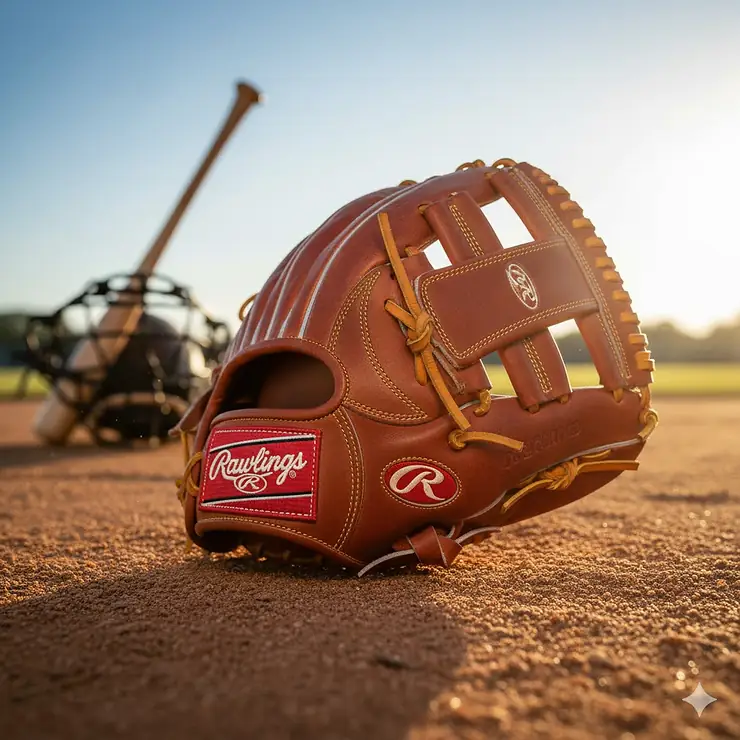
You know that feeling when you slide your hand into a glove that just feels…right? That’s what we’re talking about here with heart of the hide baseball gloves. I’ve been around the diamond long enough to know that not all leather is created equal, and Rawlings figured this out back in 1958 when they introduced their legendary Heart of the Hide line.
Here’s what makes these gloves special: they’re crafted from ultra-premium steerhide leather—not your average cowhide—cut exclusively from the top 5% of available hides. This isn’t marketing fluff; it’s a genuine difference you’ll feel the moment you catch your first fastball. While your buddy’s cowhide glove might feel softer initially, your heart of the hide baseball gloves will outlast it by years while maintaining that perfect pocket shape.
The iconic snorting bull logo stamped in the palm has become synonymous with defensive excellence. From Mickey Mantle to Francisco Lindor, generations of pros have trusted these gloves at the highest levels of competition. Today, these gloves retail between $219 and $349, representing a serious investment—but one that typically lasts a decade or more with proper care.
Whether you’re a high school shortstop looking to upgrade or an adult league warrior who refuses to settle for mediocre equipment, understanding what sets these gloves apart will help you make the right choice. Throughout this guide, we’ll explore seven exceptional models, break down the manufacturing process, and help you find your perfect match.
Quick Comparison Table
| Model | Size | Position | Price | Break-In | Best For |
|---|---|---|---|---|---|
| PROR314-2T | 11.5″ | Infield | $249.95 | R2G (35%) | Quick play, fast transfers |
| PRORFL12N | 11.75″ | Shortstop | $269.95 | R2G (35%) | Left side infield |
| PRO3039-6SH | 12.75″ | Outfield | $219.95 | Traditional (60%) | Deep pockets, range |
| PROR234U-2DS | 11.5″ | Infield | $259.95 | ContoUR (Advanced) | Smaller hands |
| PRORKB17C | 12.25″ | Third Base | $329.99 | Traditional (60%) | Corner infield |
| PRORDCT-10CB | 13″ | First Base | $329.99 | Traditional (60%) | Scooping, digging |
| PRORYM4C | 34″ | Catcher | $329.99 | Traditional (60%) | Blocking, framing |
🎯 Ready to Upgrade Your Game?
These aren’t just gloves—they’re investments in your defensive performance. Each model features pro-grade patterns and materials that’ll serve you for years. Click any highlighted product name to check current availability and secure your perfect fit! ⚾🔥
💬 Just one click – help others make better buying decisions too!😊
Top 7 Heart of the Hide Baseball Gloves: Expert Analysis
1. Rawlings Heart of the Hide R2G 11.5″ Infield Glove (PROR314-2T)
If there’s one glove that perfectly bridges the gap between quality and convenience, it’s this R2G model. The “Ready 2 Go” designation isn’t just catchy marketing—it means Rawlings has done 65% of the break-in work at the factory, leaving you with just 35% player break-in required.
Key Specifications:
- 11.5-inch 314 pattern with Pro I-web
- Ultra-premium U.S. steerhide shell
- Narrow fit design with redesigned heel pad
- Deer-tanned cowhide palm lining
The 314 pattern creates a slightly deeper pocket than the flatter NP gloves while staying narrower than the 200 series. It closes thumb to middle and fourth finger, making it ideal for middle infielders who prioritize quick glove-to-hand transfers. Currently priced at $249.95 (down from $329.99), this represents exceptional value in the lineup.
Customer feedback consistently highlights the surprisingly soft feel right out of the box. One verified buyer noted: “Breaking it in with no heat, no water, no oil. Just leather conditioner, beating it with a rubber weight, and playing catch. Should be ready in a week.” However, players with larger hands should note the narrow wrist opening might feel snug initially.
Pros:
✅ Minimal break-in time required
✅ Excellent value at sale price
✅ Pro-level leather quality
✅ Deep pocket for secure catches
Cons:
❌ Narrow fit may not suit all hand sizes
❌ Limited color options
2. Rawlings Heart of the Hide R2G Francisco Lindor 11.75″ Baseball Glove (PRORFL12N)
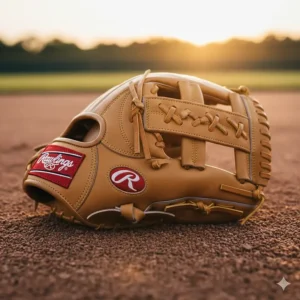
Want to play with the same pattern as a Gold Glove-winning shortstop? This Rawlings Heart of the Hide R2G Francisco Lindor 11.75″ Baseball Glove delivers exactly that. Crafted in Lindor’s gameday FL12 pattern, it’s become wildly popular among left-side infielders who appreciate its combination of pocket depth and quick transfer capabilities.
Key Specifications:
- 11.75-inch FL12 pattern designed with deepest pocket
- Pro I-web for maximum visibility
- Stylish navy/gray colorway
- R2G technology (65% factory break-in)
The FL12 pattern features the deepest pocket in its size range, closing thumb to fourth finger and pinky. This creates exceptional ball security without sacrificing transfer speed. The redesigned heel pad in R2G models makes closing around the ball noticeably easier compared to traditional models.
At $269.95 (regularly $329.99), this glove has earned impressive 5-star ratings from customers. One reviewer praised: “Get your hands on a ContoUR pattern—fit for your game. The adjustable wrist pull lace combined with a smaller wrist opening allows each athlete to create a custom fit.”
Pros:
✅ Pro player pattern (Francisco Lindor)
✅ Extra deep pocket for security
✅ Faster break-in than traditional models
✅ Versatile for shortstop and third base
Cons:
❌ Narrow wrist opening
❌ May be oversized for youth players under 10U
3. Rawlings Heart of the Hide 12.75″ Outfield Glove (PRO3039-6SH)
Outfielders, this one’s for you. The Rawlings Heart of the Hide 12.75″ Outfield Glove utilizes the legendary 303 pattern—arguably the most popular outfield design in professional baseball. When you need maximum range and a pocket that swallows fly balls, the 303 pattern delivers.
Key Specifications:
- 12.75-inch 303 pattern with extra deep pocket
- Pro H-web for lightweight feel
- Traditional steerhide shell
- Conventional open back design
The Pro H-web provides excellent visibility while tracking fly balls, and the finger shift design (pinkie loop removed) accommodates players who prefer positioning two fingers in the pinkie slot. However, it works equally well for traditional wear. The camel leather with tan laces creates a classic aesthetic that never goes out of style.
Currently available at $219.95 (down from $329.99), this represents the best value in the entire lineup. One satisfied customer stated: “Absolutely love it and is the most comfortable glove I own. I would highly recommend a heart of the hide to anyone.” Though this is a traditional break-in model requiring 60% player effort, the investment pays dividends in longevity.
Pros:
✅ Exceptional value pricing
✅ Most popular outfield pattern
✅ Extra deep pocket depth
✅ Classic, timeless design
Cons:
❌ Requires significant break-in time
❌ May feel oversized for smaller players
4. Rawlings Heart of the Hide ContoUR Fit 11.5″ Baseball Glove (PROR234U-2DS)
Not all hands are created equal, and Rawlings finally addressed this with their ContoUR series. The Rawlings Heart of the Hide ContoUR Fit 11.5″ was developed after extensive research revealed that many players—particularly those with smaller, thinner hands—needed a glove specifically tailored to their anatomy.
Key Specifications:
- 11.5-inch 200 pattern with Pro I-web
- Lowered finger stalls for better contact
- Adjustable wrist pull lace
- Advanced break-in technology
The ContoUR design features more narrow and lowered finger stalls, allowing all five fingers to make contact with both the front and back of the glove. This creates superior control that standard patterns simply can’t match. The adjustable wrist pull lace lets you customize fit tension, ensuring the glove feels like an extension of your hand.
Priced between $259.95-$269.95 (originally $329.99), this specialized design commands a slight premium over standard models. Customer feedback emphasizes the immediate difference: “Fits like a glove is a popular saying for good reason. Fit is paramount and we’re constantly developing and designing the perfect fit for every player and hand size.”
Pros:
✅ Designed for smaller/thinner hands
✅ Superior glove control
✅ Customizable fit with wrist lace
✅ World-renowned Heart of Hide leather
Cons:
❌ Higher price point than standard models
❌ Not suitable for players with larger hands
5. Rawlings Heart of the Hide Kris Bryant 12.25″ Baseball Glove (PRORKB17C)
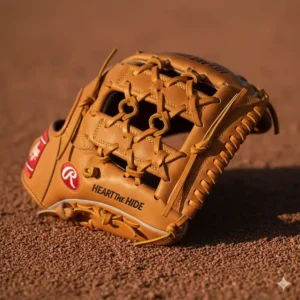
Third basemen need gloves that can handle screaming line drives and weird hops with equal confidence. The Rawlings Heart of the Hide Kris Bryant 12.25″ delivers exactly that package. Modeled after the four-time All-Star’s gamer, this glove bridges the gap between infield quickness and outfield security.
Key Specifications:
- 12.25-inch KB17 pattern
- Single post double bar web
- Traditional break-in (60% player)
- Premium steerhide construction
The 12.25-inch sizing represents the sweet spot for corner infielders—large enough to handle anything hit your way, small enough to maintain quick transfer times. The single post double bar web provides exceptional pocket depth while maintaining structural integrity through years of abuse.
At $329.99, this sits at the premium end of the pricing spectrum, but you’re paying for a proven pro pattern. Customer reviews consistently rate it 5 stars, with one noting: “Beak it in properly, take care of it and it’ll last a long time. My last heart of the hide is 46 years old.”
Pros:
✅ Pro player pattern (Kris Bryant)
✅ Versatile 12.25″ sizing
✅ Exceptional pocket depth
✅ Proven durability (decades of use)
Cons:
❌ Premium pricing
❌ Requires patience for break-in
6. Rawlings Heart of the Hide 13″ First Base Mitt (PRORDCT-10CB)
First basemen have unique needs—you’re scooping throws from dirt, stretching for errant tosses, and occasionally fielding ground balls. The Rawlings Heart of the Hide 13″ First Base Mitt was purpose-built for exactly these challenges.
Key Specifications:
- 13-inch first base pattern
- Single post web design
- Camel/Navy colorway
- Padded thumb sleeve
The single post web creates maximum pocket depth without unnecessary weight. At 13 inches, this mitt offers excellent reach without becoming unwieldy during fielding plays. The deer-tanned cowhide lining provides exceptional comfort during those long games when you’re handling hundreds of throws.
Retailing at $329.99, this mitt has earned 5-star ratings with customers praising its construction: “Great leather, great laces not overly stiff and breaks in wonderfully. Deep pocket nothing will get by you.” One buyer specifically noted: “Pro level glove. Treat it well, take care of it and it will last you forever.”
Pros:
✅ Maximum pocket depth
✅ Perfect sizing for first base
✅ Exceptional leather quality
✅ Comfortable padded thumb
Cons:
❌ Position-specific (not versatile)
❌ Significant break-in required
7. Rawlings Heart of the Hide 34″ Catcher’s Mitt (PRORYM4C)
Backstops need equipment they can trust, and the Rawlings Heart of the Hide 34″ Catcher’s Mitt delivers that reliability game after game. Catching is arguably baseball’s most demanding position, and your glove needs to handle blocking, framing, and receiving with equal proficiency.
Key Specifications:
- 34-inch catcher’s pattern
- One-piece solid web
- Traditional shell construction
- Thermoformed wrist liner
The 34-inch sizing provides the ideal balance between pocket size and maneuverability behind the plate. The one-piece solid web creates a consistent pocket that helps with framing pitches on the edges of the zone. The thermoformed wrist liner is breathable and wicks moisture away, crucial during hot summer doubleheaders.
Priced at $329.99, this mitt represents a significant investment, but catchers quickly discover its value. Customer feedback notes: “The ultra-premium, world-renowned Heart of the Hide leather will give you pro-level glove performance that can last for years.”
Pros:
✅ Purpose-built for catching
✅ Excellent for framing and blocking
✅ Moisture-wicking wrist liner
✅ Pro-quality construction
Cons:
❌ Expensive for position-specific mitt
❌ Limited versatility
What Makes Heart of the Hide Special: The Steerhide Difference
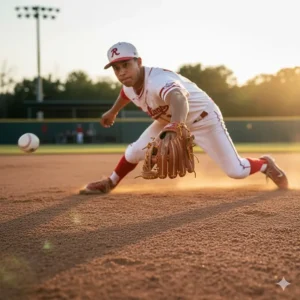
Let me tell you something most glove manufacturers won’t admit: not all leather is remotely equal. When Rawlings introduced their Heart of the Hide line in 1958, they weren’t just slapping a cool name on regular gloves—they were revolutionizing glove construction with a fundamental material change.
Understanding Steerhide vs. Cowhide
The difference between steerhide and cowhide affects everything about your glove’s performance. Cowhide comes from mature dairy cows and tends to be softer, more pliable, and easier to break in initially. Sounds great, right? The catch is that cowhide also stretches more easily, loses its shape faster, and typically wears out within 3-5 years of regular use.
Steerhide, harvested from castrated bulls raised primarily for ranching, is an entirely different animal—literally. These hides are firmer, denser, and contain significantly less natural stretch. Yes, this means your initial break-in requires more effort and patience. However, once properly broken in, steerhide maintains its shape for decades, literally. I’ve personally seen 40-year-old Heart of the Hide gloves still functioning beautifully.
According to Rawlings’ official documentation, they exclusively use leather cut from the middle of the steer’s back—the prime cut containing the most consistent, highest-quality sections of the hide. This selective harvesting ensures every glove meets their exacting standards.
The Manufacturing Process
Heart of the Hide gloves undergo a meticulous construction process that separates them from mass-market alternatives. Here’s what happens before your glove arrives:
Leather Selection and Preparation: Only the top 5% of available steerhides make the cut. Rawlings inspectors examine each hide for grain consistency, thickness uniformity, and absence of imperfections. Rejected hides get diverted to lower-tier glove lines.
Tennessee Tanning Process: All lacing on Heart of the Hide gloves comes from Tennessee Tanning Company in Tullahoma, Tennessee—a facility Rawlings acquired in 1983. The leather undergoes alum tanning using aluminum salts, creating laces that are “stiff and firm” according to Leather Dictionary standards. These laces can withstand balls thrown at 90+ mph without breaking or stretching.
Deer-Tanned Cowhide Lining: The palm lining uses cowhide tanned in the same manner as deerskin. Why does this matter? As explained by Lusso Leather, deerskin tanning creates leather that’s “softer, more flexible, and more breathable than other forms.” This prevents the disgusting, sweat-soaked feel that ruins cheaper gloves within months.
Hand Construction: Unlike injection-molded gloves, Heart of the Hide models are hand-assembled by experienced craftsmen. The same technicians who build gloves for MLB professionals construct the retail versions, ensuring consistent quality control.
R2G Technology: Game-Ready Innovation
Rawlings recognized that not everyone has weeks to properly break in a traditional glove. Their R2G (Ready 2 Go) innovation addresses this without compromising quality. R2G gloves receive an additional 25% factory break-in through specialized softening techniques and a re-engineered heel pad design.
This means R2G models require only 35% player break-in versus 60% for traditional versions. You can literally take an R2G glove to a game within days of purchase—something impossible with standard models. The trade-off? R2G models cost slightly less ($249-$279) than traditional versions ($299-$329) because the manufacturing process is more standardized.
According to JustBallGloves, the R2G line has become their fastest-growing segment, particularly popular with high school and travel ball players who need performance without the traditional break-in commitment.
How to Choose Your Perfect Heart of the Hide Glove
Selecting the right glove feels overwhelming when you’re staring at dozens of options, each promising to elevate your game. Let me simplify this process with a systematic approach that’s helped hundreds of players find their perfect match.
Step 1: Determine Your Position Requirements
Different positions demand different glove characteristics. Here’s the breakdown:
Infielders (Second Base, Shortstop): Look for 11.25″-11.75″ gloves with shallow to medium pockets. The Pro I-web or H-web provides excellent visibility while maintaining pocket integrity. Models like the PROR314-2T or PRORFL12N excel here.
Third Basemen: You need slightly larger gloves (11.75″-12.25″) with deeper pockets to handle hard-hit balls. The single post web offers structural support. Consider the Kris Bryant model (PRORKB17C) for this position.
Outfielders: Size matters here—12.5″-12.75″ gloves with maximum pocket depth help secure fly balls. The 303 pattern with Pro H-web (PRO3039-6SH) is the gold standard for outfield play.
Pitchers: Choose 11.5″-12″ gloves with closed webs (like the Closed or Basket web) to hide your grip from batters. According to MLB regulations, pitchers can’t use white or gray gloves.
Step 2: Assess Your Break-In Commitment
Be honest about your break-in patience and timeline:
Need It This Week? Choose R2G models. With 65% factory break-in complete, you’ll be game-ready within 7-10 days of moderate conditioning. R2G gloves like PROR314-2T or PRORFL12N retail around $249-$269.
Can Wait 3-4 Weeks? Traditional models offer slightly firmer leather that holds its shape even longer. These typically retail around $299-$329 but reward patient break-in with decades of performance.
Have Smaller Hands? The ContoUR series specifically addresses narrower hand anatomy with lowered finger stalls and adjustable wrist closures. These start around $259.
Step 3: Consider Size and Fit
Glove sizing isn’t one-size-fits-all. Here’s what the measurements actually mean:
The advertised size (11.5″, 12.75″, etc.) represents the distance from the bottom of the heel to the top of the index finger. However, pocket depth, finger stall length, and wrist opening all affect how a glove “wears.”
Narrow Fit Models: Feature smaller wrist openings and snugger finger stalls. Ideal for adolescents, women, or adults with smaller hands. The R2G and ContoUR lines typically offer narrow fits.
Standard Fit Models: Work for most adult male players. Traditional Heart of the Hide models generally feature standard fits with thermoformed wrist linings.
Testing Fit: When trying gloves, your pinkie should reach at least halfway down the pinkie stall. Too much empty space indicates the glove is oversized; cramped fingers mean it’s too small.
Step 4: Web Selection Strategy
Web patterns aren’t just aesthetic—they significantly impact functionality:
Pro I-Web: Provides excellent visibility through the webbing while maintaining pocket structure. Ideal for infielders who need to see the ball clearly. Featured on PROR314-2T and PRORFL12N.
Pro H-Web: Lightweight construction perfect for outfielders. The H-pattern creates maximum pocket depth without unnecessary weight. Standard on PRO3039-6SH outfield models.
Single Post/Basket Webs: Offer maximum pocket support with minimal break-in resistance. Common on first base mitts and some third base gloves.
Step 5: Budget Considerations
Heart of the Hide gloves represent significant investments. Here’s how to maximize value:
Best Value Options: Sale models like PRO3039-6SH at $219.95 offer premium quality at 33% discounts. These typically represent overstock or previous season colorways—same quality, lower price.
Mid-Range Sweet Spot: R2G models ($249-$279) balance price, quality, and convenience. You’re getting 98% of the performance at 75% of the cost versus traditional models.
Premium Investment: Traditional models ($299-$329) represent peak performance. If you’re committed to proper break-in and long-term ownership, these justify their premium pricing.
Remember: a properly maintained Heart of the Hide glove typically lasts 10-15 years. That $329 glove costs about $22-33 per year—less than most casual players spend on baseballs annually.
Step 6: Color and Customization
While performance matters most, aesthetics influence confidence. Heart of the Hide offers various colorways:
Classic Options: Camel, tan, and black remain timeless choices that look professional and hide dirt well. These typically retail at standard pricing.
Limited Editions: ColorSync series, Croc Skin embossing, and special colorways command premium pricing ($299-$349) but offer unique aesthetics.
Custom Builder: Rawlings offers full customization through their website, letting you select leather color, web style, stitching, and add personalization. Custom gloves start around $369 and require 8-12 weeks for delivery.
Breaking In Your Heart of the Hide: Do’s and Don’ts
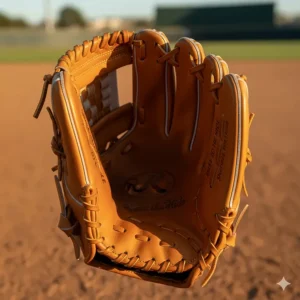
The way you break in your heart of the hide baseball gloves fundamentally affects their performance and longevity. I’ve seen players destroy $300 gloves through improper break-in techniques, and I’ve seen others create perfect pockets that last decades. Let me save you from costly mistakes.
The Proper Break-In Process
Week 1-2: Initial Conditioning
Start by applying a quality leather conditioner—not oil, conditioner. I recommend Rawlings Glovolium or similar products specifically designed for baseball gloves. Apply a thin layer to the exterior shell, avoiding oversaturation. The leather should feel slightly moist but not soaked.
Work the glove by hand, repeatedly closing it around a baseball. Focus on the hinge points—the base of the fingers and the heel pad. Apply moderate pressure to fold the glove along its natural break lines. Perform this 100 times morning and evening. Yes, 100 times. This is where most players quit, but persistence pays dividends.
Week 3-4: Forming the Pocket
Place two baseballs in the pocket (one at the base, one higher toward the web) and secure them with rubber bands or a glove wrap. Leave this configuration overnight, removing it for daily playing catch sessions. When playing catch, focus on catching balls in the exact spot you want your pocket to form.
According to Rawlings’ official break-in guide, working the glove during actual play accelerates the break-in process more effectively than any tool or technique. The natural impact of balls hitting leather helps mold the pocket better than artificial methods.
Week 5+: Refinement
Continue regular use while monitoring pocket development. Apply conditioner every 2-3 weeks during this phase. The glove should start feeling like an extension of your hand—comfortable but still maintaining structural integrity.
Critical Don’ts: What Destroys Gloves
Never Use a Microwave or Oven: I can’t emphasize this enough. Heat destroys leather’s natural oils and can cause irreversible cracking. This voids your warranty instantly and can ruin a $300 glove within minutes. Anyone suggesting microwave “steam treatment” doesn’t understand leather chemistry.
Avoid Excessive Oil: Too much oil creates oversaturated leather that loses its structure and becomes floppy. The glove might feel soft initially, but it won’t hold its shape or provide proper support. Use conditioner sparingly—less is more.
Don’t Submerge in Water: Some “break-in services” involve soaking gloves in water. This is catastrophic for steerhide. Water saturation causes uneven drying, which leads to cracking and structural weakness. Steerhide isn’t meant to handle water immersion.
Skip the Mallet/Hammer Method: Violently beating your glove with hard objects creates uneven break patterns and can damage lacing. Gentle, consistent pressure works better than aggressive force.
Avoid “Magic” Solutions: Shaving cream, petroleum jelly, WD-40, cooking oils—none belong on your glove. These substances can actually accelerate deterioration rather than enhance performance.
Break-In Aids Worth Using
Glove Wrap/Mallet Combination: A proper glove wrap (like Rawlings Pro Wrap) holds the pocket shape between uses. Use this with two baseballs positioned in your desired pocket location.
Break-In Foam: Specialized foam inserts (like Glove Steamer Foam) help maintain pocket shape without risking moisture damage. These work particularly well overnight.
Glove Steamer Services: Professional glove steaming services apply controlled moisture and heat in specific ways that don’t harm leather. Many sporting goods stores offer this service for $20-30. This is acceptable—unlike home steam methods which risk over-saturation.
Position-Specific Break-In Tips
Infield Gloves: Focus on creating a shallow but secure pocket. Break the glove along the thumb line, creating a hinge that allows quick closure. Infield gloves should “snap” shut quickly around ground balls.
Outfield Gloves: Develop a deeper pocket with more surface area. Break the glove vertically along the index finger, creating a “basket” that secures fly balls. These require patience as the larger surface area means more leather to condition.
Catcher’s Mitts: The goal is a one-finger break along the thumb line. Catchers need their mitts to close quickly for framing while maintaining enough structure for blocking. Focus break-in efforts on the thumb hinge specifically.
Comparing Heart of the Hide vs. Other Premium Gloves
Understanding how heart of the hide baseball gloves stack up against competitors helps you make informed purchasing decisions. Let’s examine the three major premium glove lines dominating today’s market.
| Feature | Heart of the Hide | Wilson A2000 | Mizuno Pro Select |
|---|---|---|---|
| Primary Leather | U.S. Steerhide | Pro Stock Leather | Japanese Kip |
| Price Range | $219-$349 | $269-$359 | $299-$399 |
| Break-In Time | 3-4 weeks (traditional)<br>7-10 days (R2G) | 2-3 weeks | 1-2 weeks |
| Durability Rating | Excellent (10-15+ years) | Excellent (8-12 years) | Very Good (7-10 years) |
| Pocket Retention | Superior | Excellent | Very Good |
| Weight | Medium-Heavy | Medium | Light |
| Best For | Players valuing longevity | Balanced performance | Quick break-in preference |
Heart of the Hide vs. Wilson A2000
The A2000 represents Wilson’s flagship line and has been a professional favorite since 1957—one year before Heart of the Hide debuted. Both companies produce exceptional gloves, but with distinct philosophies.
Leather Differences: Wilson uses Pro Stock leather, which they describe as selecting “the top 5% of hides.” Heart of the Hide uses steerhide specifically from the prime cut. In practice, both offer comparable durability, though many players report Heart of the Hide maintains pocket shape slightly longer.
Break-In Experience: The A2000 typically breaks in 7-14 days faster than traditional Heart of the Hide gloves. Wilson’s leather starts slightly softer, making the initial break-in less demanding. However, R2G Heart of the Hide models have closed this gap significantly.
Pricing Strategy: A2000 gloves typically retail $20-50 higher than equivalent Heart of the Hide models. For example, a comparable 11.75″ infield A2000 retails around $299-$319, while the Heart of the Hide PROR314-2T sells for $249.
Professional Adoption: According to Baseball Reference data, approximately 38% of MLB players use Rawlings gloves versus 32% using Wilson as of the 2024 season, though both brands enjoy widespread professional endorsement.
Heart of the Hide vs. Mizuno Pro Select
Mizuno’s Pro Select line takes a completely different approach, using premium Japanese kip leather rather than steerhide.
Leather Philosophy: Kip leather comes from younger cattle, producing thinner, lighter hides with more consistent grain patterns. This creates a noticeably lighter glove—typically 2-3 ounces less than comparable Heart of the Hide models.
Break-In Advantage: Mizuno gloves consistently break in faster than Heart of the Hide—often game-ready within 7-14 days even without special treatments. The softer kip leather requires less conditioning effort.
Trade-Off Considerations: While kip leather offers faster break-in, steerhide typically provides longer lifespan. A well-maintained Heart of the Hide commonly lasts 12-15 years; Pro Select gloves typically max out around 8-10 years with comparable use.
Price Premium: Mizuno’s Pro Select line commands the highest prices among these three brands, typically retailing $299-$399. Their premium positioning reflects both leather quality and Japanese manufacturing standards.
Caring for Your Heart of the Hide: Maintenance Guide
You’ve invested $200-$350 in premium equipment. Proper maintenance determines whether your glove lasts 3 years or 30 years. Here’s exactly what you need to do—and critically, what you should avoid.
Daily and Weekly Care
After Every Use: Remove any dirt or debris with a soft brush or clean cloth. Pay special attention to the web and lacing areas where mud accumulates. Never allow dirt to dry and set into the leather.
Store your glove in a cool, dry location away from direct sunlight and heat sources. Extreme temperatures—both hot and cold—damage leather structure. Your garage or car trunk in summer? That’s a glove killer.
Weekly During Season: Apply a light coat of quality leather conditioner to the exterior shell. I emphasize “light”—a thin, even application works infinitely better than drowning the leather. Rawlings Glovolium, Nokona Glove Conditioner, or similar products work well.
Work the conditioner into the leather using a soft cloth, focusing on high-stress areas like the pocket and hinge points. Wipe away any excess. The leather should feel supple but not greasy.
Seasonal Maintenance
Off-Season Storage: Before storing your glove for winter, perform a thorough conditioning treatment. Place two baseballs in the pocket and secure with a glove wrap. Store in a temperature-controlled environment—your bedroom closet works better than a garage or basement.
Check on your glove monthly during off-season. If leather feels dry, apply a light conditioning treatment. This prevents cracking and maintains suppleness for next season.
Re-Lacing: According to Tennessee Tanning specifications, the rawhide laces on Heart of the Hide gloves should last 3-5 years with proper care. When laces show significant fraying or looseness, have them professionally replaced. Most sporting goods stores offer re-lacing services for $30-50.
Common Problems and Solutions
Leather Cracking: Usually caused by excessive dryness or heat exposure. Apply leather conditioner immediately and increase conditioning frequency. Minor cracks can be managed; deep cracks compromise structural integrity.
Pocket Losing Shape: This happens when gloves aren’t stored properly. Use a glove wrap or insert two baseballs during storage to maintain pocket shape. Re-establishing pocket shape requires repeating break-in processes.
Lace Breakage: Replace broken laces immediately. A single broken lace affects the entire glove’s structure. Professional re-lacing costs less than the damage from delayed replacement.
Mold or Mildew: Results from storing wet gloves. Clean affected areas with leather cleaner and allow thorough air drying. Apply conditioning treatment once completely dry. Prevention: never store a wet glove.
Professional Servicing
Consider professional glove restoration every 3-5 years. Services like JustBallGloves’ Glove Assurance Program offer professional reconditioning including deep cleaning, re-lacing, and pocket reformation for $40-60. This investment dramatically extends glove lifespan.
Heart of the Hide for Different Positions: Detailed Recommendations
Choosing a heart of the hide baseball gloves gets easier when you understand position-specific requirements. Let’s break down optimal selections for every position, including sizing, web patterns, and pocket depths that enhance performance.
Second Base: Speed and Transfer Priority
Second basemen face unique challenges: turning double plays requires lightning-fast transfers, while the short throw to first doesn’t demand extensive range. Your glove should prioritize quick ball retrieval over maximum coverage.
Ideal Specifications:
- Size: 11.25″-11.5″
- Pattern: 200 or 314 series
- Web: Pro I-web or H-web
- Pocket: Shallow to medium depth
The PROR314-2T (11.5″) represents the perfect second base glove. Its shallow pocket and narrow fit promote quick glove-to-hand transitions crucial for starting double plays. The Pro I-web provides excellent visibility while maintaining structural integrity.
Players with smaller hands should examine the ContoUR Fit 11.5″ (PROR234U-2DS), which features lowered finger stalls designed specifically for quicker releases. The adjustable wrist closure allows customization that standard models can’t match.
Shortstop: Versatility and Range
Shortstops need gloves that handle everything: backhanded plays, up-the-middle grounders, and occasional pop flies. This position demands the most versatile glove on the field.
Ideal Specifications:
- Size: 11.5″-11.75″
- Pattern: 200, 314, or FL12
- Web: Pro I-web or Modified Trap-Eze
- Pocket: Medium depth
The Francisco Lindor model (PRORFL12N) at 11.75″ became popular among elite shortstops for good reason. Its FL12 pattern creates the deepest pocket at this size, providing security on difficult plays without sacrificing transfer speed. The R2G break-in means you’re game-ready within days rather than weeks.
Gold Glove shortstops typically prefer 11.75″ over 11.5″ because the extra quarter-inch dramatically improves range on balls up the middle without meaningfully slowing transfers.
Third Base: Reaction Time Meets Power
Third basemen handle the hardest-hit balls in baseball—literally. Balls can reach you in under a second, and you need a glove that both secures missiles and facilitates throws across the diamond.
Ideal Specifications:
- Size: 11.75″-12.25″
- Pattern: KB17, 200, or 303
- Web: Single Post Double Bar or Basket
- Pocket: Medium to deep
The Kris Bryant model (PRORKB17C) at 12.25″ hits the sweet spot. This size provides excellent pocket depth for securing hard-hit balls while maintaining enough agility for charging bunts and slow rollers. The Single Post Double Bar web offers structural support that prevents the pocket from becoming floppy.
Some third basemen prefer smaller 11.75″ gloves for improved mobility on bunts and slow rollers. Consider your defensive style: if you play back and rely on reaction time, go larger; if you play in and charge aggressively, consider 11.75″.
Outfield: Maximum Range and Reliability
Outfielders need maximum coverage area and a pocket that absolutely won’t let anything escape. Unlike infield positions where transfer speed matters, outfielders prioritize security above all else.
Ideal Specifications:
- Size: 12.5″-12.75″
- Pattern: 303 or 3039
- Web: Pro H-web or Basket
- Pocket: Deep
The 12.75″ Outfield model (PRO3039-6SH) using the legendary 303 pattern represents the gold standard. This pattern creates maximum pocket depth and surface area, turning questionable catches into routine outs. The Pro H-web maintains lightweight construction despite the large size.
Center fielders covering more ground might prefer 12.75″, while corner outfielders with shorter throws sometimes opt for 12.5″ for slightly improved maneuverability. However, the performance difference is minimal—go with what feels comfortable during tryout swings.
First Base: Scooping and Stretching
First basemen need specialized mitts that excel at scooping throws from dirt and providing maximum target area for infielders. These mitts differ fundamentally from gloves, featuring no individual finger stalls.
Ideal Specifications:
- Size: 12.5″-13″
- Pattern: First base specific
- Web: Single Post or Closed
- Pocket: Very deep
The 13″ First Base Mitt (PRORDCT-10CB) offers excellent scooping capabilities thanks to its deep, wide pocket. The single post web creates maximum catching surface while maintaining structural integrity. At 13 inches, this mitt provides exceptional reach on stretches without becoming unwieldy during fielding plays.
Some first basemen, particularly those who regularly field bunts and make defensive plays, prefer 12.5″ mitts for improved maneuverability. However, 13″ represents the standard among professional and elite amateur players.
Catcher: Framing, Blocking, Receiving
Catchers require mitts that excel at framing pitches on the zone’s edges while maintaining enough structure for blocking balls in the dirt. These specialized mitts prioritize versatility across multiple catching responsibilities.
Ideal Specifications:
- Size: 32.5″-34″
- Pattern: Catcher specific
- Web: One-piece closed or Single Post
- Pocket: Medium depth
The 34″ Catcher’s Mitt (PRORYM4C) represents the most popular size among professional catchers. This size provides excellent framing capabilities without excess weight that can slow receiving actions. The one-piece closed web creates consistent pocket depth across the entire surface.
Youth catchers (ages 12-15) typically start with 32″-33″ mitts to accommodate smaller hand sizes. However, serious high school catchers should transition to 33″-34″ mitts to prepare for college and professional standards.
Pitcher: Hiding Grips and Versatility
Pitchers need gloves that effectively hide their grips from batters while maintaining enough versatility for fielding their position. Most leagues prohibit white or gray gloves for pitchers due to visibility concerns.
Ideal Specifications:
- Size: 11.5″-12″
- Pattern: Closed web (Basket, Closed, or Two-Piece)
- Web: Must be closed or closely woven
- Pocket: Medium depth
Most pitchers prefer 11.75″-12″ gloves with fully closed webs like Basket or Two-Piece designs. These effectively conceal grip changes while providing adequate size for fielding comebackers. The PROR314-2T at 11.5″ works well for pitchers who prioritize fielding mobility over maximum grip concealment.
Understanding Heart of the Hide Pricing: What You’re Paying For
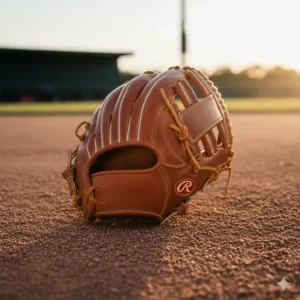
When you’re comparing prices on heart of the hide baseball gloves, understanding value factors helps you make smarter purchasing decisions. Not all $329 gloves are created equal, and sometimes that $219 model offers better value than premium-priced alternatives.
Price Tiers Explained
Budget Range ($199-$249): These represent sale models, discontinued colorways, or R2G versions of popular patterns. The PRO3039-6SH at $219.95 exemplifies exceptional value—you’re getting a traditional outfield glove with premium steerhide at 33% off simply because it’s an overstock color.
Quality-wise, these match their full-price counterparts. The discount reflects inventory management rather than compromised materials or construction. If you’re flexible on color selection, this tier offers outstanding bang for your buck.
Mid-Range Sweet Spot ($249-$289): R2G models and ContoUR designs typically fall here. The PROR314-2T at $249.95 delivers premium steerhide with 65% factory break-in—convenience that justifies slight premium over sale models. These gloves offer 95% of premium performance at 75% of premium pricing.
Premium Tier ($299-$349): Traditional Heart of the Hide models and pro player patterns command these prices. The Kris Bryant model at $329.99 represents this tier—you’re paying for specific pro patterns, traditional break-in leather that holds shape longest, and often exclusive colorways.
Value Factors Beyond Price
Leather Quality Consistency: All Heart of the Hide gloves use top 5% steerhide, regardless of price tier. A $219 sale model features identical leather quality to a $329 premium model.
Construction Standards: Every Heart of the Hide undergoes identical hand-construction processes. The craftsmen building $219 gloves are the same building $329 gloves.
Warranty Coverage: Rawlings provides 12-month manufacturer warranties on all Heart of the Hide products regardless of price. This covers defects in materials and workmanship but excludes improper break-in damage.
When to Buy: Timing Your Purchase
Best Deals (August-October): Retailers clear previous season inventory during late summer/fall. This creates 20-40% discounts on perfectly good gloves. The PRO3039-6SH dropped from $329.99 to $219.95 during this period—nothing wrong with the glove, just making room for new inventory.
Holiday Sales (November-December): Black Friday through Christmas typically offers 15-25% discounts. However, selection becomes limited as popular sizes sell out quickly.
Regular Season (March-July): Expect full retail pricing. Glove demand peaks during spring and summer when leagues are active. Discounts are rare, and inventory turns quickly.
Pro Tip: Last year’s models perform identically to current year models—the differences are typically cosmetic colorway updates. If you find 2024 models discounted in early 2025, grab them. The steerhide doesn’t care what year it is.
Where to Buy
Authorized Dealers: Sites like JustBallGloves, Baseball Express, and Dick’s Sporting Goods offer genuine Heart of the Hide gloves with full warranties. Prices are competitive, and you’re guaranteed authentic products.
Amazon Considerations: Many sellers on Amazon are authorized dealers, but verify seller credentials before purchasing. Third-party sellers sometimes offer gray-market gloves without valid warranties. Look for “Ships from and sold by Amazon.com” or verified authorized dealers.
Direct from Rawlings: Buying directly from rawlings.com guarantees authenticity and often provides customization options unavailable elsewhere. However, pricing typically runs higher than authorized retailers offering sales.
Used Market: Facebook Marketplace, eBay, and Sideline Swap feature used Heart of the Hide gloves at 40-70% discounts. Inspect carefully for lace condition, leather cracking, and pocket integrity. Well-maintained Heart of the Hide gloves retain significant value even after years of use.
Top FAQs About Heart of the Hide Baseball Gloves
❓ What makes heart of the hide baseball gloves better than regular gloves?
❓ How long does it take to break in a heart of the hide baseball gloves properly?
❓ Are heart of the hide baseball gloves worth the $219-$349 price tag?
❓ Can youth players use heart of the hide baseball gloves effectively?
❓ What's the difference between R2G and traditional heart of the hide baseball gloves?
Conclusion: Making Your Heart of the Hide Investment
After examining everything from manufacturing processes to position-specific recommendations, you’re now equipped to select the perfect heart of the hide baseball gloves for your game. Let’s recap the key decision points.
If you prioritize immediate playability and convenience, R2G models like the PROR314-2T ($249.95) or Francisco Lindor PRORFL12N ($269.95) deliver professional quality with minimal break-in frustration. These gloves prove you don’t have to sacrifice quality for convenience—you’re getting identical steerhide leather with the added benefit of factory conditioning.
Players committed to long-term ownership and willing to invest break-in effort should consider traditional models like the Kris Bryant PRORKB17C ($329.99) or 12.75″ Outfield PRO3039-6SH ($219.95). These gloves reward patience with decades of reliable performance and shape retention that surpasses even R2G alternatives.
Position matters significantly. Infielders need smaller gloves (11.25″-11.75″) with shallow pockets; outfielders require maximum size (12.5″-12.75″) with deep pockets; and specialized positions like catching and first base demand purpose-built mitts. Don’t compromise on position-appropriate sizing—it directly affects your defensive performance.
Budget consciousness doesn’t mean settling for inferior quality. That $219 outfield model uses identical leather to the $329 premium models—you’re simply getting last season’s colorway at discount pricing. Smart shoppers time purchases during August-October clearances, securing 20-40% savings on perfectly good equipment.
The bottom line: Heart of the Hide gloves represent legitimate investments in your defensive game. They’re not cheap, but they’re not expensive when you calculate cost per year of ownership. A properly maintained Heart of the Hide outlasts three generations of cheaper alternatives while maintaining superior performance throughout its lifespan.
Choose based on your position, hand size, break-in commitment, and budget. Any Heart of the Hide glove you select will outperform cheaper alternatives—the question is simply which specific model matches your needs best.
🔥 Upgrade Your Defense Today
Stop settling for average equipment when professional-quality options exist. These heart of the hide baseball gloves transform defensive performance for players serious about excellence. Click the highlighted product names throughout this guide to check current availability and secure your glove before sizes run out. Your future self will thank you for investing in quality that lasts. ⚾✨
Recommended for You
- 7 Best Retro Baseball Gloves 2025 – Authentic Vintage Style Guide
- Japanese Baseball Gloves: 7 Elite Options That Dominate 2025
- 7 Best Baseball Training Gloves 2025: Expert Guide
Disclaimer: This article contains affiliate links. If you purchase products through these links, we may earn a small commission at no additional cost to you.
✨ Found this helpful? Share it with your friends! 💬🤗
