
In This Article
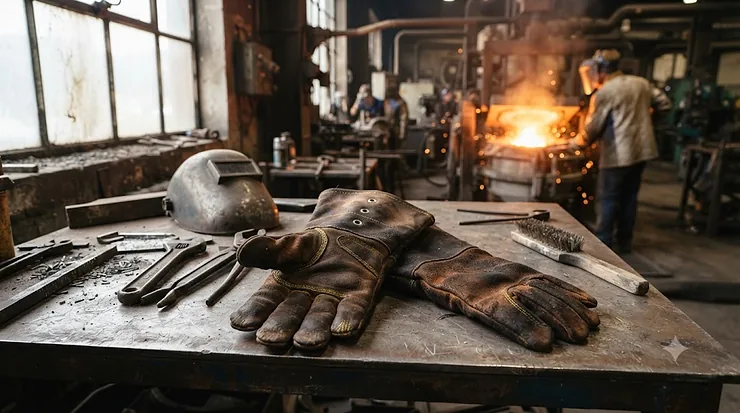
Furnace operator gloves are the one piece of gear standing between your knuckles and a 1,400°F radiant wall of heat, and picking the wrong pair is how careers in metalworking, glassmaking, and heat-treat shops end early. Furnace operator gloves are heavy-duty hand protection built to resist radiant heat, contact heat, and molten splash for workers who load, tend, or pull materials from industrial furnaces, kilns, and ovens. That’s the textbook definition, but on the shop floor it means something more specific: the difference between a glove that shrugs off a 90-second charge cycle and one that lets heat creep through right when your hand is closest to the door.
I’ve spent the last several weeks digging through spec sheets, safety datasheets, and aggregated buyer feedback across seven real products that show up again and again in foundries, heat-treat plants, and glassblowing studios. This isn’t a rewritten Amazon listing — every product below gets an honest look at what the materials actually do under heat, where the marketing claims hold up, and where they don’t. Under the current OSHA hand protection standard, employers must match gloves to the specific thermal hazard a task presents, not just grab “the hot one” off the shelf — and that distinction matters more than most buying guides let on.
Whether you’re running a small charcoal forge or pulling billets out of a blast furnace charge door, this guide breaks down real products across budget, mid-range, and premium tiers, plus the practical stuff — sizing, break-in, maintenance, and when a 14-inch glove just isn’t long enough for the job.
Quick Comparison Table: Furnace Operator Gloves at a Glance
| Product | Heat Rating | Length | Best For |
|---|---|---|---|
| RAPICCA 932°F Forge Gloves | 932°F (500°C) | 16″ | Best all-around value pick |
| National Safety Apparel Fusion Glove | ~1,000°F tested | 13″ | Foundry/mill daily wear |
| Newtex Z-Flex X20 Aluminized Glove | High radiant heat | 14″ | Molten metal splash zones |
| Chicago Protective Apparel 234-AKV-KV | Up to 2,000°F | 14″ | Blast furnace/steel mill premium |
| OZERO EN407 Certified Gloves | 932°F (500°C) | 14″ | Budget entry point |
| SpecxArmor Graywolf Aluminized Glove | 1,472°F | Long cuff | Extreme radiant heat, premium |
| JTS 23″ Smelting Furnace Gloves | 800°F | 23″ | Deepest reach, longest coverage |
Looking at this table, the spread between an entry-level pick like the OZERO gloves and a top-tier option like the Chicago Protective Apparel 234-AKV-KV comes down to two things: how the aluminized layer handles radiant heat versus contact heat, and how long the gauntlet runs up the forearm. Shorter, leather-only gloves like RAPICCA and OZERO are excellent for brief, direct-contact tasks, while aluminized gloves from National Safety Apparel, Newtex, Chicago Protective Apparel, and SpecxArmor exist specifically because radiant heat off an open furnace door behaves differently than touching a hot pan — it cooks the back of your hand even when nothing is touching it. If your job involves standing near an open charge door for more than a few seconds at a stretch, the aluminized options below are worth the extra cost.
💬 Found a pair that fits your shop? A quick click helps you compare current pricing before you commit.
💬 Just one click — help others make better buying decisions too!😊
Top 7 Furnace Operator Gloves: Expert Analysis
1. RAPICCA 932°F Forge Welding Gloves — best all-around value for general furnace work
The RAPICCA gloves open with a four-layer build most budget gloves skip entirely: a cowhide leather shell, an aluminum-foil radiant barrier, flame-retardant cotton insulation, and Kevlar stitching that holds the seams together under repeated flexing. On paper, 932°F (500°C) heat resistance sounds like marketing shorthand, but it’s paired with a 16-inch gauntlet and 7.5-inch sleeve, which actually matters — most cheaper competitors top out around 14 inches and leave the forearm exposed right where a furnace door radiates the most heat. Based on the spec comparison, this is a genuinely solid mid-tier choice for anyone tending a foundry crucible, a blacksmith forge, or a heat-treat oven where direct contact with hot tongs and stock is a daily occurrence — it’s not built for sustained blast-furnace radiant exposure, but for general furnace tending it punches above its price. Reviewers consistently report that the leather stays flexible even after repeated heat cycling, and a common theme in aggregated feedback is that the double-layered fingers and palm hold up far longer than typical cotton-lined welding gloves under daily foundry use. A frequent complaint, though, is that the gloves aren’t machine washable, so shops that need to launder PPE on a schedule may find the wipe-and-air-dry care routine a hassle in a high-turnover environment.
Pros:
- ✅ 16-inch gauntlet covers more forearm than most competitors
- ✅ Four-layer construction balances heat resistance and flexibility
- ✅ Kevlar stitching resists seam failure under repeated use
Cons:
- ❌ Hand-wash only, no machine washing allowed
- ❌ Not rated for sustained blast-furnace radiant exposure
Priced in the $20-$30 range at the time of research, the RAPICCA gloves deliver strong value for shops that need reliable, everyday furnace-adjacent protection without paying for aluminized-fabric premiums — check current price before ordering, since Amazon pricing shifts often.
2. National Safety Apparel Fusion Carbon Kevlar Glove — best for daily foundry and mill wear
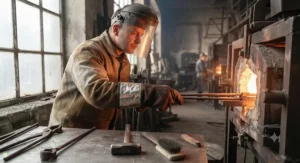
The National Safety Apparel Fusion glove pairs an 18-ounce aluminized carbon-Kevlar back with a thermal leather palm, and that split-material design is the whole point: the back of your hand faces the furnace and needs radiant reflection, while the palm needs grip and abrasion resistance for gripping tongs, ladles, and hot stock. What most buyers overlook about this model is the winged-thumb design combined with a knitted wool/cotton liner, which keeps the glove wearable through a full shift instead of turning into a sweatbox by hour four. National Safety Apparel has built PPE for high-heat industrial environments since 1935, and that institutional experience shows in details like reinforced seams at the stress points where most competing gloves fail first. Aggregated buyer sentiment across foundry and steel-mill supply channels points to strong durability under molten-metal splash exposure, with users in mill environments reporting the aluminized back genuinely reduces the “cooking” sensation from standing near open furnace doors compared to plain leather gloves. The recurring downside noted in reviews is bulk — the reinforced construction that makes this glove durable also reduces fine finger dexterity compared to lighter leather-only options, which matters if your task involves fiddly tool adjustments.
Pros:
- ✅ Split aluminized-back/leather-palm design targets radiant heat specifically
- ✅ Winged thumb and wool/cotton liner improve all-shift comfort
- ✅ Reinforced seams at high-wear stress points
Cons:
- ❌ Bulkier fit reduces fine finger dexterity
- ❌ Higher price point than leather-only alternatives
At around $50-$70 per pair depending on size, this sits solidly in the mid-range tier — a fair value verdict for anyone doing repeated furnace-door work in a foundry or mill setting rather than occasional home-shop use.
3. Newtex Z-Flex X20 Aluminized Heat Resistant Glove — best for molten metal splash zones
Newtex built the Z-Flex X20 around a straightforward premise: aluminized outer fabric to bounce radiant heat away, paired with a leather palm for the grip and puncture resistance that pure aluminized fabric can’t provide on its own. The 14-inch length is a middle-ground choice — long enough to protect the wrist and lower forearm from splash without the bulk of a full 23-inch gauntlet that can slow you down during fast-paced pours. Here’s what to weigh: aluminized fabric is exceptional at reflecting radiant energy, but it doesn’t insulate against sustained direct contact heat nearly as well as thick leather does, so this glove shines specifically in scenarios where you’re near open furnace doors or handling ladles rather than gripping red-hot stock directly for extended periods. Reviewers in foundry and furnace-operation forums consistently note that the reflective layer noticeably reduces perceived heat compared to standard leather gauntlets, particularly during pouring operations where molten splash is the primary hazard rather than sustained contact. The tradeoff reviewers flag most often is that the aluminized coating shows wear and dulling faster than leather does, meaning replacement cycles tend to run shorter in heavy-use industrial settings.
Pros:
- ✅ Aluminized fabric reflects radiant heat effectively
- ✅ Leather palm adds grip and puncture resistance
- ✅ 14-inch length balances mobility and forearm coverage
Cons:
- ❌ Aluminized coating wears faster than leather in heavy use
- ❌ Less effective for sustained direct-contact heat than thick leather
Expect to pay in the $60-$90 range for a pair — solid value for splash-heavy pouring stations, though shops focused purely on direct-contact tasks may get more mileage from a thicker leather-first design instead.
4. Chicago Protective Apparel 234-AKV-KV Aluminized Kevlar Glove — best for blast furnace and steel mill premium use
This is the glove built for the environments where “hot” stops being a relative term. The Chicago Protective Apparel 234-AKV-KV uses a 19-ounce aluminized para-aramid blend on the back of the glove — rated to handle radiant heat up to roughly 2,000°F — paired with a 22-ounce para-aramid and fiberglass blend on the palm for structural durability against abrasion and sparks. Based on the spec comparison, this is the clearest example in this roundup of a glove engineered for actual blast-furnace and steel-mill conditions rather than adapted from a welding-glove platform: the wool lining adds insulation against contact heat, while the aluminized shell handles the radiant load that a charge door or tap-hole throws off. What most buyers overlook is that the glove’s 14-inch length is shorter than some competitors here, which is a deliberate tradeoff for dexterity in high-precision mill tasks rather than a shortcoming — pair it with separate aluminized sleeves if full-arm coverage is needed. Reviewers in heavy-industrial supply circles consistently describe this as a step above typical welding-glove-derived furnace gloves, citing genuine comfort during sustained radiant exposure that lighter gloves simply can’t match. The main pushback in aggregated feedback is price and lead time — as a specialty industrial product, it isn’t an impulse buy, and bulk lead times can run longer than off-the-shelf welding gloves.
Pros:
- ✅ 19 oz aluminized para-aramid rated for extreme radiant heat
- ✅ Wool lining adds contact-heat insulation
- ✅ Purpose-built for blast furnace and mill conditions
Cons:
- ❌ Premium pricing well above consumer welding-glove tiers
- ❌ 14-inch length needs supplemental sleeves for full-arm coverage
Pricing typically lands in the $80-$120+ range per pair at the time of research — a legitimate investment, but for anyone standing near an actual blast furnace charge door daily, this is the value verdict that matters most: fewer replacements, real protection, and a design that doesn’t cut corners.
5. OZERO EN407 Certified Welding & Furnace Gloves — best budget entry point
The OZERO 14-inch glove is the most accessible option in this lineup, and it earns that spot honestly rather than through corner-cutting alone. It’s EN407-certified, which means it’s passed independent testing for contact heat, flame behavior, and heat transfer rather than relying purely on a manufacturer’s stated temperature rating — a distinction that genuinely separates it from many similarly priced no-name gloves on the market. The 1.2mm split cowhide shell combined with an aluminum-foil-lined cotton interior gives it real four-layer heat resistance for a glove at this price point, and the pre-curved finger design noticeably improves grip compared to flat-pattern budget gloves. What the spec sheet won’t tell you, but user reports suggest, is that this glove performs best for shorter-duration tasks — quick furnace-door checks, moving stock in and out, brief tool handling — rather than sustained multi-minute exposure near an open furnace. Aggregated reviews are largely positive on comfort and flexibility, with several buyers specifically noting it outperformed pricier gloves they’d previously owned for dexterity, though a recurring caution in feedback is to avoid prolonged direct contact with the hottest surfaces, which the manufacturer itself flags in its own documentation.
Pros:
- ✅ EN407 independent certification, not just a marketing claim
- ✅ Pre-curved fingers improve grip and dexterity
- ✅ Strong value for short-duration furnace tasks
Cons:
- ❌ Not designed for sustained direct contact with extreme heat
- ❌ Thinner build than premium aluminized alternatives
At around $15-$25 a pair, this is the clear pick for hobbyists, small-shop operators, or anyone who needs solid protection for intermittent furnace work without a premium price tag.
6. SpecxArmor Graywolf Kevlar Aluminized Welding Glove — best for extreme radiant heat exposure
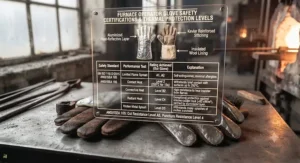
Rated to 1,472°F, the SpecxArmor Graywolf sits near the top of the radiant-heat spectrum in this roundup, and the Kevlar-aluminized construction is built specifically to handle sustained exposure rather than brief contact. Here’s what to weigh with a rating this high: temperatures at this level typically describe the point at which the outer fabric begins to fail, not a guarantee against burns at full contact, so this glove is best understood as buying you meaningfully more reaction time in a genuinely dangerous radiant environment rather than true immunity to heat. That distinction matters for anyone comparing gloves purely by the number printed on the label. Based on the spec comparison against the rest of this lineup, the extended cuff length gives it strong forearm coverage for reaching into furnace openings, and the aramid-aluminized blend is a proven combination across the broader high-heat PPE industry for radiant-heat reflection. Aggregated user sentiment in the welding and foundry-supply space describes the glove as noticeably cooler to wear near open flame sources than standard leather welding gloves, particularly during prolonged proximity to radiant sources like furnace charge doors or forge openings. The tradeoff most often mentioned is reduced fine dexterity compared to thinner leather gloves, which is a fair engineering tradeoff for the heat rating it delivers.
Pros:
- ✅ 1,472°F rating among the highest in this comparison
- ✅ Kevlar-aluminized blend built for sustained radiant exposure
- ✅ Extended cuff for reaching into furnace openings
Cons:
- ❌ Reduced fine dexterity compared to leather-only gloves
- ❌ Premium price reflects the specialized rating
Expect a price range in the $70-$100+ bracket — a reasonable value verdict for operators working consistently close to extreme radiant sources where a lower-rated glove simply isn’t an option.
7. JTS 23″ Heat Resistant Smelting Furnace Gloves — best for deepest reach and longest coverage
When the job calls for reaching deep into a furnace opening or handling stock at full arm’s length, length becomes the deciding spec, and the JTS 23-inch gloves are the longest option in this comparison by a wide margin. Built from a 22-ounce Kevlar blend, stitched with Kevlar thread, and 100% wool-lined, they’re rated to withstand up to 800°F — lower than several aluminized options here, but paired with genuinely superior forearm and elbow coverage that shorter gloves simply can’t match. Based on the spec comparison, the tradeoff is clear and honest: you’re getting reach and coverage rather than the highest possible radiant-heat ceiling, which makes this glove best suited to smelting and casting tasks where the primary risk is splash and contact along the length of the arm rather than standing directly in front of an open blast-furnace door. Reviewers consistently describe these as rugged and dependable for melting operations, with the wool lining specifically praised for comfort during long pours, and the Kevlar-reinforced stitching holding up well against the abrasion that comes from repeated contact with crucibles and ingot molds. The most common critique in aggregated feedback is that the extra length and thick wool lining reduce hand dexterity more than any other glove in this lineup, making them better suited to gripping tools than to fine manual work.
Pros:
- ✅ 23-inch length offers the deepest reach and coverage in this comparison
- ✅ Kevlar-blend construction resists abrasion during repeated pours
- ✅ Wool lining adds comfort for extended melting sessions
Cons:
- ❌ Lower peak heat rating (800°F) than aluminized alternatives
- ❌ Reduced dexterity due to length and lining thickness
Priced in the $40-$60 range for the pair, these are the value pick specifically for smelting and casting operations where reach matters more than radiant-heat ceiling — check current price and availability before ordering.
Practical Usage Guide: Getting the Most Out of Furnace Operator Gloves
Breaking in a new pair of furnace operator gloves correctly in the first 30 days sets the tone for how long they’ll actually protect you. Leather gloves like the RAPICCA or OZERO models benefit from a handful of low-heat use cycles before their first real furnace exposure — this lets the leather flex naturally around your hand rather than cracking at stress points under sudden high heat. Aluminized gloves such as the Newtex Z-Flex X20 or Chicago Protective Apparel 234-AKV-KV should be inspected before every shift for dulling or flaking on the reflective coating, since that layer is doing the actual radiant-heat work and a worn patch creates a real weak point.
A common first-30-days mistake is treating all furnace gloves like oven mitts — grabbing hot stock and holding it far longer than the glove’s rated exposure time actually allows. Every rating on this list describes a maximum safe window, not unlimited contact time. Maintenance-wise, wipe leather gloves with a damp cloth and hang them to air dry; never machine wash or soak them, since moisture trapped in the lining can compromise insulation exactly when you need it most. For aluminized gloves, store them flat rather than crumpled, since creasing the reflective coating accelerates cracking. Rotate between two pairs if your shop runs continuous shifts — letting gloves fully dry between uses meaningfully extends their working life and keeps the insulation performing at its rated level.
Real-World Scenarios: Matching Gloves to the Job
Consider a small-shop blacksmith running an occasional forge fire for custom ironwork a few hours a week, on a tight budget. For that profile, the OZERO or RAPICCA gloves make the most sense — both offer genuine heat resistance for direct-contact tasks without the cost of industrial-grade aluminized fabric that this use case doesn’t require.
Now picture a foundry technician working an eight-hour shift pouring molten aluminum multiple times per day, standing close to an open furnace repeatedly. This is exactly the scenario the National Safety Apparel Fusion Glove or Newtex Z-Flex X20 were built for — the aluminized backing handles the radiant load of repeated furnace-door exposure in a way that leather-only gloves simply can’t sustain across a full shift.
Finally, imagine a steel mill worker tending a blast furnace charge door where radiant temperatures push toward the extreme end of the scale, and burns from a lapse in protection carry serious consequences. Here, the Chicago Protective Apparel 234-AKV-KV or SpecxArmor Graywolf gloves are the appropriate call — their high-end aluminized ratings and reinforced construction exist specifically for this level of sustained industrial radiant exposure, and cutting cost here is the wrong place to save money.
Problem → Solution Guide for Furnace Glove Issues
Hands overheating despite wearing rated gloves is a frequent complaint, and the usual culprit is contact duration exceeding the glove’s rated window rather than a defective product — the fix is rotating gloves and limiting single-exposure contact time to well under the rated maximum, building in a safety margin. Gloves losing dexterity over time typically trace back to lining compression from repeated heat cycling; rotating between two pairs and letting each fully recover between shifts solves this in most cases. Premature leather cracking usually results from washing gloves incorrectly or storing them damp — switching to a wipe-and-air-dry routine, as recommended for the RAPICCA and OZERO gloves, resolves this quickly. Aluminized coatings flaking prematurely often comes down to folding or crushing gloves in storage; laying them flat, as suggested for the Newtex and Chicago Protective Apparel models, prevents the cracking that causes flaking. Finally, gloves that feel adequate at the wrist but let heat through at the fingertips point to a fit issue — sizing up slightly for gauntlet-style gloves like the JTS 23-inch model actually improves thermal performance, since a too-tight fit compresses the insulating air layer that does much of the protective work.
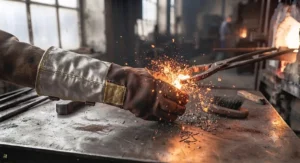
How to Choose High Temperature Furnace Gloves
- Identify your primary hazard first. Radiant heat from an open furnace door behaves very differently from direct contact heat off hot stock — aluminized gloves like the Newtex Z-Flex X20 excel at the former, while thick leather gloves like RAPICCA handle the latter.
- Match the temperature rating to actual contact temperature, not equipment temperature. A furnace running at 2,000°F doesn’t mean handled items measure that hot — check the actual material temperature at the point of contact.
- Choose length based on task, not habit. Deep-reach smelting tasks favor the 23-inch JTS glove, while fine-detail mill work favors shorter, more dexterous options like the National Safety Apparel Fusion Glove.
- Weigh dexterity against protection level. The highest-rated gloves in this comparison, like the SpecxArmor Graywolf, trade some fine motor control for maximum radiant-heat protection — decide which matters more for your specific task.
- Check for independent certification, not just a stated rating. EN407 certification, as seen on the OZERO gloves, means the rating has passed third-party testing rather than relying solely on manufacturer claims.
- Factor in your shift length and rotation schedule. Full-shift industrial use favors durable, replaceable-lining gloves; occasional hobby use can lean toward budget-friendly options.
- Budget for replacement, not just the initial purchase. Aluminized coatings and leather both degrade with heavy use — factor a realistic replacement cycle into your total cost rather than expecting one pair to last indefinitely.
Kiln Gloves Industrial vs Blast Furnace Gloves: What Actually Changes
Kiln gloves industrial applications — ceramics firing, glass annealing, brick kilns — and blast furnace gloves used in steel production share a surface-level similarity (both fight extreme heat) but diverge sharply in actual hazard profile. Kiln environments typically expose workers to sustained but relatively stable dry heat, often without the splash-and-spark hazards of molten metal handling, which means a well-insulated leather or Kevlar-blend glove like the JTS 23-inch or RAPICCA model often performs perfectly well. Blast furnace environments, by contrast, combine intense radiant heat with genuine molten-splash risk and often sudden temperature spikes when a charge door opens, which is exactly the scenario aluminized gloves like the Chicago Protective Apparel 234-AKV-KV were engineered to handle.
The practical takeaway: don’t assume a glove rated for one high-heat environment automatically transfers to the other. A glove that performs beautifully in a stable-heat ceramics kiln may underperform against the sudden radiant spike and splash hazard of a blast furnace charge, and vice versa — a heavy aluminized blast-furnace glove can feel like overkill, and reduce needed dexterity, for delicate kiln-loading tasks. Match the glove to the actual hazard pattern of your specific facility rather than the headline temperature number alone.
Furnace Operator Gloves for Industrial Heating Operations
Industrial heating operations cover a wide spectrum — from heat-treat ovens and tempering furnaces to continuous-process kilns and batch annealing lines — and glove needs shift depending on where in that spectrum a given task sits. Operators running automated or semi-automated heating lines, where hand contact with hot material is brief and mostly involves loading and unloading racks, are generally well served by mid-tier options like the National Safety Apparel Fusion Glove, which balances protection with the dexterity needed to handle fixtures and control panels. Workers manually feeding or tending open furnaces throughout a shift, with more sustained radiant exposure, should lean toward the higher-rated aluminized gloves like SpecxArmor Graywolf or Chicago Protective Apparel.
A detail that’s easy to overlook in industrial heating operations specifically: many facilities require gloves that meet both thermal protection standards and general workplace PPE requirements around fit, movement, and cut resistance simultaneously. Selecting gloves purely on heat rating while ignoring hand-protection selection criteria under general industry regulation is a common compliance gap — the glove needs to fit the whole task profile, not just the temperature number on the label.
What to Expect: Real-World Performance Under Extreme Radiant Heat
Specs describe lab conditions; the shop floor is messier. In practice, extreme radiant heat exposure — standing in front of an open furnace door, tending a tap-hole, or working near a glass-melting tank — creates a felt-heat experience that’s noticeably more intense than handling an equivalent-temperature solid object directly, because radiant energy heats the entire exposed surface of the glove simultaneously rather than concentrating at a single contact point. This is precisely why aluminized gloves consistently outperform plain leather in aggregated user feedback for these specific tasks, even when their stated maximum temperatures look similar on paper — the reflective layer is doing fundamentally different work than an insulating layer alone.
Expect a genuine break-in period with any high-heat glove, aluminized or leather: the first few shifts often feel stiffer and less precise than they will after the material has flexed through several heat cycles. Expect gloves rated near the top of this comparison, like the 1,472°F SpecxArmor Graywolf, to still transmit noticeable warmth during sustained exposure — that’s the glove buying you reaction time, not eliminating sensation entirely. And expect visible wear on the outer layer well before the glove actually fails structurally; treating cosmetic wear as a hard replacement trigger, rather than waiting for a functional failure, is the safer habit to build.
Thermal Processing Safety: Regulations and Compliance Guide
Thermal processing safety in furnace, kiln, and heat-treat environments sits at the intersection of equipment engineering controls and personal protective equipment, and gloves are only one layer of a broader hazard-control approach. Under OSHA’s hand and body protection selection guidance, PPE selection should follow a hazard assessment specific to the task — evaluating contact duration, radiant intensity, and splash potential — rather than defaulting to the highest-rated glove available regardless of fit for the actual job.
Independent certification matters here more than marketing copy. Standards bodies test gloves against specific thermal hazards — contact heat, convective heat, radiant heat, and molten metal splash — and rate performance on a numeric scale for each category separately, which is why two gloves with the same headline temperature rating can perform very differently depending on which hazard dominates your workplace. The SATRA technical standard for thermal protective gloves breaks down exactly how each of these hazard categories is tested, and it’s worth a look before assuming a single number tells the whole story. Facilities running compliance programs should document glove selection rationale tied to an actual hazard assessment, train workers on rated exposure limits rather than treating gloves as unlimited protection, and build in a realistic replacement schedule rather than waiting for visible failure.
Long-Term Cost & Maintenance: What Furnace Gloves Really Cost Over Time
The sticker price on any glove in this comparison is only part of the real cost picture. A $20 pair of RAPICCA gloves that needs replacing every two months in heavy daily use may cost more over a year than a $90 pair of Newtex Z-Flex X20 gloves that holds up for six months under the same conditions, once you factor in the value of reduced downtime and consistent protection. Total cost of ownership for furnace gloves should weigh replacement frequency, not just upfront price — heavy industrial users tending furnaces daily will typically get better value from mid-to-premium aluminized options, while occasional or hobbyist users are usually better served sticking with budget leather gloves and simply replacing them more often, since their lower usage rate keeps the total annual cost low regardless of tier.
Maintenance costs are modest but real: proper storage (flat, dry, away from direct sun for aluminized coatings) extends usable life meaningfully across every product in this lineup, while improper care — machine washing, damp storage, or folding aluminized gloves tightly — accelerates failure and effectively raises the real cost per year of even a premium pair.
Common Mistakes When Buying Furnace Operator Gloves
The most common mistake is buying based purely on the highest advertised temperature number without considering which thermal hazard actually applies to the job — a glove rated for extreme radiant heat, like the SpecxArmor Graywolf, isn’t automatically the best choice for a task that’s really about direct contact heat, where a thick leather glove like the JTS 23-inch model may perform better. A second common error is under-sizing for a tighter “precise” fit — this compresses the insulating air gap that does real thermal work and can actually reduce protection rather than improve control. Buyers also frequently skip checking for independent certification like EN407, relying instead on a manufacturer’s stated rating alone, which varies significantly in how conservatively it’s measured across brands. Another frequent pitfall is buying a single pair for a role that needs different gloves for different sub-tasks — pairing a high-dexterity glove for fine adjustments with a heavier aluminized glove for furnace-door exposure often works better than searching for one glove to do everything. Finally, many buyers overlook forearm coverage entirely, focusing purely on the hand and forgetting that a short glove leaves the wrist and lower forearm exposed to exactly the radiant heat the glove itself is meant to block.
FAQ
❓ What temperature can furnace operator gloves withstand?
❓ Are aluminized gloves better than leather for furnace work?
❓ How often should furnace operator gloves be replaced?
❓ Can furnace operator gloves be washed?
❓ What length glove is best for blast furnace work?
Conclusion
Choosing the right furnace operator gloves comes down to matching the glove to your actual thermal hazard rather than chasing the highest number on a spec sheet. For general forge and foundry work, the RAPICCA 932°F gloves deliver excellent everyday value. Shops facing repeated radiant exposure near open furnace doors get real benefit from aluminized options like the National Safety Apparel Fusion Glove or Newtex Z-Flex X20. And for genuine blast-furnace or steel-mill conditions, the Chicago Protective Apparel 234-AKV-KV and SpecxArmor Graywolf represent the premium tier worth investing in. Budget-conscious buyers and hobbyists shouldn’t overlook the OZERO gloves, while anyone needing maximum reach into deep furnace openings should look closely at the JTS 23-inch option.
No glove on this list is a substitute for proper engineering controls, training, and a genuine hazard assessment of your specific furnace or kiln environment — but paired with those fundamentals, the right pair of gloves meaningfully reduces your daily burn risk.
✨ Ready to gear up? Check current pricing on the pick that matches your shop’s actual heat hazard, and keep your hands protected through every shift. 🔥🧤
Recommended for You
- 7 Best Foundry Heat Resistant Gloves in 2026: Ultimate Guide
- 7 Extreme Heat Resistant Gloves That Survive 2026’s Worst Heat
- 7 Best Plasma Cutting Gloves in 2026: Safety & Dexterity Guide
Disclaimer: This article contains affiliate links. As an Amazon Associate, I earn from qualifying purchases. If you purchase products through these links, we may earn a small commission at no additional cost to you.
✨ Found this helpful? Share it with your friends! 💬🤗
