
In This Article
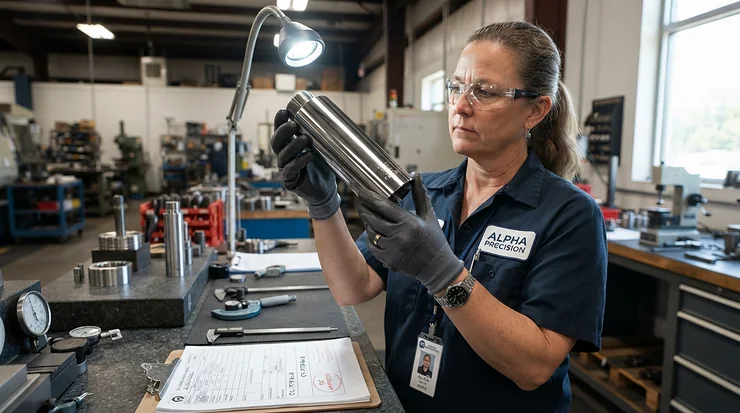
Anyone who has fumbled a greasy bearing, a slick hydraulic fitting, or a freshly stamped, oil-misted bracket knows the feeling. Your fingers stop negotiating and start surrendering. The part slides, you squeeze harder, and by lunch your forearms feel like you’ve been arm-wrestling a transmission.
That is the job nitrile coated gloves for oil and grease resistance were built to do. A knit liner supplies comfort and structure, and a dipped layer of nitrile rubber supplies the oil resistance. Nitrile is a synthetic rubber known for standing up to oils and fuels, which is why it ends up in gaskets, hoses, and seals as well as gloves.
Here’s the catch, though. “Oil resistant” on a package can mean anything from “survives a light mist” to “handles a daily dunk.” Cut ratings, abrasion levels, coating styles, and liner gauges all change what a pair does for you in practice. I researched seven real, widely distributed models across budget, mid-range, and premium tiers. I compared their published specs and what distributors and manufacturers actually claim. Then I translated those numbers into what they mean at the bench, on the line, and under the car.
Prices below are ranges, never exact figures, because they shift constantly. Check current pricing on the listing before you buy.
Quick Comparison Table: The Seven Picks at a Glance
| Glove | Coating Style | Best For | Standout Rating or Spec (per listings) | Price Range per Pair |
|---|---|---|---|---|
| SHOWA 4000P | Smooth nitrile dip, cotton interlock | Light assembly, shipping, high-turnover budgets | Oil and grease resistant; two-piece interlock lining | Around $4–$8 |
| SHOWA Atlas 380 | Foamed nitrile, waffle pattern | Fine handling of oily small parts | 13-gauge seamless liner | Around $3–$6 |
| SHOWA Atlas 350 | Nitrile palm dip, open back | General maintenance, breathable all-day wear | ANSI abrasion 4, puncture 3 listed | Around $4–$7 |
| SHOWA 383 | Nitrile foam, polyester shell | Wet and oily grip on a budget | Marketed for oil and wet resistance | Around $4–$9 |
| Ansell HyFlex 11-849 | Nitrile foam, nylon-spandex | Precision work in dry or slightly oily conditions | ANSI/ISEA 105-2024 listed | Around $6–$12 |
| Ergodyne ProFlex 7031 | Sandy nitrile, HPPE knit | Oily parts with sharp edges | ANSI A3 cut, abrasion 4 | Around $6–$10 |
| Superior Glove Chemstop N9B | Full nitrile coat, cotton jersey | Heavy lubricant exposure | Resists grease and oil; full coverage | Around $6–$10 |
Looking at the comparison above, the SHOWA 4000P and SHOWA Atlas 380 are the clear value plays if you go through gloves quickly. The Ergodyne ProFlex 7031 is the only one here with a verified mid-level cut rating, so it earns its higher price if sharp metal is involved. The Superior Glove Chemstop N9B gives up breathability for full-hand coverage, which is exactly the trade you want if your gloves routinely touch fluid.
💬 Just one click — help others make better buying decisions too!😊
Top 7 Nitrile Coated Gloves for Oil and Grease Resistance: Expert Analysis
A note on method. I could not verify a meaningful pool of aggregated customer reviews for most of these exact models, so I describe what is verifiable and don’t characterize sentiment I can’t see. The analysis comes from published specs, distributor descriptions, and standards.
1. SHOWA 4000P — budget cotton-lined workhorse for light assembly
The SHOWA 4000P doesn’t pretend to be anything fancy. It’s a cotton glove with a nitrile dip, and it does that job without drama. According to distributor specs, the nitrile covers the palm, fingers, and knuckles. It’s backed by a two-piece interlock knit lining and a knit wrist. In practice, that means the zones touching oily parts are sealed, while the cotton underneath soaks up sweat, which matters over a full shift.
Listings position it for assembly, inspection, shipping and receiving, light fabrication, and material handling. Read that as “great around slick parts, unproven around sharp ones.” The spec sheet lists oil, grease, abrasion, and puncture resistance but publishes no cut level I could verify. Based on the spec comparison, this is the glove for shops that burn through pairs and want a low-risk baseline.
On reviews: I couldn’t verify enough aggregated feedback to characterize this model, so test a small pack before you commit to a case.
Pros:
- ✅ Nitrile covers palm, fingers, and knuckles
- ✅ Cotton interlock lining absorbs sweat
- ✅ Low cost per pair for high-turnover jobs
Cons:
- ❌ No verified cut rating on the listing
- ❌ Cotton liner can wick fluid if coating is breached
Around $4–$8 per pair, depending on the pack size and seller. It’s solid value if your hazards are oil and abrasion rather than blades.
2. SHOWA Atlas 380 — waffle-pattern foam for fine handling
The SHOWA Atlas 380 is a foamed-nitrile glove, and foam changes how it feels. Instead of a solid film, the coating has a micro-cellular texture that holds a little lubricant in its pores. That gives the fingertips something to bite with, even when a bolt is slick. A distributor description cites a patented waffle pattern, a palm-dipped ergonomic shape, and a seamless 13-gauge knit liner.
That 13-gauge detail is the real story. A finer liner means thinner fabric, more finger feel, and less fatigue when you’re threading small fasteners. What the spec sheet won’t tell you is how the foam behaves when saturated, and that’s the honest limit here. Foam nitrile is generally a light-to-moderate oil solution, not a dunk-it-in-the-parts-washer one. I’d steer this glove toward electronics-adjacent assembly, small-engine work, and anywhere you need dexterity first and heavy fluid contact second.
On reviews: I found no reliable aggregated review set for this model during research, so I won’t put words in anyone’s mouth.
Pros:
- ✅ Foamed nitrile with a textured waffle pattern
- ✅ Thin 13-gauge liner preserves finger feel
- ✅ Competitive per-pair cost in bulk
Cons:
- ❌ Foam is better for light oil than saturation
- ❌ Thin build means less coating to wear through
Around $3–$6 per pair. Strong value for precision work, weaker for rough, wet, heavy handling.
3. SHOWA Atlas 350 — breathable oil-resistant all-rounder
The SHOWA Atlas 350 is the “get on with it” glove. Distributors describe a 10-gauge nitrile palm coating on a cotton-polyester liner with an open back and an elasticated wrist cuff. They also pitch it for grip when handling small parts and heavy objects in wet or oily environments.
The open back deserves a second look. Less fabric covering the back of your hand means less trapped sweat, and a sweaty hand slipping inside the glove defeats the grip you bought. The coating handles the outside, and the airflow handles the inside. Listings show EN 388 2142 and ANSI abrasion 4 with puncture 3, though some distributors break down individual levels differently and cut levels vary by listing. Check the datasheet for your exact size before assuming a cut rating.
On reviews: no verifiable aggregated feedback turned up for this exact model, so treat the claims above as manufacturer positioning.
Pros:
- ✅ Open-back design reduces sweat buildup
- ✅ Nitrile palm tuned for wet and oily grip
- ✅ Wide size range from small to extra large
Cons:
- ❌ Listed cut levels vary across distributors
- ❌ Coating covers the palm only, not the back
Around $4–$7 per pair. A smart default for maintenance crews who want one glove for most jobs.
4. SHOWA 383 — wet and oily grip without the premium tag
The SHOWA 383 is a polyester-shelled, nitrile-foam glove, and its standout is the pairing of grip and wet resistance. Retailer descriptions highlight “grip and abrasion resistance, oil resistant, wet resistance,” along with grip in both wet and dry conditions.
Foam nitrile on a polyester shell is a sensible combination for slick work. Polyester doesn’t swell or sag the way cotton can, and foam coatings are typically chosen specifically when surfaces are damp or lightly oiled. Based on the spec comparison, the SHOWA 383 is the glove to consider when your hazard is slipperiness more than sharpness, such as sorting oily parts, handling coated sheet goods, or moving components along a line. It’s a general-handling glove, not a cut-protection one, and listings don’t publish a cut rating I could verify.
On reviews: aggregated sentiment couldn’t be verified in my research. If you’re ordering a large pack, buy one sleeve first and wear it through a real shift.
Pros:
- ✅ Nitrile foam coating for wet and dry grip
- ✅ Polyester shell resists soaking up fluid
- ✅ Marketed explicitly for oily work
Cons:
- ❌ No verified cut level on listings
- ❌ Foam wears faster than a dense nitrile dip
Around $4–$9 per pair. Good value when slipperiness is your main enemy.
5. Ansell HyFlex 11-849 — premium second-skin feel with a grip upgrade
The Ansell HyFlex 11-849 sits at the premium end of this list. Retailer listings describe a black nylon-spandex glove with a nitrile-foam coating that uses Ansell’s FORTIX abrasion-resistance technology. They also cite “2x more grip” for dry or slightly oily conditions and list CE EN 388:2016, ANSI/ISEA 105-2024, and EN 407 approvals.
Notice the wording: slightly oily. That’s honest, and it’s a useful boundary. This is a precision glove for people who need to feel what they’re holding while a little oil is in play, such as automotive assembly or light machining. It is not a lubricant-soaking glove. The nylon-spandex liner gives the second-skin fit that reduces fatigue over long wear, and the 2024 ANSI listing suggests it’s marked to the current standard.
On reviews: I couldn’t verify a pool of aggregated reviews for this exact model. Ansell’s HyFlex line is widely distributed, but a family name isn’t a substitute for model-level feedback.
Pros:
- ✅ Marked to ANSI/ISEA 105-2024 on listings
- ✅ Thin, flexible nylon-spandex liner
- ✅ Strong dexterity for precision handling
Cons:
- ❌ Aimed at slightly oily, not soaked, conditions
- ❌ Higher price than basic dipped gloves
Around $6–$12 per pair. Worth it if finger feel drives your productivity.
6. Ergodyne ProFlex 7031 — sandy nitrile with real cut protection
The Ergodyne ProFlex 7031 is the one to pick when oily parts also have edges. Retail specs list an ANSI A3 cut level, ANSI abrasion level 4, and a 13-gauge HPPE nylon-spandex knit. It has a sandy nitrile coating on the palms and thumbs, plus a long knit cuff that helps keep debris out.
“Sandy” is the key word. A sandy finish adds microscopic texture on top of the nitrile, giving your grip a rough surface to hold onto even through a film of oil. Pair that with A3 cut resistance and you get a glove that suits stamped metal, sheet stock, and machined parts that are both slick and sharp. One listing also notes it’s machine washable, which stretches its working life. Ergodyne’s sibling model, the ProFlex 7001, is marketed for light oil, but the ProFlex 7031 is the one carrying the A3 cut rating.
On reviews: I couldn’t verify an aggregated review set for this model, so rely on the published ratings.
Pros:
- ✅ ANSI A3 cut resistance with abrasion level 4
- ✅ Sandy nitrile palm and thumb grip
- ✅ Long knit cuff keeps debris out
Cons:
- ❌ Palm-and-thumb coating, not full coverage
- ❌ Sandy texture trades some fingertip sensitivity
Around $6–$10 per pair. The best choice here for oily, sharp-edged work.
7. Superior Glove Chemstop N9B — full nitrile coat for heavy lubricant contact
The Superior Glove Chemstop N9B is the blunt instrument, and I mean that kindly. It’s a cut-and-sewn cotton jersey glove with a full nitrile coating and a band-top safety cuff. It’s listed as resisting abrasion, cut, grease, and oil, and the retail copy says nitrile resists oils, fuels, and many organic solvents.
Full coverage changes the game. Palm-dipped gloves leave the back of your hand exposed, so fluid dripping down a part can run into your cuff. A fully coated glove blocks that path, which matters when you’re reaching into a pan of oil, handling freshly lubricated components, or cleaning equipment. The cotton jersey absorbs sweat, though the full coat reduces breathability, so expect warm hands in a hot shop. A heavier sibling, the Chemstop N93/4B, lists ANSI puncture level 2 and abrasion level 3, with a gauntlet cuff and 3/4 coating.
On reviews: I couldn’t verify aggregated customer feedback for the Chemstop N9B, so base your decision on the coverage and the published claims.
Pros:
- ✅ Full nitrile coating blocks fluid entry
- ✅ Band-top cuff keeps drips out
- ✅ Cotton jersey support absorbs sweat
Cons:
- ❌ Full coating reduces breathability
- ❌ Stiffer feel than thin foam gloves
Around $6–$10 per pair, based on dozen-pack pricing at some industrial suppliers. Strong value for genuine fluid contact.
Spec Showdown: How the Seven Compare Side by Side
| Glove | Liner | Coverage | Verified Rating Signals | Best For |
|---|---|---|---|---|
| SHOWA 4000P | Cotton interlock | Palm, fingers, knuckles | Oil, grease, puncture, abrasion claims | Budget light assembly |
| SHOWA Atlas 380 | 13-gauge knit | Palm | Abrasion-resistant claim | Fine, oily parts |
| SHOWA Atlas 350 | Cotton/polyester, 10-gauge | Palm | ANSI abrasion 4, puncture 3 | All-round maintenance |
| SHOWA 383 | Polyester | Palm | Oil and wet resistance claims | Slippery handling |
| Ansell HyFlex 11-849 | Nylon-spandex | Palm | ANSI/ISEA 105-2024 listed | Precision work |
| Ergodyne ProFlex 7031 | 13-gauge HPPE blend | Palm and thumb | ANSI A3 cut, abrasion 4 | Oily, sharp parts |
| Superior Glove Chemstop N9B | Cotton jersey | Full coat | Grease and oil resistance claims | Heavy lubricant contact |
The big divider is coverage, not brand. Palm-coated models like the SHOWA Atlas 350 and Ansell HyFlex 11-849 breathe better, while the full-coat Superior Glove Chemstop N9B protects more skin from fluid. If sharp metal is part of your day, the Ergodyne ProFlex 7031 is the only pick here with a verified mid-level cut rating, which makes it the safest bet for oily edges.
Practical Usage Guide: Getting a Good 30 Days Out of Your Gloves
Size honestly. Too loose and the liner slips against the coating, which cancels your grip. Too tight and your hand fatigues faster. Gloves should feel snug without pinching at the knuckles.
Break them in on easy jobs. Foam and sandy coatings loosen up after a few hours of wear. Save the first pair for lighter tasks so you can learn how it behaves before a demanding shift.
Rotate two pairs. Lubricants soak into liners over a shift. Swapping pairs mid-day lets one dry out, and that extends the working life of both. If the care label permits washing, follow it exactly. One listing notes the Ergodyne ProFlex 7031 is machine washable, but always confirm for your model.
Inspect before you grip. Look for cracked coating, thin spots over the fingertips, or liner showing through. Once the coating is worn through, oil reaches the knit and the glove stops doing its job.
Keep solvents separate. Nitrile resists oils well, but it can be attacked by ketones, esters, and aldehydes. If your task involves harsher chemistry, nitrile coated gloves for oil and grease resistance are not the right tool, and a dedicated chemical-resistant glove is.
Avoid the first-month mistakes. The common ones are using a thin foam glove for a saturated task, ignoring cuff gaps where fluid runs in, and keeping a worn pair “one more week.” A pair that peels at the thumb isn’t saving you money.

Real-World Scenarios: Three Buyers, Three Pairs
These are illustrative composites, not testimonials.
The weekend mechanic. A hobbyist changing oil and swapping brake components wants finger feel and a little oil tolerance without paying industrial prices. The Ansell HyFlex 11-849 suits small fasteners and light oil, while the SHOWA Atlas 380 gets you a similar foam-nitrile approach for less. Budget is the tiebreaker, and frequency of use is low, so durability matters less than feel.
The metal-stamping line worker. Eight hours a day, parts coming off presses slick with drawing oil, edges sharp enough to nick a bare thumb. Cut protection plus grip is the priority, which points straight at the Ergodyne ProFlex 7031 and its A3 rating. The sandy nitrile holds oily steel, and the long cuff keeps swarf and debris out.
The plant maintenance tech. Hydraulic lines, gear cases, and lubricated machinery mean frequent hand-in-fluid contact. Here, the full-coat Superior Glove Chemstop N9B earns its keep, because dripping fluid has nowhere to run into the glove. A second, lighter pair like the SHOWA Atlas 350 handles the dry portions of the job.
What Are Nitrile Coated Gloves for Oil and Grease Resistance?
Nitrile coated gloves for oil and grease resistance are fabric or knit gloves whose palm and fingers are dipped in nitrile rubber, a synthetic copolymer of acrylonitrile and butadiene. The coating repels petroleum oils and many greases, protects the liner underneath, and keeps your grip steadier on slick parts than uncoated cotton or leather would.
That grip comes from chemistry. The acrylonitrile in nitrile is polar, which is why it resists non-polar oils and fuels. According to technical glossaries, higher acrylonitrile content improves oil resistance but lowers flexibility, which explains why very oil-proof formulations can feel stiffer. It’s a classic engineering trade-off: more protection, less bend.
What the coating does not do is turn the glove into a chemical-proof barrier. A dipped palm protects the palm, and the knit back and cuff remain porous. Think of it as a raincoat with a waterproof front and a mesh back. Brilliant for the jobs it fits, and misleading if you stretch it beyond that.
How to Choose Nitrile Coated Gloves for Oil and Grease Resistance
- Define the fluid contact. Light mist, regular touch, or full immersion? Mist favors foam, immersion favors full coverage.
- Pick your coverage. Palm-only breathes better, while full-coat blocks fluid from running down your wrist.
- Decode the ratings. The ANSI/ISEA 105-2024 label combines cut, abrasion, and puncture levels, for example “Cut A5 / Abrasion 4 / Puncture 3,” as explained in this ANSI/ISEA 105-2024 guide. Match the numbers to your hazards instead of buying the highest ones.
- Match the liner to the job. Cotton absorbs sweat, nylon-spandex gives a second-skin fit, and HPPE blends add cut resistance.
- Choose the coating texture. Foam suits light oil, sandy suits rough or heavy handling, and smooth suits dry precision.
- Check the gauge. Higher gauge numbers mean thinner liners, which means more finger feel and less bulk.
- Test the fit. Order one sleeve first. Grip you can’t feel isn’t grip.
Grip Coated Work Gloves: Foam, Sandy, or Smooth?
Grip coated work gloves come in three broad finishes, and the finish matters more than the brand name.
Foam nitrile, found on the SHOWA Atlas 380, SHOWA 383, and Ansell HyFlex 11-849, has a porous surface that gives light-oil grip and dexterity. Sandy nitrile, like the finish on the Ergodyne ProFlex 7031, adds a rough texture for demanding handling. Smooth nitrile, as on the SHOWA 4000P, is the simplest option, easy to wipe and economical, though it grips less aggressively.
Here’s the practical rule. If a part feels greasy rather than damp, step up in texture. If the job demands tiny movements, step down in thickness. One caution: “grip” is a manufacturer claim, not a standardized score. Distributors describe grip qualitatively, so treat any “2x more grip” statement as marketing relative to some unspecified baseline until you test it yourself.
Grease-Proof Hand Protection: What “Grease-Proof” Really Means
Grease-proof hand protection sounds absolute, but it’s a spectrum. A nitrile dip resists grease and oil on contact, meaning the coating won’t swell, soften, or dissolve in the way some other coatings might. It does not mean a hand can sit in grease indefinitely without risk.
Three things decide how “grease-proof” a glove actually is. First, coverage: a full coat like the Superior Glove Chemstop N9B leaves far fewer entry points than a palm dip. Second, coating integrity: scratches and cracks let grease reach the liner. Third, cuff design: a band top or snug knit wrist keeps grease from creeping in at the opening.
So when a listing promises grease resistance, ask where on the glove. If the answer is “palm and fingers,” then the back of your hand and wrist remain exposed to drips. Pair that knowledge with the job, and you’ll buy the right amount of protection, not just the biggest claim.
Lubricant Exposure: Matching Glove Style to the Fluid
Lubricant exposure ranges from a thin film on a bolt to hands elbow-deep in a gearbox. The glove should scale with it.
For incidental contact, such as handling lightly oiled parts, a foam palm like the Ansell HyFlex 11-849 is sensible, since its listing explicitly targets dry or slightly oily conditions. For regular contact, a denser dip like the SHOWA Atlas 350 adds durability. For frequent immersion or fluid running down your wrist, the full-coat Superior Glove Chemstop N9B is the logical step.
Remember what nitrile does well: oils, fuels, and many organic solvents, per supplier descriptions. Remember what it doesn’t: chemical sources note that nitrile can be attacked by ketones, esters, aldehydes, and aromatic hydrocarbons. If your lubricant or cleaning fluid falls outside “oil and grease,” check the manufacturer’s chemical data before relying on any coated knit glove.
Slip Resistance Rating: What the Labels Don’t Tell You
Here’s the uncomfortable truth about any slip resistance rating on a work glove. In my research, I found no widely adopted grip score in the standard markings that most gloves carry. ANSI/ISEA 105 rates cut, abrasion, and puncture. EN 388 covers abrasion, cut, tear, and puncture. Neither tells you how well a glove holds a greasy pipe.
That means grip claims such as “enhanced grip” or “2x more grip” come from manufacturers’ own testing and language. They may be perfectly accurate, but you can’t compare them across brands the way you can compare an abrasion level. A level-4 abrasion rating tells you about wear life, not about slipperiness.
The workaround is practical. Look for coating type clues (foam, sandy, or waffle pattern) and wear-test a pair on your actual parts. Hold a representative, oiled component and see whether you can maintain a relaxed grip. A glove that lets you hold with less squeezing is doing its job, whatever the packaging claims.
Nitrile vs Alternatives: How Coatings Compare on Oil
| Coating | Oil and Grease Performance | Dexterity | Best For |
|---|---|---|---|
| Nitrile (e.g., SHOWA Atlas 350) | Strong resistance to oils and greases | Moderate to good | Oily, abrasive work |
| Polyurethane (PU) | Poor grip in oil, per one safety retailer | Excellent when dry | Clean, dry precision |
| Natural rubber (e.g., SHOWA Atlas 300) | Less oil-resistant than nitrile | Good flexibility | General dry or damp work |
Industry sources describe nitrile as the safer all-rounder when oil is involved, while smooth PU loses grip on greasy surfaces. Britannica notes that nitrile rubber is mostly used where high oil resistance is required, including seals, gaskets, and hoses. Chemical references add that nitrile resists oils and acids better than natural rubber, though it’s less flexible.
In plain terms, choose PU for clean, dry precision, natural rubber for dry general handling, and nitrile the moment oil or grease enters the picture. The SHOWA Atlas 300 is a good gloves-for-dry-jobs example, since it uses a natural rubber coating, so it’s not what you’d pick for sustained oil contact.
Safety and Regulations: What OSHA Expects From Hand Protection
In the United States, OSHA 29 CFR 1910.138 requires employers to select appropriate hand protection when hands are exposed to hazards such as skin absorption of harmful substances, severe cuts, severe abrasions, punctures, chemical burns, thermal burns, and temperature extremes. It also says the selection should be based on an evaluation of the glove’s performance relative to the task, conditions, duration of use, and identified hazards.
Translate that for your shop. A hazard assessment comes first, and gloves come second. If the main risk is slippery parts and abrasion, nitrile coated gloves for oil and grease resistance are a sensible fit. If the risk includes chemical absorption through skin, a coated knit glove may not be adequate, and the manufacturer’s chemical literature should guide the choice.
OSHA guidance also notes that plastic-coated fabric gloves provide slip resistance, abrasion protection, and some chemical resistance, and that employers generally provide hand protection at no cost. The takeaway: document your reasoning, match the glove to the actual hazard, and don’t rely on marketing language alone.
Long-Term Cost and Maintenance: Cheap Pairs Aren’t Always Cheap
The sticker price per pair is only half the equation. What matters is cost per working day.
Consider a hypothetical illustration, not real data. Suppose a basic pair lasts about two weeks in your shop and a sturdier pair lasts about five. Even if the sturdier pair costs twice as much, it could come out cheaper per shift, plus you’ll stop for fewer glove changes. Your results will vary with the work, so track your own replacement rate for a month.
Maintenance extends the math. Rotating pairs, washing only where the care label allows, and retiring gloves at the first sign of cracked coating all stretch lifespan. Bulk buying lowers cost further. Distributors list case pricing for models like the SHOWA Atlas 350 that works out lower per pair than single-pair retail. Just don’t bulk-buy before you’ve tested one pair, because a 144-pair case of the wrong glove is a very large mistake.
Conclusion: Pick the Glove That Fits the Fluid, Not the Hype
If you remember one thing, make it this: oil and grease resistance is about matching coverage and coating to your actual exposure. The SHOWA 4000P and SHOWA Atlas 380 are the budget-friendly starting points. The SHOWA Atlas 350 and SHOWA 383 cover the broad middle for maintenance and slippery handling. The Ansell HyFlex 11-849 rewards precision work in light oil, the Ergodyne ProFlex 7031 pairs grip with real cut protection, and the Superior Glove Chemstop N9B handles serious fluid contact.
Be skeptical of grip claims, remember there’s no universal slip score on the label, and test before you buy in bulk. And if your hazard is chemical, not just oily, step beyond a coated knit glove.
✨ Don’t Miss These Exclusive Deals!
🔍 Take your hand protection to the next level with these carefully selected gloves. Click on any highlighted item to check current pricing and availability. The right pair will help you grip cleaner, work longer, and finish every shift with your hands in better shape!

FAQ
❓ Are nitrile coated gloves waterproof?
❓ How long do oil resistant coated gloves last?
❓ Can I machine wash nitrile coated gloves?
❓ Is foam or sandy nitrile better for oily parts?
❓ Do these gloves replace chemical-resistant gloves?
Recommended for You
- PVC Coated Gloves Vs Rubber Coated Gloves: 7 Best Picks For 2026
- Nitrile Coated Gloves: 7 Best Picks For Garage Grip In 2026
- Leather Work Gloves For Chainsaw Operators: 7 Must-Have Picks 2026
Disclaimer: This article contains affiliate links. As an Amazon Associate, I earn from qualifying purchases. If you purchase products through these links, we may earn a small commission at no additional cost to you.
✨ Found this helpful? Share it with your friends! 💬🤗
