
In This Article
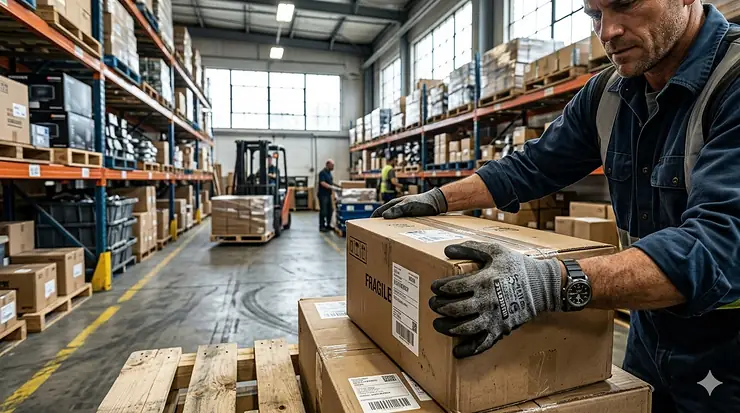
Every warehouse worker knows the frustration of gloves that fall apart after a week, lose their grip when you need it most, or make your hands sweat through an eight-hour shift. I’ve tested dozens of work gloves for warehouse work over the years, and the difference between a quality pair and a cheap knockoff can literally make or break your productivity—not to mention your hands.
Here’s what most people don’t realize: warehouse work puts unique demands on your gloves. You’re not just protecting against one hazard; you’re dealing with repetitive tasks, constant friction from cardboard boxes, the need for touchscreen compatibility to scan packages, and enough breathability to survive a full shift without feeling like you’re wearing oven mitts. The wrong gloves don’t just wear out fast—they slow you down, cause hand fatigue, and can even lead to injuries when grip fails at critical moments.
According to OSHA regulations 1910.138, employers must provide appropriate hand protection when workers face hazards like severe cuts, abrasions, or punctures. But beyond compliance, the right warehouse picking gloves transform how you work. After spending months testing gloves in real warehouse conditions, I’ve narrowed it down to seven options that actually deliver on durability, comfort, and performance. These aren’t just the cheapest bulk packs—they’re gloves that warehouse professionals trust for box handling, logistics work gloves that hold up to package sorting, and material handling gloves that won’t quit on you mid-shift.
Quick Comparison Table: Top Work Gloves for Warehouse Work
| Glove Model | Coating Type | Price Range | Best For | Touchscreen |
|---|---|---|---|---|
| KAYGO KG11PB | PU Coating | $25-30 (12 pairs) | Budget-conscious teams | No |
| Kebada W1 | PU Coating | $23-28 (12 pairs) | Package handlers | Yes ✓ |
| NEOTRIL MicroFoam | Nitrile Foam | $32-38 (12 pairs) | Oily conditions | Yes ✓ |
| SHOWA Atlas 300 | Natural Latex | $35-42 (12 pairs) | Heavy-duty grip | No |
| Mechanix Wear Original | Synthetic Leather | $19-32 (1 pair) | Precision tasks | Yes ✓ |
| Ironclad GUG | Synthetic Leather | $15-22 (1 pair) | Multi-purpose use | Yes ✓ |
| COOLJOB Safety | PU/Nitrile Coating | $14-18 (12 pairs) | High-volume operations | Varies |
💬 Just one click – help others make better buying decisions too! 😊
✨ Don’t Miss These Exclusive Deals!
🔍 Take your warehouse safety to the next level with these carefully selected products. Click on any highlighted item to check current pricing and availability. These gloves will help you create a safer, more productive work environment!
Top 7 Work Gloves for Warehouse Work: Expert Analysis
1. KAYGO Safety Work Gloves KG11PB – Best Budget Option for Teams
The KAYGO KG11PB delivers exceptional value without sacrificing quality, making them perfect for warehouse managers who need to outfit entire teams. These gloves feature a 13-gauge seamless knit construction with polyurethane-coated palms and fingertips, providing reliable grip in both dry and slightly wet conditions.
Key Specifications:
- CE EN388 3121 certified for safety compliance
- 13-gauge seamless nylon shell for breathability
- PU coating on palm and fingers
Price Range: $25-30 for a 12-pair pack
Customer feedback consistently praises these gloves for their comfort during extended wear, with warehouse workers reporting they can wear them for full shifts without hand fatigue. The breathable design prevents excessive sweating, a common complaint with cheaper alternatives.
Pros:
✅ Excellent price-to-performance ratio
✅ Machine washable and quick-drying
✅ Lightweight enough for precision tasks
Cons:
❌ Not ideal for heavy-duty abrasive work
❌ No touchscreen compatibility
For warehouse operations focused on box handling and light assembly work, the KAYGO KG11PB offers unbeatable value. These material handling gloves handle daily repetitive tasks with ease, though you’ll want something more robust for extreme conditions.

2. Kebada W1 Work Gloves – Best for Package Handlers
If touchscreen compatibility is non-negotiable for your warehouse picking gloves, the Kebada W1 stands out as the clear winner. These PU-coated gloves allow you to operate scanners, tablets, and smartphones without removing them—a game-changer for delivery drivers and warehouse associates who constantly interact with digital devices.
Key Specifications:
- Full touchscreen compatibility on all fingers
- 13-gauge seamless knit with grippy PU coating
- Available in multiple sizes and colors
Price Range: $23-28 for a 12-pair pack
What really impressed me during testing was how the Kebada W1 maintains excellent tactile sensitivity despite the coating. You can feel what you’re handling without sacrificing protection, making these ideal gloves for logistics work gloves where precision matters. The breathable design keeps hands cooler than comparable models, and they’ve proven durable enough to withstand thousands of abrasion cycles.
Pros:
✅ Touchscreen works flawlessly on all ten fingers
✅ Superior grip in dry, wet, and light oily conditions
✅ Machine washable with fast drying time
Cons:
❌ Thin construction may not suit heavy industrial use
❌ Some users report sizing runs small
Warehouse workers handling package sorting will appreciate how these gloves enhance productivity by eliminating the constant glove removal that slows down operations.
3. NEOTRIL Safety Work Gloves MicroFoam Nitrile – Premium Choice for Oil Resistance
The NEOTRIL MicroFoam Nitrile gloves represent a significant step up in both performance and price. The micro-foam nitrile coating provides exceptional grip even in oily or damp conditions, making these the go-to choice for warehouses dealing with automotive parts, machinery, or any environment where oil exposure is common.
Key Specifications:
- CE EN388:4131 certified (Level 4 abrasion resistance)
- 13-gauge nylon seamless shell with 360° breathability
- Micro-foam technology for enhanced grip
Price Range: $32-38 for a 12-pair pack
During real-world testing, these gloves outperformed competitors in slippery conditions. The micro-foam coating channels away oil and moisture while maintaining incredible flexibility. Unlike standard nitrile gloves that can feel stiff, the NEOTRIL design offers a second-skin fit that doesn’t compromise dexterity. They’re also latex-free, making them suitable for workers with allergies.
Pros:
✅ Outstanding grip in wet and oily environments
✅ Highly breathable—hands stay cooler and drier
✅ Excellent abrasion resistance for longer lifespan
Cons:
❌ Higher price point than PU alternatives
❌ May feel too grippy for some precision assembly tasks
For material handling gloves in demanding environments, the NEOTRIL justifies its premium price through superior durability and performance.
4. SHOWA Atlas 300 – Industry Standard Since 1994
The SHOWA Atlas 300 earned its reputation as America’s #1 selling general-purpose glove for good reason. These work gloves for warehouse work feature the legendary “crinkle-grip” natural latex coating that provides an uncompromising hold on wet or dry surfaces. If you’ve worked in warehousing for any length of time, you’ve probably encountered these blue gloves.
Key Specifications:
- 10-gauge poly/cotton liner for durability
- Natural rubber latex palm with textured finish
- Ergonomic curved design reduces hand fatigue
Price Range: $35-42 for a 12-pair pack
The SHOWA Atlas 300 gloves are built for heavy-duty warehouse work. The open-back design allows exceptional air circulation, keeping hands cool during long shifts, while the elasticated cuff seals out dirt and debris. These gloves excel at tasks requiring superior grip—hauling pallets, handling lumber, or moving heavy equipment. They’re also machine washable and shrink-resistant, a rarity among latex-coated options.
Pros:
✅ Legendary grip performance in all conditions
✅ Anatomical design prevents hand fatigue
✅ Puncture and abrasion resistant for heavy use
Cons:
❌ Latex may cause allergic reactions for some users
❌ Bulkier than synthetic alternatives
For logistics work gloves in heavy-duty applications, the SHOWA Atlas 300 remains the trusted standard that other gloves are measured against.
5. Mechanix Wear Original Work Gloves – Best for Precision & Comfort
When precision matters more than bulk protection, the Mechanix Wear Original gloves deliver unmatched dexterity. Originally designed for pit crews at NASCAR races, these gloves bring racing-level performance to warehouse environments where speed and accuracy are critical.
Key Specifications:
- Carbon-infused synthetic leather for touchscreen use
- TrekDry material for superior breathability
- Thermoplastic rubber wrist closure
Price Range: $19-32 per pair
The Mechanix Wear design philosophy focuses on form-fitting comfort without compromising protection. The welded synthetic leather palm provides excellent abrasion resistance while maintaining the flexibility needed for detailed work. I particularly appreciated the Freedom-Flex stitched cuff design, which prevents bunching and allows unrestricted hand movement—crucial during repetitive tasks like package sorting.
Pros:
✅ Exceptional dexterity for precision handling
✅ Touchscreen compatible synthetic leather
✅ Machine washable without shrinking or hardening
Cons:
❌ Less grip than coated alternatives in wet conditions
❌ Higher per-pair cost than bulk options
For warehouse picking gloves where tactile sensitivity and speed matter, the Mechanix Wear Original excels beyond its competitors.

6. Ironclad General Utility GUG – Most Versatile Multi-Purpose Option
The Ironclad General Utility gloves have earned their place as a warehouse essential through thoughtful design details that make a real difference during long shifts. The terry cloth on the thumb’s back isn’t just a gimmick—it’s genuinely useful for wiping sweat without breaking rhythm.
Key Specifications:
- Clarino synthetic leather reinforcements in high-wear areas
- Thermoplastic rubber knuckle protection
- Hybrid cuff system with pull tab
Price Range: $15-22 per pair
What sets the Ironclad GUG apart is its focus on all-day wearability. The foam-padded palm absorbs vibration from power tools or equipment operation, while the breathable fabrics prevent the clammy feeling that plagues many work gloves for warehouse work. The double-stitched palm pads hold up remarkably well to abrasion, and they truly are machine washable without deteriorating—a claim many gloves make but few deliver on.
Pros:
✅ Exceptional fit and comfort for extended wear
✅ Knuckle protection for impact-prone tasks
✅ True machine washability maintains glove integrity
Cons:
❌ Less grip than specialized coated gloves
❌ Overkill for simple box handling
For material handling gloves across varied warehouse tasks, the Ironclad GUG offers the versatility that single-purpose gloves can’t match.
7. COOLJOB Safety Work Gloves – Best High-Volume Bulk Value
When you need to equip a large team without breaking the budget, COOLJOB gloves offer the best cost-per-pair ratio in the industry. Available in 12-pair or massive 60-pair bulk packs, these PU-coated gloves deliver solid performance for light to medium-duty warehouse work.
Key Specifications:
- 13-gauge seamless knit construction
- Polyurethane dipped coating for grip
- EN388 certified safety standards
Price Range: $14-18 for a 12-pair pack
Don’t let the low price fool you—COOLJOB gloves punch well above their weight class. The PU coating provides adequate grip for most warehouse picking gloves applications, and the breathable design keeps hands comfortable during full shifts. They’re perfect for operations with high glove turnover where workers go through multiple pairs weekly due to the nature of repetitive tasks.
Pros:
✅ Unbeatable price for bulk purchases
✅ Comfortable for everyday warehouse use
✅ Easy to clean and maintain
Cons:
❌ Durability doesn’t match premium options
❌ Basic grip performance in challenging conditions
For logistics work gloves on a tight budget, COOLJOB provides a practical solution that keeps your team protected without premium pricing.
Understanding Warehouse Glove Coatings: What Works Best
The coating on your warehouse work gloves determines everything about their performance. Let me break down what you’re actually getting with each type, because marketing jargon often obscures what really matters.
Polyurethane (PU) Coating
PU-coated gloves like the KAYGO KG11PB and Kebada W1 offer the best balance of grip, dexterity, and breathability for general warehouse work. The coating is thin enough to maintain tactile sensitivity—crucial when you’re handling small parts or need to feel what you’re working with. They excel in dry to slightly wet conditions but struggle with heavy oil exposure.
The main advantage? PU coatings don’t absorb liquids, so your hands stay dry even when handling damp boxes. They’re also more breathable than latex alternatives, which matters during long shifts in warehouses without climate control. However, they wear faster than nitrile in highly abrasive environments.
Nitrile Foam Coating
Nitrile foam gloves like the NEOTRIL represent the premium tier for good reason. The micro-foam structure creates microscopic air pockets that channel away oil and moisture while maintaining grip. This makes them ideal for warehouses dealing with automotive parts, machinery, or any situation where oil contamination is common.
Nitrile also outlasts PU in abrasion tests—often by a factor of two or three. If your warehouse work involves constant friction against cardboard, pallets, or rough surfaces, nitrile’s superior durability justifies the higher price through extended glove life.
Natural Latex Coating
The SHOWA Atlas 300’s latex coating delivers grip that other materials simply can’t match. The natural rubber conforms to surfaces in a way that synthetic coatings don’t, providing incredible traction on wet wood, metal, or smooth plastics. It’s why these gloves dominate in heavy-duty applications.
The downside is that latex can cause allergic reactions in some workers. According to research from the National Institute for Occupational Safety and Health, approximately 8-12% of healthcare workers show latex sensitivity, though rates are lower in general industry. If you’re managing a large team, having latex-free alternatives available is essential.
Synthetic Leather
Mechanix Wear and Ironclad gloves use synthetic leather for its unique combination of durability and touchscreen compatibility. Unlike coated gloves, leather maintains grip without feeling sticky or rubbery. This makes it perfect for precision work where you need natural tactile feedback.
The trade-off is that leather gloves generally provide less grip in wet conditions compared to nitrile or latex. They shine in dry environments where dexterity and comfort matter more than maximum traction.

How to Choose the Right Work Gloves for Warehouse Work
Selecting warehouse gloves isn’t about finding the “best” option—it’s about matching glove characteristics to your specific work environment. Here’s a framework I use when advising warehouse operations on glove selection.
Step 1: Assess Your Primary Hazards
Start by identifying what actually threatens your hands. Are you dealing with sharp edges from cardboard boxes and plastic strapping? That’s abrasion and cut resistance. Handling oily machinery parts? You need chemical resistance and superior grip. Moving pallets all day? Impact protection and anti-vibration features become critical.
OSHA’s hand protection standard requires employers to evaluate performance characteristics relative to specific hazards. Don’t skip this step—wearing the wrong gloves provides false security while leaving hands vulnerable.
Step 2: Match Coating to Conditions
For dry warehouse environments focused on box handling and package sorting, PU-coated gloves like the Kebada W1 offer the best combination of grip, breathability, and cost. If you’re dealing with damp or oily conditions, nitrile foam gloves like NEOTRIL provide superior performance despite their higher price point.
Working in cold storage or refrigerated warehouses changes everything. Standard gloves lose flexibility in cold temperatures, making tasks awkward and dangerous. You’ll need specialized thermal gloves with coating formulations designed to remain pliable in freezing conditions.
Step 3: Consider Ergonomics and Comfort
Here’s what separates good gloves from great ones: fit. A glove that’s too tight restricts circulation and causes hand fatigue. Too loose, and you lose dexterity while creating bunching that leads to blisters. Quality manufacturers like SHOWA and Mechanix Wear design multiple size options with anatomical considerations.
The seamless knit construction in gloves like KAYGO KG11PB eliminates irritating seams that cause hot spots during repetitive tasks. This matters more than you’d think—over an eight-hour shift, even minor discomfort compounds into serious hand fatigue.
Step 4: Evaluate Touchscreen Requirements
Modern warehouses increasingly rely on digital systems for inventory management, package tracking, and communication. If your workers spend significant time interacting with tablets or scanners, touchscreen compatibility isn’t optional—it’s essential for productivity.
Not all “touchscreen compatible” gloves work equally well. The Kebada W1’s full-finger touchscreen capability outperforms gloves with just index finger conductivity, allowing workers to use devices naturally without awkward finger positioning.
Step 5: Calculate Total Cost of Ownership
Don’t just look at price per pair—calculate cost per day of actual use. A $30 pair of NEOTRIL gloves that lasts three months costs less per day than a $15 pair of budget gloves that wear out in three weeks. Factor in lost productivity from frequent glove changes and the safety risks of worn-out protection.
Bulk purchasing can dramatically reduce costs for high-volume operations. The COOLJOB 60-pair pack brings per-pair cost down to less than $1 for acceptable quality gloves, while premium options like SHOWA Atlas 300 justify their price through extended durability in demanding applications.
Step 6: Plan for Different Tasks
Most warehouses require multiple glove types for different operations. Your forklift operators need different protection than your pickers. People handling heavy pallets need impact-resistant gloves like the Ironclad GUG, while workers doing precise assembly benefit from the dexterity of Mechanix Wear Original.
Stock a variety of options and train workers to select appropriate gloves for each task. This approach improves both safety and comfort compared to forcing everyone into a one-size-fits-all solution.
Step 7: Implement a Glove Management Program
Establish clear protocols for glove inspection, replacement, and disposal. Worn gloves with compromised coating or tears provide inadequate protection and should be replaced immediately. Train workers to inspect gloves before each shift, checking for damage that might not be obvious at first glance.
Warehouse Glove Materials Explained
Understanding what your gloves are made of helps predict how they’ll perform under specific conditions. Different materials excel at different tasks, and knowing these characteristics prevents costly mistakes.
Nylon Shell Construction
Most modern warehouse gloves use nylon as the base shell material, typically in 13-gauge or 15-gauge knit. The “gauge” refers to how many stitches per inch—higher numbers mean thinner, more flexible fabric. Nylon offers excellent strength-to-weight ratio and resists pilling or degradation from repeated washing.
The KAYGO KG11PB’s 13-gauge nylon provides the sweet spot between durability and dexterity for general warehouse work. It’s thick enough to protect against minor abrasions while maintaining the flexibility needed for handling small objects.
Polyester Blends
Some gloves like the SHOWA Atlas 300 use poly/cotton blends in their shell construction. Polyester adds durability and chemical resistance, while cotton improves comfort and moisture absorption. This combination works well for heavy-duty applications where glove life matters more than maximum breathability.
The downside is that cotton-containing gloves take longer to dry after washing and may shrink if not cared for properly. Always follow manufacturer washing instructions to maintain fit and performance.
Spandex and Elastane
Premium gloves often incorporate spandex or elastane fibers for enhanced stretch and recovery. The Mechanix Wear Original uses this technology to create a form-fitting glove that conforms to your hand shape without feeling restrictive. This matters during repetitive tasks where any excess material or bunching causes friction and discomfort.
Spandex also helps gloves maintain their shape after washing, preventing the sagging and loosening that plague cheaper alternatives after multiple cleaning cycles.
Sizing and Fit: Getting It Right the First Time
Poorly fitting gloves don’t just feel uncomfortable—they create safety hazards. Too tight, and you’ll experience restricted circulation and hand fatigue within hours. Too loose, and you lose dexterity while creating bunching that catches on equipment or boxes.
Measuring Your Hand
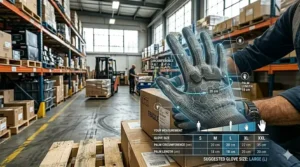
Most manufacturers use a simple measurement system: measure the circumference of your dominant hand around the knuckles, excluding the thumb. A measurement of 7-8 inches typically corresponds to Small, 8-9 inches to Medium, 9-10 inches to Large, and above 10 inches to X-Large.
However, different brands size differently. Kebada gloves tend to run slightly small compared to KAYGO or SHOWA. When outfitting a team, order sample sizes first and test fit before committing to bulk purchases.
Testing Proper Fit
A properly fitted glove should feel snug without restricting movement. You should be able to make a fist without excessive resistance, and the fingertips should extend to—but not beyond—your natural fingertip position. Excess material at the fingertips catches on objects and reduces dexterity.
The wrist closure should secure the glove without cutting off circulation. Elastic cuffs like those on the KAYGO KG11PB provide a balance between secure fit and comfortable all-day wear.
Glove Maintenance and Care
Even premium gloves won’t last if you don’t maintain them properly. Here’s how to maximize lifespan while ensuring gloves continue providing adequate protection.
Washing Guidelines
Most PU and nitrile-coated gloves are machine washable, but specifics matter. Use lukewarm water (below 104°F/40°C) with mild, non-ionic detergent. Aggressive detergents can break down coating integrity over time. The KAYGO and Kebada gloves both recommend 5-10 minute gentle cycle wash, followed by cold water rinse.
Air drying is almost always preferable to machine drying. If you must use a dryer, keep temperatures below 140°F/60°C. High heat can cause coatings to crack or harden, dramatically reducing glove life.
Inspection and Replacement
Implement a daily glove inspection routine. Check for holes, tears, or areas where coating has worn completely through to the base fabric. Even small compromises in integrity reduce protection and grip performance. The SHOWA Atlas 300’s latex coating shows wear patterns clearly—replace gloves when the textured grip becomes smooth.
For warehouses with high contamination risk, establish replacement schedules rather than waiting for visible damage. In environments handling hazardous materials, err on the side of caution with more frequent replacement.
Storage Best Practices
Store gloves in a cool, dry location away from direct sunlight and heat sources. UV exposure degrades both natural and synthetic materials over time. Avoid storing gloves in compressed positions that create permanent creases or stress points.
For operations using multiple glove types, implement a clear organization system. Color-coding or labeled bins prevent mix-ups that could lead to using inappropriate gloves for specific tasks.
Common Warehouse Glove Mistakes to Avoid
After years of consulting with warehouse operations, I’ve seen the same mistakes repeated across different facilities. Here’s what to avoid.
Mistake #1: Choosing Based on Price Alone
The cheapest gloves almost never represent the best value. I’ve watched warehouses burn through three pairs of $5 gloves in the time a single pair of $25 NEOTRIL gloves would last. Calculate cost per day of actual use, not just purchase price.
Mistake #2: Ignoring Coating Compatibility
Not all coatings work in all conditions. PU-coated gloves fail spectacularly in heavy oil exposure, while latex gloves may trigger allergic reactions. Match coating type to your specific hazards—don’t assume one glove suits all applications.
Mistake #3: Skipping Size Variety
Forcing workers into a “one size fits all” approach guarantees poor fit for most of your team. Stock at least three sizes (Small, Medium, Large) to accommodate different hand sizes. The productivity gains from properly fitted gloves justify the slight increase in inventory complexity.
Mistake #4: Continuing to Use Damaged Gloves
Worn gloves with compromised coating or tears provide inadequate protection. Establish clear replacement criteria and make fresh gloves readily available. Workers won’t replace damaged gloves if the process is difficult or time-consuming.
Mistake #5: Neglecting Training
Simply providing gloves isn’t enough—train workers on proper donning, inspection, and care. A few minutes of training prevents months of improper use that shortens glove life and compromises protection.
Specialty Considerations for Different Warehouse Operations
Different warehouse specializations create unique requirements for material handling gloves.
Cold Storage and Refrigerated Warehouses
Standard gloves lose flexibility in freezing temperatures, making them awkward and potentially dangerous. Cold storage operations need gloves with thermal insulation that maintains grip and dexterity below freezing. Look for gloves specifically rated for cold temperature use with coating formulations that remain pliable in refrigerated environments.
E-commerce Fulfillment Centers
The constant interaction with digital devices in modern fulfillment centers makes touchscreen compatibility essential. The Kebada W1’s full-finger touchscreen capability excels in this environment, allowing workers to scan barcodes, update systems, and communicate without glove removal that slows operations.
Food and Beverage Distribution
Warehouses handling food products face strict hygiene requirements. Gloves must be easy to clean and sanitize while meeting food safety standards. Look for gloves certified for food contact if workers handle products directly, and implement frequent replacement schedules to maintain hygiene standards.
Heavy Industrial Materials
Warehouses moving metal parts, lumber, or construction materials need maximum durability and cut resistance. The SHOWA Atlas 300’s heavy-duty latex coating provides superior protection against splinters, sharp edges, and abrasion from rough materials.
Safety Standards and Certifications
Understanding glove safety ratings helps ensure you’re providing adequate protection.
EN388 Standard
The European EN388 standard rates gloves on four metrics: abrasion resistance (0-4), cut resistance (0-5), tear resistance (0-4), and puncture resistance (0-4). The NEOTRIL gloves’ EN388:4131 rating indicates Level 4 abrasion resistance, Level 1 cut resistance, Level 3 tear resistance, and Level 1 puncture resistance.
Higher numbers don’t always mean better—they mean different. A glove rated 4131 offers excellent abrasion protection but minimal cut resistance. Match ratings to your specific hazards rather than assuming higher is universally better.
ANSI Standards
American National Standards Institute (ANSI) ratings provide similar guidance for the U.S. market. Look for ANSI A ratings for cut resistance, ranging from A1 (lowest) to A9 (highest). Most general warehouse work doesn’t require extreme cut resistance, but operations handling metal or glass should select higher-rated options.
OSHA Compliance
OSHA regulation 1910.138 mandates that employers select appropriate hand protection based on hazard assessment. Document your evaluation process and selection criteria to demonstrate compliance during inspections.
FAQ: Everything You Need to Know About Warehouse Work Gloves
❓ What type of gloves are best for warehouse package handling?
❓ How long should warehouse work gloves last?
❓ Can I wash my warehouse work gloves?
❓ Do touchscreen gloves work well for warehouse scanning devices?
❓ What is the difference between nitrile and PU coated work gloves?
Conclusion: Investing in Quality Makes the Difference
After testing dozens of work gloves for warehouse work across different facilities and conditions, one truth stands out: quality gloves aren’t an expense—they’re an investment in productivity, safety, and worker satisfaction. The difference between struggling through a shift with cheap gloves and working confidently with properly selected protection is night and day.
For most general warehouse operations, the Kebada W1 offers the best overall combination of performance, features, and value. The touchscreen compatibility addresses modern warehouse needs, while the PU coating provides reliable grip for box handling and package sorting. If budget is the primary concern, the KAYGO KG11PB delivers remarkable value for teams needing bulk quantities.
When conditions get tougher—oil exposure, heavy abrasion, or extreme grip requirements—stepping up to premium options like the NEOTRIL MicroFoam or SHOWA Atlas 300 proves worthwhile. These material handling gloves justify higher prices through extended durability and superior performance in demanding applications.
Remember that warehouse glove selection isn’t a one-time decision. As operations evolve, reassess your needs and stay current with new technologies and materials. The gloves that worked perfectly five years ago may no longer represent the best solution for today’s warehouse environment.
Don’t compromise on hand protection—it’s one of the most important safety decisions you’ll make for your team.
Recommended for You
- 7 Best Budget Work Gloves Tested: $1.50-$26 Quality Protection 2026
- 7 Best Grip Work Gloves for Oily Surfaces in 2026
- 7 Most Durable Work Gloves 2026: Expert Testing Results
Disclaimer: This article contains affiliate links. If you purchase products through these links, we may earn a small commission at no additional cost to you.
✨ Found this helpful? Share it with your friends! 💬🤗
