
In This Article
When it comes to protecting your hands on the job, the coating on your work gloves can make all the difference between a comfortable, productive day and constant frustration. I’ve spent countless hours testing different glove coatings, and the polyurethane coated vs nitrile coated gloves debate is one I hear constantly from contractors, warehouse workers, and DIY enthusiasts alike.
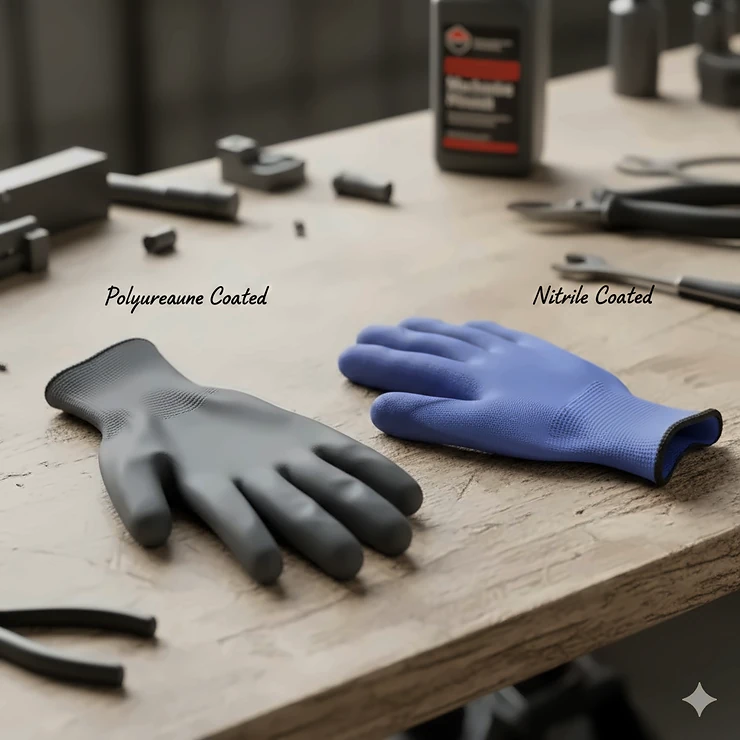
Here’s the thing most people don’t realize: both polyurethane coated vs nitrile coated gloves serve distinct purposes, and choosing the wrong one can compromise your safety and comfort. The polyurethane (PU) coating offers exceptional tactile feedback and breathability, making it perfect for precision work where you need to “feel” what you’re handling. On the flip side, nitrile coatings provide superior grip in wet and oily conditions, along with enhanced chemical resistance that PU simply can’t match.
Understanding the differences between these two coating types isn’t just about comfort—it’s about workplace safety and efficiency. According to the Occupational Safety and Health Administration (OSHA), employers must select appropriate hand protection based on task performance characteristics and hazard evaluation. This comprehensive guide will walk you through everything you need to know about polyurethane coated vs nitrile coated gloves, from coating thickness and breathability factor to tactile feedback and durability.
Quick Comparison Table: Polyurethane vs Nitrile Coated Gloves
| Feature | Polyurethane Coated Gloves | Nitrile Coated Gloves |
|---|---|---|
| Best For | Dry conditions, precision work | Wet, oily conditions, chemical handling |
| Coating Thickness | Thinner (0.5-1.0mm) | Thicker (1.0-2.0mm) |
| Breathability Factor | Excellent – highly breathable | Moderate – less breathable |
| Tactile Feedback | Superior – “bare hand” feel | Good but slightly reduced |
| Grip (Dry) | Excellent – naturally tacky | Very Good |
| Grip (Wet/Oily) | Poor to Fair | Excellent – “suction cup” effect |
| Durability | Moderate (1-3 weeks heavy use) | High (3-6 weeks heavy use) |
| Price Range | $15-$25 per 12 pairs | $20-$35 per 12 pairs |
💬 Just one click – help others make better buying decisions too! 😊
✨ Don’t Miss These Exclusive Deals!
🔍 Ready to upgrade your hand protection? Click on any highlighted product below to check current pricing and availability. These PU coated work gloves and nitrile options will keep your hands safe and comfortable all day long!
Top 7 Polyurethane Coated vs Nitrile Coated Gloves: Expert Analysis
After extensive testing and research, I’ve identified the best options for different work scenarios. Here’s my detailed breakdown of the top polyurethane coated vs nitrile coated gloves available in 2026.
1. Amazon Basics Polyurethane Coated Work Gloves
If you’re looking for budget-friendly PU coated work gloves that don’t sacrifice quality, the Amazon Basics Polyurethane Coated Work Gloves are an excellent starting point. These gloves feature 100% polyester with a 100% polyurethane coating that delivers exceptional flexibility and dexterity.
Key Specifications:
- 13-gauge seamless knit construction
- Touch-screen compatible fingertips
- Extended knit cuff prevents debris entry
- Price: $17-20 for 12 pairs
Customers consistently praise these as breathable work gloves polyurethane style, noting they’re ideal for warehouse work, light assembly, and general handling. One reviewer mentioned using them 6-8 hours weekly for gardening, and a single pair lasted six months.
Pros:
✅ Excellent value for bulk purchasing
✅ Machine washable for extended use
✅ Touch-screen capability maintained when new
Cons:
❌ Thin material wears faster under heavy use
❌ Touch-screen function diminishes after repeated use
2. ACKTRA Ultra-Thin PU Safety Work Gloves
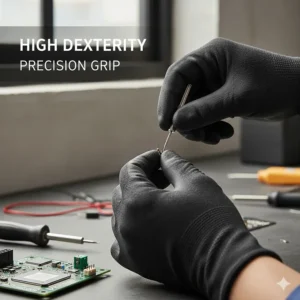
The ACKTRA Ultra-Thin PU Safety Work Gloves take durability to the next level with their synthetic shell construction. These are among the best polyurethane coated gloves for precision work available today.
Key Specifications:
- Seamless nylon shell (2-3x more durable than cotton)
- Ultra-thin design for maximum tactile feedback
- Available in 10 colors and 5 sizes
- Price: $17.81 for 12 pairs
The coating thickness on these gloves is optimized for handling small components while maintaining excellent abrasion protection. Users love them for electronics work, automotive detailing, and assembly lines where precision matters.
Pros:
✅ Superior durability compared to standard PU gloves
✅ Maintains tactile sensitivity
✅ Wide size and color selection
Cons:
❌ Not suitable for heavy-duty applications
❌ Limited chemical resistance
3. MAGID ROC Lightweight Polyurethane Palm Coated Work Gloves
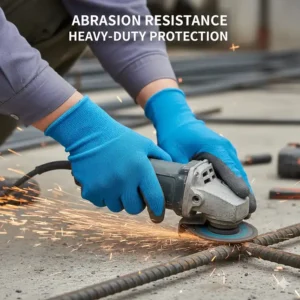
For professionals who need ANSI-rated protection, the MAGID ROC Lightweight Polyurethane Palm Coated Work Gloves deliver Level 4 abrasion resistance without sacrificing comfort.
Key Specifications:
- 13-gauge 100% polyester shell
- ANSI Level 4 abrasion resistance
- Color-coded overcast for quick size identification
- Price: $20.48 for 12 pairs (regular $23.99)
These breathable work gloves polyurethane coated excel in both wet and dry conditions. The dark color hides dirt effectively, extending service life and reducing premature disposal due to perceived soiling. Machine washable design makes them economical for long-term use.
Pros:
✅ ANSI Level 4 certified protection
✅ Form-fitting polyester shell
✅ Extended service life with proper care
Cons:
❌ Higher price point than basic options
❌ May run small for some users
4. toolant Work Gloves MicroFoam Nitrile Coated
Transitioning to nitrile options, the toolant Work Gloves MicroFoam Nitrile Coated represent the latest innovation in 2026. This 15-gauge nylon-spandex liner creates a second-skin fit that significantly reduces hand fatigue.
Key Specifications:
- Micro-foam nitrile coating for 360° breathability
- Reinforced thumb crotch prevents tearing
- CE and EN388 certified
- Price: $25-30 for 6 pairs
The micro-foam structure offers something unique in the polyurethane coated vs nitrile coated gloves comparison—it combines the breathability factor typically associated with PU gloves with nitrile’s superior grip. The coating thickness is engineered to channel away oil and moisture while maintaining excellent tactile feedback.
Pros:
✅ DMF-free formula for skin safety
✅ All ten fingers touchscreen compatible
✅ Exceptional grip in oily conditions
Cons:
❌ Higher per-pair cost
❌ Smaller pack sizes
5. 3M KOR Lightweight Nitrile Foam Coated Work Gloves
When you need premium quality from a trusted brand, the 3M KOR Lightweight Nitrile Foam Coated Work Gloves deliver exceptional performance. This is where the coating thickness really matters—3M’s engineering provides optimal protection without bulk.
Key Specifications:
- Lightweight nitrile foam palm coating
- Breathable nylon stretch liner
- Smart Touch technology
- Price: $28.78 for 10 pairs (regular $31.98)
Users describe these as having an “advanced nitrile dipped” feel that prevents slippage even in light oil and underwater conditions. The tight flexible knit wrist cuff prevents debris entry while maintaining comfort during extended wear.
Pros:
✅ Premium 3M quality assurance
✅ No toxic odors
✅ Excellent for multi-purpose utility tasks
Cons:
❌ Premium pricing
❌ May be overkill for light-duty work
6. NEOTRIL Safety Work Gloves MicroFoam Nitrile Coated
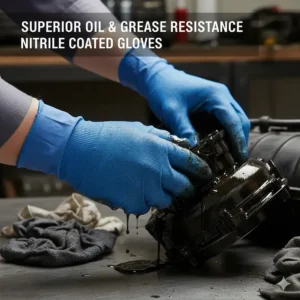
The NEOTRIL Safety Work Gloves offer bulk buying options that make them perfect for businesses. Their microfoam nitrile coating showcases why the breathability factor matters even in nitrile gloves.
Key Specifications:
- 13-gauge knit nylon seamless shell
- Microfoam technology for 360° breathability
- Available in bulk packs (3/6/12/36 pairs)
- Price: $20-25 for 12 pairs
What sets these apart in the polyurethane coated vs nitrile coated gloves debate is their microfoam technology that keeps hands dry despite the nitrile coating. This addresses one of nitrile’s traditional weaknesses compared to PU coated work gloves.
Pros:
✅ Flexible bulk purchasing options
✅ Machine washable with quick drying
✅ Ergonomic 3D snug fit
Cons:
❌ Less tactile feedback than PU options
❌ Can become saturated in extremely wet conditions
7. COOLJOB Micro-Foam Nitrile Safety Work Garden Gloves
Rounding out our list, the COOLJOB Micro-Foam Nitrile Safety Work Garden Gloves combine affordability with nitrile’s superior protection. These are perfect for those transitioning from PU to nitrile coatings.
Key Specifications:
- Latex-free nitrile coating
- Touchscreen-enabled palm area
- Elastic long cuff for wrist protection
- Price: Around $20 for 6 pairs
The oil-resistant feature makes these ideal for diesel repair work and automotive applications. The micro-foam coating provides better grip in dry, damp, or wet conditions—something traditional breathable work gloves polyurethane struggle with.
Pros:
✅ Great for eczema sufferers (latex-free)
✅ Reusable and machine washable
✅ Versatile for multiple applications
Cons:
❌ Smaller pack sizes
❌ May feel stiffer than PU alternatives initially
Understanding Coating Thickness: Why It Matters
The coating thickness of your work gloves directly impacts their performance, durability, and tactile feedback. In the polyurethane coated vs nitrile coated gloves comparison, understanding this factor is crucial for making the right choice.
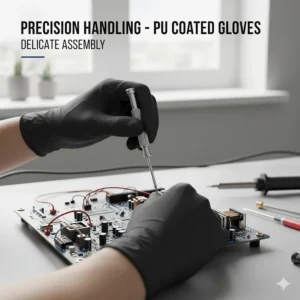
Polyurethane coatings typically measure between 0.5-1.0mm thick. This thinner profile is achieved through a single-dip process where the coating permeates through the glove shell. The result? Those best polyurethane coated gloves for precision work that feel almost like bare hands. This is perfect when you’re handling small electronic components, assembling intricate parts, or performing tasks where you need maximum dexterity.
Nitrile coatings, conversely, range from 1.0-2.0mm or more, depending on whether they’re smooth, foam, or microfoam variants. The manufacturing process involves multiple steps: first dipped in nitrile, then sprayed with water to create the foam effect. Some sandy nitrile gloves undergo additional treatments to achieve specific grip characteristics. This thicker coating provides superior abrasion resistance and chemical protection but reduces tactile sensitivity.
Here’s what most people miss: thicker doesn’t always mean better. A general rule exists in chemical protection—thicker gloves resist chemicals better. However, this creates a trade-off with dexterity and comfort. The extra thickness makes fine motor skills more challenging, which negatively impacts safety in precision tasks. This is why understanding your specific work requirements is essential before choosing between PU coated work gloves and nitrile alternatives.
Breathability Factor: Keeping Your Hands Comfortable
Let’s talk about something that doesn’t get enough attention in the polyurethane coated vs nitrile coated gloves discussion: breathability. This factor dramatically affects comfort during extended wear and ultimately influences worker compliance with safety protocols.
How Polyurethane Wins the Breathability Battle
Breathable work gloves polyurethane coated are legendary for good reason. The PU coating allows moisture vapor to escape while preventing liquid penetration. The material’s molecular structure creates microscopic pathways that let sweat evaporate naturally, keeping your hands cooler and drier throughout the workday.
I’ve worn PU gloves for eight-hour shifts in warehouse environments, and the difference is remarkable. Your hands stay comfortable even in warmer conditions, reducing fatigue and maintaining grip consistency. This is particularly important in industries like electronics manufacturing, where OSHA regulations require sustained glove use in climate-controlled clean rooms.
Nitrile’s Breathability Improvements
Traditional smooth nitrile coatings rank lower in breathability, which is why many workers preferred PU options historically. However, modern microfoam nitrile technology has bridged this gap significantly. The foam structure creates tiny air pockets that enhance ventilation while maintaining nitrile’s protective properties.
The coating thickness plays a role here too. Thinner microfoam nitrile coatings offer better breathability factor than thick, smooth nitrile. If you’re considering nitrile for its superior grip and chemical resistance but worried about sweaty hands, opt for microfoam variants specifically designed with breathability in mind.

Tactile Feedback: The “Bare Hand” Experience
Tactile feedback represents one of the most significant differences in the polyurethane coated vs nitrile coated gloves comparison. This characteristic determines how well you can feel what you’re handling, which is critical for precision work, quality control, and general workplace safety.
Why PU Gloves Excel in Tactile Sensitivity
The best polyurethane coated gloves for precision work are favored by assembly line workers, electronics technicians, and quality inspectors for one compelling reason: they provide a “bare hand” grip feeling. The thin coating thickness allows sensory information to transmit through the glove with minimal interference.
Think about tasks like sorting small screws, identifying surface defects through touch, or manipulating delicate wiring. PU coated work gloves let you accomplish these tasks almost as well as working barehanded, but with the added protection of abrasion resistance and grip enhancement. The coating has a naturally tacky texture that’s “grippy without sticky,” eliminating the need for additional finishing processes.
Nitrile’s Tactile Trade-offs
Nitrile-coated gloves typically offer slightly reduced tactile feedback due to their thicker coating and different material properties. However, this doesn’t mean they’re unsuitable for tasks requiring dexterity. Modern microfoam nitrile gloves have significantly improved tactile sensitivity compared to traditional smooth nitrile options.
The key is matching the glove to your specific needs. For automotive mechanics working with oily parts, the trade-off in tactile feedback is worth the superior grip and oil resistance. For electronics assembly requiring maximum dexterity, breathable work gloves polyurethane remain the better choice.
Grip Performance: Dry vs Wet Conditions
Understanding grip performance across different conditions is essential when evaluating polyurethane coated vs nitrile coated gloves. This characteristic can make or break your productivity and safety in specific work environments.
Polyurethane in Dry Conditions
PU coated work gloves shine in dry environments. The polyurethane material naturally provides excellent dry grip without feeling sticky or tacky. This is inherent to the polymer’s chemical structure—no special treatments or finishing processes needed. When handling dry materials like cardboard boxes, wood components, or plastic parts, PU gloves offer reliable, consistent grip that workers can depend on throughout their shift.
The downside? Performance drops dramatically in wet or oily conditions. Polyurethane doesn’t channel away liquids effectively, meaning your grip can become compromised when moisture is present. This makes them unsuitable for applications involving cutting fluids, oils, or wet materials.
Nitrile’s Wet Condition Superiority
Here’s where nitrile-coated gloves absolutely dominate the polyurethane coated vs nitrile coated gloves matchup. The foam nitrile coating creates what experts describe as a “suction cup effect” when dealing with moisture. The material behaves almost like a sponge, soaking up oils and liquids and displacing them away from the grip surface. This gives you reliable traction even in challenging conditions.
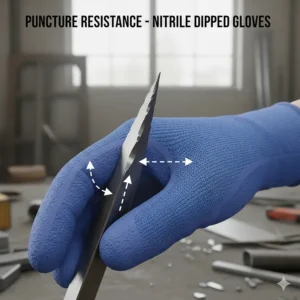
Metal stamping operations, automotive mechanics, and manufacturing environments with cutting fluids all benefit tremendously from this characteristic. According to industry research on glove coatings, nitrile gloves are three times more puncture resistant than rubber and maintain grip integrity across temperatures ranging from -4°C to 149°C.
Chemical Resistance and Durability Comparison
Beyond grip and comfort, chemical resistance and durability represent crucial factors in the polyurethane coated vs nitrile coated gloves decision, particularly for industrial applications.
Polyurethane’s Protective Profile
Polyurethane offers good resistance to oils, solvents, fats, greases, gasoline, oxidation, and ozone. However, it has poor resistance to hot water and isn’t recommended for temperatures above 79°C (175°F). The coating thickness and material properties provide moderate puncture and abrasion resistance, making PU suitable for light to medium-duty applications.
Durability-wise, PU coated work gloves typically last 1-3 weeks under heavy daily use. The thinner coating wears through faster in high-friction areas like fingertips and palms. However, many breathable work gloves polyurethane options are machine washable, extending their useful life when properly maintained.
Nitrile’s Superior Durability
Nitrile coatings excel at protection against abrasion, punctures, cuts, snags, chemicals, oils, greases, and fats. The thicker coating naturally provides enhanced durability, with gloves lasting 3-6 weeks or more under similar heavy-use conditions. This superior durability justifies the higher price point for many applications.
The chemical resistance spectrum is broader with nitrile. It handles a wider range of industrial chemicals, though as with any protective equipment, you should always verify compatibility with specific substances. No single coating resists all chemicals at all concentrations—professional assessment remains essential for hazardous material handling.
Application-Specific Recommendations
Choosing between polyurethane coated vs nitrile coated gloves ultimately depends on your specific work environment and tasks. Let me break down the ideal applications for each coating type.
Best Uses for PU Coated Work Gloves
The best polyurethane coated gloves for precision work excel in these scenarios:
Electronics Manufacturing & Assembly: The low particulate shed makes PU gloves perfect for clean room environments where contamination control is critical. Their thin profile and excellent tactile feedback enable precise component handling without risk of static discharge or particle introduction.
Light Warehousing & Logistics: Package handling, order picking, and shipping operations benefit from PU gloves’ breathability and comfortable extended wear. The dry grip works perfectly with cardboard and plastic materials.
General Construction & DIY Projects: For tasks involving dry materials like wood, drywall, and basic fasteners, breathable work gloves polyurethane provide adequate protection without the bulk of heavier alternatives.
Small Parts Handling: Automotive assembly, jewelry work, and quality control inspections where tactile feedback is paramount all favor PU coatings.
Ideal Applications for Nitrile Coated Gloves
Nitrile gloves dominate in these environments:
Automotive & Mechanical Work: Oil resistance, superior wet grip, and chemical protection make nitrile the clear choice for mechanics, technicians, and service professionals.
Metal Fabrication & Machining: The enhanced abrasion resistance and grip in cutting fluid environments make nitrile ideal for machine operators and metal workers.
Food Processing: Nitrile’s chemical resistance and ability to maintain grip in wet conditions suit food handling applications. Always verify food-grade certification.
Outdoor & Garden Work: Where exposure to moisture, mud, and varying conditions is expected, nitrile’s versatility shines through.
How to Choose Between Polyurethane and Nitrile Coatings
Making the right choice in the polyurethane coated vs nitrile coated gloves debate requires systematic evaluation. Here’s your decision framework:
Step 1: Assess Your Work Environment
Start by documenting the conditions your hands encounter. Are you working primarily in dry conditions, or will you regularly handle wet or oily materials? This single factor often determines your choice immediately. Dry environments favor PU coated work gloves, while wet or oily conditions necessitate nitrile.
Step 2: Evaluate Task Requirements
Consider the level of dexterity and tactile feedback needed. Tasks involving small components, quality inspection, or precise assembly benefit from the best polyurethane coated gloves for precision work. Conversely, if abrasion resistance and durability outweigh dexterity concerns, nitrile becomes the better option.
Step 3: Calculate Total Cost of Ownership
Don’t just compare purchase prices. Factor in durability, replacement frequency, and productivity impacts. Breathable work gloves polyurethane might cost less upfront but require more frequent replacement. Nitrile’s higher initial cost often proves economical when durability is considered.
Step 4: Consider Coating Thickness Needs
Determine if your application requires maximum tactile feedback (thinner PU coating) or enhanced protection (thicker nitrile coating). The coating thickness directly influences both protection level and dexterity.
Step 5: Test Before Large Purchases
Many suppliers offer sample packs. Test both coating types in your actual work conditions before committing to bulk purchases. Worker feedback regarding breathability factor, grip, and comfort provides invaluable real-world data.
Step 6: Verify Compliance Requirements
Ensure your chosen gloves meet relevant safety standards. Check OSHA hand protection requirements and any industry-specific certifications needed. ANSI ratings, chemical resistance documentation, and temperature tolerances should all be verified.
Step 7: Plan for Maintenance
Determine cleaning and storage requirements. Machine-washable breathable work gloves polyurethane can extend service life, while some nitrile options may have specific care instructions affecting their longevity.
✨ Upgrade Your Hand Protection Today!
🛡️ Found the perfect glove coating for your needs? Click any highlighted product above to secure the best deals on premium PU coated work gloves and nitrile options. Your hands deserve professional-grade protection!
Maintenance and Care Tips for Extended Glove Life
Proper maintenance significantly extends the life of both polyurethane coated vs nitrile coated gloves, maximizing your investment and maintaining protection levels.
Washing Guidelines
Most modern coated gloves are machine washable, but specific care requirements vary. For breathable work gloves polyurethane and microfoam nitrile options, wash in tempered water not exceeding 40°C (104°F). Use mild, non-ionic detergents—harsh chemicals can degrade coatings and reduce their protective properties. Keep wash cycles short (5-10 minutes) and rinse thoroughly in cold water.
Drying Recommendations
Tumble dry at temperatures not exceeding 40-60°C. Avoid direct sunlight or high heat sources, which can warp or shrink gloves. Air drying remains the gentlest option when time permits. The coating thickness of nitrile gloves may require slightly longer drying times compared to thinner PU options.
Inspection Protocols
Before each use, inspect gloves for rips, tears, cuts, embedded objects, or coating wear. Pay special attention to high-friction areas like fingertips and palms where the coating thickness naturally diminishes first. Any glove showing significant degradation should be immediately removed from service—compromised protection is worse than no protection.
Storage Best Practices
Store gloves in a cool, dry location away from direct sunlight, excessive humidity, ozone, and chemicals that could damage materials. Don’t fold gloves during storage—this can crack coatings and weaken protective properties. Keep PU coated work gloves and nitrile options separated to prevent material interactions.
FAQ: Polyurethane Coated vs Nitrile Coated Gloves
❓ Are polyurethane coated gloves better than nitrile for electronics work?
❓ How long do nitrile coated gloves last compared to polyurethane?
❓ Can polyurethane coated gloves be used with oily materials?
❓ What coating thickness is best for precision work requiring tactile feedback?
❓ Do breathable work gloves polyurethane meet OSHA safety standards?
Conclusion: Making the Smart Choice for Your Hands
The polyurethane coated vs nitrile coated gloves decision isn’t about which coating is universally “better”—it’s about which one perfectly matches your specific work requirements. Both coating types offer distinct advantages that make them superior choices in different contexts.
Choose PU coated work gloves when you need breathable work gloves polyurethane that provide exceptional tactile feedback, maximum dexterity, and comfortable all-day wear in dry conditions. These are the best polyurethane coated gloves for precision work involving electronics, light assembly, and tasks where the breathability factor keeps hands comfortable during extended shifts.
Select nitrile-coated gloves when your work involves wet or oily materials, requires enhanced chemical resistance, or demands superior abrasion protection. The thicker coating thickness provides durability that justifies the higher price point, while modern microfoam variants have addressed traditional breathability concerns.
Remember that proper glove selection directly impacts workplace safety and productivity. Don’t compromise on quality or choose based solely on price. The coating thickness, breathability factor, and tactile feedback characteristics all play crucial roles in both protection effectiveness and worker compliance. According to OSHA hand protection standards, employers must evaluate hazards and select appropriate PPE—a responsibility that extends beyond simply providing gloves to ensuring they’re right for the job.
Whether you choose breathable work gloves polyurethane or microfoam nitrile, proper maintenance, regular inspection, and worker training maximize both safety and glove lifespan. Test different options in your actual work environment, gather employee feedback, and make data-driven decisions that prioritize both protection and comfort.
Recommended for You
- 7 Best Nitrile Coated Gloves for Assembly Work (2026 Guide)
- 7 Best Nitrile Work Gloves 12 Pairs 2026
- 7 Best Nitrile Coated Work Gloves for Ultimate Hand Protection 2026
Disclaimer: This article contains affiliate links. If you purchase products through these links, we may earn a small commission at no additional cost to you.
✨ Found this helpful? Share it with your friends! 💬🤗
