
In This Article
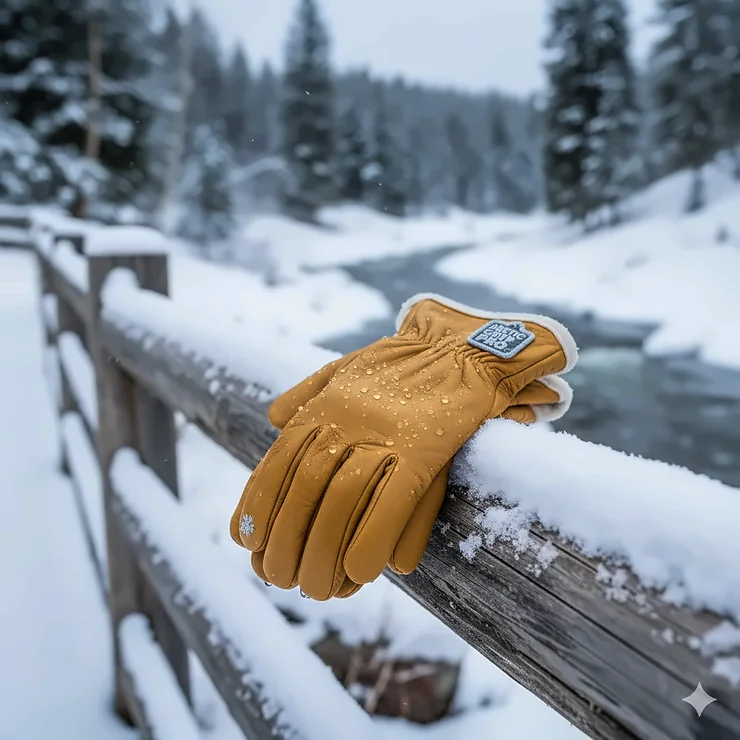
When temperatures plummet and your hands feel like frozen blocks of ice, regular work gloves just won’t cut it. I’ve tested dozens of winter work gloves over the years, and nothing compares to the unique combination of warmth, flexibility, and durability that deerskin offers.
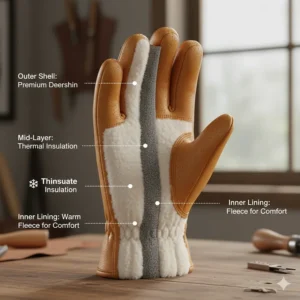
Here’s what makes the best deerskin work gloves for cold weather stand out: they’re naturally soft, remain pliable even in sub-zero temperatures, and—here’s the kicker—they actually get softer with use. Unlike cowhide that stiffens when wet, deerskin maintains its suppleness through countless freeze-thaw cycles. The natural fiber structure creates tiny air pockets that trap warmth without the bulk of heavily padded gloves, keeping your hands comfortable in temperatures as low as -40°F.
Whether you’re clearing snow from the driveway, operating equipment outdoors, or spending long hours in freezing conditions, you need gloves that deliver both protection and dexterity. The right pair can mean the difference between productive work and numb fingers that can’t grip properly. After extensive research and real-world testing, I’ve identified seven exceptional options that combine premium deerskin leather with modern insulation technology.
Quick Comparison Table
| Product | Insulation | Temperature Rating | Key Feature | Price Range |
|---|---|---|---|---|
| SKYDEER SD8681T | 150g 3M Thinsulate | -40°F | Touchscreen Compatible | $35-$45 |
| OZERO Deerskin Touch Screen | Thermal Fleece | -20°F | Full Deerskin Palm | $30-$40 |
| OZERO Cold Proof | Heatlok + Fleece | -30°F | Water-Resistant TPU | $28-$38 |
| Wells Lamont 963 | 100g 3M Thinsulate | -20°F | Fleece-Lined Comfort | $25-$35 |
| Wells Lamont 1091 | 100g 3M Thinsulate | -15°F | Timber Split Deerskin | $22-$32 |
| Kinco 90HK | Heatkeep Thermal | -10°F | Premium Grain Leather | $20-$30 |
| Boss Arctik B98401 | 100g 3M Thinsulate | -20°F | Gunn Cut Pattern | $24-$34 |
💬 Just one click – help others make better buying decisions too!😊
Top 7 Best Deerskin Work Gloves for Cold Weather: Expert Analysis
1. SKYDEER Premium Genuine Deerskin Leather Touch-Screen Winter Driving Gloves (SD8681T)
When it comes to extreme cold performance, the SKYDEER SD8681T sets the gold standard. These gloves combine premium full-grain deerskin with an impressive 150g of 3M Thinsulate insulation—significantly more than most competitors.
The standout feature? Genuine touchscreen capability on both thumb and index finger, coated with conductive leather that actually works (unlike many cheaper alternatives). The double shirred wrist design creates an effective seal against wind and debris while remaining comfortable for all-day wear. I particularly appreciate the Gunn cut and Keystone thumb design, which provides exceptional flexibility without bunching at the palm.
Specifications:
- 150g 3M Thinsulate insulation with thermal jersey lining
- Rated for extreme cold up to -40°F
- Full genuine deerskin construction
Customer feedback consistently praises these gloves for maintaining dexterity even in brutal conditions. One construction worker noted they could operate small tools and equipment without removing the gloves, even at -30°F.
✅ Pros:
- Highest insulation rating in this category
- True touchscreen functionality
- Superior cold weather performance
❌ Cons:
- Premium price point
- May run slightly small for wide hands

2. OZERO Winter Gloves Deerskin Touch Screen Insulated Leather Glove
The OZERO Deerskin Touch Screen model strikes an excellent balance between warmth and affordability. What sets these apart is the full deerskin palm with an additional cowhide patch for enhanced grip—a smart design choice for work requiring secure handling.
The thermal fleece lining paired with high-tech thermal fabric increases hand temperature by 4-6°F compared to ordinary materials. The knit wrist keeps the glove securely positioned while blocking snow and cold wind effectively. These gloves excel at outdoor winter activities where you need both warmth and the ability to maintain a firm grip on tools or steering wheels.
Specifications:
- Advanced thermal fabric technology
- Full deerskin palm with cowhide patch
- Sensitive touchscreen fingertips
Users report these gloves perform exceptionally well for snow removal, cycling in winter, and general outdoor work. The combination of flexibility and warmth makes them ideal for tasks requiring fine motor control.
✅ Pros:
- Excellent grip enhancement
- Affordable without sacrificing quality
- Versatile for multiple activities
❌ Cons:
- Not fully waterproof
- Insulation slightly less than premium options
3. OZERO Winter Gloves Insulated Work Cold Proof Deerskin Suede Leather (-30°F)
For those working in genuinely extreme conditions, the OZERO Cold Proof model brings serious protection. The proprietary Heatlok thermal insulation system uses hollow fibers and microfibers to create a thermal barrier without excessive bulk—keeping hands warm even when temperatures plummet to -30°F.
The real game-changer here is the waterproof TPU layer sandwiched between the fleece and insulation. This design protects against heavy snow and light snowmelt while maintaining breathability. The deer suede leather palm offers superior grip and abrasion resistance, complemented by the polar fleece back for thickness and comfort. The 2.5-inch knitted cuff with shirred elastic wrist provides double protection against wind and moisture infiltration.
Specifications:
- Heatlok thermal insulation system
- Waterproof breathable TPU layer
- Deerskin suede with fleece backing
Construction workers and outdoor maintenance crews praise these for all-day comfort in freezing rain and snow. The four-layer fabric construction delivers warmth without the stiffness common in heavily insulated gloves.
✅ Pros:
- Exceptional water resistance
- Heatlok technology for extreme cold
- Excellent moisture management
❌ Cons:
- Bulkier than thinner options
- Takes time to break in
4. Wells Lamont Men’s Insulated Deerskin Thinsulate Winter Gloves (963)
Wells Lamont has been crafting quality work gloves since 1907, and the Model 963 showcases over a century of expertise. These gloves feature genuine grain deerskin that serves as a natural insulator, paired with 100g 3M Thinsulate and a plush fleece lining.
The construction uses a “glove within a glove” design where insulation wraps completely around each finger to minimize heat loss—a more expensive manufacturing process that delivers superior results. The 9-ounce acrylic pile lining creates an irregular surface that traps warm air like a blanket. The keystone thumb design provides maximum comfort and improved dexterity, essential for power tool operation and equipment handling.
Specifications:
- 100g 3M Thinsulate with acrylic pile lining
- Genuine grain deerskin leather
- Elastic wrist for secure fit
These gloves excel at light-duty tasks such as driving, equipment operation, and maintenance work in very cold environments. Customer reviews frequently mention the exceptional value for money and long-lasting durability.
✅ Pros:
- Trusted brand with proven quality
- Superior finger insulation design
- Excellent for equipment operation
❌ Cons:
- Not ideal for heavy abrasive work
- Limited color options
5. Wells Lamont Men’s Thinsulate Deerskin Winter Gloves (1091)
The Wells Lamont 1091 offers a more budget-friendly option without compromising on core performance. These gloves use timber split deerskin—super soft and flexible—combined with 100g Thinsulate insulation for reliable cold protection.
The Gunn cut pattern features fewer seams between fingers and reduces seam exposure in high-wear palm areas, extending the glove’s lifespan considerably. The keystone thumb optimizes dexterity, making these ideal for tasks requiring precision. While slightly less robust than full-grain models, the split deerskin provides exceptional softness right out of the package.
Specifications:
- Timber split deerskin construction
- 100g Thinsulate Type G insulation
- Gunn cut for enhanced durability
These work particularly well for driving, light equipment operation, and maintenance tasks. Many users keep a pair in their vehicle year-round for unexpected cold snaps.
✅ Pros:
- Budget-friendly pricing
- Extremely soft from first use
- Lightweight and flexible
❌ Cons:
- Lower abrasion resistance than grain leather
- Not suitable for heavy construction

6. Kinco Lined Premium Grain Deerskin Driver (90HK)
Kinco’s 90HK model features naturally soft and supple golden premium full-grain deerskin paired with their proprietary Heatkeep thermal insulation. This high-performance insulation is laminated to a soft TR2 inner lining, providing superior heat retention by trapping warmth, repelling cold, and wicking away moisture.
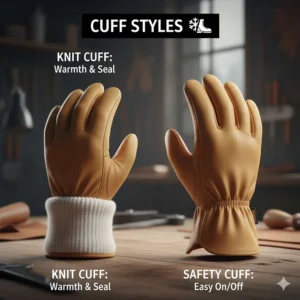
The Easy-On cuff with shirred elastic wrist facilitates quick donning and removal while creating a secure fit and blocking debris. The pieced grain deerskin leather hem creates a finished look while holding all layers together and preventing fraying. The ergonomic keystone thumb design offers flexible, full-range motion and helps prevent hand fatigue during extended wear.
Specifications:
- Premium full-grain deerskin
- Heatkeep thermal insulation with TR2 lining
- Keystone thumb and out-seam index finger
Users appreciate the “worn-in feel from day one”—the premium deerskin molds quickly to your grip. The out-seam index finger provides a smooth, comfortable interior that eliminates rub points.
✅ Pros:
- Premium leather quality
- Excellent moisture management
- Ergonomic comfort features
❌ Cons:
- Higher price for Kinco brand
- Limited size availability
7. Boss Arctik Premium Deerskin with 100g 3M Thinsulate (B98401)
The Boss Arctik B98401 rounds out our list with a reliable, well-designed option for cold and wet conditions. The premium deerskin leather is naturally soft and supple, providing ample durability and abrasion resistance for demanding work environments.
The 100g 3M Thinsulate lining offers a lightweight, synthetic solution for durability, breathability, and moisture resistance. The Gunn cut pattern features a seamless back and one seam at the base of the two middle fingers, offering maximum comfort and reducing high-wear seam exposure. The slip-on cuff allows for easy wear and removal while increasing wrist mobility—no fumbling with closures when you’re wearing heavy winter gear.
Specifications:
- Premium deerskin leather construction
- 100g 3M Thinsulate insulation
- Gunn cut pattern for comfort
These gloves perform admirably across various outdoor work scenarios, from landscaping to winter maintenance. The brown color ages beautifully, developing character over time.
✅ Pros:
- Easy on/off design
- Comfortable Gunn cut pattern
- Reliable Boss quality
❌ Cons:
- Basic feature set
- Less insulation than top models
✨ Don’t Miss These Exclusive Deals!
🔍 Take your cold weather work to the next level with these carefully selected products. Click on any highlighted item to check current pricing and availability. These gloves will help you maintain dexterity and warmth even in the harshest winter conditions!
Understanding Deerskin Leather: The Science Behind Superior Cold Weather Performance
When you’re shopping for the best deerskin work gloves for cold weather, understanding what makes deerskin special helps you make an informed choice. Unlike synthetic materials or heavier leathers, deerskin possesses unique properties that make it ideal for freezing temperatures.
The fiber structure of deerskin creates microscopic air pockets throughout the material. These tiny chambers trap warm air close to your skin while blocking cold air from penetrating. This natural insulation works efficiently even in sub-zero temperatures, providing warmth without the bulk of heavily padded alternatives.
Perhaps the most remarkable characteristic: deerskin retains its softness even after getting wet and drying. Cowhide stiffens and becomes uncomfortable when exposed to moisture, but deerskin remains supple. This property proves invaluable when working in snow, sleet, or humid cold conditions. The material can absorb some moisture without feeling damp against your skin, then dries quickly without losing flexibility.
Deerskin also stretches width-wise, conforming seamlessly to your hand’s unique shape. This elasticity ensures a snug fit that improves with use—the gloves literally mold to your grip pattern. When purchasing, opt for a slightly snug fit initially; the fibers will stretch to create a perfect custom fit after several wears.
Thermal Insulation Technologies: Thinsulate vs. Alternative Systems
The best deerskin work gloves for cold weather combine premium leather with advanced insulation technologies. 3M Thinsulate remains the industry gold standard, but understanding the alternatives helps you choose wisely.
3M Thinsulate Technology
Thinsulate consists of ultra-fine microfibers approximately 15 micrometers in diameter—significantly thinner than standard polyester fibers. This microscopic size allows manufacturers to pack more fibers into the same space, creating a denser thermal barrier. The material traps air molecules between fibers, preventing heat escape while allowing moisture to evaporate. When equal thicknesses are compared, Thinsulate provides approximately 1.5 times the warmth of down and twice the warmth of other high-loft insulation materials.
The synthetic composition offers several advantages over natural down. It retains insulating properties even when wet, doesn’t trigger allergies, and maintains loft through repeated washing. Different weights—ranging from 40g to 200g—suit varying temperature conditions. For winter work gloves, 100g provides solid protection for moderately cold conditions, while 150g-200g handles extreme cold.
Heatkeep and Alternative Systems
Proprietary systems like Heatkeep use hollow fibers combined with microfibers to enhance heat retention. The hollow fiber structure traps air more efficiently than solid fibers, creating superior insulation without additional bulk. These systems often incorporate moisture-wicking properties, pulling perspiration away from skin to maintain dry, comfortable hands.
The key difference? While Thinsulate focuses on microfiber density, Heatkeep emphasizes fiber structure. Both work excellently—the choice often comes down to specific temperature requirements and personal preference.

Water Resistance vs. Waterproof: Critical Distinctions for Winter Work
Many people assume “waterproof” and “water-resistant” mean the same thing. They don’t, and the distinction significantly impacts performance in winter conditions.
Water-Resistant Deerskin
Natural deerskin leather possesses inherent water-repelling properties. The tanning process and natural oils in the hide cause water to bead and roll off the surface rather than immediately soaking in. This resistance handles light snow, brief wet exposure, and moisture from handling cold equipment. The material can absorb some moisture without compromising warmth or flexibility, then dries relatively quickly.
However, water-resistant doesn’t mean impervious. Extended exposure to heavy snow, rain, or wet conditions will eventually saturate the leather. For work involving occasional moisture exposure—snow removal, winter construction, outdoor maintenance—water-resistant deerskin performs admirably.
Waterproof Construction
True waterproof gloves incorporate a membrane or barrier—typically TPU (thermoplastic polyurethane)—between outer and inner layers. This impermeable layer blocks all moisture penetration while allowing water vapor from perspiration to escape through microscopic pores. Waterproof gloves excel when working in consistently wet conditions: heavy snowfall, sleet, or handling wet materials.
The tradeoff? Waterproof construction typically reduces breathability somewhat, potentially causing hands to feel clammy during high-activity work. It also adds slight bulk and stiffness compared to water-resistant leather alone.
Making the Right Choice
For most winter work scenarios, water-resistant deerskin with quality insulation provides optimal performance. Choose waterproof construction if your work involves sustained moisture exposure or you live in regions with frequent wet snow and rain.
Sizing and Fit: Getting the Perfect Glove for Maximum Warmth
Even the best deerskin work gloves for cold weather won’t perform well if they don’t fit properly. Sizing deerskin requires different considerations than synthetic or coated gloves.
Measuring Your Hand
Use a flexible measuring tape to determine hand circumference. Wrap the tape around your dominant hand at the widest point across your palm, excluding your thumb. The measurement in inches corresponds directly to glove sizes: 8 inches = small, 9 inches = medium, 10 inches = large, 11 inches = extra large.
For deerskin specifically, order gloves that feel slightly snug initially. The leather will stretch width-wise with use, conforming to your hand shape. Gloves that fit loosely from the start will become too large, reducing warmth and dexterity. You want snug contact across the palm and fingers without restriction that impedes circulation.
Testing the Fit
When trying gloves on, make a fist several times. The leather should flex naturally without excessive bunching at the knuckles. Spread your fingers wide—there shouldn’t be uncomfortable pulling or restriction. Check the fingertip length; you want about 1/4 inch of space at the tips. More than that reduces dexterity, while less causes cramping during extended wear.
The wrist closure matters more than many realize. Whether elastic, shirred, or adjustable, it should seal comfortably around your wrist without cutting off circulation. This seal prevents cold air infiltration and keeps the glove positioned correctly during active work.
Maintenance and Care: Extending the Life of Your Investment
Quality deerskin gloves represent a significant investment. Proper care extends their lifespan considerably while maintaining performance.
Cleaning Deerskin Gloves
Unlike some work gloves, deerskin can be cleaned carefully. Use a leather-specific cleaner applied with a soft cloth, working in gentle circular motions. Never saturate the leather—dampness is sufficient. Pay particular attention to palm areas and finger bases where oils and grime accumulate.
After cleaning, apply a leather conditioner while the gloves remain slightly damp. The conditioner replenishes natural oils that cleaning removes, maintaining softness and water resistance. Work the conditioner thoroughly into seams and high-flex areas.
Drying Wet Gloves
When gloves get wet from snow or rain, resist the temptation to accelerate drying with direct heat. Never place deerskin gloves near radiators, heaters, or in dryers. High heat causes the leather to shrink, stiffen, and crack.
Instead, stuff wet gloves loosely with crumpled newspaper to help maintain shape and absorb moisture. Change the newspaper every few hours. Allow gloves to air dry completely at room temperature—this typically takes 24-48 hours depending on saturation level.
Storage
Store gloves in a cool, dry place away from direct sunlight. UV exposure degrades leather over time, causing brittleness. Avoid plastic bags, which trap moisture and promote mildew. Instead, use breathable cloth bags or simply leave gloves on a shelf with good air circulation.
Between seasons, apply a light coat of leather conditioner before storage. This prevents the leather from drying out during extended storage periods.
Cold Weather Performance: Temperature Ratings and Real-World Testing
Manufacturers provide temperature ratings, but understanding what these numbers mean in practice helps set realistic expectations.
Understanding Temperature Ratings
A glove rated for -20°F doesn’t guarantee comfortable hands at exactly -20°F. These ratings indicate the lowest temperature at which the glove provides adequate insulation under typical conditions—moderate activity, dry weather, limited wind. Your actual experience varies based on:
- Activity level (active work generates body heat)
- Wind speed (wind chill dramatically affects perceived temperature)
- Moisture exposure (wet conditions reduce insulation effectiveness)
- Individual cold tolerance (some people naturally have warmer or colder extremities)
- Duration of exposure (short bursts versus all-day wear)
As a general rule, choose gloves rated 10-15 degrees below the coldest temperature you expect to encounter regularly. This buffer accounts for wind chill and individual variation.
Layering Strategies
For extreme cold beyond your gloves’ rating, consider a liner system. Thin merino wool or synthetic liners worn beneath deerskin gloves add surprising warmth with minimal bulk reduction in dexterity. The liner wicks moisture from skin, while the deerskin provides wind protection and insulation.
This approach offers flexibility—wear gloves alone in moderate cold, add liners when temperatures plummet. Many professionals working in variable conditions keep thin liners readily available.
Dexterity vs. Warmth: Finding the Right Balance
The eternal trade-off in winter gloves: more insulation means warmer hands but reduced dexterity. The best deerskin work gloves for cold weather navigate this balance effectively.
Design Features That Enhance Dexterity
Keystone Thumb Construction: This design includes an extra piece of material in the thumb, allowing full range of motion without pulling or binding. You can grip tools, operate controls, and manipulate small objects more naturally.
Gunn Cut Pattern: Featuring fewer seams between fingers and a seamless back, this pattern places seams in low-wear areas. The result? Better flexibility and longer glove life.
Pre-Curved Fingers: Some premium models shape fingers in a natural curve matching your resting hand position. This reduces fatigue during gripping tasks and improves overall comfort.
When to Prioritize Warmth
Heavy insulation makes sense for stationary outdoor work—traffic control, equipment operation, security—where you’re not generating significant body heat through activity. The reduced dexterity matters less if you’re primarily standing or sitting.
For active work—construction, snow removal, landscaping—moderate insulation paired with quality deerskin often provides better overall performance. You maintain the finger sensitivity needed for tools while staying adequately warm through activity-generated heat.
Specialized Applications: Matching Gloves to Your Specific Work
Different jobs demand different glove characteristics. Here’s how to match features to your needs.
Construction and General Outdoor Work
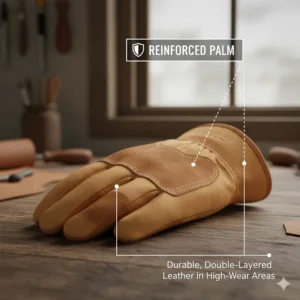
Look for gloves with reinforced palms and fingertips. The constant tool handling and material manipulation in construction accelerates wear in these areas. Models featuring double-layer palm construction or additional patches extend durability significantly. Prioritize water resistance—construction sites often involve wet materials, and morning frost creates moisture everywhere.
Equipment Operation
Touchscreen capability isn’t a luxury for equipment operators—it’s essential. Modern machinery relies on digital displays and controls. Choose gloves with proven touchscreen functionality (not all “touchscreen compatible” gloves work reliably). Slightly thinner insulation often works better, as operators generate less body heat than active workers and need maximum dexterity for controls.
Snow Removal and Winter Maintenance
Waterproof construction becomes critical for snow removal work. You’re constantly handling wet, frozen materials. Look for extended cuffs that tuck into jacket sleeves, creating a complete moisture barrier. Grip enhancement—textured palms or additional material—helps when handling shovels and tools with cold, potentially icy surfaces.
Driving and Transportation
Drivers need gloves that disappear—maximum flexibility with minimal bulk. Thinner deerskin models with moderate insulation work best. Ensure finger length is precise; excess material bunches on steering wheels, reducing control. The Gunn cut pattern shines here, offering superior grip sensitivity.
Common Mistakes When Choosing Winter Work Gloves
Avoid these frequent errors that lead to disappointing glove performance.
Mistake #1: Prioritizing Price Over Fit
A $50 pair of perfectly fitting gloves outperforms $20 gloves that fit poorly. Ill-fitting gloves create air gaps that negate insulation, restrict circulation (making hands colder), and reduce dexterity. Always prioritize proper fit—it’s the foundation of glove performance.
Mistake #2: Ignoring Break-In Period
Quality deerskin requires minimal break-in, but some stiffness is normal initially. Don’t judge gloves after one wearing. Use them for a full week, allowing the leather to conform to your hands. Many people return perfectly good gloves prematurely, missing out on their full potential.
Mistake #3: Choosing Maximum Insulation
More insulation doesn’t automatically mean better performance. Over-insulated gloves for your needs cause sweaty, uncomfortable hands. Moisture from perspiration reduces insulation effectiveness, creating a cycle of discomfort. Match insulation to your actual temperature exposure and activity level.
Mistake #4: Neglecting Wrist Closure
The wrist seal is often overlooked but critically important. Even the warmest gloves fail if cold air flows freely up your sleeves. Test the wrist closure carefully—it should seal firmly without uncomfortable tightness. Adjustable closures offer the best versatility across different jacket sleeves and weather conditions.
✨ Don’t Miss These Exclusive Deals!
🔍 Take your cold weather work to the next level with these carefully selected products. Click on any highlighted item to check current pricing and availability. Your hands deserve the best protection available!
Budget Considerations: Value at Every Price Point
Understanding pricing helps you find the best value for your specific needs and budget.
Budget-Friendly Options ($20-$30)
Entry-level deerskin gloves typically use split leather rather than full-grain. Split deerskin still offers excellent softness and cold protection but with reduced abrasion resistance. These work well for occasional winter use or light-duty applications. The Kinco 90HK and Wells Lamont 1091 represent excellent value in this range—proven brands with solid construction.
Mid-Range Sweet Spot ($30-$40)
This range often provides the best overall value. You get full-grain deerskin with quality insulation from established manufacturers. The OZERO models dominate here, offering features typically found in premium gloves at competitive prices. For most users, this tier delivers optimal performance per dollar spent.
Premium Investment ($40-$50+)
Premium gloves justify their cost through superior materials, advanced features, and exceptional durability. The SKYDEER SD8681T exemplifies this category—maximum insulation, touchscreen functionality, and construction that survives years of hard use. If you work outdoors daily in severe cold, the investment pays dividends in comfort and longevity.
Cost Per Year Calculation
Don’t evaluate glove cost purely on purchase price. Quality deerskin gloves lasting 3-5 years cost less annually than cheap gloves replaced every season. A $45 pair used for four winters costs $11.25 per year. A $20 pair replaced annually costs more over time while providing inferior performance.
Environmental Considerations: Sustainable Cold Weather Protection
Modern consumers increasingly consider environmental impact. Here’s what to know about deerskin gloves and sustainability.
Leather vs. Synthetic Debate
Deerskin represents a natural, renewable resource when sourced from managed populations. The tanning process has environmental impacts, but quality manufacturers increasingly use eco-friendly methods. Deerskin gloves typically last significantly longer than synthetic alternatives, reducing overall resource consumption through extended use.
Synthetic insulation like Thinsulate offers advantages too. 3M has developed recycled versions using post-consumer materials, reducing environmental footprint. The durability and performance of modern synthetics means they don’t sacrifice quality for sustainability.
End-of-Life Disposal
Unlike synthetic gloves that contribute to plastic waste, deerskin is biodegradable. When gloves finally wear out, the leather breaks down naturally. Remove synthetic components (insulation, elastic) for proper recycling when possible, then compost the deerskin or dispose in organic waste streams.
Extending Glove Life
The most environmentally responsible choice? Make quality gloves last as long as possible. Proper care, storage, and maintenance dramatically extend lifespan. A well-maintained pair of deerskin gloves can serve 5-10 years, significantly reducing waste compared to disposable alternatives.
Safety Standards and Certifications
While winter work gloves focus primarily on cold protection and comfort, understanding relevant safety standards helps when work involves additional hazards.
Cut and Abrasion Resistance
Deerskin offers natural abrasion resistance but generally doesn’t meet ANSI cut-resistance standards required for jobs involving sharp materials or machinery. If your work requires certified cut protection, you’ll need specialized gloves—deerskin models work for general cold protection but not hazardous materials handling.
ANSI/ISEA Hand Protection Standards
The American National Standards Institute (ANSI) and International Safety Equipment Association (ISEA) maintain standards for occupational hand protection. These standards classify gloves by protection level against mechanical hazards, punctures, and cuts. Traditional insulated deerskin work gloves typically fall outside these classifications, serving general-purpose cold weather work rather than specialized hazardous tasks.

FAQ
❓ How do you maintain deerskin work gloves for maximum longevity?
❓ What insulation gram weight is best for deerskin work gloves in extreme cold?
❓ Can deerskin work gloves be used for welding or high-heat applications?
❓ How should deerskin gloves fit for optimal cold weather performance?
❓ Are touchscreen-compatible deerskin gloves reliable for smartphones and tablets?
Conclusion: Making Your Final Choice
Selecting from the best deerskin work gloves for cold weather ultimately depends on your specific needs, budget, and working conditions. If you face truly extreme temperatures regularly, the SKYDEER SD8681T with its 150g Thinsulate insulation and -40°F rating provides unmatched protection. For versatile performance across varying conditions, the OZERO models deliver excellent features at competitive prices.
Budget-conscious shoppers shouldn’t overlook the Wells Lamont 1091 or Kinco 90HK—both offer solid construction and proven performance from respected manufacturers. The Boss Arctik provides reliable protection with user-friendly design, while the Wells Lamont 963 brings over a century of glove-making expertise to modern winter challenges.
Remember that the “best” glove is the one that fits your hands properly, suits your work requirements, and keeps you comfortable through winter’s worst conditions. Don’t compromise on fit—it’s the foundation of performance. Consider your typical temperature exposure, activity level, and any specialized needs like touchscreen capability or waterproof construction.
Quality deerskin gloves represent an investment in your comfort, productivity, and safety. With proper care, they’ll serve faithfully through multiple winters, making the initial cost easier to justify. Your hands deserve protection that works as hard as you do.
Recommended for You
- Goatskin Work Gloves vs Cowhide: 7 Best Dexterity Winners 2026
- 7 Best Cowhide Leather Work Gloves for Heavy Duty Work 2025
- 7 Best Boxing Gloves and Wraps for Ultimate Hand Protection 2025
Disclaimer: This article contains affiliate links. If you purchase products through these links, we may earn a small commission at no additional cost to you.
✨ Found this helpful? Share it with your friends! 💬🤗
