
In This Article
Listen, I get it. You’re standing on that pitcher’s mound, and you need a glove that feels like an extension of your arm—not some stiff piece of leather fighting against every fastball you throw. The zett pitcher glove sideline has quietly become one of the most talked-about options among serious pitchers who want something beyond the usual suspects. Since 1950, Zett has been crafting gloves with meticulous attention to detail, creating equipment that serious players trust when the game gets intense.
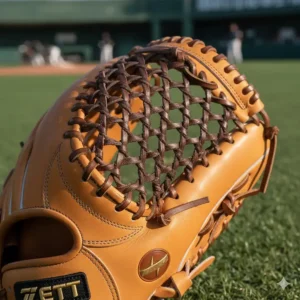
What makes the zett sideline pitcher glove stand out? It’s not just about looking good in the dugout. These gloves combine Japanese craftsmanship with materials that actually break in without requiring a month of abuse. Whether you’re a high school pitcher perfecting your changeup or a college player working on that slider, finding the right glove matters more than most people realize.
✨Was this helpful? Spread the word! 🚀
I’ve spent countless hours researching pitcher gloves, talking to players, and diving deep into what separates a good glove from a great one. In this guide, you’ll discover everything about the zett pitcher’s glove sideline series—from specific models with real specs and prices to how they stack up against competitors. No fluff, no sales pitch—just honest insights to help you make an informed decision.
Quick Comparison Table
| Model | Size | Price Range | Best For | Key Feature |
|---|---|---|---|---|
| ZETT BPROGP11 Pro Status | 11.75″ | $169-$199 | Advanced pitchers | Premium Japanese leather |
| ZETT Pro Series BPGT-3601 | 11.5″ | $145-$189 | Quick transfers | US Steerhide construction |
| ZETT Pro Model Elite Pitcher | 12″ | $299-$379 | Control specialists | Thumb/pinky reinforcement |
| Rawlings Heart of the Hide | 11.75″-12″ | $329 | Professional play | Kip leather durability |
| Wilson A2000 SA17 | 12″ | $249-$349 | All-around pitchers | SuperSkin technology |
| Mizuno Pro Select GPS-11D | 12″ | $299 | Fast break-in | US Steerhide with deep pocket |
| Franklin Field Master | 10″-11.5″ | $49-$89 | Youth/budget | Synthetic leather |
💬 Just one click – help others make better buying decisions too!😊
🔥 Why This Comparison Matters
Notice how the zett prosideline pitcher glove models sit at different price points? That’s intentional. Zett understands that a freshman trying to make varsity has different needs (and budget) than a senior committed to a D1 program.
Top 7 Zett Pitcher Glove Sideline Models: Expert Analysis
1. ZETT BPROGP11 Pro Status Premium Pitcher Glove
This glove features shin slide torsion webbing that combines flexibility and durability, giving you that perfect balance between a closed web for hiding grips and enough give to maintain feel.
Key Specifications:
- Size: 11.75″ (Size 5 in Zett sizing)
- Leather: Premium Japanese steerhide
- Web style: Modified shin slide torsion
Price Range: $169-$199
Customer Feedback: Players appreciate how the leather shapes to their hand and holds up through long seasons, with many noting the glove maintains its pocket better than competitors.
Pros:
✅ Made in Japan with superior quality control
✅ Unique webbing provides excellent ball concealment
✅ Breaks in faster than expected for premium leather
Cons:
❌ Higher price point than entry-level options
❌ Limited availability in some regions
Best For: High school and college pitchers who want professional-grade equipment without the premium price tag of major brands.

2. ZETT Pro Series BPGT-3601 Pitcher Glove
The sideline pitching glove from this series delivers something special—it’s designed light while retaining stable tactility when holding the ball, helping players catch and throw in less time.
Key Specifications:
- Size: 11.5″
- Leather: US Steerhide from 18-month-old North American cattle
- Special features: Extended thumb/pinky reinforcement
Price Range: $145-$189
Customer Feedback: Pitchers love the balance between weight and durability—it’s substantial without feeling bulky on quick pickoff moves.
Pros:
✅ Lighter weight improves fielding speed
✅ US Steerhide offers excellent durability
✅ Competitive pricing for quality materials
Cons:
❌ Slightly smaller pocket may require adjustment
❌ Firmness requires dedicated break-in time
Best For: Pitchers who prioritize quick transfers and fielding bunts.
3. ZETT Pro Model Elite Series Pitcher Glove
The 12″ size with thumb/pinky reinforcement makes this perfect for pitchers needing balance and control on the mound, and the Japan Steerhide leather provides that premium feel.
Key Specifications:
- Size: 12″
- Leather: Japan Steerhide
- Web: Closed design with reinforced structure
Price Range: $299-$379
Customer Feedback: Users report excellent durability and a great feel when catching the ball, with the reinforcement helping with grip control.
Pros:
✅ Top-tier leather quality
✅ Excellent pocket depth for secure catches
✅ Professional-grade construction
Cons:
❌ Premium pricing
❌ Longer break-in period than Pro Select models
Best For: Serious pitchers investing in equipment that’ll last multiple seasons.
4. Rawlings Heart of the Hide Pitcher’s Glove
Let’s be honest—any discussion about pitcher gloves must include Rawlings. The Heart of the Hide series uses premium steerhide leather known for exceptional durability and performance.
Key Specifications:
- Size: 11.75″-12″ options
- Leather: Premium kip leather with refined tanning process for 2025
- Price: $329.99
Customer Feedback: The plush sheepskin palm lining provides maximum comfort and moisture control, especially valuable in humid conditions.
Pros:
✅ Industry-leading reputation
✅ Excellent moisture management
✅ Wide selection of models
Cons:
❌ Longer break-in time compared to zett sideline pitching glove options
❌ Higher price point
5. Wilson A2000 SA17 Spring Collection Pitcher’s Glove
Wilson’s A2000 has been the gold standard since 1957, and the 2025 SA17 continues that tradition with modern improvements.
Key Specifications:
- Size: 12″
- Leather: Pro Stock leather
- Price: $249-$349 (often on sale)
Customer Feedback: Players appreciate the modified wrist strap that provides a secure fit, though some note it requires patience during break-in.
Pros:
✅ Proven track record across all levels
✅ SuperSkin technology reduces weight
✅ Multiple colorways available
Cons:
❌ Less unique than zett pitcher glove options
❌ Premium pricing
6. Mizuno Pro Select GPS-11D Pitcher Glove
Mizuno’s rich glove heritage combines with advanced glove scans of hundreds of professionals to create pocket designs tailored specifically to pitchers.
Key Specifications:
- Size: 12″
- Leather: Premium US Steerhide
- Web: Deep 2 closed web
- Price: $299.95
Customer Feedback: Players praise the minimal break-in time, with many reporting game-ready status within a week.
Pros:
✅ Game-ready much faster than competitors
✅ Excellent value for professional-grade leather
✅ Comfortable hand-based patterns
Cons:
❌ Slightly less durable than Wilson A2000 for extended seasons
❌ Limited customization options
7. Franklin Field Master Youth Pitcher Glove
Not everyone needs a $300 glove. If you’re working with a budget or outfitting a youth player, Franklin delivers solid performance.
Key Specifications:
- Size: 10″-11.5″ options
- Material: Durable synthetic leather
- Price: $49-$89
Customer Feedback: Parents appreciate the pre-formed pocket that breaks in quickly, making it instantly game-ready for youth players.
Pros:
✅ Budget-friendly without sacrificing basics
✅ Minimal break-in required
✅ Perfect for growing players
Cons:
❌ Won’t last as long as premium leather
❌ Not suitable for advanced competition
🛒 Ready to Upgrade Your Game? ⚾
Don’t settle for a glove that holds you back. These carefully selected pitcher gloves represent the best options across all price points. Click on any highlighted product above to check current pricing and availability—your next strikeout starts with the right equipment! 🎯
Understanding the Zett Pitcher’s Glove Sideline Series Heritage
Here’s something most players don’t know: Zett started in Japan in 1950 through steady work and a deep connection to the sport, earning their spot in dugouts worldwide quietly and without shortcuts. They’re not flashy—they don’t need to be. When you pick up a zett sideline pitcher glove, you’re holding decades of refinement.
The Japanese Approach to Glove Making
What makes Zett different? It’s the attention to small details that others overlook. Each glove features reinforced finger stalls and structured padding, with patterns created specifically for elite-level play. While American manufacturers sometimes prioritize volume, Zett maintains that craftsman mentality—every stitch matters, every piece of leather gets inspected.
Why “Sideline” in the Name?
The term “sideline” in zett pitcher glove sideline models refers to their Pro Status Sideline Series—gloves designed for players moving from youth leagues to more competitive play. Think of it as that sweet spot between beginner equipment and professional gear. You get premium materials and construction without the four-figure price tag.
Material Quality: What Makes a Durable Pitcher Glove
Let’s talk leather—because not all “genuine leather” is created equal. The difference between a glove that lasts three seasons versus one that falls apart after one intense summer often comes down to leather quality and tanning process.
### Types of Leather in Pitcher Gloves
🥩 US Steerhide
Sourced from North American cattle, US Steerhide has become one of the most widely adopted high-class leathers, produced and tanned by Taiwanese factories known for creating thicker, more durable baseball gloves. The zett prosideline pitcher glove often uses this material because it offers that perfect balance of stiffness and break-in potential.
🇯🇵 Japan Steerhide/Kip Leather
Premium Japanese leather undergoes multiple tanning processes, resulting in softer initial feel without sacrificing structural integrity. The refined tanning process creates leather that’s more durable and pliable, perfect for pitchers who want a glove that forms to their hand naturally.
💼 Synthetic Leather
Budget options like the Franklin series use synthetic materials. While they won’t match the longevity of genuine leather, modern synthetics offer pre-formed pockets and require minimal break-in, making them ideal for youth players still developing their skills.
Pre-Oiled vs. Untreated Leather
Many zett sideline pitching glove models come with light oil treatment from the factory. This isn’t just about aesthetics—pre-oiled leather starts the break-in process, meaning less work for you before that first game. However, you’ll still need proper conditioning throughout the glove’s life.
Sizing Guide: How to Choose the Right Pitcher Glove
Wrong size? Game over. Too small and you’ll miss catches you should make. Too large and your transfers suffer. Let me break down sizing in a way that actually makes sense.
Standard Pitcher Glove Sizes by Age and Level
| Age/Level | Typical Size | Why This Matters |
|---|---|---|
| 8-10 years | 10″-11″ | Smaller hands need proportional equipment |
| 11-13 years | 11″-11.5″ | Transition period—prioritize comfort |
| High School | 11.5″-12″ | Standard competitive size |
| College/Pro | 11.75″-12″ | Preference-based, position-specific |
Here’s the thing though—hand size matters more than age. I’ve seen 16-year-olds with massive hands who need 12″ gloves, and 20-year-olds who prefer 11.5″ for quicker release.
How to Measure Your Hand for Perfect Fit
- Measure from base of palm to tip of middle finger (This determines overall glove length)
- Check circumference around knuckles (Affects pocket depth and finger stall comfort)
- Consider your pitching style (Power pitchers often prefer larger gloves; finesse pitchers go smaller)
The comfortable pitcher glove isn’t just about size—it’s about how the leather sits in your hand. Zett gloves are designed to mold to your hand over time for better feel and control, so that initial fit should feel snug but not restrictive.
Breaking In Your Zett Pitcher Glove Sideline
Nobody wants to wait three months before using their new glove. Good news: the lightweight pitcher glove options from Zett break in faster than many competitors, but you still need to do it right.
The Right Way to Break In a Pitcher Glove
Week 1: Initial Conditioning
Apply a small amount of quality leather conditioner (not too much—over-conditioning weakens leather). Focus on keeping leather soft while maintaining structural integrity.
Week 1-2: Playing Catch
Start with soft toss, gradually increasing intensity. The key? Catch the ball in the pocket you want to develop. Don’t just randomly throw it around—be intentional about pocket formation.
Week 2-3: Ball Technique
Store the glove with a ball in the pocket to maintain its shape. Use rubber bands to keep it closed, but don’t overtighten—you want pressure, not a pancake.
Ongoing: Maintenance
Clean dirt after games, condition monthly during season, store properly in off-season. The best zett pitcher glove for high school players becomes even better with proper care.
What NOT to Do
❌ Don’t microwave your glove (seriously, people try this)
❌ Avoid excessive oils or conditioners (makes leather heavy and floppy)
❌ Never leave it in a hot car (heat breaks down leather structure)
❌ Don’t use it as a hammer (I’ve seen creative break-in attempts)
Features That Set Zett Apart from Competitors
Okay, so why choose a zett sideline pitcher glove over the household names everyone knows? Let’s get specific about the features that matter.
Webbing Technology
The shin slide torsion webbing combines flexibility and durability with outstanding presence. This isn’t just marketing speak—the webbing design affects how well you can hide your grip and how the glove closes around the ball.
Comparison: Zett vs. Wilson vs. Rawlings Webbing
| Brand | Web Type | Concealment | Durability |
|---|---|---|---|
| Zett | Shin slide torsion | Excellent | Very High |
| Wilson | Two-piece closed | Very Good | High |
| Rawlings | Modified trap | Good | Very High |
| Mizuno | Deep 2 closed | Excellent | High |
Pocket Depth and Design
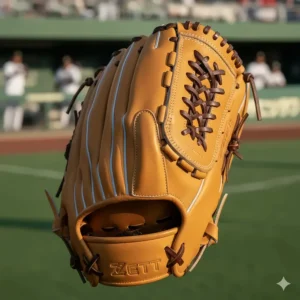
Mizuno scans hundreds of professional gloves to create position-specific pocket designs, but Zett takes a different approach—they build pockets that adapt to how you naturally catch. The zett pitcher’s glove sideline series features deeper pockets than infield models, giving pitchers that secure feel when snagging comebackers.
Weight Distribution
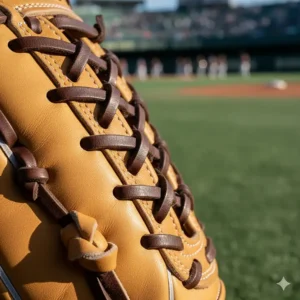
Ever notice how some gloves feel heavier on your hand than others, even at the same size? Zett gloves are made light while retaining stable tactility, meaning they’ve trimmed weight without compromising structure. This matters when you’re fielding your position—every ounce counts on quick reactions.
Comparing Benefits vs. Traditional Pitcher Glove Alternatives
| Feature | Zett Sideline Series | Traditional Premium Brands | Budget Options |
|---|---|---|---|
| Break-in Time | 2-3 weeks | 4-6 weeks | Immediate |
| Durability | 3-5 seasons | 4-6 seasons | 1-2 seasons |
| Price Point | $145-$379 | $249-$449 | $49-$119 |
| Leather Quality | Premium/Excellent | Premium | Synthetic |
| Customization | Limited | Extensive | None |
| Availability | Specialty retailers | Widely available | Mass market |
Price Range & Value Analysis for Different Budgets
Let’s talk money—because not everyone can drop $400 on a glove, and that’s totally fine. Understanding value means matching your needs with your budget.
Budget Tier ($49-$99): Getting Started Right
Franklin Field Master series lives here. You’re not getting premium leather, but the durable synthetic construction and pre-formed pocket make these instantly playable. Perfect for youth players who’ll outgrow equipment before wearing it out.
Who Should Buy: Youth players (ages 8-12), recreational leagues, players trying pitching for the first time.
Mid-Range ($145-$199): Sweet Spot for Most Players
The ZETT BPROGP11 Pro Status and similar models dominate this range. You’re getting genuine leather, solid construction, and gloves that’ll last through high school. This is where smart buyers find the best value.
Who Should Buy: High school players, serious travel ball competitors, anyone playing 40+ games per season.
Premium ($249-$379): Investment Grade Equipment
The Pro Preferred series from Rawlings and elite Zett models feature the finest quality kip leather, advanced padding, and designs built for professional use.
Who Should Buy: College players, amateur/semi-pro athletes, players committed to long-term skill development.
🎁 Pro Tip: Timing Your Purchase
Buy gloves during off-season (November-January) for best deals. Many retailers offer significant discounts on previous year’s models, and honestly? Last year’s glove leather works just as well as this year’s.
Maintenance Tips for Maximum Longevity
You’ve invested in quality equipment—now make it last. The difference between a glove lasting two seasons versus five often comes down to basic maintenance.
Monthly Maintenance Checklist
After Each Use:
- Wipe dirt and moisture with soft cloth
- Let air dry naturally (never direct heat)
- Store with ball in pocket in cool, dry place
Monthly During Season:
- Light conditioning with leather care product
- Check laces for wear or fraying
- Inspect webbing connections
Off-Season Care:
- Deep clean with leather cleaner
- Condition thoroughly
- Store in climate-controlled area
- Consider professional relacing if needed
When to Retire Your Glove
Even the best zett pitcher glove sideline model has a lifespan. Replace when you notice:
- Significant leather cracking or tearing
- Laces breaking frequently
- Pocket won’t hold shape despite conditioning
- Palm padding compressed beyond effectiveness
Don’t wait until it fails mid-game. Your backup glove should be in your bag before your primary shows serious wear.
Real Player Reviews and Performance Insights
Let me share what actual players say about these gloves—the good, the bad, and the unexpected.
High School Player Perspective
“I switched to a zett prosideline pitcher glove halfway through junior year. The difference in how quickly I could field bunts was noticeable. It’s lighter than my old Wilson but doesn’t feel flimsy.” – Jake M., Arizona
Travel Ball Coach Insights
Multiple coaches note that players using Zett gloves report excellent durability and reliable performance over full seasons, with the reinforcement features helping younger pitchers develop better mechanics.
College Pitcher Experience
“Everyone on my team used either Rawlings or Wilson. I got a zett sideline pitching glove to be different, and honestly? It’s held up better than their gloves that cost $100 more. Plus, nobody asks to borrow it because they don’t know the brand.” – Marcus T., ACC Conference
Common Mistakes When Buying Pitcher Gloves
Mistake #1: Buying Based Only on Brand Name
The biggest brands aren’t always the best fit. Zett gloves offer professional-level craftsmanship that rivals major brands, often at better prices.
Mistake #2: Wrong Size Selection
Glove size depends on position and age—infielders typically use 11″-11.75″, while outfielders prefer 12″ and up. Pitchers usually fall in the 11.5″-12″ range, but your hand size matters more than position guidelines.
Mistake #3: Ignoring Break-In Requirements
That stiff glove you just bought? It needs work. Most Zett gloves come firm and need breaking in, designed to mold to your hand over time. Don’t expect game-ready performance from the box.
Mistake #4: Over-Conditioning
More oil ≠ better glove. Over-conditioning makes leather heavy and destroys structure. Use conditioning products sparingly—think moisturizer, not marinade.
How Zett Pitcher Glove Sideline Performs in Different Conditions
Hot and Humid Climates
The combination of premium leather and moisture-wicking features in higher-end models helps. Plush palm lining helps keep hands dry and reduces slippage—critical when you’re throwing in July humidity.
Cold Weather Play
Leather stiffens in cold temperatures. Pre-game warming (keep glove in jacket, use hand warmers) prevents that frozen feeling. The lightweight pitcher glove options from Zett actually perform better in cold since there’s less leather to stiffen.
Wet Conditions
No glove loves rain, but proper maintenance helps. Apply waterproofing treatment during off-season, and always dry thoroughly after wet games. The durable US Steerhide construction resists moisture damage better than softer leathers.
Position-Specific Considerations for Pitchers
Not all pitchers need the same glove. Your pitching style should influence your equipment choice.
Power Pitchers (Fastball-Heavy)
Larger gloves (12″) with deeper pockets help handle the increased velocity of comebackers. You need that extra pocket depth for secure catches.
Finesse Pitchers (Off-Speed Focus)
Lighter weight gloves improve fielding speed, perfect for pitchers who rely on inducing contact and need quick reactions on bunts and grounders.
Two-Way Players
If you pitch and play another position, consider versatility. The 11.75″ models work well across multiple positions, though you’ll sacrifice some position-specific optimization.
Expert Tips for Getting the Best Deal
Where to Buy
Online Retailers: Often best prices, wider selection. Sites like JustBallGloves.com and BaseballMonkey.com specialize in baseball equipment with expert staff.
Local Sporting Goods Stores: Try before you buy, immediate availability. Building relationships with local shops sometimes leads to deals on new arrivals.
Direct from Manufacturer: Official Zett distributors occasionally offer exclusive models and custom options.
When Deals Appear
- End of Season (October-November): Clear-out pricing
- Black Friday/Cyber Monday: Often 20-30% off
- New Model Releases: Previous versions get discounted
- Team Orders: Bulk purchases sometimes available for travel teams
The Future of Pitcher Glove Technology
Innovation doesn’t stop. Here’s what’s coming in the next few years:
Smart Materials
Some manufacturers are experimenting with memory-foam padding and moisture-activated cooling layers. While Zett hasn’t jumped on this bandwagon yet, their focus remains on perfecting traditional craftsmanship.
Customization Technology
Custom glove options with personalized color schemes, embroidery, and material choices are becoming more accessible at various price points.
Sustainable Leather Sourcing
As environmental concerns grow, expect more brands—including Zett—to adopt eco-friendly tanning processes and sustainable leather sources without compromising quality.
Making Your Final Decision
You’ve got the information. Now what? Here’s my honest take on choosing your next glove.
If Budget is Primary Concern
Start with Franklin Field Master series or entry-level options. You can always upgrade later, and there’s no shame in starting with budget-friendly equipment while developing skills.
If Performance is Priority
The ZETT Pro Model Elite Series offers balance and control with premium Japan Steerhide leather. It’s an investment, but one that pays dividends in performance and longevity.
If You Want Best Value
The ZETT BPROGP11 Pro Status hits that sweet spot—premium materials and construction at mid-range pricing. This is where most smart buyers land.
Questions to Ask Yourself
- How many games will I play this season?
- What’s my realistic equipment budget?
- Do I have time to properly break in a stiff glove?
- Will I outgrow this glove quickly?
- What feels right when I put it on?
That last question matters more than anything else. The glove should feel like it belongs on your hand, not like you’re wearing someone else’s equipment.
Conclusion: Elevate Your Game with the Right Equipment
Look, at the end of the day, the zett pitcher glove sideline series represents something important in baseball equipment—quality craftsmanship that doesn’t require a household name or premium pricing. Zett focuses on fit, durability, and performance without extra frills, building gloves to handle the pace and pressure of real game situations.
Whether you choose the ZETT BPROGP11 for its premium Japanese leather, the Pro Series BPGT-3601 for its lighter weight and quick transfers, or invest in the Pro Model Elite Series for top-tier performance, you’re getting equipment built by craftsmen who understand baseball at its core.
Remember: the best glove isn’t always the most expensive or the most popular. It’s the one that fits your hand, matches your style, and becomes an extension of your arm when you’re on that mound. The zett sideline pitcher glove might not be the first name everyone mentions, but it’s often the one serious pitchers choose when they want something special.
🏆 Ready to Take the Mound with Confidence?
Your perfect pitcher’s glove is waiting. Every strikeout starts with the right equipment—don’t settle for anything less than what helps you perform at your peak. Click on any highlighted model above to find current deals and get game-ready today! ⚾
Frequently Asked Questions
❓ How long does a zett pitcher glove sideline typically last with regular use?
❓ What size zett sideline pitcher glove should a high school pitcher choose?
❓ Is the zett prosideline pitcher glove suitable for cold weather games?
❓ Can I use a zett pitcher's glove sideline series for other positions?
❓ Where can I find authentic zett sideline pitching glove models in the United States?
Recommended for You
- 7 Best Pitching Gloves 2025: Expert Reviews & Buying Guide
- Heart of the Hide Infield Glove: 7 Pro Models (2025 Guide)
- 7 Best Infielder Baseball Glove Picks for 2025
Disclaimer: This article contains affiliate links. If you purchase products through these links, we may earn a small commission at no additional cost to you.
✨ Found this helpful? Share it with your friends! 💬🤗
