

In This Article
Ever tried working outdoors in freezing temperatures with regular gloves? Your fingers go numb, you lose dexterity, and suddenly that simple task becomes a frustrating ordeal. I’ve been there, and it’s not pleasant.
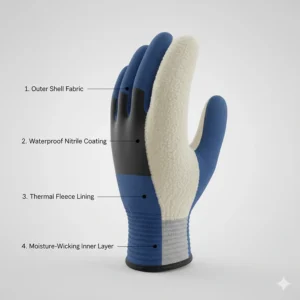
Here’s the thing about winter work gloves: you need something that actually works. Not those flimsy cotton things that soak through in minutes, and definitely not the bulky ski gloves that turn your hands into useless mittens. You need nitrile coated gloves for cold weather – the perfect marriage of warmth, grip, and functionality.
What makes nitrile coated gloves for cold weather so special? The nitrile coating provides waterproof protection and exceptional grip even in wet, icy conditions, while the thermal lining keeps your hands toasty warm. According to the National Institute for Occupational Safety and Health (NIOSH), proper hand protection is crucial for preventing cold-related injuries in workplace settings. These gloves deliver on that promise without sacrificing the finger mobility you need to actually get work done.
Whether you’re working construction in sub-zero temps, loading packages in a cold warehouse, or just tackling winter yard work, the right pair of insulated nitrile work gloves can transform your cold-weather experience. In this guide, I’ll walk you through the top 7 options available in 2026, break down what really matters when choosing winter nitrile coated gloves, and help you find the perfect pair for your specific needs.
Quick Comparison Table: Top Nitrile Coated Gloves at a Glance
| Product | Temperature Rating | Lining Type | Price Range | Best For |
|---|---|---|---|---|
| Ironclad Cold Condition | -4°F to 122°F | Fleece | $25-35 | Heavy-duty construction |
| Wells Lamont HydraHyde | 0°F to 95°F | Acrylic Terry | $15-22 | General winter work |
| Showa Atlas 451 | -58°F to 140°F | Thermal Acrylic | $30-40 | Extreme cold environments |
| Mechanix Wear Winter Impact | 5°F to 104°F | Fleece + 3M Thinsulate | $35-45 | Impact protection needs |
| Vgo Glove 3-Pairs Pack | -4°F to 104°F | 7-Gauge Acrylic | $18-25 | Budget-conscious buyers |
| Maxiflex Ultimate Cold Grip | -4°F to 113°F | Micro-foam nitrile | $22-28 | Precision work |
| Carhartt Winter Dex II | 0°F to 95°F | Foam nitrile palm | $20-30 | All-around versatility |
💬 Just one click – help others make better buying decisions too!😊
Top 7 Nitrile Coated Gloves for Cold Weather: Expert Analysis
1. Ironclad Cold Condition Waterproof Gloves
If you’re serious about working in brutal cold, the Ironclad Cold Condition gloves are game-changers. These aren’t your average winter work gloves – they’re engineered for professionals who refuse to let freezing temperatures slow them down.
Key Specifications:
- Temperature range: -4°F to 122°F (-20°C to 50°C)
- 100% waterproof nitrile coating with dual-layer construction
- Duraclad reinforcement on high-wear areas
- Touchscreen compatible fingertips
The dual-layer nitrile coating creates an impenetrable barrier against moisture while maintaining excellent cold weather dexterity. One construction foreman told me these gloves lasted him through an entire Canadian winter on outdoor job sites – that’s serious durability. At around $30 per pair, they’re pricier than budget options but absolutely worth it if you’re working in harsh conditions daily.
Pros:
✅ Exceptional warmth without bulk
✅ Superior grip in wet, oily conditions
✅ Reinforced wear zones significantly extend lifespan
Cons:
❌ Break-in period needed for optimal flexibility
❌ Runs slightly large – consider sizing down
2. Wells Lamont HydraHyde Winter Work Gloves
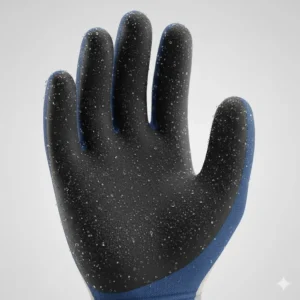
The Wells Lamont HydraHyde represents that sweet spot between affordability and performance. These cold resistant work gloves have been a contractor favorite for years, and the 2026 version includes several thoughtful improvements.
Key Specifications:
- Acrylic terry lining with added insulation
- Nitrile palm coating extends to knuckles
- Elastic wrist keeps debris out
- Available in sizes S-2XL
What I love about these gloves is their versatility. They handle everything from snow removal to warehouse work without complaint. The nitrile coating provides solid grip on tools and materials, while the acrylic terry lining offers decent warmth down to about 0°F. Customer reviews consistently praise their durability – many users report 6+ months of heavy use before noticing significant wear.
Pros:
✅ Excellent value at $15-22
✅ Comfortable for extended wear
✅ Good balance of warmth and flexibility
Cons:
❌ Not fully waterproof (coating doesn’t cover entire glove)
❌ Insulation could be thicker for extreme cold
3. Showa Atlas 451 Therma Fit Cold Storage Gloves
When you need to work in refrigerated environments or extreme cold, the Showa Atlas 451 is your answer. These winter nitrile coated gloves are specifically designed for cold storage facilities and outdoor work in Arctic-like conditions.
Key Specifications:
- Extreme temperature rating: -58°F to 140°F
- 10-gauge thermal acrylic liner
- Textured nitrile palm for enhanced grip
- Seamless knit construction prevents irritation
The freeze-resistant coating maintains flexibility even at temperatures that would turn standard gloves rigid. Cold storage workers swear by these – they can handle cases and pallets straight from the freezer without their hands going numb. The $30-40 price point reflects the specialized engineering, but if you’re regularly working below zero, they’re essential equipment.
Pros:
✅ Industry-leading cold temperature performance
✅ Maintains dexterity in extreme conditions
✅ Seamless design prevents blisters during extended use
Cons:
❌ Overkill for moderate winter weather
❌ Slightly less durable than heavier-duty options
4. Mechanix Wear Winter Impact Protection Gloves
The Mechanix Wear Winter Impact gloves bring a different dimension to cold weather hand protection. These aren’t just insulated – they’re armored.
Key Specifications:
- 3M Thinsulate 40g insulation
- Thermoplastic Rubber (TPR) knuckle and finger protection
- Water-resistant synthetic leather palm with nitrile grip
- Dual-layer internal construction
Perfect for anyone working with power tools, heavy machinery, or in environments where impact hazards exist alongside cold temperatures. Mechanics, construction workers, and heavy equipment operators appreciate the added protection without sacrificing too much tactile sensitivity. The combination of thermal lining and impact resistance makes these unique in the market.
Pros:
✅ Superior impact protection alongside cold resistance
✅ 3M Thinsulate provides efficient warmth without bulk
✅ Durable construction withstands rough treatment
Cons:
❌ Higher price point at $35-45
❌ Slightly bulkier than pure cold-weather gloves
5. Vgo Glove 3-Pairs Value Pack
Budget-conscious workers, pay attention. The Vgo Glove 3-pack delivers impressive performance at an unbeatable price point, making these insulated nitrile work gloves a smart choice for those who need multiple pairs or burn through gloves quickly.
Key Specifications:
- 7-gauge acrylic shell with latex coating
- Double nitrile coated palm and fingers
- Temperature range: -4°F to 104°F
- Sold in convenient 3-pair packs
At roughly $6-8 per pair when you buy the pack, these offer remarkable value. Don’t let the low price fool you – they’re surprisingly capable. The double nitrile coating provides good grip and decent water resistance, while the acrylic shell offers adequate warmth for most winter conditions. Perfect for seasonal workers, homeowners tackling winter projects, or anyone who needs backup pairs.
Pros:
✅ Exceptional value – three pairs for under $25
✅ Decent cold weather dexterity for the price
✅ Multiple pairs mean always having clean gloves ready
Cons:
❌ Lower durability than premium options
❌ Insulation not sufficient for extreme cold
6. Maxiflex Ultimate Cold Grip Winter Gloves
For precision work in cold environments, the Maxiflex Ultimate Cold Grip stands alone. These gloves prioritize tactile sensitivity while still providing meaningful cold protection.
Key Specifications:
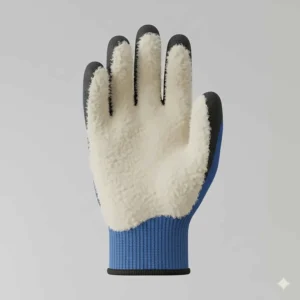
- Micro-foam nitrile coating with 360° breathability
- Ultra-lightweight 18-gauge seamless liner
- Nitrile dots on palm for enhanced grip
- Form-fitting design for maximum dexterity
These are the gloves you grab when you need to handle small parts, operate touchscreens, or perform detailed assembly work in unheated spaces. The micro-foam nitrile coating gives you nearly bare-hand sensitivity while the thermal lining keeps fingers functional in temperatures down to about -4°F. Assembly workers and electronics technicians particularly appreciate the cold weather dexterity these provide.
Pros:
✅ Best-in-class tactile sensitivity for cold-weather gloves
✅ Lightweight and breathable – hands don’t overheat
✅ Excellent for detailed manipulation tasks
Cons:
❌ Not suitable for heavy-duty applications
❌ Less insulation than dedicated winter gloves
7. Carhartt Winter Dex II Glove
Leave it to Carhartt to create a no-nonsense, all-around performer. The Carhartt Winter Dex II is the reliable workhorse that handles whatever winter throws at it.
Key Specifications:
- Synthetic leather palm with foam nitrile grip
- Brushed tricot lining for comfort
- FastDry technology wicks away moisture
- Reinforced saddle and fingertips
These gloves don’t excel at any one thing – they’re just solid performers across the board. The foam nitrile palm provides good grip in cold, wet conditions, while the brushed lining offers comfortable warmth. Carhartt’s reputation for durability shines through here; these gloves take abuse and keep working. At $20-30, they’re positioned perfectly as quality all-around winter work gloves.
Pros:
✅ Proven Carhartt durability and quality
✅ Comfortable for all-day wear
✅ Good all-weather performance
Cons:
❌ Not specialized for extreme cold
❌ Grip coating can wear faster than full nitrile coverage
✨ Don’t Miss These Exclusive Deals!
🔍 Take your winter work performance to the next level with these carefully selected products. Click on any highlighted item above to check current pricing and availability. These gloves will help you maintain productivity and comfort no matter how cold it gets!
Understanding Nitrile Coating Technology for Cold Weather
Nitrile isn’t just rubber – it’s a synthetic polymer specifically engineered to outperform natural materials in challenging conditions. The American Chemical Society explains that nitrile rubber (acrylonitrile-butadiene rubber) maintains flexibility across a wider temperature range than traditional materials.
When you see nitrile coated gloves for cold weather, you’re looking at multiple layers working together. The outer nitrile shell provides waterproofing and chemical resistance, while maintaining grip even when wet or oily. Unlike latex or vinyl, nitrile doesn’t become brittle in freezing temperatures. This freeze-resistant coating characteristic makes it ideal for winter applications.
The coating thickness matters significantly. Full-dip nitrile gloves offer maximum protection but can reduce tactile sensitivity. Palm-only coated options maintain better finger dexterity while still protecting high-contact areas. For cold weather specifically, look for nitrile formulations designed to remain pliable below freezing – not all nitrile compounds perform equally in extreme cold.
Modern manufacturing techniques create micro-textured surfaces on the nitrile coating, dramatically improving grip. This becomes crucial when handling tools, materials, or equipment in cold conditions where your natural grip strength may be compromised. The best winter nitrile coated gloves combine this textured grip with thermal insulation layers underneath.
Insulation Types and Thermal Performance
The thermal lining inside your gloves does the heavy lifting for warmth. Different insulation materials offer distinct advantages worth understanding before you buy.
Acrylic terry linings are the most common in budget-friendly cold resistant work gloves. They provide decent insulation, wick moisture reasonably well, and cost less to manufacture. Expect comfortable performance down to about 20°F during active work. Below that, you’ll start noticing the cold creeping in during static periods.
Fleece insulation offers a significant step up in warmth and comfort. The dense pile structure traps more air, creating better thermal barriers. Fleece also manages moisture effectively, keeping your hands dry even during demanding physical work. Quality fleece-lined gloves typically perform well into single-digit temperatures.
3M Thinsulate represents premium insulation technology. This microfiber insulation provides exceptional warmth relative to its thickness, meaning you get serious cold protection without the bulk that destroys dexterity. Thinsulate-equipped gloves often perform effectively at 0°F and below while maintaining reasonable finger mobility.
Thermal acrylic blends used in specialized cold-storage gloves can handle extreme conditions. These engineered fabrics maintain insulating properties at temperatures that would render standard materials useless. If you’re regularly working below -20°F, this level of insulation becomes necessary rather than luxurious.
Understanding the relationship between insulation thickness and temperature rating helps you choose appropriately. Thicker isn’t always better if it compromises your ability to actually use your hands. Match your insulation level to your typical working temperatures and activity level.
Grip Performance in Winter Conditions
Maintaining secure grip in winter presents unique challenges. Wet surfaces, ice, snow, and frozen condensation all conspire to make holding onto things difficult and dangerous.
The textured nitrile coating on quality winter work gloves creates mechanical grip through physical patterns – tiny ridges and dots that interlock with surface irregularities. This works even when surfaces are wet or icy, unlike smooth rubber that simply slides. Look for diamond patterns, micro-dots, or cross-hatching on the palm and fingers.
Oil resistance becomes crucial for many winter applications. Machinery, tools, and materials often have oil, grease, or hydraulic fluid present. Nitrile’s natural oil resistance means your grip doesn’t disappear when contaminants enter the equation. This advantage over natural rubber makes nitrile coated gloves for cold weather preferred in automotive and industrial settings.
Palm coating coverage varies by application needs. Full-palm coverage offers maximum protection and grip but can reduce breathability. Finger-and-palm coating balances protection with ventilation. Understanding your primary tasks helps determine the right coverage pattern. If you’re handling wet materials constantly, go full coverage. For mixed indoor/outdoor work, partial coating may prove more comfortable.
The coating’s flexibility in cold temperatures separates good gloves from great ones. Some nitrile formulations stiffen at low temperatures, reducing both grip and dexterity. Premium winter-specific nitrile compounds maintain pliability well below freezing. This characteristic isn’t always obvious from product descriptions, so user reviews from cold-climate workers provide valuable real-world insight.

Dexterity vs. Warmth: Finding Your Balance
This is the eternal struggle with insulated nitrile work gloves. Add more insulation for warmth, and you lose finger mobility. Minimize bulk for dexterity, and you sacrifice cold protection. Finding your personal sweet spot depends on your specific work requirements.
High-dexterity applications – electronics assembly, precision mechanical work, tasks involving small fasteners – demand thinner gloves even if it means accepting less warmth. The 13-gauge or 15-gauge liner gloves with minimal insulation and thin nitrile coating maintain near-bare-hand sensitivity. Plan to work in shorter intervals outdoors or supplement with hand warmers for static periods.
General construction and warehouse work occupies the middle ground. You need reasonable finger control but also extended cold protection. Medium-weight gloves with 7-gauge or 10-gauge liners and moderate insulation typically work well. These gloves let you operate power tools, handle materials, and maintain productivity without your hands going numb after 20 minutes outside.
Heavy-duty applications in extreme cold – cold storage work, Arctic construction, winter logging – prioritize warmth over fine motor control. Thick insulation, heavy-gauge liners, and substantial nitrile coating create warm havens for your hands. You sacrifice some precision, but you maintain the ability to work for extended periods in conditions that would otherwise be unbearable.
Consider rotating between glove types based on task demands. Keep heavy-duty gloves for outdoor transport and setup, switch to medium-weight for general work, and use high-dexterity gloves for detailed tasks. This approach maintains both warmth and functionality throughout your workday.
Sizing and Fit Considerations
Poorly fitting gloves undermine everything else. Too loose, and you lose dexterity while cold air infiltrates. Too tight, and you restrict circulation, actually making your hands colder while reducing the insulation’s effectiveness.
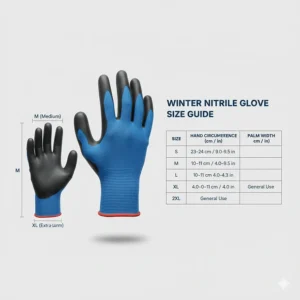
Measure your hand circumference at the widest point across your palm, excluding the thumb. Most manufacturers provide sizing charts based on this measurement. When between sizes with winter gloves, consider the insulation thickness – insulated gloves need slightly more room than summer work gloves to avoid constricting your hands.
The thermal lining affects fit significantly. A glove that feels right without insulation may become too tight once you add a thick thermal layer. Try on insulated gloves if possible, making a fist and spreading your fingers to ensure adequate mobility. Your fingertips should reach the glove tips without excess material bunching up.
Wrist closure matters more in cold weather than summer. Elastic wrists keep cold air from sneaking in but shouldn’t constrict so much they cut off circulation. Knit wrist cuffs extend further up the forearm, providing additional protection when reaching or working overhead. Adjustable closures let you customize the fit for different clothing layers underneath.
Remember that cold constricts blood vessels, making your hands slightly smaller in frigid conditions. A glove that feels perfect at room temperature might actually be slightly loose when you’re working in 10°F weather. This isn’t necessarily bad – that little bit of extra space allows better blood circulation, potentially keeping your hands warmer overall.
Waterproofing and Moisture Management
Wet hands in cold weather aren’t just uncomfortable – they’re dangerous. Water conducts heat away from your skin 25 times faster than air, rapidly leading to numbness, loss of function, and potential cold injuries.
Full nitrile dip gloves provide complete waterproofing – your hands stay dry even when submerged briefly. This total protection comes at the cost of reduced breathability. During active work, perspiration can accumulate inside the glove with nowhere to go. For truly wet conditions or brief exposure, this trade-off makes sense.
Palm-only nitrile coating offers a compromise. The coated areas resist water penetration where you contact materials, while the uncoated back allows moisture vapor to escape. This works well for light rain, snow, or occasional wet contact. Heavy sustained moisture exposure will eventually penetrate the knit backing.
Interior moisture management separates quality gloves from cheap ones. The thermal lining should wick perspiration away from your skin, moving it toward the glove’s exterior where it can evaporate. Acrylic and polyester blends typically handle this well. Pure cotton linings absorb moisture and hold it against your skin – avoid these for cold weather work.
Consider your work environment’s moisture level. Constant wet conditions demand full waterproofing despite breathability sacrifices. Mixed environments benefit from palm-coated designs. Primarily dry cold allows more breathable constructions that prevent interior condensation buildup during active work.
Durability and Longevity Factors
Quality cold resistant work gloves represent an investment. Understanding what drives longevity helps you choose wisely and maintain your gloves properly.
The nitrile coating thickness directly impacts lifespan. Thicker coatings resist abrasion, punctures, and tears better than thin applications. However, excessively thick coatings reduce flexibility and tactile sensitivity. Look for reinforced high-wear areas – palms, fingertips, and between thumb and forefinger – rather than uniformly thick coating throughout.
Seam construction determines failure points. Seamless knit gloves eliminate the weak spots where stitching can unravel. When seams exist, overlocked construction provides better durability than simple stitching. Reinforced stress points at the base of fingers and thumb prevent premature separation.
The underlying liner material affects both comfort and durability. Higher-gauge knits (more stitches per inch) create denser, more durable fabrics but may reduce breathability. 7-gauge knits offer good durability for general use. 10-gauge and higher provide increased abrasion resistance for demanding applications.
Chemical exposure can degrade nitrile over time despite its excellent resistance. Prolonged contact with certain petroleum products, strong acids, or ketones may compromise the coating’s integrity. If your work involves significant chemical exposure, verify the glove’s specific resistance ratings for your encountered chemicals.
Proper storage extends glove life significantly. Keep them away from direct sunlight and heat sources that can degrade both nitrile and insulation materials. Allow wet gloves to dry completely before storage to prevent bacterial growth and material breakdown. Store flat or hanging rather than crumpled to maintain shape and prevent stress cracks in the coating.
Temperature Ratings Explained
Manufacturers’ temperature ratings provide guidance but aren’t absolute guarantees. Understanding what these numbers actually mean helps set realistic expectations.
Temperature ratings typically reflect laboratory testing under controlled conditions. They don’t account for wind chill, moisture, your personal circulation, activity level, or duration of exposure. A glove rated to 0°F might keep your hands comfortable during active work at that temperature but prove inadequate for static tasks in the same conditions.
The difference between “comfort rating” and “survival rating” matters. Comfort ratings indicate temperatures where you can work normally with warm, functional hands. Survival ratings represent extreme limits where the glove prevents actual cold injury but doesn’t guarantee comfort or full dexterity. Always choose gloves rated well below your expected temperatures if you need sustained performance.
Personal factors significantly influence cold tolerance. Individuals with poor circulation, certain medical conditions, or simply higher sensitivity to cold will feel uncomfortable at temperatures others find manageable. If you generally run cold, add 10-15°F margin to your glove’s temperature rating.
Activity level dramatically affects perceived warmth. Active work generates body heat that keeps hands warm in gloves that would prove inadequate during static periods. Alternating between active and static work requires gloves rated for your coldest expected activity level, not your warmest.
Wind chill isn’t reflected in simple temperature ratings. Working in exposed, windy conditions requires more insulation than sheltered environments at the same temperature. As a rule of thumb, add an extra 10°F buffer to your temperature requirements for sustained wind exposure.

Comparison: Nitrile vs. Other Cold Weather Glove Materials
Understanding how nitrile coated gloves for cold weather stack up against alternatives helps you make informed choices.
Leather work gloves offer excellent abrasion resistance and natural breathability. However, leather absorbs water, becoming heavy and losing insulation value when wet. Leather also stiffens in extreme cold unless treated with conditioning compounds. For dry, moderate cold, quality leather gloves compete well. For wet winter conditions, nitrile coating provides clear advantages.
PVC-coated gloves cost less than nitrile options but sacrifice performance. PVC becomes rigid at lower temperatures than nitrile, reducing both flexibility and impact resistance. Chemical and oil resistance is inferior. PVC coating works adequately for light-duty applications in moderate cold but falls short for serious winter work.
Natural rubber (latex) coated gloves provide excellent grip and flexibility in warm conditions but lose these advantages in cold weather. Latex becomes brittle below freezing, compromising both protection and comfort. Allergy concerns also limit latex gloves’ universal applicability.
Polyurethane (PU) coated gloves excel in dexterity and tactile sensitivity, making them popular for precision work. However, PU offers limited abrasion resistance compared to nitrile and provides minimal chemical protection. For cold-weather applications requiring primarily dexterity rather than rugged protection, PU-coated options deserve consideration.
The winter nitrile coated gloves combine nitrile’s chemical resistance, oil resistance, and temperature stability with proper insulation layers. This combination addresses most cold-weather work requirements without the compromises inherent in other materials.
Industry-Specific Applications and Recommendations
Different work environments create specific demands that certain gloves handle better than others.
Construction and trades workers need durability, decent dexterity for tools, and warmth during extended outdoor exposure. Medium to heavy-duty gloves with reinforced palms and adequate insulation (rated to 0-10°F) work best. The Ironclad Cold Condition or Carhartt Winter Dex II fit these requirements well.
Warehouse and logistics operations often alternate between indoor and outdoor work, requiring versatile gloves that don’t overheat indoors. Medium-weight options with good grip and moderate insulation suit these environments. Wells Lamont HydraHyde gloves balance these needs effectively.
Cold storage and food processing facilities demand gloves rated for extreme cold while maintaining flexibility and grip. The Showa Atlas 451 specifically targets this market with ratings to -58°F and food-safe materials.
Automotive and mechanical work in unheated shops requires oil resistance, precision grip, and moderate warmth. Thinner, high-dexterity gloves like the Maxiflex Ultimate Cold Grip maintain tactile sensitivity while providing enough insulation for typical garage temperatures.
Landscaping and grounds maintenance winter work involves wet conditions, abrasive materials, and varying activity levels. Full-coverage nitrile coating with moderate insulation handles snow removal, equipment operation, and material handling. The Vgo Glove packs offer good value for seasonal workers in this category.
Utility and municipal workers face diverse conditions from underground work to overhead line maintenance. Impact-resistant options like the Mechanix Wear Winter Impact provide additional protection beyond basic cold and grip requirements.
Matching gloves to your specific industry demands prevents both overspending on unnecessary features and underperforming with inadequate protection.
Care and Maintenance for Extended Lifespan
Proper care significantly extends your insulated nitrile work gloves’ useful life and maintains their protective capabilities.
Daily cleaning prevents contaminant buildup that degrades materials. For light soiling, wipe gloves with a damp cloth and mild soap. Heavily soiled gloves can be hand-washed in lukewarm water with gentle detergent. Avoid hot water and harsh chemicals that can damage both nitrile coating and thermal lining. Thoroughly rinse away all soap residue.
Drying techniques matter more than you might expect. Never use direct heat sources like radiators, heat guns, or clothes dryers. High heat degrades nitrile coating and can melt synthetic insulation materials. Air dry at room temperature, preferably with gloves shaped naturally rather than crumpled. Stuffing with newspaper accelerates drying while maintaining shape.
Inspection routines catch small problems before they become big ones. Check regularly for coating cracks, separation between layers, torn seams, or worn-through areas. Small coating cracks can propagate quickly under stress. Holes in waterproof gloves compromise their primary function. Replace gloves showing significant wear in critical areas rather than risking hand injuries or cold exposure.
Storage conditions affect long-term material integrity. Keep gloves in cool, dry locations away from direct sunlight. UV exposure degrades both nitrile and fabric materials over time. Avoid crushing gloves under heavy items or folding them tightly, which can cause permanent creases in the coating.
Rotation strategies for workers using gloves daily extend overall lifespan. Buying multiple pairs and rotating use allows gloves to fully dry between wearings, preventing bacterial growth and material degradation from sustained moisture. This approach also means you’re never without protection if one pair fails unexpectedly.
According to OSHA safety guidelines, properly maintained personal protective equipment performs more reliably than neglected gear. Investing a few minutes in daily glove care prevents premature replacement costs and maintains consistent protection.
How to Choose the Right Nitrile Coated Gloves for Your Needs
With dozens of options available, selecting the perfect pair requires matching glove characteristics to your specific requirements.
Step 1: Determine your temperature exposure. Track your typical working temperatures for a week, noting both average conditions and extremes. Add a 10-15°F buffer and use this as your minimum temperature rating requirement.
Step 2: Assess moisture conditions. Constant wet exposure demands full nitrile coverage. Occasional moisture contact works with palm-only coating. Primarily dry environments can use lighter waterproofing.
Step 3: Evaluate dexterity requirements. List specific tasks requiring fine motor control. Rate each task’s importance to your workflow. This determines whether you prioritize warmth or mobility.
Step 4: Consider chemical exposure. Identify any chemicals, oils, or solvents you regularly contact. Verify glove compatibility with these specific substances beyond general nitrile resistance claims.
Step 5: Determine physical hazard levels. Assess risk of cuts, punctures, or impacts. Higher-risk environments justify additional protective features even if they add bulk.
Step 6: Calculate budget vs. usage. Heavy daily use justifies premium gloves with extended durability. Occasional use makes budget-friendly options more sensible. Factor replacement frequency into total cost calculations.
Step 7: Test fit and comfort. When possible, try gloves before committing to bulk purchases. Ensure adequate finger length, palm coverage, and wrist closure without restriction.
This systematic approach eliminates guesswork and ensures your chosen gloves actually meet your needs rather than just looking good on paper.

Common Mistakes When Buying Winter Work Gloves
Learning from others’ errors saves money and frustration. These mistakes appear repeatedly in customer reviews and workplace safety reports.
Prioritizing price over performance. The cheapest gloves often fail quickly or perform inadequately, requiring frequent replacement. Calculate cost-per-day-of-use rather than just upfront price. $15 gloves lasting two months cost more long-term than $30 gloves lasting eight months.
Ignoring proper sizing. Ordering based on assumptions rather than measurements results in poor fit. Too-large gloves bunch up and reduce control. Too-small gloves restrict circulation and actually increase cold discomfort despite better insulation.
Overlooking task-specific requirements. Buying general-purpose gloves for specialized needs rarely works well. Precision tasks need different gloves than heavy material handling. Using one pair for everything results in compromised performance across all applications.
Failing to account for layering. If you’ll wear liner gloves underneath for extra warmth, size up accordingly. Forgetting this leads to tight, uncomfortable combinations that restrict movement and reduce effectiveness.
Assuming all nitrile coatings equal. Significant quality variations exist between manufacturers and product lines. Reading detailed specifications and user reviews reveals performance differences not obvious from basic descriptions.
Neglecting break-in periods. Many quality gloves feel stiff initially but become more flexible with use. Judging gloves solely on first-wearing experience can lead to premature rejection of otherwise excellent options.
Underestimating moisture management needs. Focusing solely on warmth while ignoring waterproofing creates miserable working conditions. Wet hands in cold weather defeat even the best insulation.
Awareness of these common pitfalls helps you avoid them and make better purchasing decisions from the start.
Safety Standards and Certifications
Understanding relevant safety standards helps identify gloves meeting professional protection requirements.
ANSI/ISEA 105 establishes American National Standards for hand protection performance including abrasion, cut, tear, and puncture resistance. Look for specific cut-level ratings (A1-A9) indicating tested resistance to sharp objects. Higher numbers indicate greater protection.
EN 388 provides European standard ratings across four test categories: abrasion resistance, blade cut resistance, tear resistance, and puncture resistance. Each category receives a numerical rating indicating performance level. This standard helps compare gloves objectively.
EN 511 specifically addresses cold protective gloves, testing convective cold, contact cold, and water penetration. Three separate ratings (0-4 for each property) indicate performance levels. This standard directly applies to nitrile coated gloves for cold weather selection.
ASTM F1790 covers vibration-reducing gloves, relevant if you operate pneumatic or power tools in cold weather. Gloves meeting this standard help prevent Hand-Arm Vibration Syndrome (HAVS) while maintaining cold protection.
FDA food-safe certifications matter for cold-storage food handling and processing. Gloves meeting these standards use materials approved for direct and indirect food contact, preventing contamination while providing cold protection.
Not all work gloves carry formal certifications, particularly consumer-focused options. However, professional-grade gloves should reference relevant standards and testing results. If safety regulations govern your workplace, ensure chosen gloves meet applicable requirements before purchase.
Price vs. Value Analysis
Understanding the relationship between cost and actual value helps optimize your glove investment.
Budget options ($10-20 per pair) work for occasional use, homeowners, or seasonal workers. Expect 2-4 months of moderate use before replacement. These gloves handle basic cold weather work adequately but sacrifice durability and advanced features. The Vgo Glove packs exemplify this category’s best offerings.
Mid-range options ($20-35 per pair) target regular users needing reliable performance without premium pricing. These gloves typically last 6-8 months with daily use and include features like reinforced wear areas, better insulation, and improved grip coatings. The Wells Lamont HydraHyde and Carhartt Winter Dex II occupy this sweet spot.
Premium options ($35-50+ per pair) serve professional users in demanding environments or extreme conditions. Expect 8-12+ months of heavy use with superior protection, comfort, and specialized features. The Ironclad Cold Condition and Showa Atlas 451 justify premium prices through enhanced performance and longevity.
Calculate total cost of ownership by dividing purchase price by expected days of use. A $40 pair lasting 300 days costs $0.13 per day. A $15 pair lasting 60 days costs $0.25 per day – nearly twice as expensive despite lower upfront cost. This perspective shifts value analysis from sticker price to actual economics.
Consider productivity impact as well. Gloves that keep hands warm and functional throughout the workday increase efficiency and reduce discomfort-related slowdowns. The productivity gain from appropriate gloves often exceeds their cost difference versus inadequate options.
Environmental Conditions Beyond Temperature
Cold isn’t the only weather factor affecting glove performance and selection.
Wind exposure dramatically affects perceived cold and actual heat loss. Wind chill can make 20°F feel like -10°F. Tightly knit shells and full nitrile coverage minimize wind penetration. Extended cuffs protect wrists and prevent air infiltration when reaching or working overhead.
Precipitation levels determine necessary waterproofing. Light snow contact requires less protection than freezing rain or sleet. Full nitrile dip gloves handle sustained wet conditions. Palm-coated options work for intermittent exposure.
Humidity variations affect comfort and moisture management. High humidity reduces evaporation, making breathability more critical. Low humidity increases static electricity and can dry out hands. Understanding your region’s typical humidity alongside temperature helps select appropriate glove constructions.
Sun exposure matters for outdoor work even in winter. Dark-colored gloves absorb solar radiation, providing slight warmth boost in sunny conditions. Light-colored gloves reflect heat, staying cooler during active work. UV exposure also degrades materials over time, making glove longevity shorter in high-altitude or high-UV environments.
Indoor/outdoor transitions create special challenges. Moving between heated buildings and frigid outdoors causes condensation inside gloves as temperatures shift. Breathable construction minimizes this problem. Having separate gloves for primarily indoor versus outdoor work prevents discomfort from either overheating or inadequate protection.
Considering your complete environmental exposure profile rather than just temperature creates more accurate requirements specifications.
Frequently Asked Questions
❓ Can nitrile coated gloves for cold weather be washed in a washing machine?
❓ How long do insulated nitrile work gloves typically last with daily use?
❓ Are winter nitrile coated gloves touchscreen compatible?
❓ What's the difference between nitrile dipped and nitrile coated gloves?
❓ Can cold resistant work gloves protect against frostbite?
Conclusion: Finding Your Perfect Winter Work Gloves
Choosing the right nitrile coated gloves for cold weather transforms winter work from miserable endurance to comfortable productivity. Whether you’re facing Arctic cold storage temperatures, wet construction sites, or just need reliable hand protection for winter projects, the right gloves make all the difference.
The seven products I’ve highlighted represent the best options across different price points and use cases. For extreme cold, the Showa Atlas 451 delivers unmatched temperature protection. For all-around versatility, the Carhartt Winter Dex II or Wells Lamont HydraHyde provide reliable performance. Budget-conscious buyers get remarkable value from the Vgo Glove 3-pack. And for specialized needs like impact protection or precision work, the Mechanix Wear and Maxiflex options excel.
Remember that no single glove fits every application perfectly. Consider your specific temperature exposure, moisture conditions, dexterity requirements, and budget constraints. The information in this guide helps you match glove characteristics to your actual needs rather than just buying whatever looks good online.
Winter work doesn’t have to mean numb, aching hands. With the right insulated nitrile work gloves, you’ll maintain warmth, grip, and dexterity regardless of what the thermometer says. Invest in quality hand protection – your hands do hard work and deserve proper care.
✨ Don’t Miss These Exclusive Deals!
🔍 Take your winter work performance to the next level with these carefully selected products. Click on any highlighted item above to check current pricing and availability. These gloves will help you maintain productivity and comfort no matter how cold it gets!
Recommended for You
- Polyurethane Coated vs Nitrile Coated Gloves: 7 Best 2026
- 7 Best Nitrile Coated Gloves for Assembly Work (2026 Guide)
- 7 Best Nitrile Work Gloves 12 Pairs 2026
Disclaimer: This article contains affiliate links. If you purchase products through these links, we may earn a small commission at no additional cost to you.
✨ Found this helpful? Share it with your friends! 💬🤗
