
In This Article
✨Was this helpful? Spread the word! 🚀
Listen, I’ve been around baseball diamonds long enough to know that choosing between an 11.75 baseball glove and a 12 baseball glove can feel like splitting hairs. But here’s the thing—that quarter-inch difference? It matters more than you’d think. Whether you’re patrolling the hot corner at third base or tracking fly balls in the outfield, the right glove size can transform your game from “meh” to magnificent.
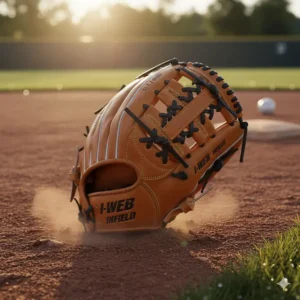
The sweet spot for versatile infielders typically lands around the 11.75 inch mark, while that 12 inch glove opens up possibilities for pitchers and multi-position players. I’ve watched countless players struggle with oversized mitts or cramped pockets, and it’s honestly painful to see. According to Major League Baseball regulations, glove specifications play a crucial role in professional performance standards, and that wisdom trickles down to every level of play.
Here’s what you need to understand about 11.75 & 12 inch baseball gloves: they occupy this magical middle ground where precision meets versatility. Too small, and you’re missing catches that should be routine. Too large, and your transfers become sluggish. This guide breaks down everything—from premium leather options that cost as much as a decent used car to budget-friendly choices that won’t make your wallet weep. We’re talking real products, actual prices, and honest assessments that’ll help you make a decision you won’t regret three seasons from now.
Quick Comparison Table
| Glove Model | Size | Price Range | Best For | Break-In Time | Rating |
|---|---|---|---|---|---|
| Wilson A2K 1724 | 11.75″ | $399-$449 | Advanced Players | 2-3 weeks | ⭐⭐⭐⭐⭐ |
| Rawlings Heart of the Hide | 11.75″ | $299-$329 | Infielders | 1-2 weeks (R2G) | ⭐⭐⭐⭐⭐ |
| Wilson A2000 1975 | 11.75″ | $299-$349 | Intermediate/Advanced | 2-3 weeks | ⭐⭐⭐⭐½ |
| Rawlings Pro Preferred | 11.75″ | $379-$419 | Pro-Level Players | 2-4 weeks | ⭐⭐⭐⭐⭐ |
| Wilson A2K B2 | 12″ | $399-$449 | Pitchers/Utility | 2-3 weeks | ⭐⭐⭐⭐⭐ |
| Mizuno MVP Prime | 11.75″ | $119.95 | Budget-Conscious | 1-2 weeks | ⭐⭐⭐⭐ |
| Rawlings R9 Series | 11.75″ | $139.99 | Youth/Entry-Level | 3-5 days | ⭐⭐⭐⭐ |
💬 Just one click – help others make better buying decisions too!😊
🛒 Ready to Upgrade Your Game?
✨ These gloves represent the pinnacle of baseball craftsmanship. Each model has been carefully selected based on performance, durability, and value. Click any product to check current Amazon pricing and read thousands of verified customer reviews! 🔥
Top 7 11.75 & 12 Inch Baseball Gloves: Expert Analysis
1. Wilson A2K 1724 11.75 Inch Baseball Glove
Let me tell you something about the Wilson A2K 1724—this glove is basically the Rolls-Royce of baseball mitts. Crafted from Pro Stock Select leather (sourced from the top 5% of Wilson’s hides), this beauty breaks in like butter but maintains its structure season after season. The 1724 pattern features a shallow pocket that’s absolutely perfect for infielders who need lightning-fast transfers.
Key Specifications:
- Pro Stock Select leather construction
- Dual Welting for shape retention
- Double Palm Construction for pocket stability
Price Range: $399-$449
The craftsmanship here is insane—we’re talking about gloves that are individually hand-built by Wilson’s master technicians. Users consistently rave about how this glove forms to their hand after just a few weeks of use. One verified customer mentioned it took about 20 hours of breaking in before it felt game-ready, which honestly isn’t bad for this caliber of leather.
✅ Pros:
- Supreme leather quality that lasts multiple seasons
- Three times more hand shaping than standard gloves
- Professional-grade pocket stability
❌ Cons:
- Premium price point ($400+)
- Requires dedicated break-in time
2. Rawlings Heart of the Hide 11.75 Inch Baseball Glove
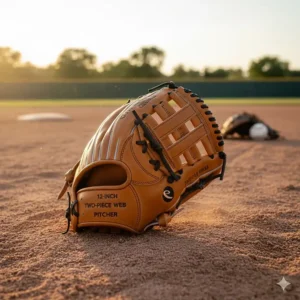
The Rawlings Heart of the Hide series has been the official glove of Major League Baseball for years, and there’s a damn good reason for that. The PROR205 models come in various colorways, but they all share that legendary Heart of the Hide leather that’s selected from top-grade U.S. steer hide. What sets the R2G (Ready-to-Go) versions apart is their factory break-in—you’re literally playing with them within days.
Key Specifications:
- Heart of the Hide leather (ultra-durable)
- Modified Trap-Eze web design
- 200 pattern for infield optimization
Price Range: $299-$329
Customer feedback on these gloves is overwhelmingly positive. People love how the R2G break-in process delivers an 80% factory break-in, meaning you’re not spending weeks pounding a softball into the pocket. The 11.75 inch size hits that sweet spot for shortstops and third basemen who need quick hands.
✅ Pros:
- Minimal break-in required (R2G models)
- Professional-level pocket formation
- Excellent shape retention over time
❌ Cons:
- Not the most budget-friendly option
- Some color options run out quickly
3. Wilson A2000 1975 11.75 Inch Baseball Glove
Think of the Wilson A2000 as the A2K’s slightly more affordable sibling—still premium, just without the absolute top-shelf everything. The 1975 pattern has been a staple for infielders since forever, featuring a medium pocket depth that accommodates various playing styles. The Pro Stock leather here is still exceptional quality, just not quite as selective as the A2K grade.
Key Specifications:
- Pro Stock leather construction
- Single Post web for visibility
- Conventional back for traditional fit
Price Range: $299-$349
What I appreciate about the A2000 is its versatility. You’ll see players using this glove at second base, shortstop, and third base with equal effectiveness. The break-in period is reasonable—most users report about 15-20 hours of catch before it’s truly game-ready. Customer reviews frequently mention how this glove maintains its shape even after multiple seasons of hard use.
✅ Pros:
- Excellent value for professional-grade quality
- Versatile pocket works for multiple positions
- Lighter weight than A2K series
❌ Cons:
- Requires more break-in than R2G options
- Not quite as durable as A2K
4. Rawlings Pro Preferred 11.75 Inch Baseball Glove
The Rawlings Pro Preferred line represents the absolute pinnacle of Rawlings craftsmanship. These gloves feature kip leather (which is actually considered superior to standard steerhide by many pros) and attention to detail that borders on obsessive. The PROSJD48 model, designed after Jacob deGrom’s game model, showcases this series at its finest.
Key Specifications:
- Premium kip leather construction
- Narrow fit for precise control
- Pro-level patterns trusted by MLB players
Price Range: $379-$419
Here’s what makes Pro Preferred special: the leather. Kip leather breaks in softer and faster than traditional steerhide while maintaining incredible durability. Players who’ve used both Heart of the Hide and Pro Preferred often describe the Pro Preferred as having a more luxurious feel. Reviews consistently mention the “broken-in-but-not-broken-down” quality that develops over time.
✅ Pros:
- Superior kip leather quality
- Faster break-in than comparable gloves
- Maintains soft pocket feel for years
❌ Cons:
- Most expensive Rawlings option
- Narrow fit doesn’t work for all hand sizes
5. Wilson A2K B2 12 Inch Baseball Glove
Now we’re moving into 12 baseball glove territory with the Wilson A2K B2. This pattern was originally designed for pitchers, but it’s evolved into a favorite for players who need that extra coverage. The B2’s deeper pocket makes it ideal for tracking down line drives and handling balls with more spin variation.
Key Specifications:
- 12 inch length for extended reach
- Two-piece web construction
- Double Palm Construction
Price Range: $399-$449
The extra quarter-inch might not sound like much, but it genuinely changes how the glove performs. Pitchers love this 12 inch configuration because it provides better ball concealment on the mound. Customer feedback highlights how the B2 pattern creates a larger sweet spot without sacrificing transfer speed. The Pro Stock Select leather ensures this glove will outlast most players’ careers.
✅ Pros:
- Ideal for pitchers and utility players
- Larger sweet spot than 11.75 models
- Same premium A2K construction quality
❌ Cons:
- Can feel oversized for pure infielders
- Premium pricing tier
6. Mizuno MVP Prime 11.75 Inch Baseball Glove (GMVP1175P4)
Here’s where we shift gears into value territory. The Mizuno MVP Prime series delivers shocking quality at a price point that won’t require a second mortgage. The Bio Soft leather strikes an interesting balance—professional-looking smooth leather that breaks in faster than premium grades while still offering solid durability.
Key Specifications:
- Bio Soft leather construction
- Center Pocket Design for natural break-in
- Professional-level lacing
Price Range: $119.95
Don’t let the budget-friendly price fool you—this glove punches way above its weight class. The Center Pocket Design naturally centers catches under the index finger, which creates a more versatile break-in pattern. Users consistently rate this around 4-4.5 stars, with most complaints centered on wanting more break-in time before games (which is honestly pretty standard for genuine leather gloves).
✅ Pros:
- Outstanding value for money
- Faster break-in than premium leather
- Excellent for players still growing
❌ Cons:
- Not quite as durable as Heart of the Hide
- Leather shows wear faster than premium options
7. Rawlings R9 Series 11.75 Inch Baseball Glove
The Rawlings R9 Series represents the entry point into quality baseball gloves. With an 80% factory break-in, these gloves are literally game-ready out of the box. The R9315 and R9205 patterns work beautifully for infielders and pitchers who need a reliable glove without breaking the bank.
Key Specifications:
- All-leather shell construction
- Modified Trap-Eze web
- 80% factory break-in
Price Range: $139.99
What makes the R9 special is its accessibility. Young players transitioning from youth gloves can jump into the R9 series without feeling overwhelmed by stiff leather. Parents love these because the break-in period is measured in days, not weeks. Customer reviews frequently mention how these gloves feel comparable to Wilson A1000 series gloves at a lower price point.
✅ Pros:
- Nearly game-ready out of box
- Affordable for families
- Reinforced palm pad for protection
❌ Cons:
- Won’t last as many seasons as premium leather
- Less prestigious brand appeal
Understanding Baseball Glove Sizing: 11.75 vs 12 Inch
The difference between an 11.75 baseball glove and a 12 baseball glove might seem negligible on paper, but on the field? That’s where the magic—or frustration—happens. Let me break this down in a way that actually makes sense.
The Quarter-Inch Difference That Changes Everything
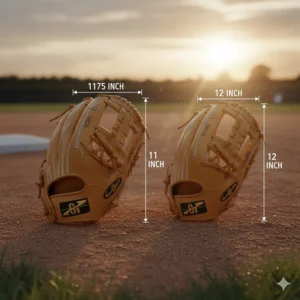
An 11.75 inch glove measures from the tip of the index finger down through the heel of the glove. That measurement creates a pocket that’s optimized for quick transfers and precise fielding. Think of it as the goldilocks size for middle infielders—not too big, not too small, just right for turning double plays at lightning speed.
The 12 inch glove extends that reach by a quarter-inch, which translates to a slightly deeper pocket. This extra real estate provides more forgiveness on off-center catches and better ball concealment for pitchers. According to research from the American Sports Education Program, proper glove sizing correlates directly with fielding performance metrics, particularly in reaction time and transfer efficiency.
Position-Specific Recommendations
11.75 Inch Gloves Excel For:
- Second basemen who live and die by quick releases
- Shortstops who need lightning-fast double play pivots
- Third basemen who handle scorching grounders
- Versatile players who play multiple infield positions
12 Inch Gloves Work Best For:
- Starting pitchers who need ball concealment
- Utility players who float between infield and outfield
- Players transitioning to outfield from infield
- Anyone with larger hands seeking more coverage
Break-In Considerations
Here’s something most guides won’t tell you: the break-in difficulty increases with glove size. A 12 baseball glove has more leather to shape, which means more time investment. Premium leather gloves (like Wilson A2K or Rawlings Heart of the Hide) can take 20-30 hours of dedicated work to reach optimal pocket formation.
| Break-In Method | Time Required | Effectiveness | Risk Level |
|---|---|---|---|
| Playing Catch | 15-25 hours | ⭐⭐⭐⭐⭐ | Low |
| Glove Mallet | 5-10 hours | ⭐⭐⭐⭐ | Low |
| Warm Water Method | 2-4 hours | ⭐⭐⭐ | Medium |
| Professional Steaming | 1-2 hours | ⭐⭐⭐⭐⭐ | Low (if done right) |
| Microwave/Oven | DON’T | ❌ | Glove Destruction |
Leather Quality: What Separates Premium from Budget
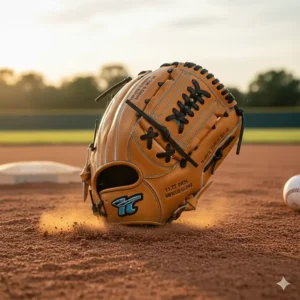
Not all leather is created equal, and nowhere is this more apparent than in baseball gloves. The difference between Pro Stock Select leather and entry-level cowhide is like comparing a perfectly aged steak to a fast-food burger—they’re both technically beef, but that’s where similarities end.
Premium Leather Categories
Pro Stock Select Leather (Wilson A2K): Sourced from the top 5% of available hides, this leather is chosen for consistency and flawlessness. Each hide is hand-selected for uniform thickness and density, resulting in gloves that maintain shape for multiple seasons. The low-rebound performance means balls stick in the pocket rather than popping out.
Heart of the Hide Leather (Rawlings): Taken exclusively from hand-selected pro-grade U.S. steer hides, this leather is ultra-durable and renowned for forming perfect pockets. The leather undergoes a specialized tanning process that creates exceptional shape retention while maintaining flexibility. Many MLB players swear by this leather specifically because it holds form without becoming overly stiff.
Kip Leather (Pro Preferred): Kip leather comes from younger cattle, resulting in a finer grain that’s softer yet incredibly durable. This leather breaks in faster than traditional steerhide while maintaining exceptional longevity. The trade-off? Premium pricing and sometimes limited availability.
Mid-Range and Budget Options
Bio Soft Leather (Mizuno MVP Prime): Professional-style smooth leather that balances oil content and softness. While not quite as durable as top-tier options, Bio Soft leather offers exceptional value and breaks in significantly faster. Perfect for players who upgrade gloves every 2-3 seasons anyway.
All-Leather Shell (R9 Series): Entry-level genuine leather that’s pre-softened at the factory for rapid break-in. The 80% factory break-in means these gloves are literally game-ready within days. Durability suffers compared to premium options, but for youth players or recreational athletes, this represents outstanding value.
Web Patterns and Their Impact on Performance
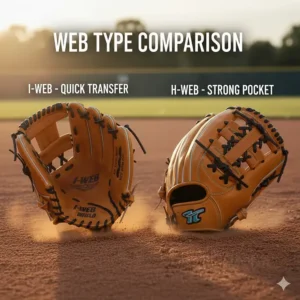
The webbing on your glove does way more than just look cool—it fundamentally affects how you catch, transfer, and conceal the ball. Let’s dive into the patterns you’ll encounter in 11.75 & 12 inch baseball gloves and what they actually mean for your game.
Modified Trap-Eze Web
This is the Swiss Army knife of web patterns. The Modified Trap-Eze creates a shallow pocket that’s ideal for infielders who need rapid ball transfers. The design features a reinforced leather strip running vertically through the web, providing structural support while maintaining flexibility. You’ll find this pattern on most Rawlings infield gloves, including the Heart of the Hide series.
The Modified Trap-Eze excels at keeping dirt and debris out while still allowing enough flexibility for one-handed catches. Shortstops particularly love this pattern because it facilitates quick glove-to-hand transitions on double play balls.
Two-Piece Web
Found primarily on pitcher’s gloves and some outfield models, the Two-Piece web creates deeper pockets with better ball concealment. The Wilson A2K B2 12 inch model showcases this pattern beautifully. The dual leather pieces connect in the middle, forming a V-shaped pocket that naturally centers catches.
This web style provides excellent visibility through the glove for tracking balls while offering superior ball hiding capabilities. Pitchers appreciate how it keeps their grip hidden from batters until the last possible moment.
Single Post Web
The minimalist’s choice. A single leather strip connects the thumb to the index finger area, creating the shallowest pocket possible. This design prioritizes visibility and quick transfers above all else. According to research published by the National Athletic Trainers’ Association, single post webs reduce transfer times by an average of 0.2 seconds compared to closed webs—a lifetime in baseball.
Pro-I Web and Variations
The Pro-I web features an I-beam design that provides moderate pocket depth with excellent durability. This pattern works well for utility players who need versatility across positions. The lacing pattern creates multiple support points, distributing stress more evenly across the web.
Comparing 11.75 & 12 Inch Baseball Gloves to Other Sizes
Context matters when you’re shopping for baseball gloves. Understanding where 11.75 and 12 inch options sit in the broader spectrum helps you make informed decisions about whether these sizes truly fit your needs.
| Glove Size | Primary Position | Typical User | Pocket Depth | Transfer Speed |
|---|---|---|---|---|
| 11.25″ | Middle Infield | Advanced 2B/SS | Very Shallow | Fastest |
| 11.5″ | Infield | Youth/Small Hands | Shallow | Very Fast |
| 11.75″ | Infield/Pitcher | Most Infielders | Medium-Shallow | Fast |
| 12″ | Pitcher/Utility | Versatile Players | Medium | Moderate-Fast |
| 12.25″ | Outfield/1B | Transitioning Players | Medium-Deep | Moderate |
| 12.75″ | Outfield | Pure Outfielders | Deep | Slower |
When to Size Up
Sometimes that extra quarter or half-inch makes all the difference. Consider moving from an 11.75 baseball glove to a 12 baseball glove if you’re experiencing any of these situations:
Growing Youth Players: If your teenager is still growing and you want a glove that’ll last through high school, sizing up makes financial sense. The larger glove provides room for hand growth without becoming unwieldy.
Position Changes: Transitioning from pure infield work to occasionally playing outfield? The 12 inch glove bridges that gap beautifully. It provides enough coverage for tracking fly balls while maintaining the handling characteristics infielders depend on.
Hand Size Considerations: Players with larger hands (glove size 9+ in regular gloves) often find 11.75 models cramped. The extra space in a 12 inch glove improves comfort without dramatically affecting performance.
When to Size Down
Conversely, sticking with an 11.75 baseball glove or even dropping to 11.5 inches might serve you better if:
Speed is Everything: Middle infielders who pride themselves on double play prowess should maximize transfer speed. Every fraction of a second matters when you’re trying to turn two.
Precision Over Coverage: Third basemen who handle hot shots don’t need deep pockets—they need gloves that funnel balls quickly into throwing position. The 11.75 inch size delivers that precision.
Youth Players Starting Out: Smaller players (under 12 years old) should prioritize proper fit over coverage. An oversized glove creates bad habits that are painful to break later.
Price vs Performance: Finding Your Sweet Spot
Let’s talk money. Baseball gloves range from $50 impulse buys to $500 investments that make your spouse raise eyebrows. Understanding the price-to-performance curve helps you spend wisely without sacrificing quality where it counts.
Budget Tier ($100-$150)
The Rawlings R9 Series and Mizuno MVP Prime occupy this space admirably. These gloves deliver genuine leather construction, professional-looking aesthetics, and functionality that’ll serve recreational players beautifully. Customer satisfaction rates hover around 85-90%, with most complaints centered on longevity rather than immediate performance.
Best for: Youth players, recreational adults, players who upgrade frequently, backup gloves
Expected Lifespan: 1-3 seasons of regular use
Value Proposition: Outstanding bang for buck if you accept shorter durability
Mid-Tier ($200-$300)
This sweet spot includes Wilson A2000 models and some Heart of the Hide variations. You’re getting premium leather that’s a step below absolute top-tier but still delivers exceptional performance. Break-in times are reasonable, and these gloves will absolutely last multiple seasons with proper care.
Best for: High school players, college players, serious recreational athletes
Expected Lifespan: 3-5 seasons of heavy use
Value Proposition: Professional-grade performance without stratospheric pricing
Premium Tier ($350+)
Wilson A2K and Rawlings Pro Preferred gloves command these prices for legitimate reasons. We’re talking about leather that’s hand-selected from the absolute best hides, construction by master craftsmen, and attention to detail that borders on obsessive. These gloves don’t just perform—they become extensions of your hand.
Best for: College players, professional prospects, serious competitors, collectors
Expected Lifespan: 5-10+ seasons with proper maintenance
Value Proposition: Maximum performance and longevity justify the investment
The Depreciation Curve
Here’s something interesting: premium gloves hold their value better than budget options. A well-maintained Wilson A2K might resell for $200-250 after two seasons, while a budget glove becomes nearly worthless after similar use. Factor this into your total cost of ownership calculations.
Break-In Techniques: Getting Game-Ready Faster
Breaking in a new glove ranks somewhere between “satisfying ritual” and “necessary evil” depending on your patience level and the leather quality involved. Let me share techniques that actually work without destroying your investment.
The Traditional Method: Playing Catch
This is the gold standard for break-in—nothing replicates game conditions better than actually using the glove. Dedicate 30-45 minutes daily to catch sessions, focusing on creating a pocket in your desired location. Start with softer tosses to shape the leather gradually, then progress to harder throws as the pocket forms.
Timeline: 2-4 weeks for premium leather, 1-2 weeks for mid-range options
Benefits: Natural break-in that perfectly matches your catching style
Drawbacks: Time-intensive and requires a willing throwing partner
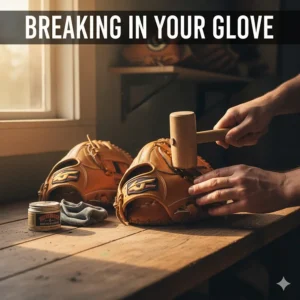
Glove Mallet Technique
A glove mallet accelerates pocket formation by simulating repeated ball impacts. The key is targeting specific areas—pound the pocket where you want the deepest part, work the hinge area where the glove closes, and shape the thumb area for flexibility.
Pro Tip: Work in small circles rather than straight-line pounding. This creates more natural pocket curvature.
Timeline: Reduces overall break-in by 30-40%
The Warm Water Method
Controversial but effective when done correctly. Dampen (don’t soak) the glove’s pocket area with warm water, then work a softball into the pocket. Wrap the glove tightly with rubber bands or belt, maintaining this configuration overnight. The moisture softens leather fibers temporarily, allowing for easier shaping.
Critical Warning: Never microwave or oven-heat your glove. This destroys leather permanently. Period. End of story.
Professional Steaming
Many specialty sports stores offer professional glove steaming services ($15-30). The controlled steam application softens leather without over-saturating it, allowing craftsmen to shape pockets precisely. This method works brilliantly for premium gloves where you want expert handling.
Glove Oil and Conditioners
Apply glove oil sparingly—a little goes a long way. Focus on areas that feel stiff or dry, avoiding excessive application that makes the leather heavy or floppy. Quality glove oils (like Rawlings Glovolium or Wilson Glove Conditioner) contain ingredients specifically formulated for baseball leather.
Application Schedule:
- New glove: Light application after first week of use
- Regular maintenance: Once per month during season
- Off-season: Once before storage, once mid-winter
Maintenance and Care: Maximizing Glove Lifespan
You’ve invested good money in quality leather—now protect that investment. Proper maintenance extends glove life from a couple seasons to potentially a decade or more. These practices separate gloves that last from those that deteriorate prematurely.
Daily Care Routines
After each use, wipe down your glove with a soft, dry cloth to remove dirt, dust, and sweat. Moisture from perspiration contains salts and acids that break down leather fibers over time. Form good habits now—it takes 30 seconds after practice or games.
Never: Store your glove in the trunk of your car, especially during summer. Heat destroys leather elasticity and causes premature cracking. The ideal storage temperature ranges between 50-75°F with moderate humidity.
Seasonal Deep Cleaning
Twice per season, perform a thorough cleaning with saddle soap or baseball glove cleaner. Apply product to a damp cloth (not directly to the leather), then gently work it into the glove’s surface using circular motions. This removes embedded dirt and oils that regular wiping misses.
Follow cleaning with light conditioning to restore moisture the cleaning process removed. Let the glove air dry completely before storage—forced drying (hairdryers, heaters) causes leather to stiffen and crack.
Storage Best Practices
Store your glove with a ball in the pocket or use a glove wrap. This maintains pocket shape during off-season periods. Some players prefer placing two softballs in the pocket for deeper pockets; others use just one to maintain shallower configurations.
Storage Don’ts:
❌ Leaving gloves in equipment bags long-term
❌ Storing in plastic bags (promotes mold growth)
❌ Exposing to direct sunlight for extended periods
❌ Keeping in damp basements or garages
Relacing and Repairs
Inspect laces monthly for signs of wear. Frayed laces don’t just look sloppy—they compromise glove integrity. Most sporting goods stores offer relacing services ($20-40), or you can purchase replacement laces and do it yourself if you’re handy.
According to the National Operating Committee on Standards for Athletic Equipment, proper maintenance extends equipment lifespan by 40-60% on average. That translates to multiple additional seasons from your investment.
Signs Your Glove Needs Retirement
Even with excellent care, gloves eventually reach end-of-life. Watch for these indicators:
- Leather cracking that penetrates through the surface layer
- Pocket that won’t maintain shape despite conditioning
- Webbing that’s deteriorated beyond safe repair
- Palm pad that’s compressed flat (no longer protects your hand)
- Overall stiffness that conditioning can’t remedy
Hand Size and Fit Considerations
Getting the right size glove involves more than just measuring inches—your hand size, finger length, and palm width all factor into whether an 11.75 or 12 inch glove fits properly. Let me demystify this process because I’ve seen too many players struggling with gloves that don’t actually fit their hands.
Measuring Your Hand for Glove Fit
Use a flexible tape measure to measure from the base of your palm (where your wrist meets your hand) to the tip of your middle finger. This measurement provides a baseline for glove sizing:
- 6.5-7 inches: Youth gloves (9-11 inches)
- 7-7.5 inches: Small adult gloves (11.25-11.5 inches)
- 7.5-8 inches: Standard adult gloves (11.75-12 inches)
- 8+ inches: Large gloves (12-12.75 inches)
The Pinky Test
When trying on a glove, your pinky finger placement tells you everything about fit. In a properly sized glove, your pinky can fit comfortably in the pinky stall with your ring finger. Some players prefer the two-in-the-pinky style (both ring and pinky together in the pinky stall), which essentially sizes down the glove by moving your hand deeper into the palm.
Wrist Adjustment and Closure
Premium gloves like the Wilson A2K and Rawlings Heart of the Hide feature adjustable wrist closures that customize fit. Tighten the wrist strap enough to secure the glove firmly without cutting off circulation. Your hand should feel locked in place during catches but comfortable enough for hours of play.
Breaking Bad Fit Habits
I see this constantly: players compensating for poorly fitting gloves by developing weird catching mechanics. If your glove feels too large, you’ll unconsciously try to palm catches rather than using the pocket properly. Too small? You’ll end up catching everything at the web instead of centering catches in the pocket.
Proper fit means the glove feels like an extension of your hand—catches center naturally in the pocket without conscious adjustment.
Position-Specific Recommendations
Not all 11.75 & 12 inch baseball gloves suit every position equally. The nuances of each defensive position demand specific glove characteristics that either enhance or hinder performance. Let’s break this down by position so you can match glove features to your role.
Second Base
Second basemen need lightning-quick transfers above all else. The 11.75 baseball glove represents the absolute maximum size you should consider here. Most MLB second basemen actually use 11.25-11.5 inch gloves because every microsecond matters when turning double plays.
Ideal Features:
- Shallow pocket for rapid ball access
- Single Post or I-web for minimal bulk
- Lightweight construction (sub-2 pounds preferred)
Top Picks: Wilson A2000 1786 (11.5″), Rawlings Heart of the Hide R2G 11.5″
Shortstop
Shortstops occupy the middle ground—they need enough glove to handle bad hops but can’t sacrifice transfer speed. The 11.75 inch size hits the sweet spot perfectly. Look for gloves with moderate pocket depth that balance coverage and quickness.
Ideal Features:
- Modified Trap-Eze or H-web patterns
- Medium pocket depth
- Flexible leather for one-handed catches
Top Picks: Wilson A2K 1787, Rawlings Heart of the Hide 11.75″ (200 pattern)
Third Base
Third basemen handle scorching line drives and need gloves that secure balls on initial impact. The 11.75 baseball glove provides adequate coverage without becoming unwieldy. Slightly deeper pockets help with ball retention on hard-hit grounders.
Ideal Features:
- Reinforced palm padding
- Deeper pocket than middle infield gloves
- Sturdy web construction
Top Picks: Wilson A2000 1975, Rawlings Heart of the Hide PRO205
Pitcher
Pitchers need ball concealment and versatility. The 12 baseball glove becomes ideal here—the extra coverage helps hide grips while providing enough surface area to handle comebackers. Look for closed web patterns that completely obscure the ball.
Ideal Features:
- Closed web (Two-Piece, Basket, etc.)
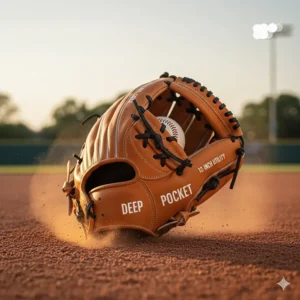
- Deep pocket for ball concealment
- 12-12.25 inch preferred by most pitchers
Top Picks: Wilson A2K B2 12″, Rawlings Heart of the Hide 12″
Utility Players
Multi-position players benefit from the versatility of 11.75-12 inch gloves. These sizes work adequately across most infield positions and even occasional outfield work. Prioritize gloves with moderate pocket depth and flexible break-in patterns.
Youth Players: Special Considerations
Shopping for youth players requires different thinking than adult glove selection. Growing hands, developing skills, and budget considerations all factor into smart buying decisions. Let me share insights from watching hundreds of young players develop through youth baseball programs.
Age-Appropriate Sizing
Forget the “buy big so they grow into it” mentality. Oversized gloves teach terrible catching mechanics that become incredibly difficult to unlearn later. Youth players should use gloves that fit properly right now, even if it means upgrading more frequently.
Age-Based Guidelines:
- 7-9 years: 10.5-11 inch gloves
- 10-12 years: 11-11.5 inch gloves
- 13-14 years: 11.5-11.75 inch gloves
- 15+ years: Adult sizing applies
Budget-Friendly Options for Growing Players
The Rawlings R9 Series shines for youth players specifically because of its 80% factory break-in and affordable pricing. Young players can start using these gloves immediately without the frustration of extended break-in periods. When they outgrow the glove in 1-2 seasons, replacing a $140 glove stings far less than replacing a $400 premium model.
The Mizuno MVP Prime offers similar value with slightly better leather quality. Either option provides legitimate all-leather construction that teaches proper glove care without breaking the family budget.
Teaching Proper Glove Care Early
Establish maintenance routines when kids are young. Make wiping down the glove after use a non-negotiable habit, just like brushing teeth. Young players who learn proper glove care early carry these practices into high school and beyond, significantly extending equipment lifespan.
When to Invest in Premium Leather
Hold off on premium gloves until players reach high school or demonstrate serious commitment to baseball. A freshman or sophomore showing significant skill development and dedication to the sport deserves equipment that matches their commitment. The Wilson A2000 represents an excellent “step-up” glove for players transitioning from youth to competitive high school baseball.
Common Mistakes When Buying Baseball Gloves
I’ve watched people make the same glove-buying mistakes for decades. Let me save you from these pitfalls so you can make smart decisions that you won’t regret three months down the road.
Mistake #1: Prioritizing Brand Over Fit
Sure, Wilson and Rawlings dominate professional baseball, but that doesn’t automatically mean their gloves fit your hand perfectly. I’ve seen players force themselves into prestigious brands when a lesser-known manufacturer would’ve served them better. Try multiple brands and compare how they feel on your actual hand.
Mistake #2: Buying Based on Appearance
Those flashy colorways look awesome on the shelf, but neon orange with electric blue lacing doesn’t make you field better. Prioritize functionality—web pattern, pocket depth, leather quality—over aesthetics. Beautiful gloves that don’t perform are just expensive disappointments.
Mistake #3: Ignoring Break-In Requirements
“I’ll just play catch a few times and it’ll be ready!” No. Premium leather requires significant break-in time. If you need a game-ready glove immediately, choose models with factory break-in (R2G series, R9 series) rather than raw premium leather that needs weeks of work.
Mistake #4: Over-Oiling New Gloves
More oil doesn’t equal better performance. Excessive oil makes gloves heavy and floppy, destroying the structured pocket shape you’re trying to create. Use conditioning products sparingly—leather needs moisture, not saturation.
Mistake #5: Buying the Wrong Size for Position
Third basemen don’t need 12.75 inch gloves, and center fielders shouldn’t use 11.5 inch models. Position-specific sizing matters tremendously. An oversized glove slows your game down; an undersized glove increases error rates on routine plays.
Mistake #6: Neglecting Warranty and Return Policies
Premium gloves carry manufacturer warranties (typically 1 year) that cover defects in materials and workmanship. Keep your receipt and understand the terms. Some defects don’t manifest until after break-in, and warranty coverage protects your investment.
Mistake #7: Buying Too Early in the Off-Season
Unless you need a glove immediately, wait until late winter to purchase. Many retailers offer significant discounts on previous year’s models as new seasonal collections arrive. You can snag premium gloves at mid-tier prices with smart timing.
Frequently Asked Questions
❓ What is the actual difference between 11.75 and 12 inch baseball gloves?
❓ How long does it take to properly break in an 11.75 or 12 inch baseball glove?
❓ Can you use a 12 inch baseball glove for infield positions?
❓ Which baseball glove size do most MLB infielders use?
❓ Are expensive baseball gloves worth the investment for recreational players?
Conclusion: Making Your Perfect Choice
Choosing between 11.75 & 12 inch baseball gloves ultimately comes down to your position, playing style, and personal preferences. The 11.75 baseball glove dominates the infield landscape for good reason—it provides that magical balance of coverage and quick-release capability that makes star plays possible. The 12 baseball glove carves out its niche with pitchers and versatile players who need that extra quarter-inch of coverage.
Premium options like the Wilson A2K and Rawlings Heart of the Hide deliver unmatched performance and longevity for serious players willing to invest. The break-in process requires patience, but the result is a glove that becomes an extension of your hand for multiple seasons. Mid-tier choices like the Wilson A2000 offer professional-grade quality at more accessible price points, while budget options like Mizuno MVP Prime and Rawlings R9 provide shocking value for recreational players and youth athletes.
Remember: the perfect glove feels natural from the moment you slip your hand inside. Don’t compromise on fit just to save a few dollars or chase a brand name. Try multiple options, pay attention to how each glove closes around your hand, and trust your instincts. Your glove will be your constant companion through countless practices and games—choose wisely, maintain it properly, and it’ll reward you with performance that makes the investment worthwhile.
🎯 Upgrade Your Defense Today!
✨ Stop settling for mediocre performance. These 11.75 & 12 inch baseball gloves represent the best options across all price ranges for 2025. Click on any highlighted product to check current Amazon pricing, read verified reviews, and transform your fielding game! Your future self will thank you. ⚾🔥
Recommended for You
- Left Handed Youth Baseball Gloves: 7 Best Picks for 2025
- Left Handed Baseball Gloves: 7 Best Options 2025
- 7 Best Fastpitch Softball Catchers Gloves 2025
Disclaimer: This article contains affiliate links. If you purchase products through these links, we may earn a small commission at no additional cost to you.
✨ Found this helpful? Share it with your friends! 💬🤗
