
In This Article
✨Was this helpful? Spread the word! 🚀
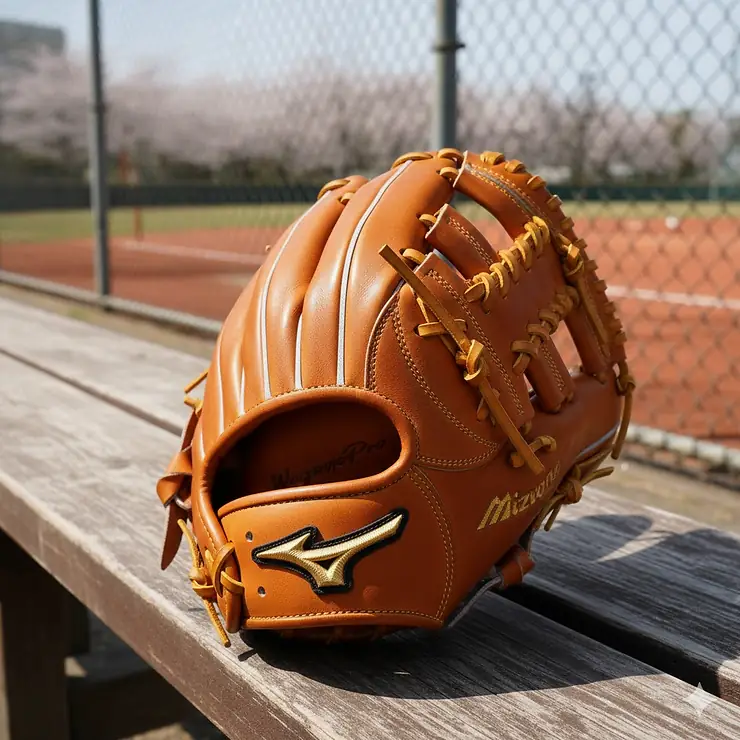
Look, I’ll be honest with you – the first time I slipped my hand into a japanese baseball glove, I understood why pros can’t shut up about them. It’s not hype. It’s not marketing. There’s something fundamentally different about how these gloves feel, break in, and perform that makes American-made alternatives feel… well, ordinary.
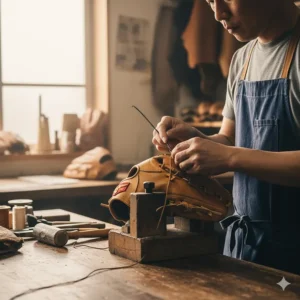
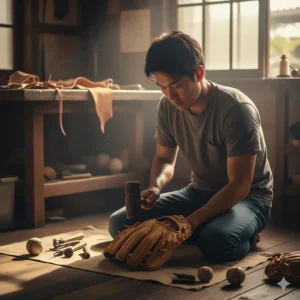
Japanese baseball gloves represent a completely different philosophy of craftsmanship. While many Western manufacturers focus on volume production, Japanese glove makers embrace the “Shokunin” tradition – a centuries-old approach where master craftsmen dedicate their entire careers to perfecting a single craft. When you’re choosing between a mass-produced glove and one where a single artisan hand-selected the leather, cut every piece, and personally approved the final product, you’re not just buying equipment. You’re investing in a piece of functional art that happens to catch baseballs exceptionally well.
The best japanese baseball gloves share several distinctive characteristics that set them apart from their Western counterparts. They feature wider palms and heels designed for two-handed fielding (a technique emphasized in Japanese baseball culture), premium leather that’s been meticulously selected and tanned using specialized processes, and construction techniques that prioritize longevity over quick break-in times. Brands like Mizuno, SSK, ZETT, and Hatakeyama have perfected these methods over decades, creating gloves that professional players worldwide consider the gold standard of quality.
What makes japanese gloves baseball equipment so special? The leather quality stands out immediately. Japanese manufacturers source materials like Northern European kip leather, US steerhide tanned in Japan, and even premium “Wagyu” leather (yes, from the same cattle breed famous for beef). These materials undergo tanning processes developed specifically for baseball gloves, resulting in leather that’s simultaneously soft and firm – ready to form to your hand while maintaining structural integrity through years of competitive play.
Quick Comparison Table: Top Japanese Baseball Glove Brands
| Brand | Price Range | Best For | Made In | Break-In Time | Key Feature |
|---|---|---|---|---|---|
| Mizuno Pro Limited | $549-$599 | Elite Players | Haga, Japan | 3-4 weeks | N. European Kip Leather |
| SSK Z9 Maestro | $260-$300 | Advanced Players | Japan | 2-3 weeks | Dimple Sensor Technology |
| ZETT Pro Status | $280-$400 | Position Players | Japan | 2-3 weeks | Pro Player Models |
| Rawlings Japan Series | $280-$350 | Collectors/Players | USA (Japan-inspired) | 2 weeks | Limited Edition 2025 |
| Jax Athletics | $349.95 | All Positions | Japan | 2-3 weeks | Wide Palm Design |
| Hatakeyama | $250-$350 | Catchers/1B | Taiwan/Japan | 3-4 weeks | Elite Catcher’s Mitts |
| SSK Z5 Craftsman | $70-$150 | Youth/Budget | Japan | 1-2 weeks | Shokunin Approved |
💬 Just one click – help others make better buying decisions too!😊
🛒 Ready to Upgrade Your Game?
✨ These authentic Japanese baseball glove options represent decades of craftsmanship tradition. Click any highlighted product name to check current Amazon pricing and see why pros choose Japanese quality. Your hands deserve the best! ⚾🔥
Top 7 Japanese Baseball Gloves: Expert Analysis
1. Mizuno Pro Limited GMP2 Series – The Professional’s Choice
When MLB players like Ichiro Suzuki and current NPB stars demand perfection, they turn to the Mizuno Pro Limited line. Made exclusively in Mizuno’s Haga, Japan factory by certified Glove Masters, this isn’t just a glove – it’s a masterpiece. The Northern European kip leather used in these gloves represents the absolute pinnacle of glove materials, hand-selected for consistency and conditioned using proprietary methods developed over generations.
Key Specifications:
- Premium Northern European kip leather (top 1% of hides)
- Handcrafted by single Master craftsman
- Available in 11.5″ to 12.75″ sizes for various positions
- One-time free reconditioning service included
Price Range: $549-$599
The unique selling point? Each glove comes with Mizuno’s exclusive reconditioning program. Send your glove back once during its lifetime, and Mizuno will restore it to original glory at no charge. I’ve personally seen 10-year-old Pro Limited gloves that, after reconditioning, look and perform like they did on day one.
Customer feedback consistently praises the Pro Limited’s unparalleled feel and responsiveness. One college player told me, “It’s like the glove knows what I’m thinking before I do.” The leather develops a rich patina over time, actually becoming more supple and responsive with use rather than deteriorating.
✅ Pros:
- Absolute best leather quality available
- Lifetime reconditioning service
- Trusted by professional players worldwide
❌ Cons:
- Highest price point
- Long break-in period (3-4 weeks minimum)
2. SSK Z9 Maestro – The Shokunin’s Signature
The SSK Z9 Maestro represents SSK’s premium offering, featuring authentic Japanese Nameshi leather and the prestigious Shokunin stamp of approval. This stamp isn’t just decorative – it signifies that a Japanese Glove Master personally inspected and approved the glove for quality standards that would make most Western manufacturers nervous.
Key Specifications:
- Premium Japanese Nameshi leather
- FusionFit Technology for custom feel
- Dimple Sensor Technology in palm
- Sizes from 11.25″ to 12.75″
Price Range: $260-$300
What sets the Z9 Maestro apart is SSK’s innovative Dimple Sensor Technology – strategically placed dimples in the palm area that enhance feel and ball control. It sounds gimmicky until you actually use it. The dimples create micro-pockets that help secure the ball while maintaining natural leather feel. Combined with FusionFit technology that molds to your hand shape over the break-in period, you get a truly personalized fit.
Players consistently mention how quickly this glove becomes “game-ready” compared to other premium options. While still requiring proper break-in, the Z9 Maestro reaches 80% playability in about two weeks of regular use – roughly half the time of some competitors at this price point.
✅ Pros:
- Excellent value for premium Japanese quality
- Faster break-in than similar tier gloves
- Unique dimple technology enhances ball control
❌ Cons:
- Not as readily available as mainstream brands
- Limited customization options compared to custom builders
3. ZETT Pro Status BPROG Series – Direct from NPB Stars
ZETT holds legendary status in Japanese professional baseball (NPB), and their ZETT Pro Status BPROG line brings those same specifications to serious American players. These are actual pro player models – you can order the exact same glove pattern used by NPB stars like Sora Geneda and other Japanese professionals.
Key Specifications:
- US Steerhide leather tanned in Japan
- Pro player model patterns
- Available in multiple positions (infield, pitcher, outfield)
- Sizes from 11.5″ to 12.75″
Price Range: $280-$400 (depending on model)
Here’s what makes ZETT special: the leather sourcing and tanning process. They import premium North American cattle hides to Japan, where specialized tanneries process them using methods perfected over decades. This hybrid approach combines the robust durability of US steerhide with the refined tanning techniques that Japanese craftsmen have mastered. The result? Leather that’s simultaneously tough enough for years of hard play and soft enough to form a perfect pocket.
The Pro Status line features molded design elements that add leather strips between fingers, widening the catching surface and moving ball contact from the webbing to the palm. This design philosophy, common in NPB but rare in American gloves, dramatically improves control for quick transfers – a game-changer for middle infielders.
✅ Pros:
- Authentic NPB player models
- Superior leather quality and tanning
- Excellent for quick transfers and ball security
❌ Cons:
- Wider palm design requires adjustment period
- Some models only available through specialty retailers
4. Rawlings Heart of the Hide Japan Series (2025 Limited Edition) – Where Tradition Meets America
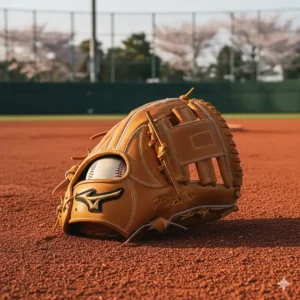
The Rawlings Heart of the Hide Japan Series represents something unique: Rawlings’ interpretation of Japanese glove-making tradition applied to their iconic Heart of the Hide leather. Released in limited quantities for 2025, these gloves feature technologies and design elements typically only available in Japan, now accessible to American players through major retailers.
Key Specifications:
- Premium Heart of the Hide US Steerhide leather
- Wizard pattern with deep pocket
- Ultra Belt Closure System (Japan exclusive tech)
- Limited 2025 production run
Price Range: $280-$350
What makes the Japan Series compelling is Rawlings’ incorporation of Japanese-exclusive technologies like the Ultra Belt Closure System and Dual Core Tech – features that were previously only available to Japanese market customers. The gloves come in striking colorways (camel, fiery red, classic tan) with intricate stitching patterns that pay homage to traditional Japanese aesthetics while maintaining Rawlings’ renowned quality standards.
Customer reviews highlight the unique position this series occupies: Japanese-inspired features without the typical 4-6 week import wait times. Because Rawlings produces these domestically while incorporating Japanese design elements, you get next-day shipping with Amazon Prime while still experiencing design innovations from across the Pacific.
✅ Pros:
- Japanese features with American availability
- Limited edition collector’s value
- Faster shipping than imported gloves
❌ Cons:
- Limited quantities sell out quickly
- Slightly shorter than traditional Japanese brands
- Not “true” Made in Japan for purists
5. Jax Athletics Fielding Gloves – The Accessible Japanese Option
Jax Athletics has a clear mission: make authentic Japanese gloves accessible to every American player. While most japanese baseball glove brands require specialty orders or long wait times, Jax gloves are readily available through major US retailers with free shipping and fast delivery.
Key Specifications:
- Premium Japanese steerhide leather
- Wide palm and heel design (true Japanese style)
- All materials sourced locally in Japan
- Multiple position-specific models
Price Range: $349.95
Jax gloves embody what makes a “true” Japanese glove. Handmade by master craftsmen in Japan using locally-sourced materials, these gloves feature the characteristic wide palm and heel design that facilitates two-handed fielding. However, unlike some Japanese brands that only work for two-handed techniques, Jax has engineered their palm width to create deep pockets that also accommodate one-handed catches favored by American players.
The steerhide leather Jax uses is notably durable – arguably the strongest leather material in baseball glove construction. While kip leather (used in premium Mizuno and SSK gloves) offers softer initial feel, steerhide’s durability means Jax gloves often outlast other options by years. Multiple players have reported using the same Jax glove through high school, college, and beyond without significant degradation.
✅ Pros:
- Authentic Made in Japan with US availability
- Exceptional durability (steerhide leather)
- Works for both one and two-handed fielding styles
❌ Cons:
- Break-in requires dedicated effort
- Heavier than kip leather alternatives
- Limited retail presence (mostly online)
6. Hatakeyama Pro Series – The Catcher’s Choice
Ask any serious student of NPB baseball about japanese baseball glove brands for catchers, and Hatakeyama dominates the conversation. While relatively unknown in mainstream American baseball, Hatakeyama has earned legendary status in Asia as the premier catcher’s mitt manufacturer. Their Pro Series represents the absolute pinnacle of backstop equipment.
Key Specifications:
- Selected US Steerhide (top 5% of hides)
- Designed specifically for catcher’s needs
- Made in Taiwan under Japanese quality standards
- Available in 32.5″ to 33.5″ sizes
Price Range: $250-$350
Hatakeyama’s specialization in catcher’s equipment means every design decision considers the unique demands of the position. The leather selection focuses on hides with optimal thickness and durability for repeated high-velocity impact. The pocket construction creates a deep, secure catching area that helps frame pitches while maintaining flexibility for quick throws to second base.
What’s particularly interesting about Hatakeyama is their hybrid production model. While the brand is Japanese, many gloves are manufactured in Taiwan using selected US steerhide and Japanese quality control standards. This approach allows them to maintain Japanese-level quality while offering slightly more accessible pricing than purely Japan-made alternatives.
✅ Pros:
- Unmatched specialization in catcher’s mitts
- Exceptional durability for high-impact position
- Trusted by professional catchers worldwide
❌ Cons:
- Limited availability in US (mostly specialty retailers)
- Primarily focused on catchers and first basemen
- Long break-in period required
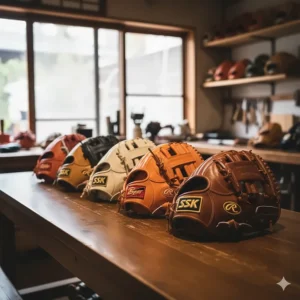
7. SSK Z5 Craftsman – The Budget-Friendly Entry Point
Not ready to invest $300-$600 in a glove? The SSK Z5 Craftsman series offers authentic Japanese craftsmanship at youth-to-intermediate pricing. Don’t let the lower price fool you – these gloves carry the Shokunin approval stamp and feature real leather construction, just without some premium materials found in higher-end models.
Key Specifications:
- Top grain leather (not synthetic)
- Shokunin Craftsman approved
- Youth (10.5″-11.25″) and adult (11.5″-12.75″) sizes
- Multiple web pattern options
Price Range: $70-$150
The Z5 Craftsman proves you don’t need to empty your bank account to experience japanese gloves baseball quality. SSK uses top-grain leather – a step below the premium kip or specialty leathers in their Z9 Maestro line, but miles ahead of the synthetic materials in similarly-priced American gloves. The leather is genuine, durable, and will develop character with proper care.
Amazon reviews consistently praise the Z5’s value proposition. Parents buying for youth players appreciate getting legitimate leather gloves that will last multiple seasons without the premium price tag. One reviewer noted: “My son loves this. Came in already partially broken in. Soft and solid for a 14-year-old’s hand. Great price.” Another highlighted the quality: “Very nice leather, it does need a break in. It takes a great shape when breaking it in to preference.”
✅ Pros:
- Authentic Japanese craftsmanship at accessible pricing
- Real leather (not synthetic)
- Excellent for youth players or budget-conscious buyers
❌ Cons:
- Not as premium materials as high-end lines
- Requires more break-in effort than game-ready gloves
- Less specialized for specific positions
Understanding the Japanese Glove Philosophy
The difference between japanese baseball gloves and Western alternatives starts with a fundamentally different approach to craftsmanship and player development. In Japan, baseball is taught with an emphasis on technique perfection, precise fundamentals, and equipment that enhances rather than compensates for skill development.
The Shokunin Tradition
“Shokunin” translates loosely to “craftsman” but carries deeper meaning in Japanese culture. A Shokunin isn’t just someone who makes things – it’s someone who has dedicated their life to mastering a single craft. Becoming a certified Glove Master at companies like Mizuno or SSK requires decades of apprenticeship and demonstrated mastery of leather selection, cutting, stitching, and quality assessment.
This tradition manifests in every aspect of japanese baseball glove construction. A single craftsman typically oversees an entire glove from start to finish – selecting the specific leather hides, cutting patterns, supervising stitching, and making final quality determinations. This differs dramatically from assembly-line production where different workers handle different stages without seeing the complete product.
Two-Handed Fielding Design
Japanese baseball coaching emphasizes two-handed catching technique from the earliest youth leagues. Consequently, japanese gloves baseball equipment features wider palms and heels that facilitate bringing your throwing hand over to secure the ball immediately after it enters the glove pocket.
This design initially feels unusual to American players accustomed to narrower gloves optimized for one-handed catches. However, many players who adapt to the wider palm discover benefits beyond two-handed fielding – the extra surface area provides more margin for error on challenging plays, and the deeper pockets create better ball security.
Modern manufacturers like Jax have engineered their japanese baseball glove brands to work well with both one and two-handed techniques, making the transition easier for American players while preserving authentic Japanese construction quality.
Materials Matter: Leather Types Explained
Understanding leather types helps you make informed decisions when selecting among best japanese baseball gloves. Not all leather is created equal, and Japanese manufacturers are incredibly selective about their materials.
Northern European Kip Leather
Kip leather comes from young cattle (typically 6-9 months old) raised in Northern European countries with cool climates. The combination of youth and climate produces hides with exceptionally fine grain, tight fiber structure, and minimal scarring. This material is the holy grail of glove leather – soft, supple, and responsive while maintaining structural integrity.
Mizuno’s Pro Limited line exclusively uses Northern European kip leather, and the difference is immediately apparent. The leather feels almost buttery out of the box yet firms up during break-in without becoming stiff or losing its responsiveness. Professional players universally cite kip leather as their preferred material when money is no object.
US Steerhide Processed in Japan
Steerhide comes from mature cattle (typically 18+ months) and features thicker, denser fibers than kip leather. While this makes steerhide less initially supple, it provides exceptional durability and longevity. Many japanese baseball glove manufacturers import premium North American steerhide and process it using specialized Japanese tanning techniques.
ZETT’s approach exemplifies this strategy perfectly. They source thick, high-quality US steerhide and ship it to specialized tanneries in Taiwan or Japan where it undergoes tanning processes developed specifically for baseball gloves. The result combines American leather’s robust structure with Japanese refinement – gloves that last forever while developing beautiful character over time.
Japanese Nameshi Leather
Nameshi leather refers to traditional Japanese tanning methods passed down through generations. SSK’s use of Nameshi leather in their Z9 Maestro line represents a connection to centuries-old craftsmanship applied to modern baseball equipment. These tanning processes emphasize long curing times and natural materials, producing leather with unique texture and feel that machine-tanning cannot replicate.
Breaking In Your Japanese Baseball Glove Properly
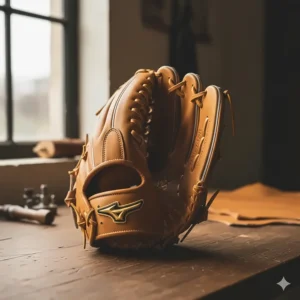
Japanese baseball gloves typically require more dedicated break-in effort than mass-produced alternatives. This isn’t a flaw – it’s intentional. The premium materials and construction methods create gloves that will last 10+ years with proper care, but they need proper forming to reach their full potential.
The Traditional Approach
Japanese players traditionally break in gloves using consistent play catch sessions, glove mallets, and careful conditioning. Steaming or microwave methods (common shortcuts in American youth baseball) are generally discouraged because they can damage premium leather and reduce glove lifespan.
The preferred method involves:
Step 1: Apply quality glove conditioner (not excessive amounts) to soften the leather initially. Mizuno and SSK both produce specialized conditioners formulated for their specific leathers.
Step 2: Work the pocket by placing a baseball in the desired catching position and using a glove mallet to shape the leather. This process should be repeated daily for 10-15 minutes during the first week.
Step 3: Play catch extensively. There’s no substitute for the natural break-in that occurs through actual use. Japanese players will often play 30-45 minutes of light toss daily specifically for glove break-in.
Step 4: Store properly between sessions. Place baseballs in the pocket and wrap the glove with a belt or strap to maintain the desired shape. Never leave your glove in a car trunk or other extreme temperatures.
Most japanese gloves baseball equipment reaches 80% playability in 2-3 weeks of dedicated break-in, with full optimization occurring over the first season of regular use.
Professional Services
If you prefer not to break in your glove personally, several professional services specialize in japanese baseball glove break-in. Companies like Headbanger Sports offer glove break-in services where experienced professionals use the same techniques employed by NPB equipment managers. These services typically cost $50-$75 and can save you 4-6 weeks of work, though you miss the personal connection that comes from forming your glove yourself.
Position-Specific Considerations
Infielders
Best japanese baseball gloves for infielders prioritize quick transfer capability and precise pocket placement. Models like the Mizuno Pro Series GMP400 (11.5″) and SSK Edge Performance Series feature shallower pockets and lighter construction that facilitates the rapid exchange from catch to throw that middle infielders require.
The wider palm design common in Japanese gloves actually benefits infielders significantly. The additional catching surface provides more margin on difficult hops, while the palm’s structure naturally guides balls into the pocket rather than the webbing – critical for quick transfers.
Outfielders
Outfield-specific japanese baseball glove brands emphasize deep pockets and extended fingers for tracking fly balls. Models like ZETT’s 12.5″-12.75″ outfield gloves and Jax’s 12.25″ outfield model feature longer finger stalls and deeper catching areas that provide security on over-the-shoulder catches and diving plays.
Japanese outfield gloves typically weigh slightly more than American alternatives due to leather thickness and construction density. While this adds a few ounces, the trade-off is exceptional durability and pocket retention through thousands of catches.
Catchers
Hatakeyama dominates the catcher’s mitt conversation in japanese gloves baseball equipment. Their mitts feature closed-back designs with extra padding in the palm and thumb areas to absorb repeated high-velocity impacts. The pocket construction creates a natural target for pitchers while maintaining flexibility for framing and quick throws to bases.
Comparing Japanese vs American Manufacturing
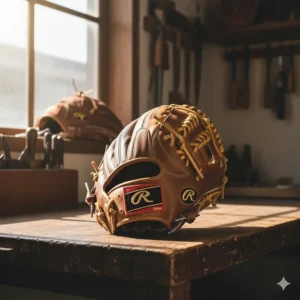
| Aspect | Japanese Gloves | American Gloves |
|---|---|---|
| Production Philosophy | Single craftsman oversight | Assembly line production |
| Material Selection | Hand-selected premium hides | Bulk leather purchasing |
| Break-In Period | 2-4 weeks dedicated effort | Often pre-broken or quick break-in |
| Typical Lifespan | 8-15+ years with care | 4-8 years average |
| Pocket Design | Wider palm, deeper pocket | Narrower palm, moderate depth |
| Price Range | $150-$600+ | $50-$400 |
| Availability | Specialty retailers, limited stock | Widely available retail |
| Customization | Extensive options through manufacturers | Limited to stock configurations |
This comparison isn’t meant to bash American gloves – brands like Rawlings, Wilson, and Nokona produce excellent equipment. However, understanding the philosophical differences helps explain why japanese baseball gloves command premium prices and dedicated followings among serious players.
Investment Value Analysis
Let’s address the elephant in the room: are japanese baseball gloves worth the premium price? This depends entirely on your playing level, commitment, and budget priorities.
Professional & Collegiate Players
At this level, equipment quality directly impacts performance, and japanese baseball glove brands represent sound investments. A $500 Mizuno Pro Limited that lasts 10+ years and provides optimal feel for every play is actually cheaper long-term than replacing $150 gloves every 2-3 years. Plus, the performance advantages – improved feel, better pocket retention, enhanced durability – can make measurable differences in your defensive statistics.
High School Players
This is the sweet spot where mid-range japanese gloves baseball options like SSK Z9 Maestro ($260-$300) or Jax Athletics ($349.95) make tremendous sense. You’re playing regularly enough to justify quality equipment, but you’re not necessarily ready for the absolute premium tier. These gloves will easily last through high school and college with proper care, making the per-season cost quite reasonable.
Youth Players (Under 13)
For younger players still growing and developing fundamentally, japanese baseball glove brands at the lower price point like SSK Z5 Craftsman ($70-$150) offer excellent value. They provide genuine leather construction and Japanese quality control without the premium price tag. However, if your child is in that awkward growth phase where they need new gloves every 12-18 months anyway, standard American youth gloves might be more practical.
Care and Maintenance for Longevity
Proper maintenance extends your japanese gloves baseball equipment lifespan dramatically. Japanese manufacturers design these gloves to last decades with appropriate care, so following basic maintenance protocols protects your investment.
Regular Conditioning
Apply glove conditioner every 3-4 weeks during playing season, monthly during off-season. Use conditioners specifically formulated for premium leather – many Japanese manufacturers produce their own. Avoid petroleum-based products that can break down leather fibers over time. Apply thin layers and work the conditioner into the leather by hand, paying special attention to high-stress areas like the pocket and finger joints.
Proper Storage
Never store your glove in extreme temperatures. Car trunks, unheated garages, and direct sunlight all accelerate leather deterioration. After each use, wipe down the glove with a clean cloth to remove dirt and moisture. Place a ball in the pocket and wrap the glove with a belt or glove wrap to maintain shape. Store in a cool, dry location with moderate temperature.
Lace Maintenance
Check laces monthly for wear, especially in the fingers and web areas. Japanese gloves often use premium leather lacing that’s more durable than synthetic alternatives, but high-stress areas still wear over time. Replace worn laces promptly – a $10 lace kit prevents a broken lace from ruining a game. If you’re uncomfortable doing lace repairs yourself, most sporting goods stores offer lacing services for $20-$30.
Professional Reconditioning
For premium gloves like Mizuno Pro Limited, take advantage of manufacturer reconditioning programs. Even without formal programs, professional glove restoration services can deep-clean, recondition leather, replace padding, and repair stitching for $75-$150 – dramatically extending glove life and restoring performance.
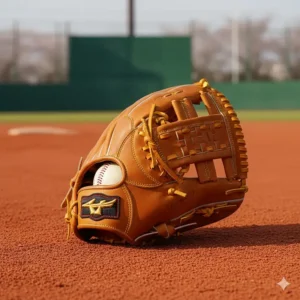
Common Misconceptions About Japanese Baseball Gloves
“They’re Only Good for Two-Handed Fielding”
False. While japanese baseball gloves are designed with two-handed technique in mind, the wider palm and deeper pocket work excellently for one-handed catches too. Many American infielders and outfielders who switched to Japanese gloves report improved ball security specifically because the pocket design naturally centers balls for secure catches regardless of technique.
“Break-In Takes Forever”
Partially true but context matters. Yes, premium Japanese gloves require more break-in effort than pre-softened American gloves. However, this reflects the quality of materials and construction, not a design flaw. Thicker, denser leather that requires break-in also lasts far longer and maintains pocket shape better over time. With proper technique, most players achieve 80% playability in 2-3 weeks.
“You Can’t Find Them in America”
Increasingly false. While some brands like Hatakeyama remain specialty-only, mainstream retailers now stock SSK, ZETT, Mizuno, and Rawlings Japan Series gloves. Major online retailers like Amazon, JustBallGloves, and Baseball Express carry significant inventory with standard shipping timelines. Jax Athletics specifically focuses on US market accessibility with domestic fulfillment.
“They’re Overpriced for What You Get”
This depends on your perspective. Compared to entry-level American gloves, yes, Japanese options cost more upfront. However, the total cost of ownership tells a different story. A $350 japanese baseball glove that lasts 12 years costs $29 per year. A $100 American glove that lasts 3 years costs $33 per year – plus you deal with the hassle of breaking in new gloves repeatedly and adapting to different pocket shapes.
Sizing Guide for Optimal Fit
Japanese sizing sometimes differs from American conventions, so understanding proper fit prevents ordering mistakes.
General Size Recommendations
Youth (Ages 8-12): 10.5″-11.25″
Middle School: 11.25″-11.75″
High School Infielders: 11.5″-11.75″
High School Outfielders: 12.25″-12.75″
Adult Infielders: 11.5″-12″
Adult Outfielders: 12.5″-13″
Adult Pitchers: 11.75″-12.25″
Catchers (All Ages): 32.5″-34″
Remember that Japanese gloves’ wider palm design means they often feel larger than American gloves of the same stated size. An 11.75″ Japanese glove might feel more like a 12″ American glove due to the increased catching surface area.
Trying Before Buying
If possible, try on gloves in person before purchasing, especially if this is your first japanese baseball glove. The wider heel and palm design feels distinctly different from American gloves, and some players need to size down a half-inch from their usual preference. Many specialty baseball stores now carry sample gloves from major Japanese brands specifically for fitting purposes.
Where to Buy Authentic Japanese Baseball Gloves
Online Retailers
Amazon offers the most convenient shopping experience with extensive selection from SSK, ZETT, Mizuno, and Rawlings Japan Series gloves. Prime shipping and easy returns make it ideal for first-time buyers unsure about sizing or feel.
JustBallGloves.com specializes in premium baseball gloves and stocks significant Japanese brand inventory including Jax Athletics, Mizuno Pro series, and SSK premium lines. Their expert staff can provide sizing advice and answer technical questions.
Baseball Express carries rotating inventory of japanese gloves baseball brands with frequent sales and promotions. Their glove break-in service option is convenient if you want professional preparation.
Specialty Retailers
Taiwan Baseball specializes in Asian baseball equipment and offers the best selection of Hatakeyama and less-common brands. International shipping takes 2-3 weeks but provides access to models unavailable from US retailers.
Direct from Manufacturer sites like SSKBaseball.com and JaxAthletics.com offer the fullest model selection with customization options. Ordering direct typically provides the best prices but may involve longer wait times for custom builds.
Making Your Final Decision
Choosing among the best japanese baseball gloves ultimately depends on balancing your playing level, position requirements, budget constraints, and long-term commitment to baseball.
For Elite Players: The Mizuno Pro Limited represents the absolute pinnacle. Yes, $599 is significant, but you’re getting the same quality trusted by MLB and NPB professionals with lifetime reconditioning service. This is equipment that can literally last your entire career.
For Advanced High School/College Players: SSK Z9 Maestro ($260-$300) or Jax Athletics ($349.95) hit the sweet spot of premium quality without maximum price. You get authentic Japanese craftsmanship, premium materials, and construction that will last through years of competitive play.
For Developing Players: SSK Z5 Craftsman ($70-$150) provides legitimate Japanese quality at accessible pricing. It’s real leather, Shokunin-approved construction, and durability that far exceeds similarly-priced American alternatives.
For Collectors: Rawlings Heart of the Hide Japan Series (2025 Limited Edition) combines Japanese-inspired features with American brand recognition and limited availability that preserves collectible value.
The investment in quality japanese baseball glove brands pays dividends through enhanced performance, exceptional durability, and the unmistakable feeling of using equipment crafted by true masters of their art. Your glove is the only piece of equipment you touch on every single play – doesn’t it deserve the absolute best?
FAQ: Your Japanese Baseball Glove Questions Answered
’ or authorized retailers. Avoid third-party sellers offering suspiciously low prices on premium models…” image-2=”” headline-3=”h3″ question-3=”❓ What makes Mizuno japanese baseball glove brands so expensive?” answer-3=”✅ Northern European kip leather (top 1% of hides), single Master craftsman construction in Haga, Japan facility, and lifetime reconditioning service. Each glove requires 30+ hours of skilled labor from leather selection through final quality approval. The price reflects this uncompromising approach to quality…” image-3=”” headline-4=”h3″ question-4=”❓ Do professional MLB players actually use japanese baseball gloves?” answer-4=”✅ Yes, though not as commonly as American brands due to endorsement contracts. Notable users include Ichiro Suzuki (Mizuno), Japanese players in MLB typically use their home country brands, and some American players use Japanese gloves without official endorsements. NPB (Japanese pro league) players overwhelmingly choose Japanese brands…” image-4=”” count=”5″ html=”true” css_class=””]
Conclusion: Elevate Your Game with Japanese Craftsmanship
The world of japanese baseball gloves represents more than just sports equipment – it’s a gateway to centuries of craftsmanship tradition, meticulous attention to detail, and an unwavering commitment to quality that permeates Japanese culture. Whether you choose the elite Mizuno Pro Limited, the value-packed SSK Z5 Craftsman, or any option in between, you’re investing in equipment designed to enhance your performance while lasting through years of competitive play.
Remember that the best japanese baseball gloves aren’t determined solely by price tags or brand prestige. The right glove for you matches your playing level, position requirements, and personal preferences while fitting your budget realistically. A $150 SSK Z5 that fits perfectly and receives proper care will serve you better than a $600 Mizuno that’s too large and neglected.
As you research japanese gloves baseball options, prioritize trying gloves on when possible, reading authentic customer reviews, and understanding that initial break-in effort pays long-term dividends through enhanced performance and durability. Your glove touches the ball on every single defensive play – investing in quality equipment that feels like an extension of your hand rather than a separate tool can genuinely improve your fielding percentage and defensive confidence.
🏆 Ready to Experience Japanese Quality?
✨ The products featured in this guide represent authentic japanese baseball glove brands available right now through trusted retailers. Click any highlighted product name to compare current pricing, check availability, and read additional customer reviews. Your hands deserve equipment crafted by master artisans who’ve dedicated their lives to glove perfection! ⚾🔥
Recommended for You
- 7 Best Baseball Training Gloves 2025: Expert Guide
- Best Baseball Gloves for Kids & Youth: Ultimate Top 7 Picks 2025
- 11.75 & 12 Inch Baseball Gloves: 7 Best Picks 2025
Disclaimer: This article contains affiliate links. If you purchase products through these links, we may earn a small commission at no additional cost to you.
✨ Found this helpful? Share it with your friends! 💬🤗
