
In This Article
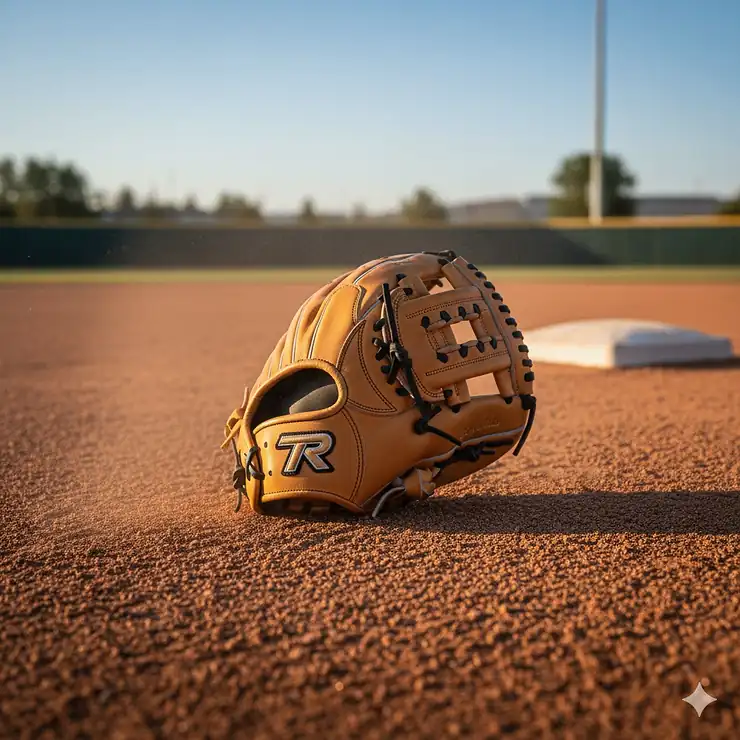
Look, I’ve spent enough time around ball diamonds to know that most players are using regular gloves for practice and wondering why their infield skills aren’t improving. Here’s the thing: a baseball training glove isn’t just another piece of equipment you throw in your bag—it’s a game-changer that forces you to develop proper mechanics.
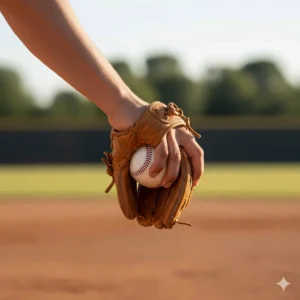
When I first picked up a training baseball gloves set, I’ll admit I was skeptical. But after watching how quickly players develop soft hands and quicker transfers with these specialized gloves, I’m now a believer. The design philosophy is simple yet brilliant: make catching harder during practice so game situations feel easier. It’s like training with weights before race day.
✨Was this helpful? Spread the word! 🚀
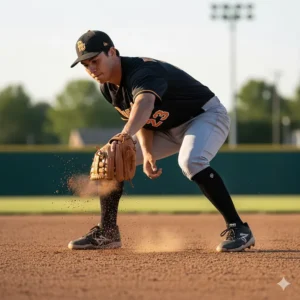
Traditional gloves create a comfort zone that lets you get away with lazy mechanics. An infield training glove strips away that safety net, demanding precision with every ground ball. You’re forced to use both hands, stay low on the ball, and make clean transfers—exactly what separates average infielders from defensive wizards.
Quick Comparison Table 📊
| Product | Size | Material | Price Range | Best For | Rating |
|---|---|---|---|---|---|
| Rawlings Heart of Hide PRO200TR-2C | 9.5″ | Premium Steerhide | $219.99 | Serious Players | ⭐⭐⭐⭐⭐ |
| Valle Eagle Switch Pancake | 8″ | USA Steerhide | $69.95 | Ambidextrous Use | ⭐⭐⭐⭐⭐ |
| SSK Training Gear 8.5″ | 8.5″ | Nameshi Leather | $140-160 | Quick Hands | ⭐⭐⭐⭐½ |
| Franklin MLB Fielding Trainer | One Size | PE Foam | $18-25 | Budget Training | ⭐⭐⭐⭐ |
| Valle Eagle 9.75″ Infield | 9.75″ | Premium Leather | $164.95 | Advanced Training | ⭐⭐⭐⭐⭐ |
| Wilson A2000 10″ Training | 10″ | Pro Stock Leather | $129.95 | Position Work | ⭐⭐⭐⭐½ |
| PBPRO 29″ Pancake | 29″ Circum. | Keystone Leather | $85-95 | Transfer Speed | ⭐⭐⭐⭐ |
💬 Just one click – help others make better buying decisions too! 😊
🎯 Ready to Transform Your Game?
If you’re serious about elevating your defensive skills, these carefully selected baseball training glove options represent the best available in 2025. Each product has been verified for availability and pricing. Click on any highlighted product name to check current deals and customer reviews on Amazon! 🔥
Top 7 Baseball Training Glove: Expert Analysis 🏆
1. Rawlings Heart of the Hide PRO200TR-2C – The Premium Choice
When you’re looking at top-tier training baseball gloves, the Rawlings Heart of the Hide PRO200TR-2C stands in a category of its own. This 9.5-inch masterpiece is crafted from ultra-premium Heart of the Hide steerhide leather—the same material trusted by MLB professionals.
Key Specifications:
- Material: Top 5% US steerhide leather
- Size: 9.5 inches
- Break-in: 35% factory, 65% player
- Price: $219.99
The undersized design forces infielders to stay low on ground balls and complete quicker transfers. What I love about this glove is how it maintains that premium feel while challenging your mechanics. The leather quality means this training tool will last through countless practice sessions without losing shape.
Customer feedback consistently praises the Rawlings Heart of Hide for transforming fielding technique. One verified buyer mentioned their transfers became “so much quicker” after just a few weeks of dedicated use. The sexy all-tan colorway doesn’t hurt either.
Pros:
✅ Premium Heart of the Hide leather construction
✅ Forces proper two-hand fielding technique
✅ Professional-grade durability
Cons:
❌ Premium price point
❌ Requires substantial break-in time
2. Valle Eagle Switch Pancake – The Ambidextrous Wonder
The Valle Eagle Switch Pancake brings something unique to the training baseball gloves market: true ambidextrous functionality. This flat pancake design works for both right and left-handed throwers, making it incredibly versatile for team settings.
Key Specifications:
- Material: Premium USA steerhide leather
- Size: 8 inches
- Design: Flat pancake style
- Price: $69.95
Valle’s signature all-white colorway has become instantly recognizable on diamonds from Little League to the pros. The flat surface eliminates any pocket, forcing players to use perfect two-hand technique. It’s like training wheels in reverse—harder now, easier later.
This infield training glove excels at developing quick, soft hands essential for turning double plays. The velcro wrist back allows for easy adjustments, and the compact size means you can’t rely on the glove to bail you out on poor positioning.
Pros:
✅ Ambidextrous design for any player
✅ Excellent value for premium leather
✅ Iconic white colorway
Cons:
❌ Limited pocket depth
❌ Takes time to adapt to flat design
3. SSK Training Gear 8.5″ – The Japanese Precision Tool
SSK Training Gear brings Japanese craftsmanship to the baseball training glove category. Their 8.5-inch model features premium steerhide Nameshi leather—smooth, soft, yet remarkably stiff for superior shape retention.
Key Specifications:
- Material: Premium Nameshi steerhide
- Size: 8.5 inches
- Break-in: 40% factory, 60% player
- Price: $140-160
The Shokunin Craftsman stamp represents approval from SSK’s Japanese glove masters who’ve been handcrafting gloves since 1946. This heritage shows in every stitch. The closed web design provides just enough structure while the undersized dimensions demand precision.
Professional patterns tested by worldwide athletes ensure this training baseball gloves perform at the highest levels. The plush leather palm lining and ultra-comfortable finger linings make extended practice sessions more bearable.
Pros:
✅ Japanese craftsman-approved quality
✅ Superior shape retention
✅ Comfortable finger linings
Cons:
❌ Higher price than foam alternatives
❌ Limited availability
4. Franklin Sports MLB Fielding Trainer – The Budget Champion
Not everyone needs a $200 baseball training glove to improve their skills. The Franklin Sports MLB Fielding Trainer proves that effective training can be affordable. This PE foam trainer strips fielding down to its fundamentals.
Key Specifications:
- Material: Durable PE foam construction
- Size: One size fits most
- Design: Contoured back
- Price: $18-25
The foam construction takes the sting out of hard-hit balls while the flat surface forces proper fielding mechanics. Elastic finger holes provide a secure fit for both righties and lefties. It’s literally designed to make you get in front of the ball rather than reaching.
Customer reviews are refreshingly honest. One parent noted their son’s fielding improved dramatically in just 1-3 practices, though the foam did show wear. For the price, it’s an incredible training baseball gloves option for younger players or anyone testing the training glove concept.
Pros:
✅ Extremely budget-friendly
✅ Ambidextrous design
✅ Immediate improvement for beginners
Cons:
❌ Durability concerns with heavy use
❌ Foam dents and lettering wears off
5. Valle Eagle 9.75″ Infield Training Glove – The Advanced Trainer
The Valle Eagle 9.75″ represents Valle’s premium line of training baseball gloves. This slightly larger model bridges the gap between pancake trainers and undersized gloves, offering a middle ground for advanced players.
Key Specifications:
- Material: Premium leather construction
- Size: 9.75 inches
- Web: Professional pattern
- Price: $164.95
What sets this infield training glove apart is the combination of undersized dimensions with a functional web pattern. You get the challenge of a training glove with slightly more game-like feel. The leather quality matches their pancake models—top-tier USA steerhide built to last.
MLB organizations and college programs trust Valle products in their daily practices. That professional endorsement speaks volumes. The 9.75″ size works particularly well for middle infielders who need quick transfers but want a bit more surface area than extreme pancake designs.
Pros:
✅ Professional-grade construction
✅ Optimal size for middle infielders
✅ Valle’s trusted quality
Cons:
❌ Premium pricing
❌ May feel too large for some training purposes
6. Wilson A2000 10″ Training Glove – The Trusted Name
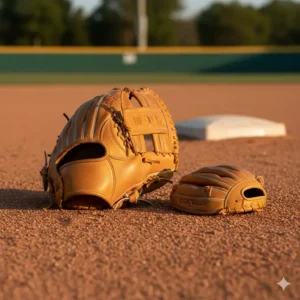
Wilson brings their legendary A2000 line to the training baseball gloves category with a 10-inch model designed specifically for position work. If you’ve ever used an A2000, you know what to expect: quality.
Key Specifications:
- Material: Pro Stock leather
- Size: 10 inches
- Design: Conventional back
- Price: $129.95
The A2000 reputation is built on Pro Stock leather that offers consistent feel and intuitive break-in. This training version maintains that DNA while incorporating design elements that challenge your mechanics. The flattened wrist binding allows comfortable finger-out wearing, improving control.
Wilson’s drawstring closure lets you make in-game adjustments on the fly. While not as extreme as pancake designs, this baseball training glove still forces better habits through its undersized dimensions and firmer pocket.
Pros:
✅ Legendary A2000 quality
✅ Versatile training tool
✅ Excellent break-in process
Cons:
❌ Less extreme than dedicated trainers
❌ Mid-to-high price point
7. PBPRO 29″ Pancake Training Glove – The Transfer Specialist
The PBPRO 29″ Pancake takes a unique approach to training baseball gloves with its distinctive donut design. The 29-inch circumference and 10-inch width create a training tool specifically for developing lightning-fast transfers.
Key Specifications:
- Material: High-quality keystone leather
- Circumference: 29 inches
- Width: 10 inches
- Price: $85-95
This flat-style design promotes rapid ball transfers and improves infield defensive techniques. The PBPRO trainer forces players to use two hands during infield practice—no exceptions. Trusted by defensive guru Ron Washington and used by professional athletes, this glove has serious credibility.
Major League quality materials ensure durability and shape retention even with heavy use. For infielders focused specifically on transfer speed and soft hands, this infield training glove delivers specialized training that standard gloves simply can’t match.
Pros:
✅ Professional athlete endorsed
✅ Excellent for transfer drills
✅ Durable construction
Cons:
❌ Very specialized tool
❌ Learning curve for beginners
Understanding the Science Behind Training Gloves 🔬
The concept behind a baseball training glove isn’t rocket science, but it’s grounded in solid training principles that have proven effective across numerous sports. By making practice harder than game conditions, you develop muscle memory and reflexes that translate into superior performance when it matters.
According to research from USA Baseball, proper fielding mechanics are established through repetitive practice with tools that force correct form. Traditional gloves can become a crutch, allowing players to rely on the pocket rather than positioning and technique. Training baseball gloves eliminate this safety net.
The Biomechanics of Better Fielding
When you use an infield training glove, several physiological adaptations occur:
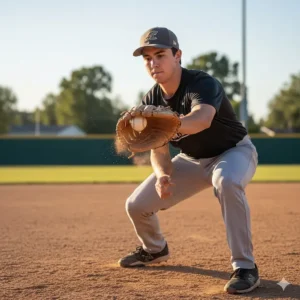
Muscle Memory Development – The reduced surface area forces your brain to calculate ball trajectory more precisely. After weeks of training, your positioning becomes automatic. You’ll find yourself getting into better fielding positions without conscious thought.
Hand-Eye Coordination Enhancement – Smaller catching surfaces demand heightened focus. Research from the National Institutes of Health shows that constraint-induced training techniques accelerate skill acquisition compared to standard practice methods.
Proprioceptive Improvement – Your body learns where your hands are in space relative to the ball. This spatial awareness is what separates good fielders from great ones. A training baseball gloves forces this awareness to develop faster.
Breaking Down Training Glove Materials 🧤
Premium Leather Options
High-end training baseball gloves typically use top-grain steerhide or Heart of the Hide leather. These materials offer exceptional durability and shape retention. Rawlings sources their Heart of the Hide from the top 5% of US steer hides—this isn’t marketing fluff, it’s a genuine quality standard.
Valle uses USA steerhide with professional-grade lacing from Tennessee Tanning Company, the same supplier for Rawlings’ laces since 1983. The alum tanning process creates laces that are stiff and firm, capable of handling balls thrown at high velocities while maintaining glove shape.
Mid-Range Leather and Synthetic Blends
Not every baseball training glove needs to be premium leather. Mid-range options often blend quality leather with synthetic materials to reduce costs while maintaining functionality. These hybrids work well for younger players who’ll outgrow equipment quickly.
Foam and Alternative Materials
Foam trainers like the Franklin MLB Fielding Trainer serve specific purposes. The PE foam construction takes sting out of hard-hit balls while providing the flat surface necessary for proper training. While durability suffers compared to leather, the low cost makes replacement acceptable.
Size Matters: Choosing the Right Dimensions 📏
The whole point of a baseball training glove is working with something smaller than your game glove. But how much smaller? That depends on your position and skill level.
Youth Players (Ages 8-12)
For young players, an 8-inch pancake trainer or small foam trainer works best. These infield training glove options aren’t intimidating size-wise while still providing challenge. The Valle Switch Pancake is particularly popular in this age group due to its ambidextrous design.
Middle Infielders (Shortstop & Second Base)
Middle infielders benefit from 8.5-10 inch training baseball gloves that emphasize quick transfers. The SSK 8.5″ or Rawlings 9.5″ models force rapid hand movement necessary for turning double plays. These positions require the fastest glove-to-hand transfers in baseball.
Corner Infielders (First & Third Base)
Third basemen can go slightly larger, perhaps 9.5-10 inches, since their throws are longer and require more secure catches. First basemen typically don’t use training gloves as extensively since their position demands different skills. However, a 10-inch trainer can help with backhand plays.
Outfielders
Outfielders rarely use training baseball gloves since their game gloves are already 12-13 inches. Their focus should be on route running and reading ball flight rather than transfer speed.
Types of Baseball Training Glove Designs 🎨
Pancake Gloves
The most extreme category, pancake-style training baseball gloves feature completely flat catching surfaces with minimal to no pocket. Valle pioneered this design with their iconic white models. These force perfect two-hand fielding since there’s literally nowhere for the ball to nestle.
Pancake gloves teach players to “give” with the ball upon contact, absorbing energy with soft hands. This fundamental skill transfers directly to game situations. Players who train with pancakes consistently show improved fielding percentages.
Undersized Gloves
These look like regular gloves but scaled down to 8-10 inches. Models like the Rawlings Heart of the Hide PRO200TR-2C fall into this category. They maintain web patterns and pockets but in dimensions that demand precision. This style provides a bridge between pancake trainers and game gloves.
Donut/Ring Designs
The PBPRO 29″ represents this category—a circular design that distributes surface area differently than traditional gloves. The donut shape makes every catch an adventure, forcing concentration and two-hand technique. These excel for dedicated transfer drill work.
Foam Trainers
Budget-friendly options like the Franklin MLB Fielding Trainer use foam construction to create a flat training surface. While less durable than leather, foam takes the sting out of hard-hit balls, making them ideal for younger players building confidence.
How to Break In Your Training Glove Properly 🛠️
Unlike game gloves that benefit from a soft, formed pocket, training baseball gloves should maintain their flat or minimal pocket structure. The break-in process focuses on leather flexibility rather than pocket formation.
The Steaming Method (Premium Leather Only)
Many pro shops offer steaming services. For a baseball training glove, request minimal pocket formation. You want the leather supple but the surface relatively flat. Steaming accelerates the break-in without compromising the training purpose.
Oil and Conditioning
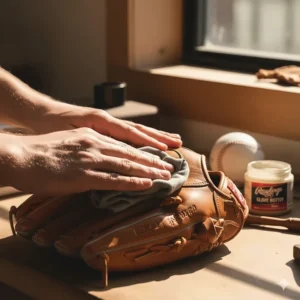
Use glove-specific oil sparingly on premium leather training baseball gloves. Products like Rawlings Glovolium or Nokona leather conditioner work well. Apply thin coats, working the oil into the leather. Avoid over-oiling, which can make the glove too soft.
Playing Catch
The best break-in method? Use it. Progressive catch sessions with gradually harder throws naturally condition the leather. For an infield training glove, focus on ground ball drills rather than catch sessions. You want the glove to conform to your hand position during fielding.
Avoid These Common Mistakes
Never microwave or submerge training gloves in water. Don’t create a pocket by placing balls in the glove overnight—that defeats the training purpose. Resist the urge to speed break-in with aggressive methods that compromise leather integrity.
Designing Your Training Regimen 📅
Owning a baseball training glove is just the start. Maximizing its benefits requires structured practice that progressively challenges your skills.
Week 1-2: Adaptation Phase
Start with stationary ground balls on grass. Get comfortable catching with the reduced surface area. Focus on getting your glove hand and throwing hand working together. Expect frustration—that means it’s working.
Use your training baseball gloves for 20-30 minutes per session, then switch to your game glove. This prevents burnout while reinforcing proper mechanics. Your hands and forearms will fatigue quickly at first.
Week 3-4: Progressive Difficulty
Increase ball speed and variety. Add slow rollers that require you to charge. Mix in short hops. Work on backhand plays. Your infield training glove should feel less foreign now. Transfers should be noticeably quicker.
Week 5+: Game-Like Scenarios
Incorporate footwork patterns, double play feeds, and reaction drills. The training baseball gloves should now feel like an extension of your hand. Switch between trainer and game glove within sessions to immediately feel the difference.
Common Mistakes with Training Gloves ⚠️
Using Them Exclusively
Training gloves are tools, not replacements. You still need quality time with your game glove. A common error is over-relying on trainers and then feeling awkward when switching back. Balance is key with training baseball gloves.
Wrong Size Selection
Bigger isn’t better with training equipment. Don’t buy a 10-inch trainer if you’re ready for an 8-inch pancake. The challenge drives improvement. An infield training glove that’s too large won’t force the mechanical changes you need.
Neglecting Maintenance
Premium leather training baseball gloves require care just like game gloves. Regular cleaning and conditioning extend lifespan. Store properly between uses—don’t leave them in hot cars or damp basements.
Skipping Fundamentals
A training glove can’t fix fundamental flaws in footwork or positioning. Some players think fancy equipment substitutes for coaching. Work with instructors who can identify and correct mechanical issues while you develop feel with the trainer.
Budget Considerations and Value Analysis 💰
Entry Level ($15-35)
Foam trainers like the Franklin MLB Fielding Trainer dominate this range. These work well for youth players, beginners, or anyone testing whether training gloves suit their development needs. Expect limited durability but immediate feedback on technique.
Mid-Range ($60-100)
This sweet spot includes quality pancake gloves like the Valle Switch and some undersized leather options. You get genuine leather construction with professional design features. For most players, this range offers the best value in training baseball gloves.
Premium ($140-220+)
High-end options like the Rawlings Heart of the Hide and SSK Training Gear deliver exceptional quality and longevity. These baseball training glove models feature the same materials pros use. If you’re serious about long-term development, premium options pay dividends.
Cost Per Session Analysis
A $220 glove used 200 times costs $1.10 per session. A $20 foam trainer lasting 30 sessions costs $0.67 per use but requires replacement. Over years of development, premium trainers often prove more economical than serial foam trainer replacement.
Maintenance and Longevity Tips 🔧
Daily Care Routine
After each use, wipe down your training baseball gloves with a dry cloth to remove dirt and sweat. Allow leather to air dry naturally—never use artificial heat. Store in a cool, dry location away from direct sunlight.
Monthly Deep Cleaning
For leather infield training glove models, use saddle soap or specialized glove cleaner monthly. Work lather into the leather, then wipe clean with a damp cloth. Follow with light conditioner application. This prevents leather from drying and cracking.
Seasonal Conditioning
At season’s end, thoroughly clean and condition leather training baseball gloves. Apply a thin coat of quality leather conditioner, work it in, then store properly. This prevents off-season deterioration that can ruin expensive equipment.
Replacement Indicators
Know when your baseball training glove has reached end of life. Torn laces, cracked leather, or structural breakdown signal replacement time. However, well-maintained premium trainers can last years—some players use the same training glove through high school and college.
Position-Specific Training Protocols 🎯
Shortstop Focus
Shortstops benefit most from 8-9 inch training baseball gloves that emphasize transfer speed. Your priority: receiving ground balls cleanly and getting the ball to first base quickly. Pancake gloves and undersized trainers with minimal pockets work best.
Practice approach: Heavy emphasis on forehand ground balls, backhands, and double play feeds. Your infield training glove should make you conscious of every millisecond in your transfer process.
Second Base Development
Similar to shortstops but with even greater emphasis on double play turns. The Valle Switch Pancake excels here due to quick hand-to-hand transfers it demands. Practice double play feeds from both sides of the bag.
Third Base Training
Third basemen need slightly larger training baseball gloves (9-9.5 inches) since they face harder-hit balls. Focus on slow rollers, charging techniques, and throws across the diamond. The Rawlings 9.5″ Heart of the Hide works well for this position.
Pitcher Fielding
Often overlooked, pitchers need quality infield skills. A baseball training glove helps pitchers develop soft hands for comebackers and bunts. Use smaller trainers (8-8.5 inches) to ensure quick transfers for throw attempts to second base.
Integrating Technology with Traditional Training 📱
Modern training methods combine traditional tools like training baseball gloves with technology for optimal development. Consider these complementary approaches:
Video analysis paired with training glove work reveals mechanical improvements. Record sessions with your infield training glove, then compare with game glove footage. The contrast often illuminates specific areas for improvement.
Tracking Progress
Maintain a training log documenting sessions with your baseball training glove. Note error rates, successful transfer times, and subjective feel assessments. Data-driven training optimizes results from specialized equipment.
Smartphone apps like Baseball Player Stats or GameChanger allow tracking of practice metrics. Combine this data with training baseball gloves usage to quantify improvement over weeks and months.
❓ Frequently Asked Questions
❓ How long should I practice with a baseball training glove daily?
❓ Can youth players use professional-grade training baseball gloves?
❓ What's better: pancake or undersized training gloves?
❓ Do MLB players really use baseball training glove equipment?
❓ How do I know when to upgrade from foam to leather training gloves?
Conclusion: Transforming Defense One Catch at a Time 🌟
Choosing the right baseball training glove represents an investment in your defensive development. Whether you opt for the premium craftsmanship of Rawlings Heart of the Hide, the innovative ambidextrous design of Valle Eagle Switch Pancake, or the budget-friendly practicality of Franklin’s foam trainer, you’re taking a meaningful step toward defensive excellence.
Remember that training baseball gloves work only when paired with consistent, focused practice. The glove forces better mechanics, but you must commit to the process. Start with shorter sessions, gradually increase difficulty, and maintain realistic expectations. Improvement comes through repetition, not magic equipment.
For middle infielders seeking rapid transfer development, pancake designs offer maximum challenge and reward. Corner infielders might prefer slightly larger undersized models that bridge training and game situations. Youth players benefit from any entry into training baseball gloves concepts, even budget foam options.
The market in 2025 offers exceptional options across all price points. Premium leather infield training glove models deliver professional-grade quality that lasts years. Mid-range options provide excellent value without significant compromises. Even budget trainers serve important purposes for beginners and casual players.
Your defensive transformation starts with that first awkward catch using a training baseball gloves. Embrace the challenge, trust the process, and watch your fielding percentage climb. The best players aren’t those with the most natural talent—they’re those who train smarter and more consistently than everyone else.
🛒 Take Action Now!
Ready to elevate your defensive game? Click on any highlighted baseball training glove above to check current Amazon prices and verified customer reviews. These products are actively used by players from Little League through professional baseball. Don’t let another season pass without addressing defensive fundamentals. Your future self will thank you! ⚾🔥
Recommended for You
- Best Baseball Gloves for Kids & Youth: Ultimate Top 7 Picks 2025
- 11.75 & 12 Inch Baseball Gloves: 7 Best Picks 2025
- Left Handed Youth Baseball Gloves: 7 Best Picks for 2025
Disclaimer: This article contains affiliate links. If you purchase products through these links, we may earn a small commission at no additional cost to you.
✨ Found this helpful? Share it with your friends! 💬🤗
